Panama Geisha Coffee Bean Variety Origin Story Grade Characteristics Why is Geisha Coffee So Expensive?

Early top-tier specialty coffees were predominantly known for their rich, full-bodied profiles. In that era, consumers tended to focus on the bitterness in coffee, and many novices even mistook a "dishwater-like" flavor for what they believed authentic coffee should taste like. With the rise of the third wave of coffee culture, people began to pay closer and more transparent attention to where beans come from. Rather than prioritizing milk-based drinks with intricate latte art, coffee lovers became increasingly interested in understanding specific terroirs and varieties.
The former reigning champions of the coffee world - Blue Mountain and Kona - have been supplanted by Panama's emerging premium variety: Geisha. Geisha coffee combines the bright, complex acidity characteristic of African beans with the honey-like sweetness of a Costa Rican coffee, and its signature intense floral aroma has won over discerning coffee enthusiasts around the world.
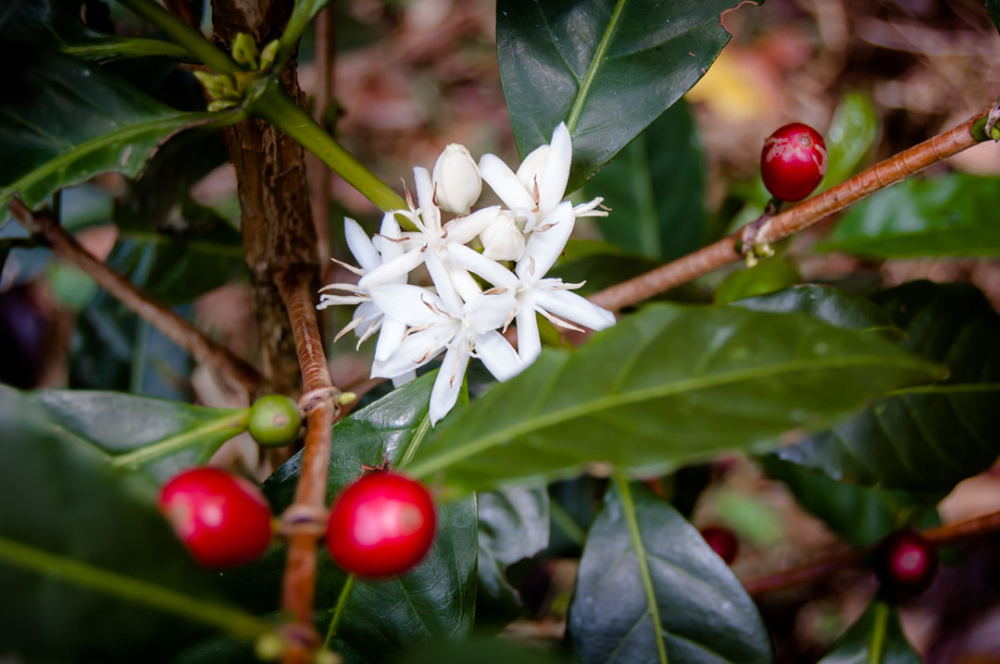
The Origins and Journey of Geisha Coffee
Although the Geisha variety rose to prominence in Panama, it actually originates from Ethiopia - the universally recognized birthplace of coffee. The Geisha variety was discovered in Ethiopia's Geisha Forest in 1931, after which the seeds were collected and sent to Kenya's Coffee Research Institute. In 1936 it was introduced to Uganda and Tanzania. Later, in the 1950s, Geisha seeds were brought to Costa Rica's CATIE research center, where they were cataloged as T2722. In the 1960s, CATIE distributed Geisha seeds to Panama for cultivation.
At first, because Geisha trees produced such low yields, farmers made little effort to cultivate them. Instead, they were planted roughly around farm perimeters and used mainly as windbreaks. At the end of the 20th century, Hacienda La Esmeralda in Panama's Boquete region discovered coffee with intense floral aromas, honey-like sweetness, and citrus juice-like character within its own estate. Tracing it back to its source, they identified it as Geisha, descended from the wild forests of Ethiopia.

Rise to Prominence
In 2003, Hacienda La Esmeralda submitted Geisha beans to the Best of Panama (BOP) competition and achieved a notable ranking. Then, in 2004, the estate entered Geisha again and won first place, breaking the auction record for green coffee that year. Geisha coffee became famous overnight, growing more popular year after year, with each annual BOP Geisha champion successively setting new auction records.
Geisha's unique flavor profile and the high price of its beans have made growers around the world eager to get into the market. But coffee, as an agricultural product, inevitably carries distinctive regional character. FrontStreet Coffee's bean selection also includes Geisha coffees from producing regions around the world, including Costa Rica, Colombia, and Ethiopia. That said, FrontStreet Coffee believes that to experience the widely recognized essence of Geisha coffee, Panamanian Geisha remains the definitive choice.

Consequently, the Best of Panama (BOP) competition later split its coffees into two categories because of the distinctive flavors of Geisha - one group for Geisha varieties and another for non-Geisha varieties - so that other varieties would not be overshadowed.
On FrontStreet Coffee's bean menu, Panamanian Geisha beans make up one-sixth of the selection. Hacienda La Esmeralda, both the discoverer and the promoter of Geisha's flavors, is represented on FrontStreet Coffee's list through its Red Label, Green Label, and Blue Label offerings. For anyone beginning their Geisha journey, Hacienda La Esmeralda's Geisha beans are undoubtedly a classic choice.
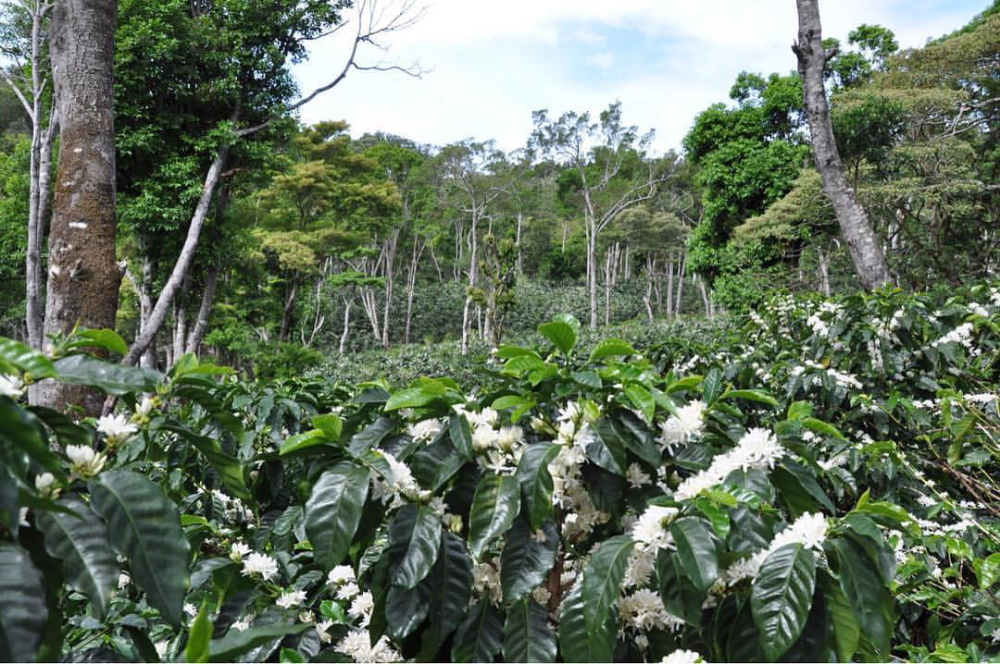
Panama's Premium Geisha Estates
Most of Panama's coffee estates are high-quality specialty Geisha farms. In its pursuit of exquisite Geisha flavors, FrontStreet Coffee continually explores different estates, including Finca Deborah in the Volcán region. Finca Deborah began developing its infrastructure in 2007 and planted its first Geisha trees at altitudes above 1,900 meters in 2010. The estate achieved its first small-scale harvest in 2015 and began commercial production in 2016.
Like other premium Panamanian estates, Finca Deborah sits on a majestic mountain range surrounded by extensive pristine forests and rich biodiversity. At such high altitudes and with significant air humidity, the estate experiences pronounced day-night temperature swings, with nighttime temperatures dropping as low as 10°C.
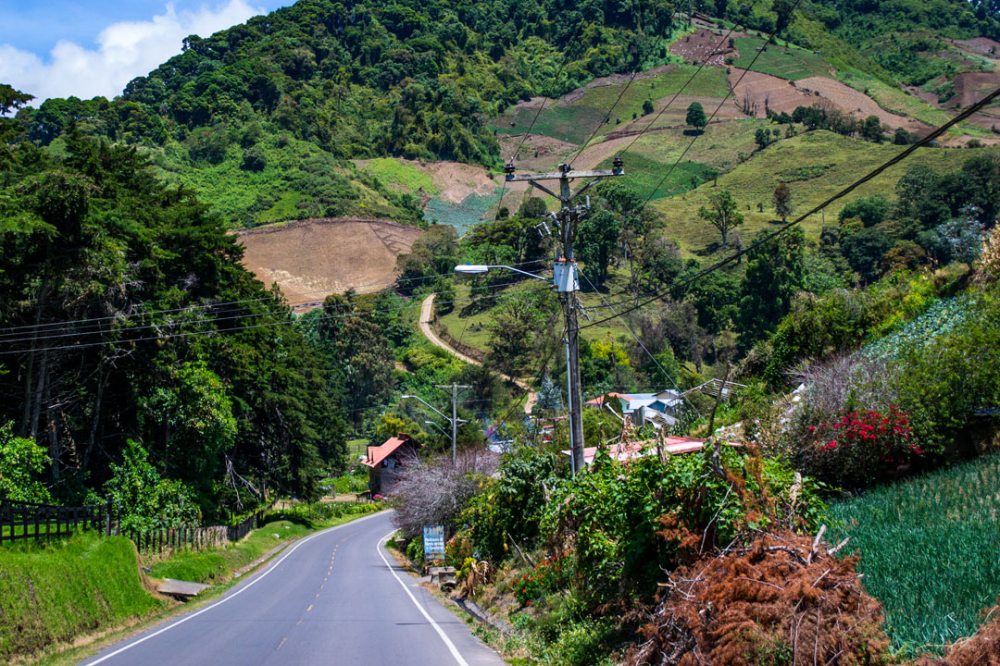
Such demanding growing conditions led many Panamanian farmers to be skeptical about Finca Deborah's prospects when it was first established. Yet the Geisha variety proved resilient, quickly settling in and thriving in the local environment. The Savage Series beans that FrontStreet Coffee offers are part of a coffee project established by Finca Deborah's owner, Jamison Savage.
The Savage Series Geisha beans are harvested from premium Geisha cherries surrounding Finca Deborah, then processed using the estate's advanced green-coffee processing techniques to present and share Geisha's enticing flavors with everyone.
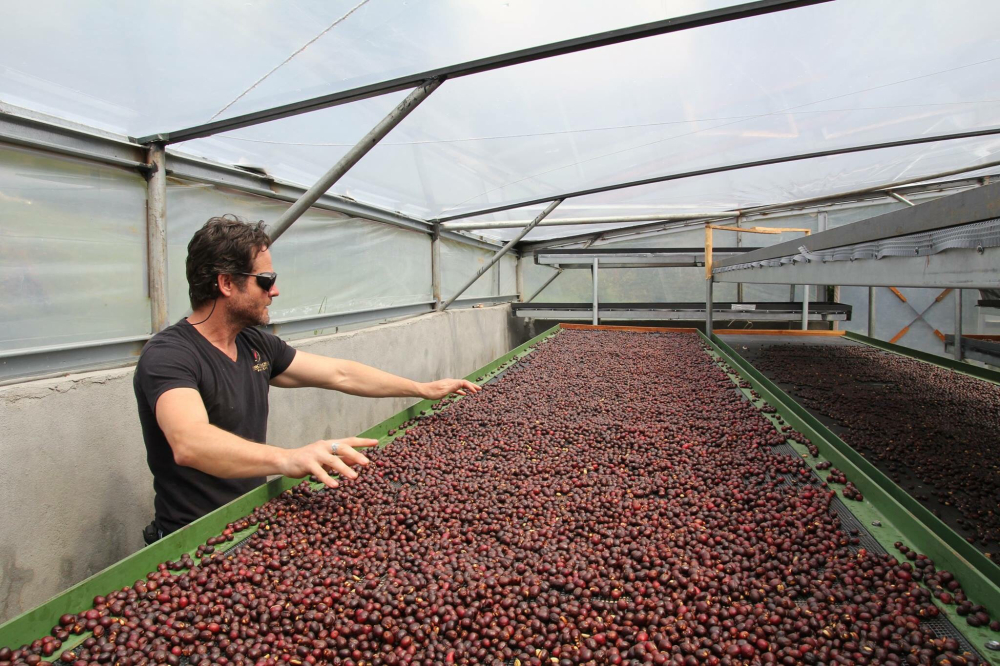
Understanding Geisha Coffee's Premium Pricing
Whenever Geisha prices come up, most people's strongest impression is that they are prohibitively expensive, reserved only for an occasional personal reward. Those who follow the bean market might wonder: Geisha seems more abundant than kopi luwak, so why do its prices stay so high?
In reality, the quantity of award-winning Geisha from the Best of Panama competition is quite limited, while global demand for Geisha has never waned - in fact, it has grown more popular year by year. With supply already short, the natural result of demand exceeding supply is rising prices. On top of that, estates must invest heavily in cultivation management and green-coffee processing to safeguard flavor and quality. Higher prices also give growers an incentive to maintain higher standards in cultivation and production.

Brewing Recommendations
On FrontStreet Coffee's bean menu, Geisha beans from the Panama region are typically roasted to a medium-light level to best preserve the intense floral aromas, bright acidity, and clean mouthfeel inherent to Geisha. For brewing, FrontStreet Coffee recommends a 1:16 coffee-to-water ratio. Slightly increasing the ratio helps reveal Geisha's unique character more clearly.
Dripper: Hario V60
Water Temperature: 91°C
Coffee Dose: 15 grams
Coffee-to-Water Ratio: 1:16
Grind Size: 80% retention on a Chinese standard #20 sieve
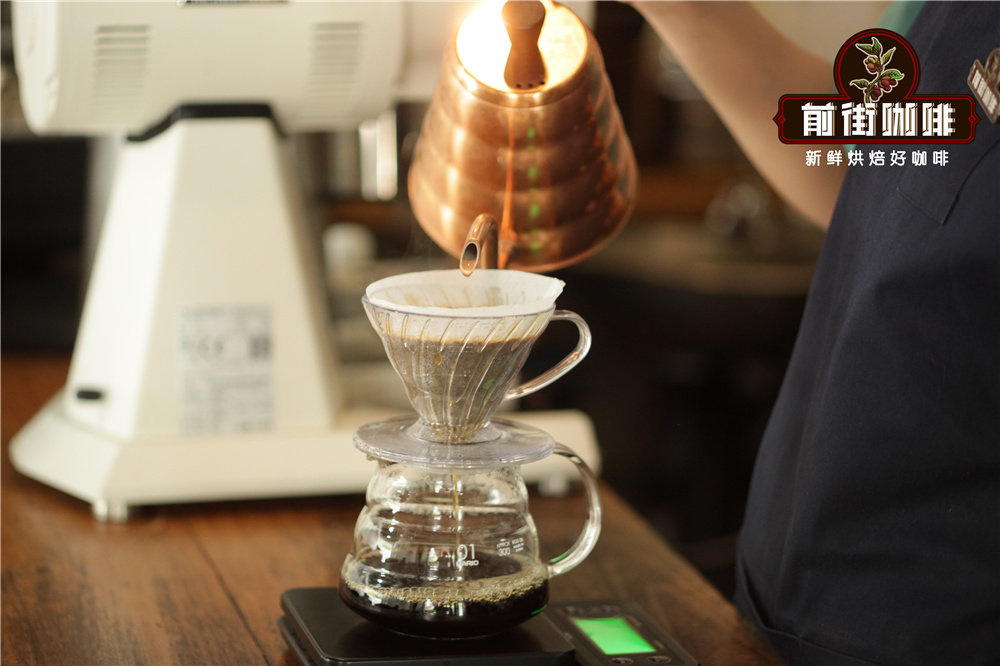
Pour 30 grams of hot water in a spiral to completely saturate the coffee grounds, and let it bloom for 30 seconds. Then, starting from the center, pour in a small stream, slowly spiraling outward to 130 grams. Wait until the water level in the filter drops to just above the coffee bed, then continue spiraling to reach 240 grams total. Total extraction time should be about 2 minutes.
FrontStreet Coffee Recommendation
Geisha represents the modern summit of specialty coffee, and as this article notes, it was Blue Mountain that once held the crown. If the balance and polish of a classic champion appeals to you as much as Geisha's flamboyance, FrontStreet Coffee's Jamaica Blue Mountain No. 1 is the definitive choice. True Blue Mountain comes only from the certified zone of Jamaica's Blue Mountain range, where the highest peak reaches 2,256 meters, and total production for the whole region is under 2,500 tons a year - so scarcity and price are built in.
FrontStreet Coffee's Blue Mountain No. 1 is drawn from the historic Clifton Mount estate and roasted to a medium-dark level, letting the coffee's signature balance unfold layer by layer: nuts, dark chocolate, creamy caramel, and gentle sweetness, with acidity, sweetness, bitterness, and aroma in perfect harmony. FrontStreet recommends a 1:15 to 1:16 ratio at 85-88°C with a medium-coarse grind, using a Kono dripper, 15g of coffee, and a three-stage pour - 30g to bloom for 30 seconds, then to 120g, then to 225g - after letting the beans rest for 4-7 days from the roast date.
Important Notice :
FrontStreet Coffee is a long-established specialty coffee roaster in Guangzhou China, selling freshly roasted beans from its own farm in Yunnan as well as dozens of carefully selected single-origin beans from around the world for both pour-over and espresso. The products deliver consistently excellent quality and great value, with shipping within 24 hours. Guangzhou's FrontStreet Coffee shop is recommended by many coffee lovers, and the beans are now available online at the Tmall 。
FrontStreet Coffee has moved to a new address:
FrontStreet Coffee Address: 315,Donghua East Road,GuangZhou
Tel:020 38364473
 Scan and follow the En Gafei WeChat official account. Please indicate that the reprint comes from "En Gafei".