Colombian Coffee Regions Information Flavor Characteristics Taste Introduction to Colombian Coffee Growers Federation FNC
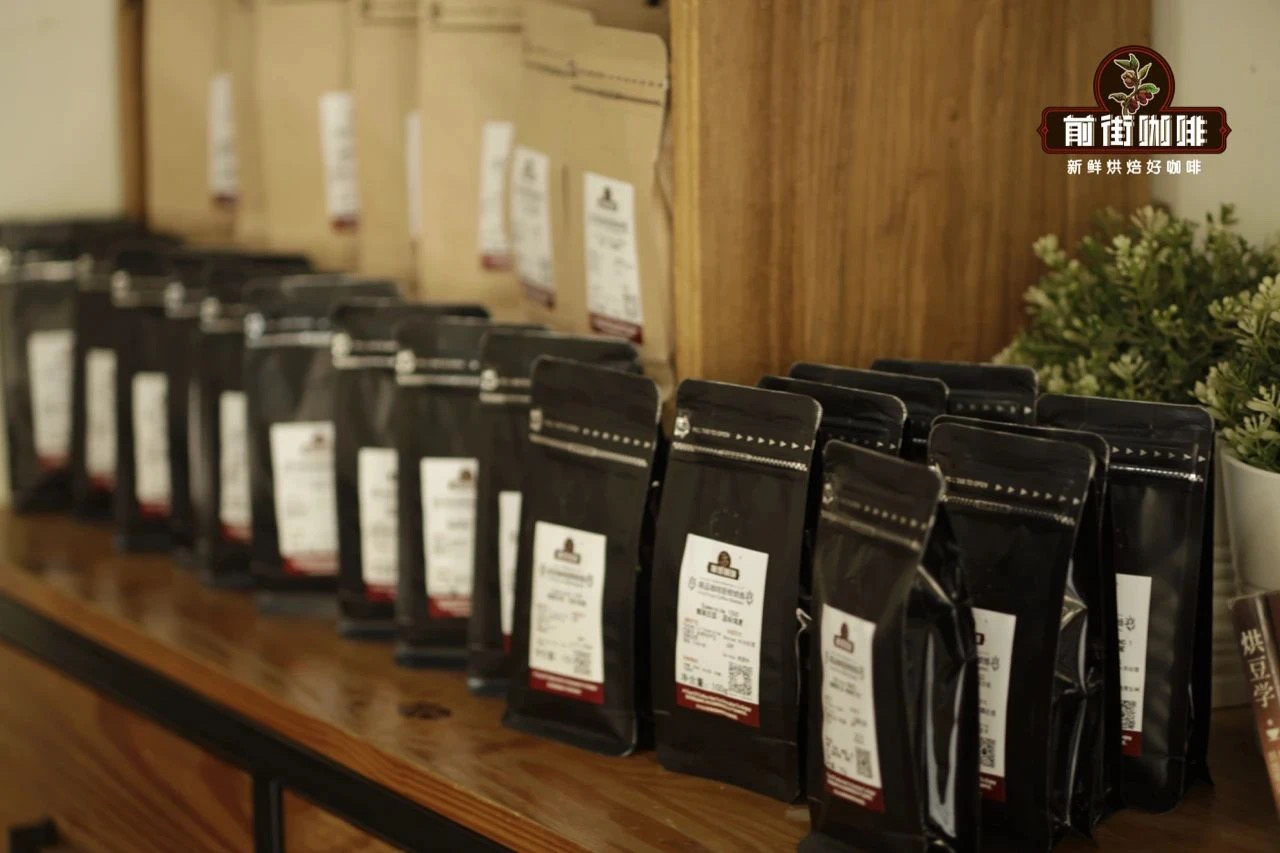
Colombia has four treasures — what are they? Flowers, gold, emeralds, and coffee beans. Comparing coffee to precious metals? Absolutely: Colombia's coffee is hailed as "green gold" for its extraordinary flavor. FrontStreet Coffee carries a whole shelf of Colombian selections — Rose Valley, Flower Moon Night, San José, Cherry Blossom, Hanami, Orange Soda — all sounding poetic and tasting rich and sweet.
Discovering a Coffee-Growing Paradise
"All children are precious" at FrontStreet Coffee — no coffees are ranked against each other. Whether it's Ethiopia, loved by beginners; Indonesia, preferred by traditionalists; Panama, exquisite and expensive; or Colombia, with its superior natural conditions — we select the most representative flavors across our range. Today, let's talk about a true paradise of coffee cultivation: Colombia.
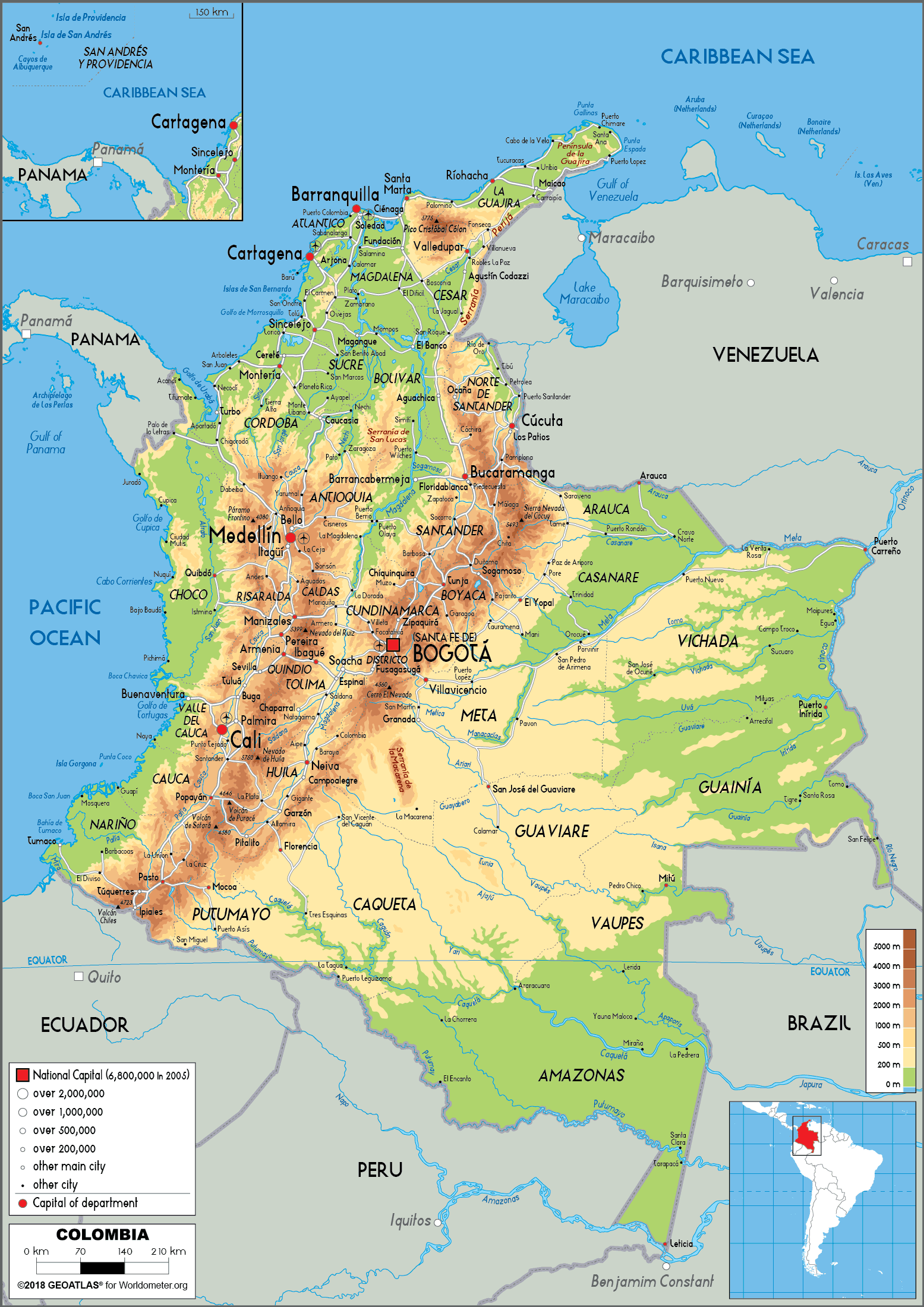
FrontStreet Coffee has long emphasized that coffee cultivation rests on three pillars: climate, altitude, and soil. Climate covers temperature, humidity, precipitation, sunlight, and more. Globally, the land suitable for coffee is extremely limited — three main growing regions (the Americas, Africa, and Asia) hug the equatorial zone between the Tropics of Cancer and Capricorn, the band growers call the "Bean Belt." Colombia sits right inside it.
On the physical map, Colombia's northwest rises to higher altitudes. From the air, its western flank looks as if a cat raked three vertical claw marks from north to south — and those "scratch marks" are Colombia's main coffee-growing region. Here altitudes sit uniformly above 1,500 meters, with abundant volcanic soil. Thanks to Colombia's latitudinal span and the topography of the Andes, the country's coffee lands divide into three major regions from south to north: Northern, Central, and Southern.
Ideal Growing Conditions
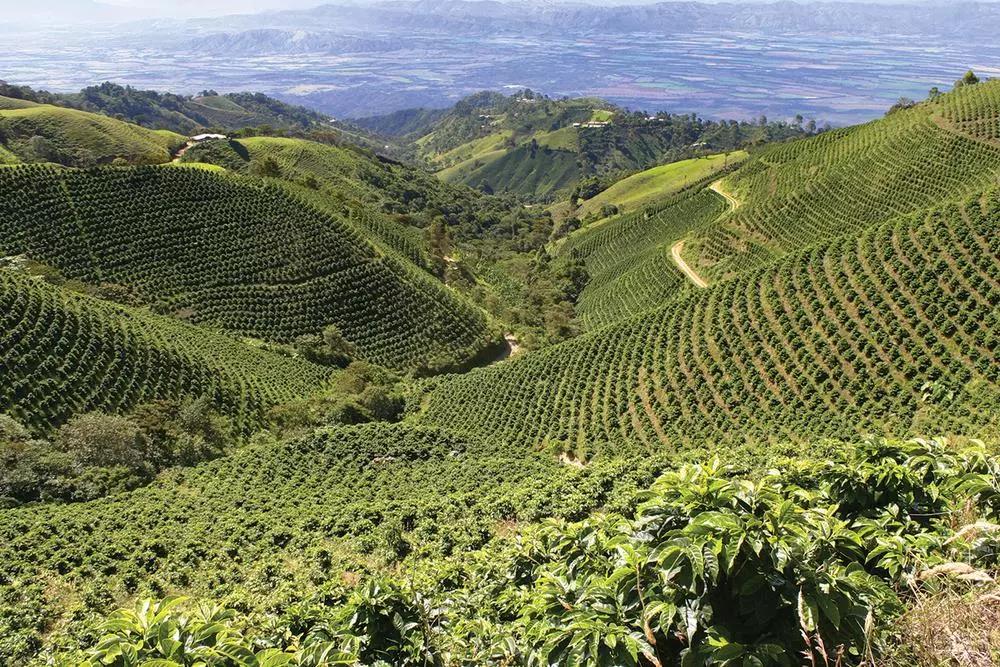
Under these ideal conditions of altitude and volcanic soil, Colombian coffee has been exported to the United States and Japan since the 1940s. Locally, coffee farming places special emphasis on land stewardship: cultivation is kept moderate to avoid exhausting soil fertility, and cherries are picked only by hand when fully ripe. Farmers plant tall shade trees or banana plants around the coffee, and build shade structures over young seedlings to guarantee the cool, humid environment coffee needs. Because the coffee forest is humid with small temperature swings, beans mature slowly, accumulating more caffeine and aromatic compounds along the way.
Tasting Colombian Coffee
Sound appealing? Let's use FrontStreet Coffee's most affordable Colombian — the Huila daily-drinker — as our tour guide through the country's growing regions.
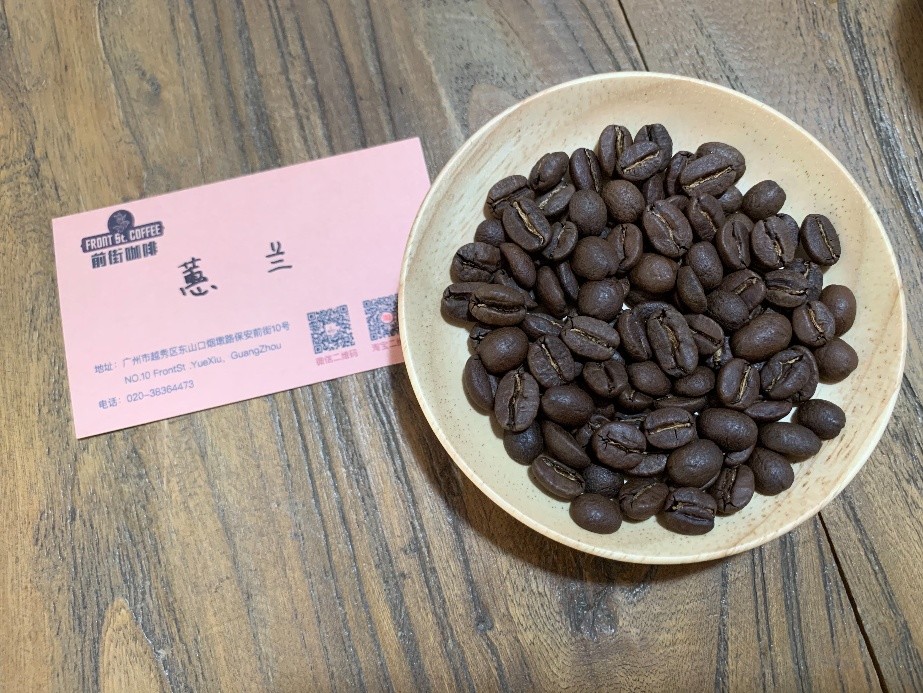
Colombian Huila
Region: Huila, Colombia
Altitude: 1,500–1,800 meters
Processing: Washed
Variety: Caturra
Flavor: Nuts, chocolate, caramel, soft fruit acidity
Huila Province lies in the southern reaches of Colombia's Central Mountains and is the country's most renowned specialty coffee region — rolling hills ringed by mountains, planted above 1,500 meters, where Colombia's most important rivers converge to bring abundant water.
Colombia's most internationally famous regions, though, are Medellín, Armenia, and Manizales — known collectively as "MAM." Cauca, Nariño, and Tolima are also famous coffee provinces. Unlike the medium-roasted Huila, light-roasted coffees from these areas often show more refined flavors: layered florals and prominent acidity. FrontStreet Coffee's other Colombian lots illustrate the point: San José, from Caldas, shows refined washed rum-fermentation aromas and tropical fruit; Rose Valley, from Santander's Large Tree Estate, "lives up to its name" with intense rose florals laced with peach and cranberry.
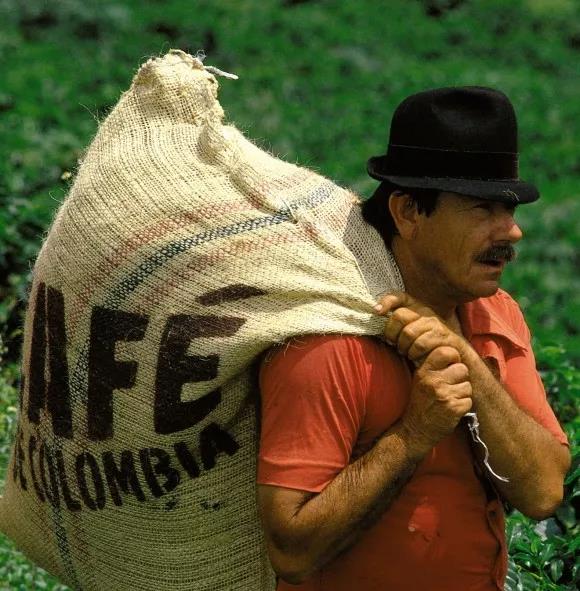
FrontStreet Coffee's Huila daily-drinker represents the traditional image of Colombian coffee — balanced and smooth. But as noted above, there are also coffees with bold regional character, often produced in micro-batches by smallholders. To protect those small farmers, Colombian growers united in 1927 to create the Colombian Coffee Growers Federation (FNC), which represents Colombian coffee at home and abroad, provides welfare for growers, and improves farmers' quality of life through an effective, democratic, representative organization.
According to what FrontStreet Coffee has learned, Colombia's most recent year-end coffee report has just been released. Although production fell 5% versus the same period last year, the harvest's value hit a record high of 9.9 trillion pesos. Under FNC leadership, Colombian coffee this year also piloted QR-code traceability for green beans for the first time — attaching QR codes to packaging so buyers can effectively verify a coffee's origin. The initiative aims to integrate every stage of production, guarantee traceability for growers, and deliver benefits to millions of coffee-farming families.
Colombia's continued growth rests on quality — but this year brought challenges the country had not seen before: recurring pandemic waves, global temperature rise, transport disruptions from social unrest, container shortages, and adverse weather all made production exceptionally difficult.
Specialty Colombian Varieties
Take the Hanami lot FrontStreet Coffee launched two months ago: it comes from the same region as the daily-drinker, but it is fully traceable — a Geisha blend produced by Colombia's Montblanc Estate. Why is it special? During cupping, FrontStreet Coffee's barista could clearly detect a "Southeast Asian charm" in the dry aroma: this coffee carries strong spice. On the palate the acidity curve is refreshing, with a woody citrus note; the entry is lively, chamomile emerges as it cools, and almonds linger in the finish.
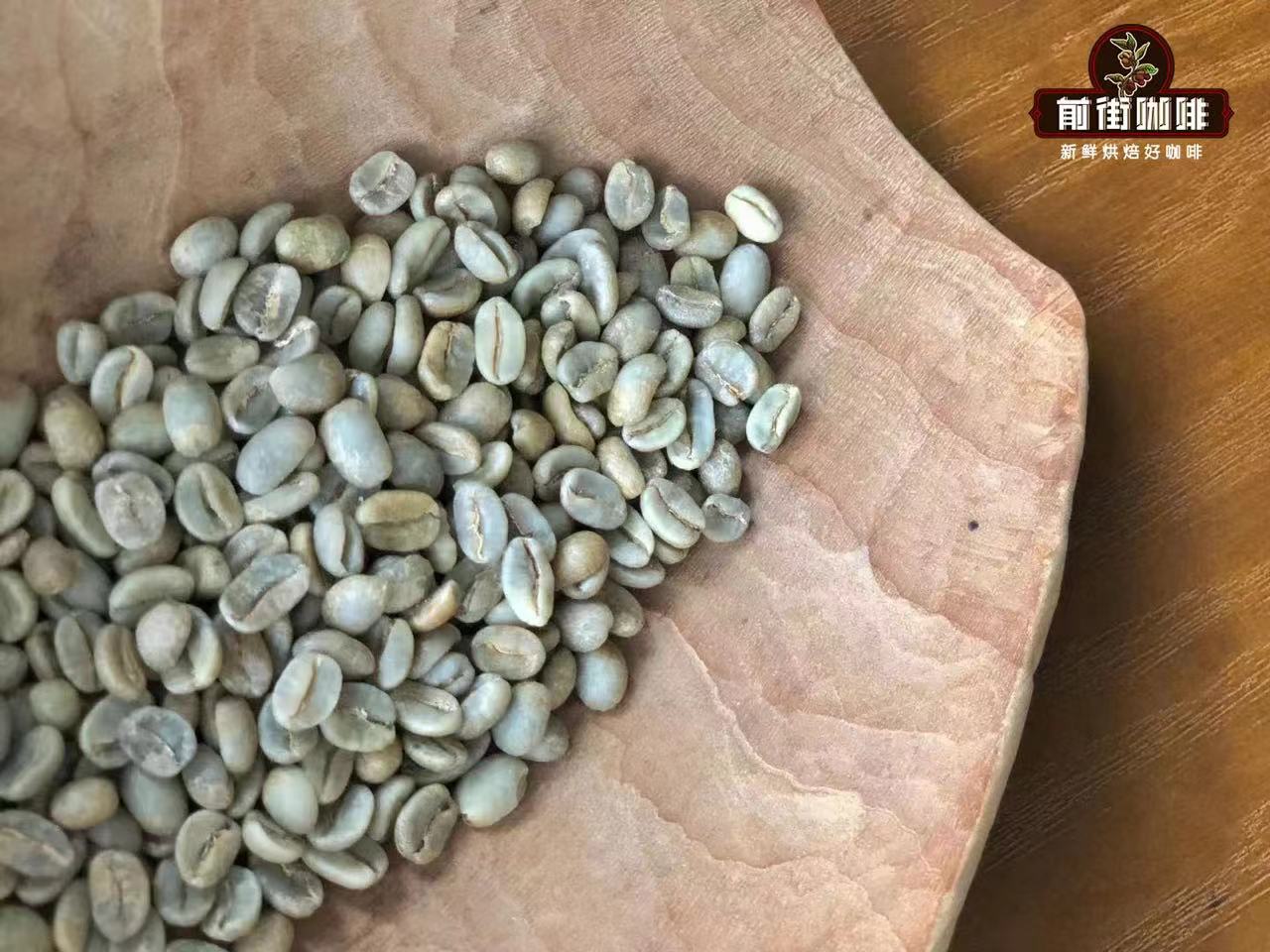
Colombian Hanami
Region: Colombia
Estate: Montblanc
Altitude: 1,900 meters
Processing: Washed
How Colombians Process Coffee
Notice how most of the coffees above are washed? Most Colombian coffee is, indeed, washed — and every smallholder family typically owns a small pulping machine. Harvested cherries go straight in; it removes skin and pulp plus most of the mucilage, using very little water. The parchment beans with residual mucilage then spend the night in a small pool or container — sometimes a cement tank (often tiled), sometimes a stainless-steel barrel — fermenting overnight to loosen what remains. The next morning they are rinsed clean, and the washed process is done.
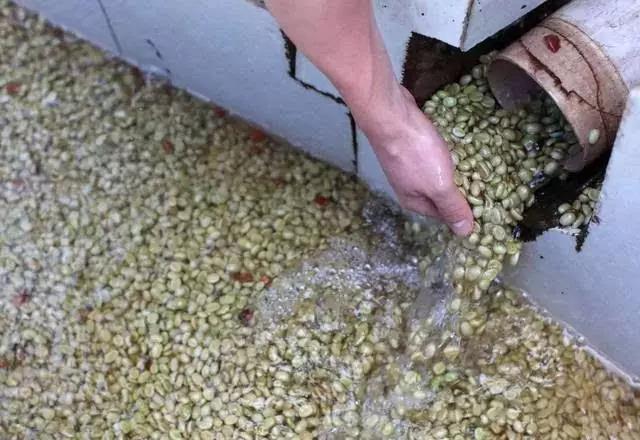
Drying depends on the weather. In good conditions, natural sun-drying comes first — some farms have small shelters with wooden racks for shade-drying, while others spread beans on open cement ground. In continuous rain, mechanical dryers take over, with intake temperature controlled to around 50°C.
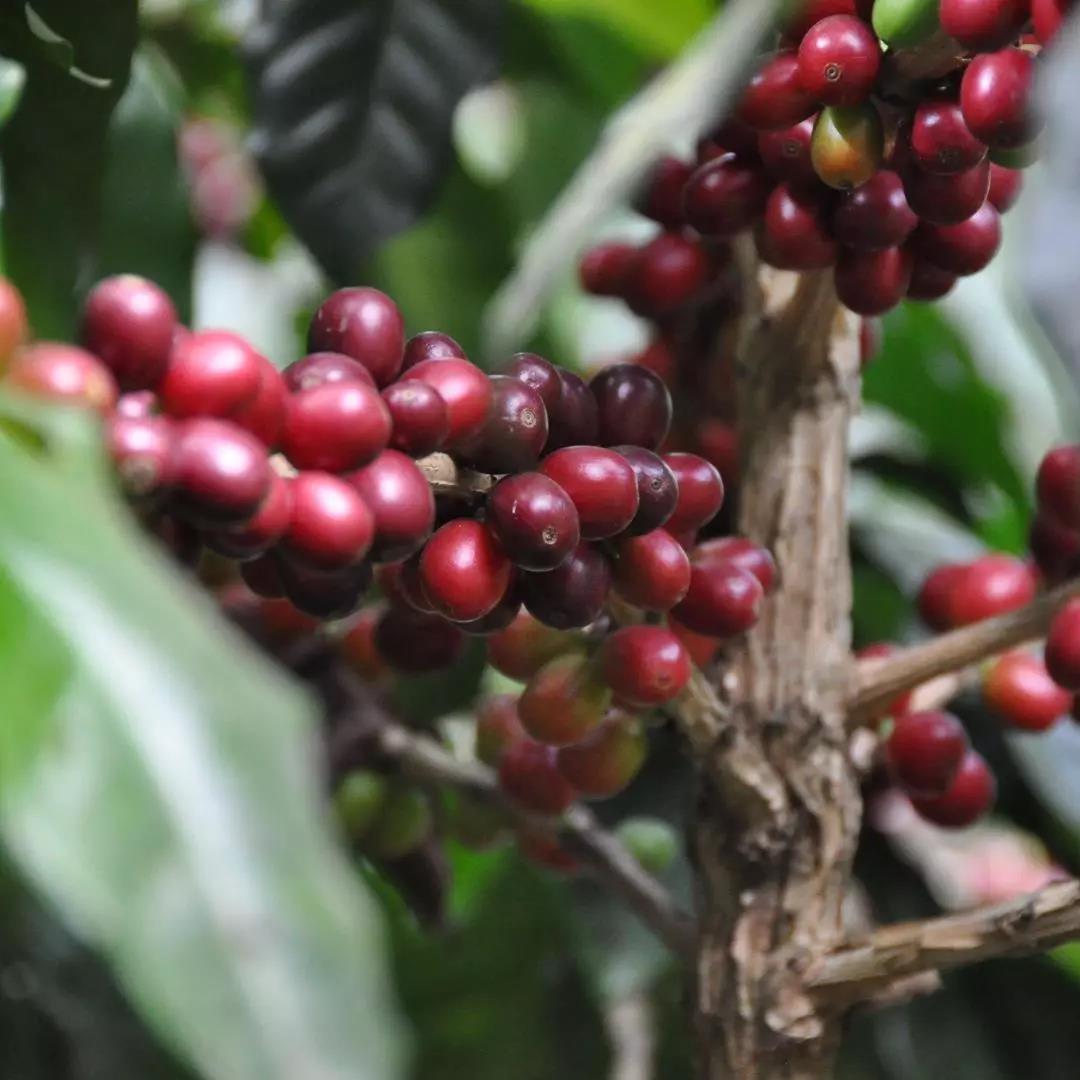
Besides the common American varieties — Caturra, Bourbon, Typica, Pacamara — Colombia grows three of its own disease-resistant varieties: Castillo, Tabi, and the Colombia variety, which shares the country's name. There are also rare treasures like Geisha, small-bean Mocca, Rume Sudan, Eugenioides, Laurina (Pointed Bourbon), and Maraguesa, a natural hybrid of Maragogipe and Geisha.
FrontStreet Coffee Recommendation
Colombian coffee covers the whole flavor spectrum — bright and fruity, rich and mellow, or perfumed and aromatic — which is why it works everywhere from espresso blends to single-origin pour-overs. The best place to start is FrontStreet Coffee's washed Huila: medium-dark roasted to bring out black chocolate and nutty sweetness with a moderate, silky body, it performs beautifully as pour-over or French press, and it pulls a lovely shot for moka pot or espresso machine, making Americanos and lattes with equal ease.
For a taste of Colombia's new-wave processing, try FrontStreet Coffee's Finca La Línea Sidra. Anaerobic fermentation — sometimes called carbonic maculation — ferments the coffee in pressurized stainless tanks with temperature, time, and pH carefully controlled in a low- or no-oxygen environment. The anaerobic natural version converts more of the fruit into tropical aromatics: medium-light roasted, it delivers passion fruit, grape, apricot, and dried-fruit complexity as pour-over, cold brew, drip bag, or moka pot.
And if you brew espresso at home, FrontStreet Coffee's premium espresso blend pairs Brazil's creamy nuttiness with Colombia's dark-chocolate bitterness, producing a fine golden crema and a rich, smooth latte. It is remarkably forgiving for beginners and serves as a dependable base for Americano, cappuccino, and mocha alike.
Important Notice :
FrontStreet Coffee is a long-established specialty coffee roaster in Guangzhou China, selling freshly roasted beans from its own farm in Yunnan as well as dozens of carefully selected single-origin beans from around the world for both pour-over and espresso. The products deliver consistently excellent quality and great value, with shipping within 24 hours. Guangzhou's FrontStreet Coffee shop is recommended by many coffee lovers, and the beans are now available online at the Tmall 。
FrontStreet Coffee has moved to a new address:
FrontStreet Coffee Address: 315,Donghua East Road,GuangZhou
Tel:020 38364473
 Scan and follow the En Gafei WeChat official account. Please indicate that the reprint comes from "En Gafei".