Guatemala | San Marco Estate ACUPDIC & APCASA Cooperative SHB Natural Process Coffee Beans
Guatemala | San Marco Estate ACUPDIC & APCASA Cooperative SHB Natural Bean Flavor?
San Marco is a city in Guatemala and the capital of San Marcos department. Founded in 1533, it covers 121 square kilometers. It lies in the country's southwest, 252 kilometers from Guatemala City, bordered by Mexico to the west and the Pacific to the south. The country's highest peak, Tajumulco Volcano, stands in this department at 2,398 meters.
The ACUPDIC and APCASA cooperatives — the Farmers' Alliance for Peace and Comprehensive Social Development Association (ACUPDIC) and the Santa Anita Coffee Producers Association (APCASA) — are both based in the San Marco region.
These two villages were founded after the Guatemalan civil war, when former guerrillas purchased coffee fields under the Peace Accords of the early 1990s. The villages are remote and hard to reach, so poverty and food insecurity remain common. Together the cooperatives have about 126 members — typically smallholders, each family farming an average of 5-10 acres — and every step of cultivation and processing is done by hand.
Volcanic Origins
In ancient times, violent volcanic activity built the mountainous terrain, highlands, and abundant water resources that make up today's Guatemalan coffee lands. Santa Maria Volcano sits in San Marco and produced the largest eruption of the 20th century in 1902 — the largest in Central America in a thousand years. Vast clouds of ash blocked the sun and dropped global temperatures by half a degree. Every coffee estate was buried, production fell by 75%, and recovery took twenty years — but the eruption also left behind rich volcanic ash soil.
Climate and Processing
Volcanic San Marco is the warmest and wettest of Guatemala's eight coffee regions, and the first to flower. The rainy season runs from late April to mid-November, with some areas receiving up to 200 inches of rain a year. Given that climate and its unpredictable rains, most estates run their own washing stations, semi-dry the coffee in courtyards, and finish with low-temperature drying.
Varieties and Flavor Profile
Varieties grown include Bourbon, Catuai, Caturra, and Catimor. The region shows subtle floral aromas, distinctive acidity, and noticeable body. San Marco is the hottest of the eight regions, with the highest rainfall reaching 200 inches (5,000 mm) and average humidity of 70-80%. Its rains arrive earlier than elsewhere, so its coffee flowers earliest. The northern part of the department is mountainous, crossed by the Sierra Madre and holding two of Central America's tallest volcanoes, which carve out microclimate zones.
The flavor profile brings sweet fermented wine aroma, deep dark chocolate, and peach-like sweetness. The coffee is hand-picked and naturally dried for 14 days before hulling, preserving the complete flavor of skin and pulp.
Coffee Specifications
Varieties: Catimor, Typica, Bourbon, Caturra, Catuai
Grade: SHB EP
Region: San Marco
Altitude: 1,600 m
Temperature: 21-27°C
Relative Humidity: 70-80%
Harvest Season: December - March
Soil: volcanic soil
Processing Method: natural
Characteristics: wine notes, peach, red berries
FrontStreet Coffee's Recommended Brewing:
Dripper: Hario V60
Water Temperature: 90°C
Grind Size: Fuji Royal grinder setting 3.5
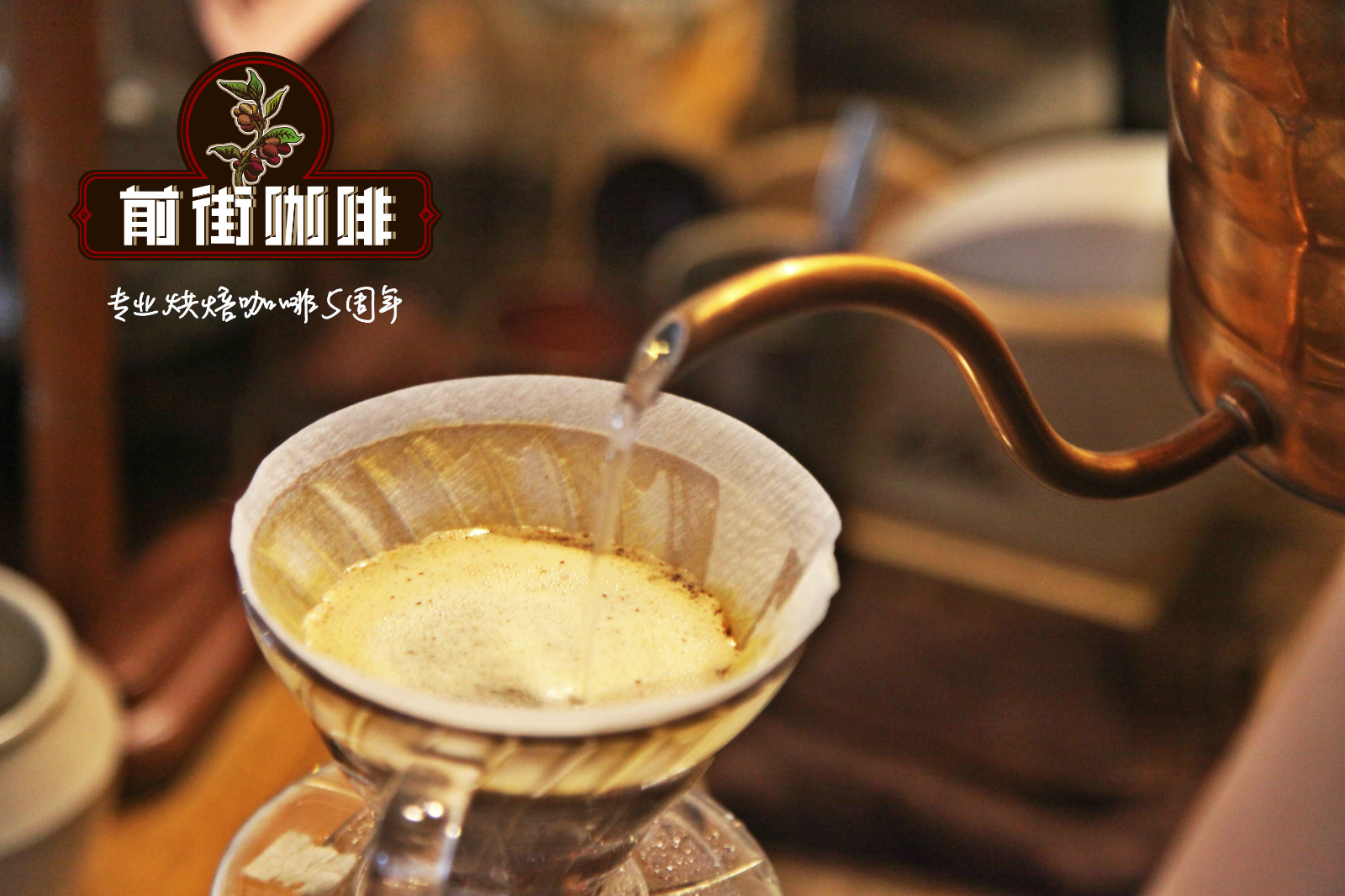
Brewing Method: 1:15 coffee-to-water ratio, 15g of coffee. First pour to 25g of water, bloom for 25 seconds. Second pour to 120g, pause. Once the water level drops to halfway, continue pouring slowly to 225g total. Extraction time around 2:00.
Analysis: the three-stage pour cleanly separates the coffee's front, middle, and back flavors. The V60's many ribs drain quickly, so the pauses help extend the extraction.
FrontStreet Coffee Recommendation
Natural processing is the oldest way to dry coffee — the whole cherry dries intact in the sun, so the bean absorbs the fruit's sugars and finishes with higher body and rich ripe-fruit character, exactly the wine, peach, and red-berry profile this San Marco lot shows. In FrontStreet Coffee's lineup, the Sun-Dried Red Cherry from Yirgacheffe is a benchmark natural: only fully ripe, all-red cherries are selected and dried on raised beds kept off the ground, turned regularly for even drying. Roasted medium-light, it layers elegant florals and bright acidity over pronounced tropical fruit, full fermentation depth, and generous sweetness.
Another favorite is the FrontStreet Huakui from Sidama's Hambella district, where whole cherries dry for 21 days on raised beds and are hand-sorted every three to five days; a medium-light roast reveals light fermented wine aroma, florals, citrus, and mango with honeyed sweetness and a thick, lasting finish. And for something entirely different, the Colombia Hjiao double anaerobic natural pushes fruit intensity furthest of all — passion fruit, apricot, dried fruit, grape, and an almond-like finish from its carbonic maceration before drying.
Important Notice :
FrontStreet Coffee is a long-established specialty coffee roaster in Guangzhou China, selling freshly roasted beans from its own farm in Yunnan as well as dozens of carefully selected single-origin beans from around the world for both pour-over and espresso. The products deliver consistently excellent quality and great value, with shipping within 24 hours. Guangzhou's FrontStreet Coffee shop is recommended by many coffee lovers, and the beans are now available online at the Tmall 。
FrontStreet Coffee has moved to a new address:
FrontStreet Coffee Address: 315,Donghua East Road,GuangZhou
Tel:020 38364473
 Scan and follow the En Gafei WeChat official account. Please indicate that the reprint comes from "En Gafei".