What is ECX? Introduction to Boji Washed Processing Station - Ethiopian Heirloom Coffee Flavors
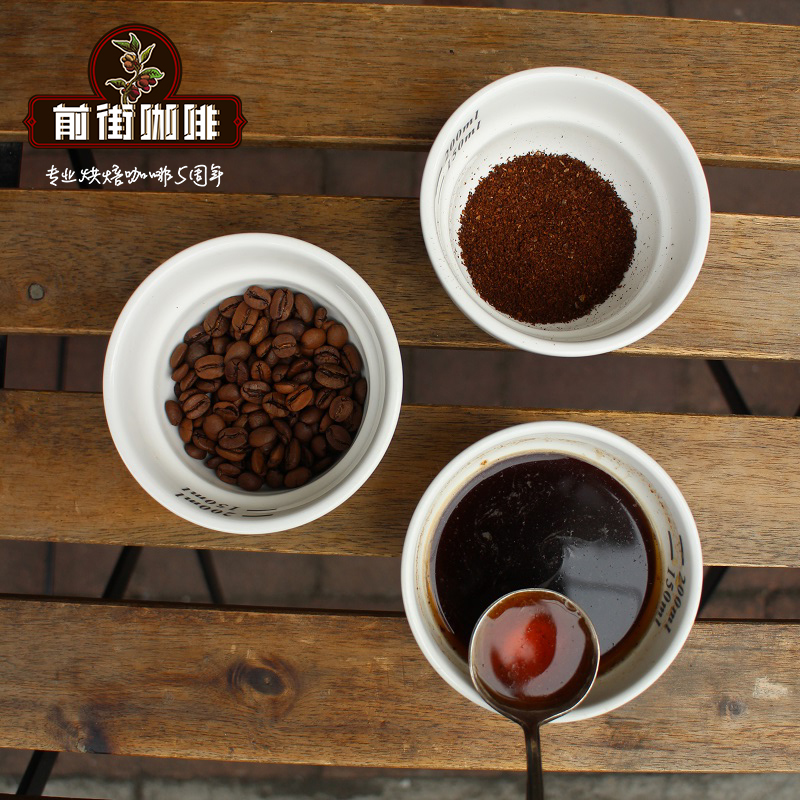
In addition to being the birthplace of coffee, Ethiopia offers incredibly diverse flavor profiles in its micro-regions. Coffee from the Kochere region exhibits rich fruity tea notes, accompanied by typical citrus and stone fruit characteristics. When combined with natural processing, which essentially allows the coffee to remain in contact with the fruit for longer periods, the result can be understood as fruit-forward: direct wine-like qualities, juiciness, and berry tea notes, alongside hibiscus lemonade on one side.
The coffee is harvested and delivered to the Boji washing station, where it is depulped within 12 hours and washed with spring water. For us, it clearly falls into the "berry bomb" category. It's juicy and sweet, while also being somewhat smooth and creamy.
Until recently, coffee grown by smallholder farmers and cooperatives in Ethiopia had to be sold through the ECX, where batches were classified by general region and quality (Grades 1-5), thereby escaping most traceability. In March 2017, Ethiopia's Prime Minister approved a reform allowing cooperatively-owned washing stations to export coffee directly, enabling the separation of premium coffee, improving prices for farmers, and enhancing recognition for Ethiopia's finest coffees. This enhanced traceability allows us to purchase directly from the same washing station year after year and opens potential for partnerships with individual farmers or small groups within the community.
Coffee Details
Farm: Various smallholder farmers delivering to Boji washing station
Region: Kore, Kochere, Yirgacheffe
Processing Method: Natural
Altitude: 1,795-1,900 meters above sea level
Variety: Local landraces
What is ECX?
Ethiopia's coffee export history dates back to the 19th century, when coffeehouses had already appeared in Yemen and the Middle East. In 1838, Ethiopia exported its first ten tons of coffee beans to London, Marseille, and New York through the Red Sea port of Massawa. As trade exports grew, Ethiopia's coffee industry welcomed a new landscape in the mid-20th century. The Ethiopian National Coffee Board was established in 1957. At that time, Ethiopia had overthrown the former emperor, real power fell to the military, land was redistributed, and land ownership and hired labor were prohibited, which had a tremendous impact on the coffee industry at that time. People even began returning to forests to harvest coffee.
Beginning in the 1980s, Ethiopia suffered successive famines and unrest until democracy and freedom arrived in the 1990s. However, facing large-scale, uncontrollable price fluctuations in the international market, competition among Ethiopian coffee farmers became increasingly fierce. Some large private coffee plantations had their own processing facilities and transportation, enabling them to produce and sell independently. But for small coffee farmers, the situation was miserable—without equipment or transportation, beans could only be piled together and sent to distant processing plants. Combined with long distances and variable weather, various reactions would occur during transport, quality would decline, and prices could only be sold low. Over time, many coffee farmers became "growing coffee just to survive."
Based on the above circumstances, ECX was born in 2008.
In the 2015/16 production season, Ethiopia produced a total of 6.7 million bags (60kg) of coffee, ranking third in Arabica production after Brazil and Colombia; of these, 3.7 million bags were for domestic consumption, with per capita annual coffee consumption of 2.27kg (source: ICO). Ethiopia's annual coffee exports account for 60% of the country's export earnings. Coffee was also the first trading item after ECX was established.
ECX was widely praised at its inception, with its founding purpose being to change the high transaction risks and costs in Ethiopia's agricultural product market by introducing modern trading rules and technologies such as pricing mechanisms, storage and logistics, and instant communication methods, building an effective, reliable, and transparent commodity market. It claimed to provide market access for more than 2.4 million smallholder farmers through rural cooperatives. From this perspective, ECX functions as a "distribution center," achieving the following:
Key Functions of ECX
1. Better price protection—it purchases coffee beans from farmers at stable and relatively favorable prices, then stockpiles them.
2. Coffee grading—premium quality commands higher prices.
3. Timely information—coffee farmers can immediately obtain trading prices, nearby processing stations, regional coffee warehouses, and other information by phone.
4. Establishment of warehouses & processing plants—as of 2012, Ethiopia had 56 warehouses distributed across 17 locations, with 9 locations having coffee warehouses, reducing transportation costs.
FrontStreet Coffee recommends brewing with 90-92°C water to reveal excellent floral notes, berry, strawberry jam, as well as apricot and tropical fruit flavors.
FrontStreet Coffee Recommendation
The Boji washing station sits squarely in Kochere, one of the Yirgacheffe sub-regions that has become famous for clean, floral, fruit-forward coffee. If those berry-and-floral notes are what draw you in, FrontStreet Coffee's washed Yirgacheffe is the classic place to begin—white jasmine florals, bright citrus and lemon acidity and a clean tea-like body, at a price that has made it the first specialty coffee for many drinkers.
For a more intensely fruit-driven cup in the same vein, FrontStreet Coffee's natural Red Cherry Yirgacheffe dries whole ripe red cherries on raised beds for three to five weeks, so it keeps Yirgacheffe's signature character while adding tropical fruit aromatics, a berry-juice quality, honey sweetness and a creamy mouthfeel. Brew both as pour-over, staying in that 90–92°C range, to keep the aromatics vivid and the acidity bright.
Important Notice :
FrontStreet Coffee is a long-established specialty coffee roaster in Guangzhou China, selling freshly roasted beans from its own farm in Yunnan as well as dozens of carefully selected single-origin beans from around the world for both pour-over and espresso. The products deliver consistently excellent quality and great value, with shipping within 24 hours. Guangzhou's FrontStreet Coffee shop is recommended by many coffee lovers, and the beans are now available online at the Tmall 。
FrontStreet Coffee has moved to a new address:
FrontStreet Coffee Address: 315,Donghua East Road,GuangZhou
Tel:020 38364473
 Scan and follow the En Gafei WeChat official account. Please indicate that the reprint comes from "En Gafei".