What is the Sol de la Mañana Program? Caravani Region Introduction Bolivia COE Program
A not-so-wealthy country, a not-so-famous coffee-producing nation, and an extremely difficult path. Yet the coffee farmers, driven by conviction, have never given up. What FrontStreet Coffee wants to share today is the story of a small coffee-producing country whose perseverance in coffee is truly admirable. That country is Bolivia.
The Geography and History of Bolivian Coffee
Bolivia is one of the poorest countries in Latin America and is landlocked, bordering Brazil and Colombia. Although it has great potential for coffee exports, its production has always been quite scarce. The conditions for growing coffee are excellent, but the challenges are daunting, giving the country an extraordinarily rich agricultural history built on very difficult land.
Coffee cultivation can be traced back to 1880, when production was basically tied to the owners of large farms north of La Paz. In 1991 the government promoted a plan for indigenous people to invest in coffee cultivation, but quality was not emphasized. The reason lay in Bolivia's lagging economic development and infrastructure; it remains the poorest country in South America. Its naturally diverse terrain, combined with poor infrastructure, has become a key factor that harms coffee processing, transportation, and quality.
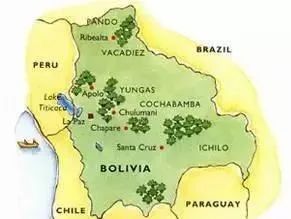
Bolivia sits in the western center of South America and covers 1,098,581 square kilometers, about three times the size of Montana. Two ranges of the Andes cross western Bolivia and form the country's three major geographic regions: the western mountain highlands and plateau, the subtropical Yungas and temperate valleys on the eastern slopes, and the tropical lowlands stretching across the north. The eastern region is known as the Oriente.
Bolivian coffee is concentrated in the rural areas of the Yungas, which hold about 95% of cultivation. Other developing regions include Santa Cruz, Beni, Cochabamba, Tarija, and Pando. Although commercial farms and estates exist, government land reforms expropriated most large holdings and redistributed them to rural families. These small plots range from 1-8 hectares and produce 85-95% of Bolivian coffee, most of it Arabica grown organically.
The Tomorrow's Sun Program
Bolivia's "Tomorrow's Sun Program" is a comprehensive plan to elevate Bolivian coffee. It invests significant money and effort to guide small farmers, including technical support and training in breeding, pruning, and harvesting. It also buys smallholders' coffee at high prices, ensuring that farmers' income matches coffee quality and creating a positive cycle.
Challenges Faced by Bolivian Coffee
First: competition with coca leaves and a lack of support from the government or national agricultural institutions.
The government encourages coca leaf cultivation, which is easier to harvest, yields year-round, and gives farmers higher profits. But coca requires extensive chemical pesticides and fertilizers, which cause extreme damage to the soil. After several years of coca, the soil becomes barren and unable to grow any crop.
Second: leaf rust disease.
In 2013 leaf rust ran rampant (a type of mold that attacks coffee leaves and prevents the trees from photosynthesizing).
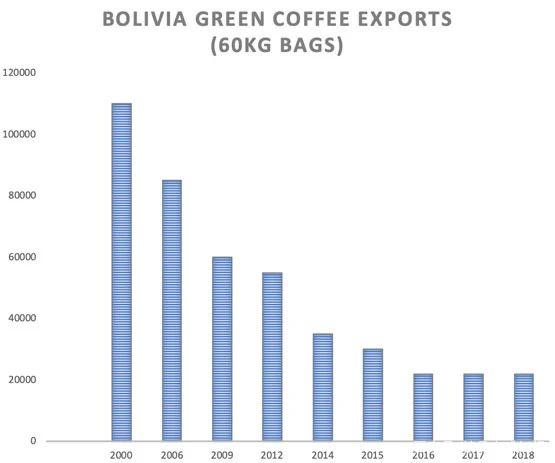
In that single year Bolivia lost nearly 50% of its coffee production.
Combined, these factors reduced Bolivia's coffee production by 70% over the past decade, relegating it to a minor coffee-producing country.
To keep these wonderful flavors from disappearing, the Rodriguez family, one of the main forces in Bolivian specialty coffee, began helping farmers improve quality and thereby increase profits. That gave birth to the "Tomorrow's Sun" program.
They provide comprehensive technical guidance in variety selection, cultivation, and harvesting, and have established large processing plants to help smallholders finish processing. They also handle sales and export, greatly raising small farmers' enthusiasm and income. Through these practical actions they have protected Bolivia's rapidly declining specialty coffee industry.
The Rodriguez Family and Bolivian Coffee Excellence
Bolivia's most famous producing region is Caranavi, best known for the Yungas Road, nicknamed the "Road of Death" as the world's most dangerous road. In 1995 it was named "the world's most dangerous road" by the Inter-American Development Bank.
For the past thirty years, Pedro Rodriguez has been dedicated to bringing Bolivian coffee to the world. Although Bolivia has ideal conditions for specialty coffee, years of agricultural challenges and failures had led many farmers to believe that prosperity was out of reach. To confront these difficulties head-on, Pedro bought his own land, sent his children to agricultural school, and established educational and demonstration coffee plantations. In 2014 he launched the "Tomorrow's Sun Program," which aims to teach growers to produce high-quality Bolivian coffee under responsible attitudes and economically sustainable conditions.
Bolivia has all the ingredients to become a high-quality coffee producer: altitude, fertile soil, and consistent rainy seasons. But rugged terrain and a lack of infrastructure and technology make post-harvest quality control a challenge. Funding from development agencies is working to establish processing facilities in rural areas so farmers can access the resources that help ensure quality beans and add value to their product. To date, more than 50 small coffee farmers have joined the "Tomorrow's Sun Program."
Compared with other Latin American countries such as Brazil, Colombia, Costa Rica, and Guatemala, Bolivia produces very little coffee. The specialty sector began to develop in the 1990s and 2000s, when foreign-aid development projects built coffee washing stations and trained farmers to harvest and dry properly, select only good beans, prevent fermentation, and maintain quality. The highlight was the Cup of Excellence (COE) competition held in Bolivia from 2004 to 2009. This famous program trained farmers in quality control and invited international judges to select the best Bolivian beans. Jorge Valverde was the coordinator of the Bolivia COE program from 2007 to 2009.
Unfortunately, the Bolivia COE program was canceled after the 2009 competition, because the Bolivian government was strongly anti-American and did not want USAID to fund further development programs in the country, and there were no other funding sources for the COE program.
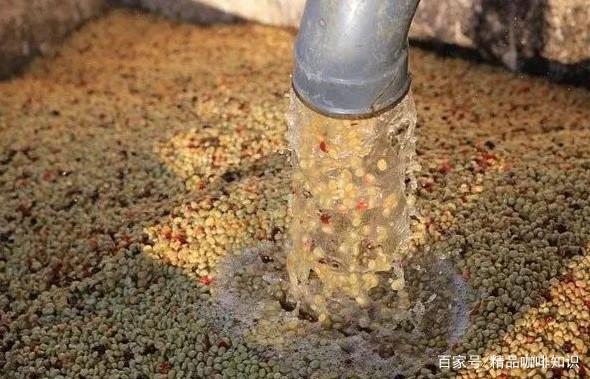
Coffee Processing Methods
Washed Processing Method
Coffee cherries are rinsed with clean water and unripe fruit floating on the surface is removed. Most of the pulp is separated from the beans in a depulper, and the parchment beans are guided into a clean water tank. After about 16-36 hours of natural fermentation, the surface mucilage dissolves and the beans are washed. They are then sun-dried for 1-3 weeks until moisture drops to 12%, after which a huller removes the outer shell.
FrontStreet Coffee Tomorrow's Sun Program Example
Country: Bolivia
Estate Owner: Julio Gonzales
Variety: Caturra
Altitude: 1600-1900 meters
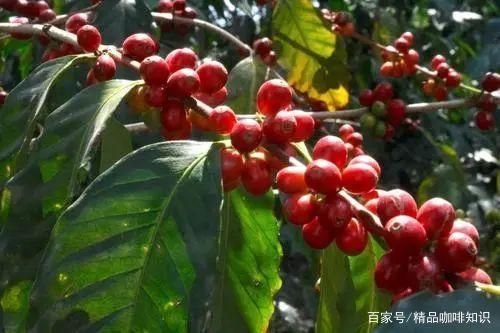
Caturra Variety
Caturra is a natural variant of Bourbon, discovered in Brazil in 1937. Its tree is more compact than Bourbon. Caturra suits cultivation at altitudes of 700-1750 meters, with better flavor at higher elevations. In the cup it often has refreshing fruit acidity and a light sweetness.
FrontStreet Coffee Brewing Parameters
Dripper: V60
Dose: 15 grams
Ratio: 1:15
Water Temperature: 90°C
Grind Size: BG#6S
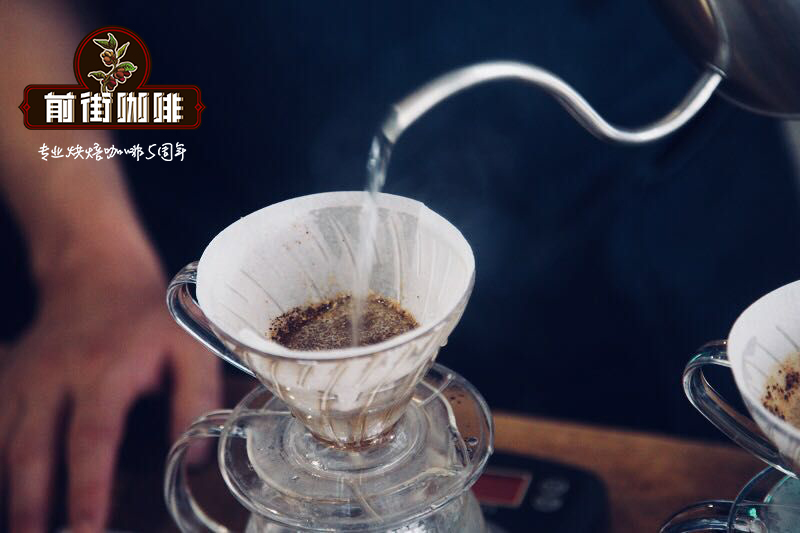
FrontStreet Coffee Brewing Technique
After a 30-second bloom with 30g of water, pour in a circular motion to 125g. Wait until the water level drops by half, then continue pouring to 225g. Total extraction time: 2 minutes.
FrontStreet Coffee Flavor Description
Citrus acidity, berries, strawberry, cocoa aftertaste.
FrontStreet Coffee Recommendation
Like Bolivia, Brazil is a source of balanced, approachable coffee, and FrontStreet's Brazil line is a good way to compare the two. Our Brazil Cerrado is a classic single origin from a well-known high-quality region, and this red Bourbon lot shows creamy peanut, toast, caramel, and hazelnut at a medium roast, round and smooth with a faint bitter note. It suits pour-over as well as moka pot, espresso SOE, siphon, and French press.
For a rarer find, our Brazil Queen Estate comes from Mogiana, where fertile red volcanic soil nurtures full aroma, and it is planted with the uncommon Yellow Bourbon, a mutation of Red Bourbon with a cleaner fruit character. Through pour-over, moka pot, or home espresso, it delivers a sugarcane sweetness that other regions rarely show, along with fruit and chocolate.
Low acidity, balance, and a friendly price also make Brazilian coffee a favorite base for espresso recipes, which is why it appears inside many of our blends, adding chocolate and creamy aroma and a soft sweet-sour-bitter balance that helps keep extraction stable.
Important Notice :
FrontStreet Coffee is a long-established specialty coffee roaster in Guangzhou China, selling freshly roasted beans from its own farm in Yunnan as well as dozens of carefully selected single-origin beans from around the world for both pour-over and espresso. The products deliver consistently excellent quality and great value, with shipping within 24 hours. Guangzhou's FrontStreet Coffee shop is recommended by many coffee lovers, and the beans are now available online at the Tmall 。
FrontStreet Coffee has moved to a new address:
FrontStreet Coffee Address: 315,Donghua East Road,GuangZhou
Tel:020 38364473
 Scan and follow the En Gafei WeChat official account. Please indicate that the reprint comes from "En Gafei".