Mokha San'ani Region Introduction: How Should You Drink Yemeni Coffee?
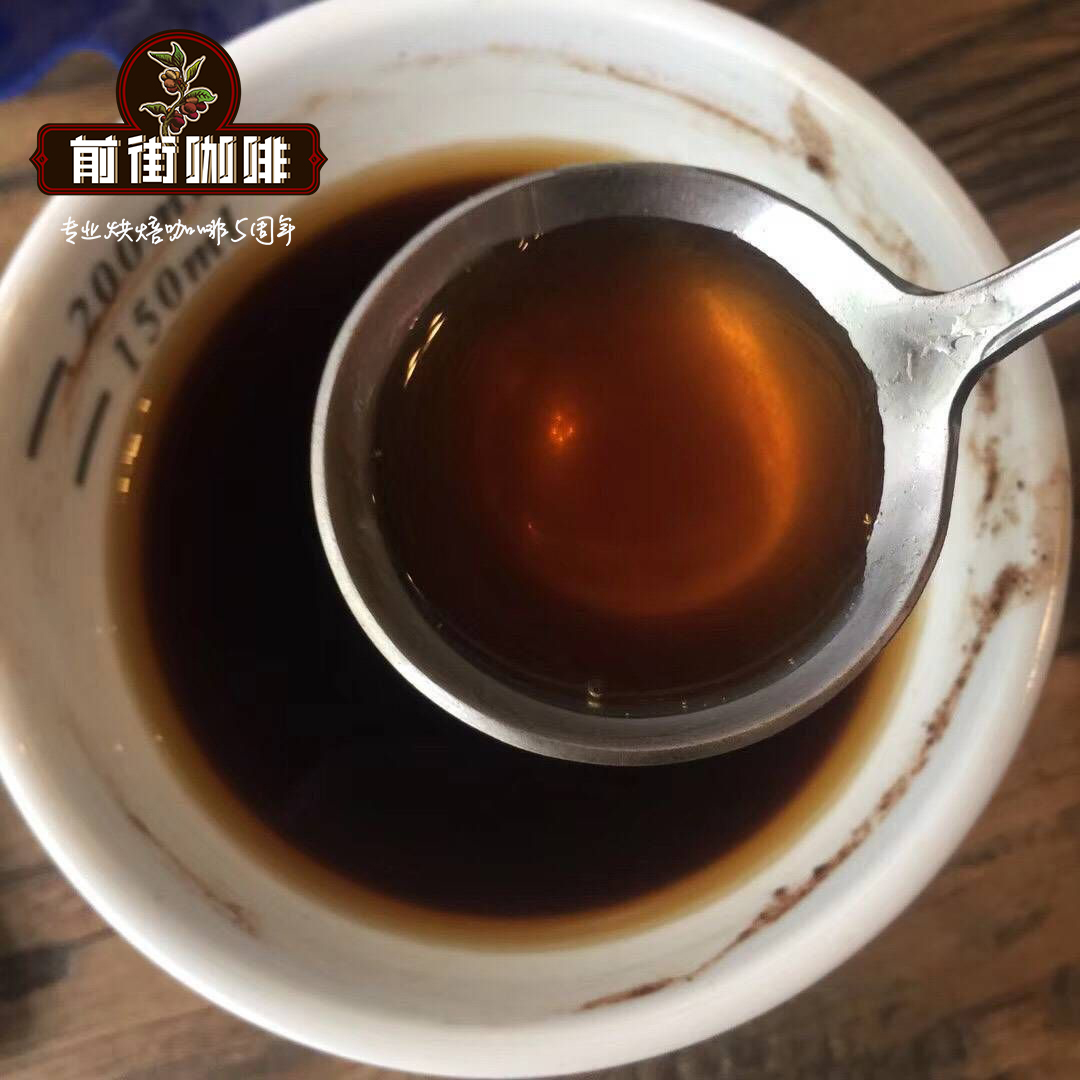
Mention Yemeni coffee and one immediately thinks of wonderfully rich, satisfying natural-processed beans, with wild fermented-tea aromas layered into the aftertaste, as mysterious and elusive as Yemen itself, and endlessly captivating.
Yemen Coffee Origins
Yemen lies in Asia, facing Ethiopia across the Red Sea. It is the highest-quality natural sun-dried coffee-producing country. Coffee produced in Yemen is called Mocha. In fact, Mocha is a coffee export port. Early natural-processed beans from nearby East Africa were shipped worldwide through the port of Mocha, so naturally processed beans from the region, including Yemen and East Africa's Ethiopia, came to be called Mocha beans collectively.
Natural Processing Method
Yemen coffee's natural processing involves hand-picking fully ripe cherries and laying the freshly harvested fruit directly on dedicated drying grounds or compacted earth courtyards to dry in the sun. During drying, much like drying rice, wooden rakes are used to turn the beans so each one dries evenly. After about twenty days, the dried outer pulp and skin are removed to extract the coffee. Yemen coffee is characterized by rich, complex, wild, mellow, and strong fermentation flavors with low acidity. It also often carries an uncertain factor, the timing of seasonal rainfall, that makes it unpredictable, which is why it is no exaggeration to call it the world's most unusual coffee.
Agricultural Challenges
Yemen is one of the driest countries in the world. Economically, it currently depends on oil exports for three-quarters of its income, but the World Bank predicts that its reserves will be depleted around 2017. This once self-sufficient agricultural nation now imports 80% of its crops, for reasons that include population growth and water scarcity tied to the over-cultivation of Qat (also known as Arabian tea), a crop with as long a history as coffee.
Qat is a common social drug among residents of the Arabian Peninsula. Yemenis like to prepare rooms at home to entertain guests while chewing Qat and chatting with friends. It contains the stimulant cathinone, which has effects similar to a light amphetamine, providing mental stimulation and alertness, though users feel depressed when it wears off. Although the World Health Organization (WHO) has not classified it as a drug, many Western countries have banned its import.
Yemen has also been troubled by drought since ancient times. Its major cities rely on underground water sources, with agriculture accounting for 90% of water consumption, and Qat cultivation alone uses significant water. Authorities estimate that underground water reserves in the capital, Sana'a, will be depleted by 2017. Most Yemeni cities are built on high mountains, with residents relying on water from government or private wells. The country has between 40,000 and 70,000 wells, some reaching 600 meters underground. Pumping water uphill is expensive, and the government spends up to $7 billion annually on drilling and pumping. In recent years local authorities have therefore moved to ban Qat, which both wastes water and cannot satisfy hunger, replacing it with other crops. Coinciding with the rise of specialty coffee, the Yemeni government now actively encourages farmers to switch to coffee, which consumes half the water that Qat does.
Mokha San'ani Varietal
Mokha San'ani: a broad market name for coffee from several growing areas west of Yemen's capital, Sana'a. It is a blend from tens of thousands of small farms on the slopes near Sana'a, grown at a slightly lower altitude than Mattari. Its body is generally thinner than Mattari, with lower acidity but good fruit aroma, often showing riper fruit and wilder flavors than Mattari. Altitude is approximately 1650 meters.
The beans are inconsistent in size with significant color variation, appearing to consist of small pea-sized beans and empty defective beans. The raw beans carry a fermented wine aroma. Unlike Ethiopian red cherry coffee's prominent strawberry-sandwich-cookie aroma, the low-key, steady, and deep fermented-wine aftertaste is unmatched by natural-processed beans from other countries.
Brewing Recommendations
FrontStreet Coffee recommends 15g of coffee, BG 5R grind size (Chinese #20 sieve), a V60 dripper, and a water temperature of 89-90°C. First pour 25g of water for a 30s pre-infusion, then pour to 125g and stop. Wait until the water level in the coffee bed drops to half before continuing to pour. Slowly pour until reaching 225g, discarding the final 5g. The water-to-coffee ratio is 1:15, with an extraction time of approximately 2:00 counting from the completion of pre-infusion.
Flavor Profile
Yemen coffee flavors: balanced taste, dark chocolate, nuts, red berries, complex wild flavors, and a persistent caramel sweetness in the aftertaste.
FrontStreet Coffee is a roastery in Guangzhou with a small shop but a diverse range of beans, where you can find both famous and lesser-known coffees, and it also offers online shop services.
FrontStreet Coffee Recommendation
The wild, fermented character of Yemeni coffee has close cousins across the Red Sea, and FrontStreet's Ethiopian single origins are the natural next stop. The washed Yirgacheffe is the classic introduction, with clear jasmine florals and a bright citrus acidity, light and elegant with a tea-like body that drinks like a clean glass of lemon tea; Yirgacheffe is a cool, misty town in southern Ethiopia where thousands of coffee trees have shaped that interwoven floral and fruit character.
If you want the wildness turned up, the FrontStreet Huakui comes from the Hambella area of Guji in Sidama, on a 200-hectare farm using traditional natural processing. Cherries dry on raised beds for 21 days with regular turning and hand-sorting every three to five days. After a light-to-medium roast the cup shows soft fermented wine, florals, citrus, and mango, with honey sweetness, a cocoa note, a touch of spice, a full body, and a lasting finish, closer to the Yemeni style than most washed coffees.
For a slightly lighter, more floral Ethiopian option, the FrontStreet Kafa Forest coffee is grown at 1,400-2,100 meters under shade, a wild, microclimate-driven, red-soil environment with abundant rainfall. Light-to-medium roasted, it shows clear white florals on the nose, a bright lemon acidity on entry, sweet orange and bergamot, and a finish of melon and nut with a green-tea-like body.
Important Notice :
FrontStreet Coffee is a long-established specialty coffee roaster in Guangzhou China, selling freshly roasted beans from its own farm in Yunnan as well as dozens of carefully selected single-origin beans from around the world for both pour-over and espresso. The products deliver consistently excellent quality and great value, with shipping within 24 hours. Guangzhou's FrontStreet Coffee shop is recommended by many coffee lovers, and the beans are now available online at the Tmall 。
FrontStreet Coffee has moved to a new address:
FrontStreet Coffee Address: 315,Donghua East Road,GuangZhou
Tel:020 38364473
 Scan and follow the En Gafei WeChat official account. Please indicate that the reprint comes from "En Gafei".