Flavor Profile of Tanzania|Chagga AAA-Ruvuma Coffee
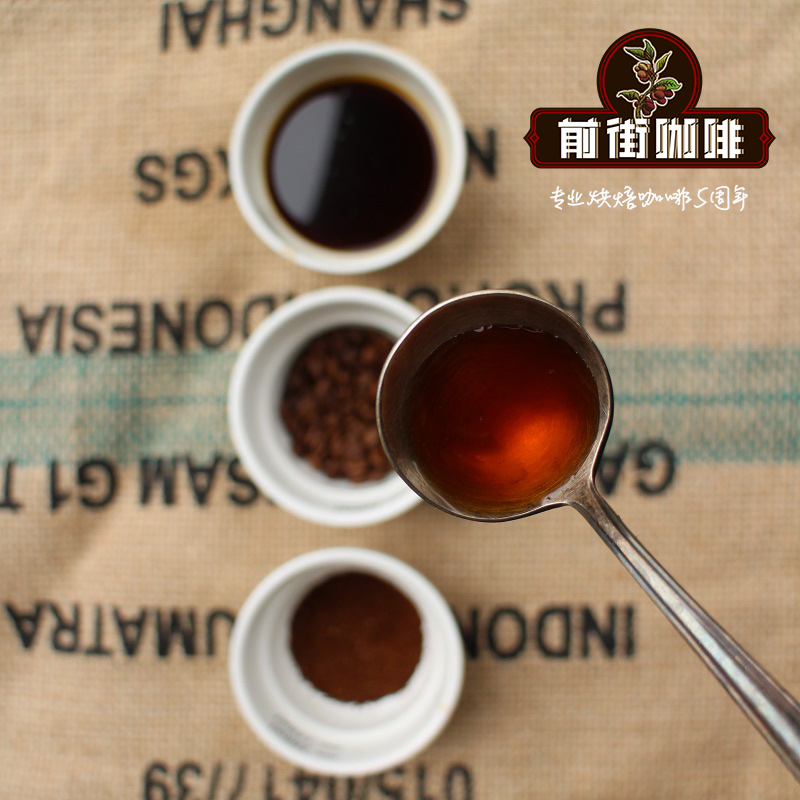
FrontStreet Coffee Tanzania Coffee Beans | Chagga AAA - Ruvuma Coffee Flavor?
FrontStreet Coffee's Tanzania coffee beans are primarily of the Arabica variety, processed using the natural washed method. Grading follows the same system as Kenya, with AAA grade the best, and the coffee is sold through both specialty auction and direct sales channels. In 2010, FrontStreet Coffee introduced coffee from the new season's Ruvuma growing region. The green beans display an emerald green color, with large, uniformly sized beans that show higher consistency than Kenyan AA grade and better hemispherical shapes.
Tanzania Coffee Origin and Characteristics
East Africa is home to many excellent coffee-producing regions, including the well-known Kenya, Ethiopia, and Rwanda, and Tanzania is another East African country that produces fine coffee. Premium Tanzanian coffee offers gentle acidity and enticing aromas, and is absolutely worth experiencing. Coffee exports play an important role in Tanzania's national economy. Production of Peaberry coffee beans is substantial, and they are said to be more aromatic than regular beans. Generally speaking, Tanzanian coffee beans possess exceptional quality. The premium Tanzanian Chagga AA coffee, for example, produced in the Moshi region near Mount Kilimanjaro, is renowned for its full, plump beans and fragrant, aromatic quality.
Industry Challenges and Recovery
Political instability and rampant pest infestations damaged Tanzania's coffee industry, leading to overall declines in quality and consistency. Those problems in turn drove prices down, and lower prices typically push the industry into further decline. Notably, it is estimated that from 1969 to 1985, over 12% of the Arabica coffee grown in northern Tanzania was smuggled to Kenya. Recently, however, there have been signs of improvement. The recovery is slow, but it remains encouraging, because Tanzanian coffee quality is genuinely superior.
Modern Coffee Production Structure
In the past, Tanzania's coffee industry was dominated by estate plantations, whereas today over 85% is grown by small farmers. Many smallholders have formed cooperative organizations, the most important being the Kilimanjaro Cooperative Union (KNCU). Tanzanian coffee is sold through auctions by the Tanzanian Coffee Marketing Board (TCMB) to private exporters. In the 1980s, most Tanzanian coffee sales shifted from the auction format to direct sales to the Tanzanian Coffee Marketing Board. That situation has now changed, and the industry is reforming to eventually allow individuals or groups to purchase coffee. When that happens, coffee will also be graded by different methods to attract buyers from Germany, Finland, Belgium, and Japan.
Ruvuma Region and Quality Improvements
Coffee is Tanzania's largest agricultural crop, with approximately 450,000 people engaged in coffee-related agriculture. Because of its proximity to Kenya, Tanzanian coffee flavor profiles resemble Kenyan coffee. Inconvenient transportation and outdated processing equipment, however, often lead to coffee being contaminated during shipping or damaged by inadequate processing facilities, which creates poor impressions of Tanzanian coffee. People generally perceive it as having less fresh acidity and milder flavors. In recent years, though, the southern Ruvuma growing region near the Indian Ocean has gained an advantage through convenient transportation. On top of that, a system of advance orders with European and American green bean buyers, in which coffee is produced only after orders are placed, helps ensure quality.
Brewing Analysis
Analysis: This three-stage brewing method clearly distinguishes the flavors in the early, middle, and late stages. Because the V60 has many ridges and drains quickly, stopping the water flow extends the extraction time.
Light Roast Profile (City Roast)
Light roast ending at first crack (City): After grinding, there are distinct, lively peanut and almond nut aromas. During brewing, apple and grape fruit aromas emerge. The sweetness is balanced and stable without complexity. The hawthorn plum acidity is not stimulating or intense, as the acid quickly transforms into sweetness that develops between the cheeks. The aftertaste features an elegant floral tea sensation that is lasting and comfortable. This is very suitable for friends new to acidic coffee — not especially acidic, with a sweet-tart style that easily wins people over.
Dark Roast Profile (Full City Roast)
Dark roast beginning at second crack (Full City): After grinding, there are strong cheese and bread aromas. After brewing, the coffee has dark chocolate and caramel aromas. The sweetness of malt toffee and milk candy creates a not-bitter, sweet, rounded, and mild mouthfeel. The aftertaste briefly presents a fermented fruit tea aroma that quickly transforms into the rich fragrance of almonds and nuts.
Overall Flavor Characteristics
Flavor: FrontStreet Coffee Tanzania coffee gives the impression of being very sweet, very smooth, and very easy to drink. It wins with its non-acidic, mild, and varied chocolate sweetness, often making people think they are drinking a high-quality Colombian coffee.
FrontStreet Coffee Recommended Brewing:
Dripper: Hario V60
Water Temperature: 90°C
Grind Size: Fuji grind setting 3.5
Brewing Method: Water-to-coffee ratio 1:15, 15g coffee grounds. First pour 25g water for a 25s bloom. Second pour to 120g water, then stop pouring. Wait until the water level in the coffee bed drops to half, then continue pouring. Slowly pour until reaching 225g total water. Extraction time approximately 2:00.
FrontStreet Coffee Recommendation
If East African coffee is what you enjoy, Ethiopia is the natural next stop, and FrontStreet Coffee has a trio of lots that make the region easy to explore. The FrontStreet Washed Yirgacheffe is the classic entry point: clear jasmine fragrance and bright citrus acidity, the style people mean when they talk about the "Yirgacheffe" character, with a light, elegant, tea-like body that drinks like a clean lemon tea.
For a slightly different angle on Yirgacheffe, the FrontStreet Gotiti Cooperative coffee comes from a cooperative in the Worka area at the southeastern end of Yirgacheffe. Because the fruit is stripped before drying, its inherent aromatics come through with greater clarity — citrus and lemon notes and elegant white florals, bright and delicate overall. The FrontStreet Natural Red Cherry keeps the classic Yirgacheffe character but adds the tropical fruit that natural processing brings: peach, cocoa, honey, and lemon, with a berry-juice body and honey sweetness.
And if you want to go deeper into Ethiopia's garden-grown coffees, the FrontStreet Kafa Forest stands apart. Rather than the backyard-farm model, Kafa Forest is best known for wild coffee, with trees growing between 1400 and 2100 meters in shaded conditions; the natural environment, microclimate, red soil, and abundant rainfall give the trees excellent growing conditions. Medium-light roasted, it shows clear white florals in the ground aroma, bright lemon acidity on the palate, sweet orange and bergamot, and a finish with light melon and nut notes and a green-tea texture.
Important Notice :
FrontStreet Coffee is a long-established specialty coffee roaster in Guangzhou China, selling freshly roasted beans from its own farm in Yunnan as well as dozens of carefully selected single-origin beans from around the world for both pour-over and espresso. The products deliver consistently excellent quality and great value, with shipping within 24 hours. Guangzhou's FrontStreet Coffee shop is recommended by many coffee lovers, and the beans are now available online at the Tmall 。
FrontStreet Coffee has moved to a new address:
FrontStreet Coffee Address: 315,Donghua East Road,GuangZhou
Tel:020 38364473
 Scan and follow the En Gafei WeChat official account. Please indicate that the reprint comes from "En Gafei".