Jamaica Blue Mountain Coffee | R.S.W Blue Mountain Peaberry Roasting and Flavor | How to Brew Blue Mountain Coffee
Professional Coffee Knowledge Exchange · For more coffee bean information, please follow Coffee Workshop (WeChat public account: cafe_style)
FrontStreet Coffee Recommends Blue Mountain 2018 — FrontStreet Coffee Jamaica Blue Mountain No.1 Clifton Estate
FrontStreet Coffee · Jamaica Blue Mountain R.S.W Blue Mountain Peaberry
Country: Jamaica
Region: Blue Mountain RSW Estate Group
Label: RSW estate 100% Jamaica Blue Mountain
Variety: Jamaica Blue Mountain
Grade: Peaberry
Processing: Washed and then sun-dried

The highest peak of Blue Mountain reaches 2256 meters, making it the highest peak in the Caribbean region and a famous tourist destination. Located in the coffee belt, it features fertile volcanic soil, fresh and unpolluted air, and a humid climate with year-round fog and rain (average precipitation of 1980mm and temperature around 27°C). Such climate and ultra-high altitude have created the world-renowned Jamaica Blue Mountain coffee.
About Peaberry
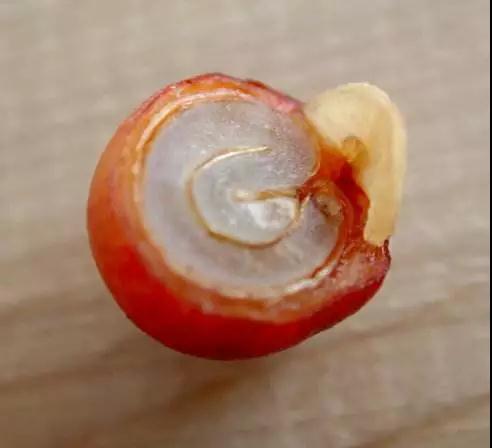
Typically, flat beans are what we commonly see, where two beans are nestled together inside the coffee cherry. After removing the skin, the two beans can be separated, with each one becoming a coffee bean. Because the side that was touching is flat, they are called flat beans. Some beans, however, develop with only one mature bean for unknown reasons (some say pest damage, others suggest genetic mutation), resulting in an oval-shaped bean while the other remains underdeveloped. These are called peaberries. Peaberry production is scarce, commonly found on the branches of young coffee trees, accounting for 5-10% of the total tree yield.
Peaberry Grading
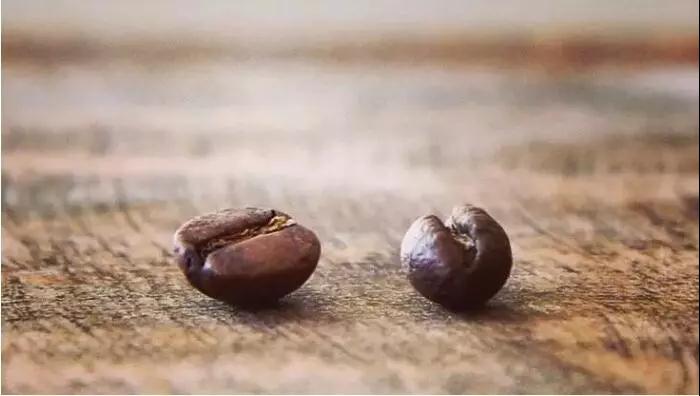
Peaberries are typically classified as a separate grade, which we refer to as PB. Peaberries are generally smaller in size than flat beans. For peaberry grading, there is a set of sieve size standards, typically using sieves numbered 8-12 for classification. Because of the lower production volume of peaberries and the additional labor required for selection during screening, labor costs increase, making peaberries relatively more expensive. Is it the price factor and psychological factors that lead people to give peaberries higher ratings? Let's continue exploring.
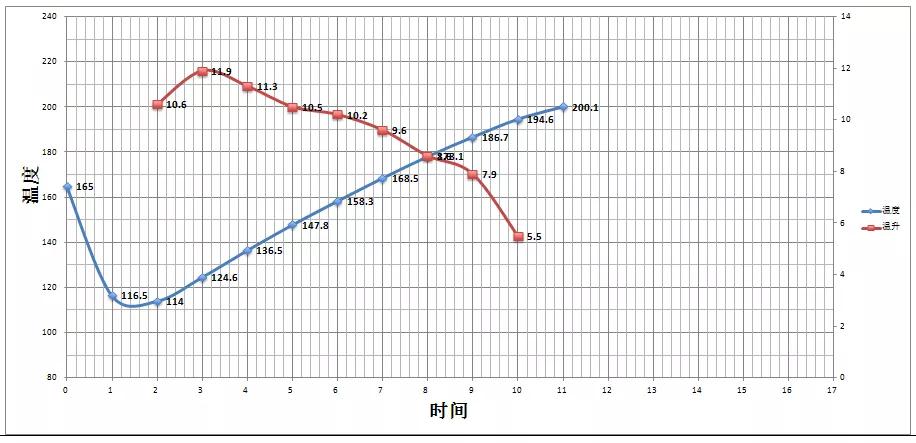
Roast Level: Medium-dark, removed at the end of first crack and before second crack. Peaberries are somewhat easier to roast than flat beans because they roll more easily in the roasting drum, resulting in more even heat distribution. Peaberries are also relatively smaller in size, allowing heat to penetrate more easily, making temperature control smoother compared with flat beans. FrontStreet Coffee's Jamaica Blue Mountain Typica beans are not too hard in texture, with medium density, making them relatively easy to roast and heat evenly.
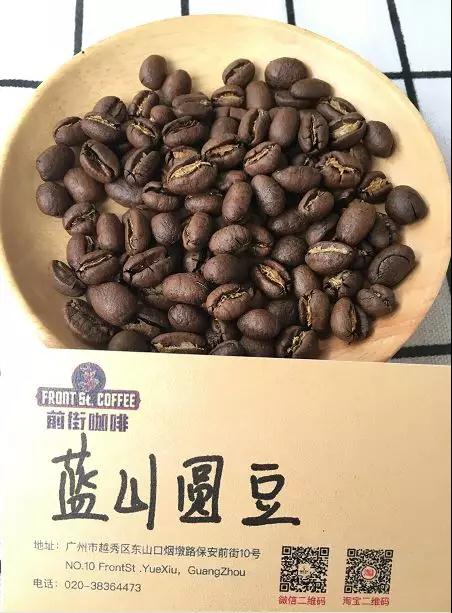
Dry Fragrance: Chocolate, drupes, sugarcane sweetness, coffee flowers, cedar
Wet Aroma: Honey, nuts, chocolate, sweet potato, subtle fruit notes in the finish
Body: Refreshing, clean
Acidity: Green plum
Sweetness: Licorice, ripe fruit aroma
Regional Distinction: Floral notes, ginseng
Aftertaste: Rising floral notes
Tasting Profile:
Acidity: ●○○○○
Sweetness: ●●●●○
Body: ●●●●●
Aroma: ●●●●○
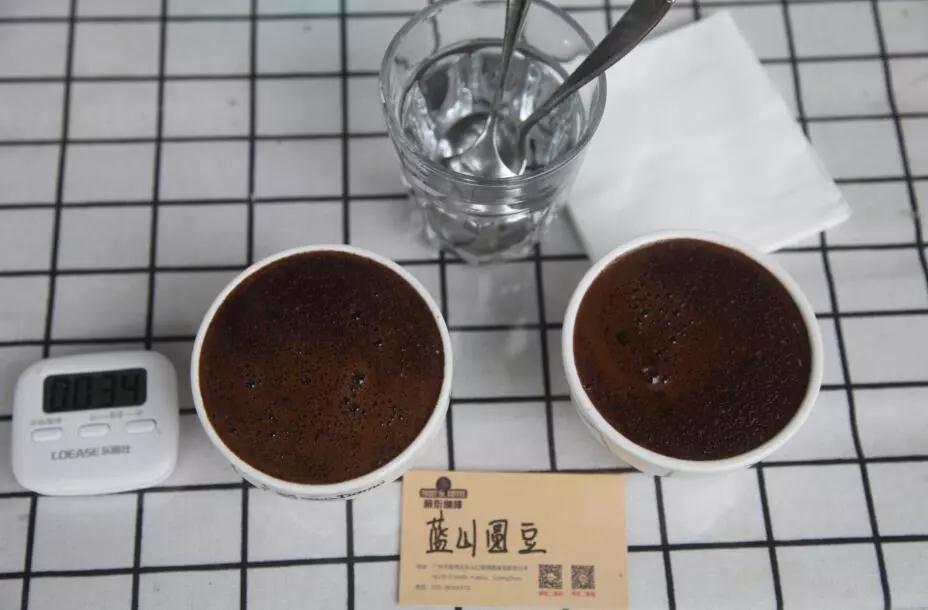
During cupping, FrontStreet Coffee's Jamaica R.S.W Estate Blue Mountain Peaberry exhibits strong sweet floral notes and a persistent aftertaste. When the coffee beans are mature, the bag opens with a floral aroma. In the dry fragrance, the freshly ground coffee beans release an overwhelming sweetness—truly wonderful. The wet aroma presents more balanced flavors, yet remains full of character. When sipping the coffee liquid, it reveals full-bodied flavors within a refreshing context, with both acidity and sweetness being delicate. Finally, the floral aftertaste lingers in the mouth for an extended time. At this point, the sweet aftertaste gradually emerges from the throat, wave after wave. The unique characteristic of R.S.W Estate Blue Mountain Peaberry lies in its delicate texture and sweet floral notes. Overall, it presents only "gentleness" without an intense style—a flavor experience that lingers, creating a relaxing feeling. When the coffee cools, the flavors become even more pronounced and rich.
Brewing Methods for FrontStreet Coffee's Blue Mountain Coffee
Pour Over Coffee
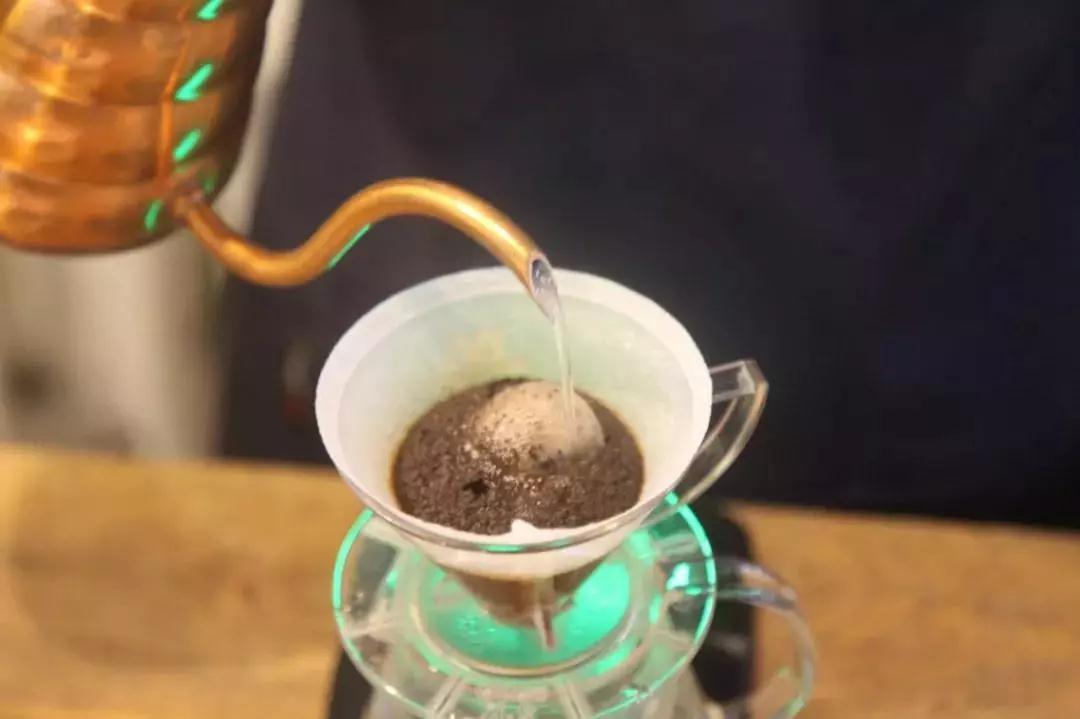
(1) Kalita Wave, Cake Cup, Kono Dripper Brewing:
Prepare 17g of coffee, water temperature 88°C, grind size BG 6M (China standard 20 mesh sieve, 47% pass rate), water-to-coffee ratio approximately 1:14.
Technique: First bloom with 30g of water for 30s. Pour close to the coffee bed surface. First pour to 120g, then stop. Wait until the water level drops to 1/3-1/2, then perform the second pour, stopping at 234g. Control the total brewing time around 2 minutes and 15 seconds. If time is sufficient but the brew has not finished dripping, you can discard the remaining liquid.
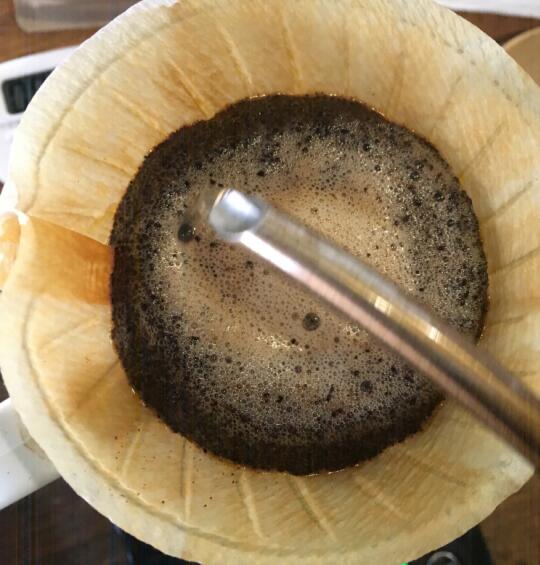
(2) V60 Dripper Brewing:
Prepare 15g of coffee, water temperature 88°C, grind size BG 5R (China standard 20 mesh sieve, 60% pass rate), water-to-coffee ratio approximately 1:15.
Technique: First bloom with 30g of water for 30s. Pour close to the coffee bed surface. First pour to 120g, then stop. Wait until the water level drops to 1/3-1/2, then perform the second pour, stopping at 225g. Control the total brewing time around 2 minutes and 5 seconds.
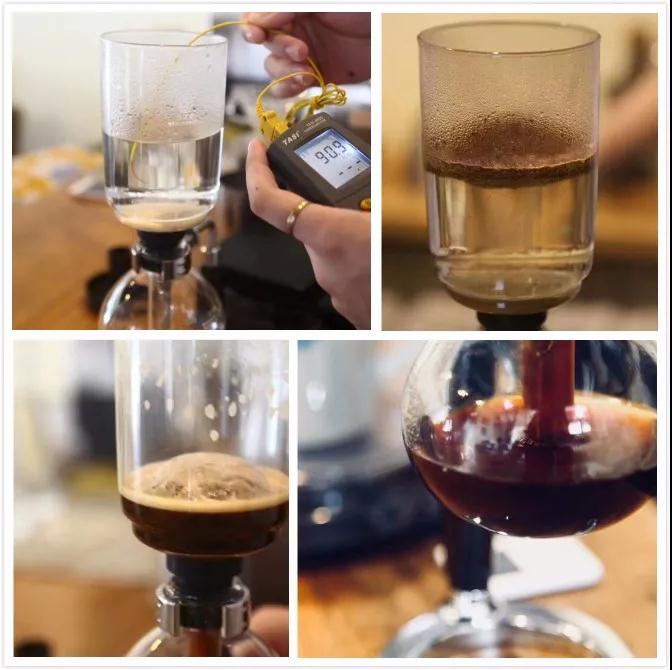
Siphon Coffee
Preparation Steps:
(1) Add water to the lower chamber of the siphon. For making two servings of coffee, add water to about 5mm above the 2-cup mark on the siphon. Since coffee grounds absorb water, if you want to make two servings of coffee liquid, you need to add slightly more water.
(2) Grind coffee beans, prepare 25g of coffee grounds (for a single cup, grind about 15g), medium grind BG 6M (China standard 20 mesh sieve, 47% pass rate), meaning particles between white sugar and brown sugar in size.
(3) After adding water, remember to wipe the outside of the lower chamber dry with a soft cloth, leaving no water residue to prevent the pot from bursting during heating.
(4) Fill the lower chamber with hot water and heat with a gas stove. Generally, single-serving coffee uses about 180g of water and double-serving uses 300g (coffee-to-water ratio 1:12).
(5) Once everything is ready, start heating the water. When the water reaches brewing temperature, install the filter cloth in the upper chamber. Be sure to hook it as shown in the picture below, otherwise, when water rushes from the lower chamber to the upper chamber, the filter will be pushed open.
When the water temperature reaches 90°C, hold the upper chamber upright. When water rises to the upper chamber, pour in the coffee grounds, stir and start timing. Use a circular stirring method, ensuring the coffee grounds fully absorb water. Adjust the flame to an appropriate size. After 30 seconds of blooming, perform the second stir. Around 50 seconds, perform the third stir. After stirring, remove the heat source and wipe the lower chamber with a semi-damp cloth to allow the coffee liquid to flow back. Total time around 2 minutes and 15 seconds.
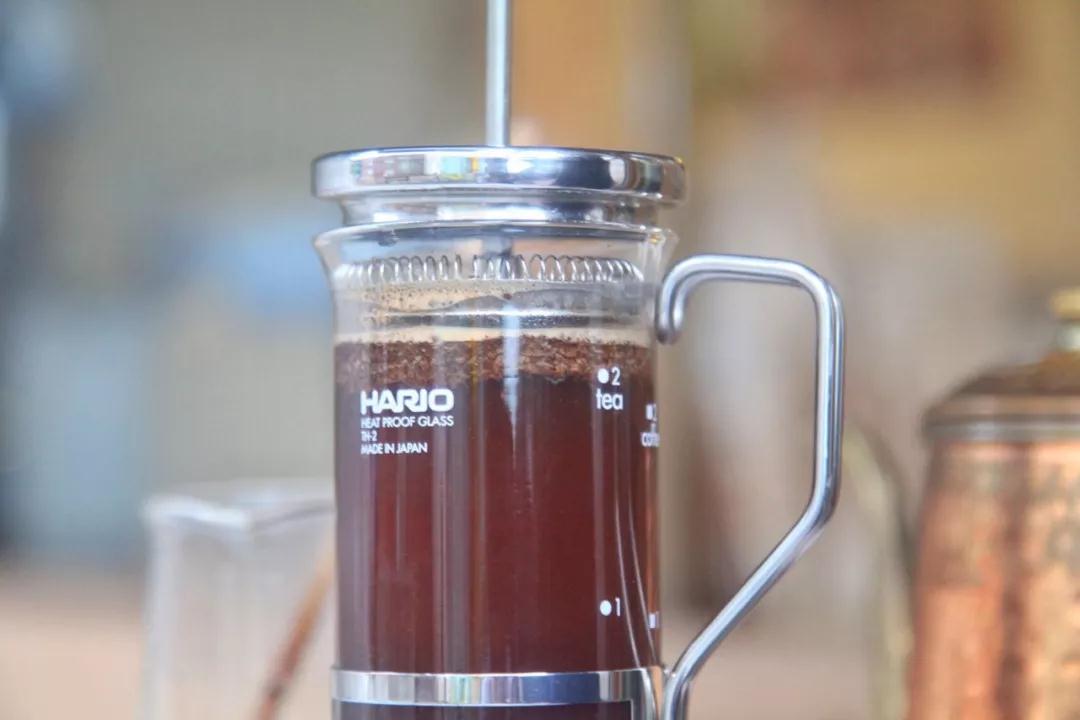
French Press
Grind Size: BG 6M (China standard 20 mesh sieve, 47% pass rate)
Technique: 20g coffee beans, coffee-to-water ratio 1:14, pour 88°C water into the French press to 280g, start timing. Put the lid on the French press with the filter at the highest position, wait for 2.5 minutes, then press the filter to the bottom.
FrontStreet Coffee: A roastery in Guangzhou with a small shop but diverse varieties of beans, where you can find both famous and lesser-known beans. Online shop services are also available. https://shop104210103.taobao.com
FrontStreet Coffee Recommendation
If the peaberry's delicate, sweet-floral character appeals to you, FrontStreet Jamaica Blue Mountain No. 1 is a natural companion. Strictly speaking, only coffee grown in a specific area of Jamaica's Blue Mountain range and certified by the Jamaican government can be called Jamaica Blue Mountain Coffee. The Blue Mountain range lies in eastern Jamaica, one of the highest in the Caribbean, with its tallest peak reaching 2,256 meters, and it is shrouded in cloud and mist year-round, which is how it earned the name "Blue Mountain." The high altitude brings a wide day-night temperature swing that lengthens the ripening cycle of the cherries, the fertile volcanic soil supplies abundant nutrients, and the ample, even rainfall and mild, stable climate let the cherries slowly accumulate sugars and flavor compounds, producing the delicate body and balanced flavor that made Blue Mountain famous.
That reputation also rests on scarcity and history. The total annual output of the entire Jamaican Blue Mountain area is under 2,500 tons, only a tiny fraction of world coffee production, and the Japanese market, which long held a stable trading relationship with Jamaica, historically bought more than 70% of that output, leaving even less for the global market. In the early days of the Chinese market, the lack of formal import channels made Blue Mountain seem mysterious and rare, and sayings such as "you cannot get real Blue Mountain in China" or "every Blue Mountain in a cafe is fake" once circulated widely. In fact, the Chinese market still accounted for an important share of global Blue Mountain consumption even before the import system matured, and since 2003 Jamaican Blue Mountain green beans have been formally exported to China, so consumers can now buy certified Blue Mountain through legitimate channels. When judging authenticity, certification matters most: genuine Blue Mountain carries no traceability code, but importers generally hold complete export certification documents and proof of origin, or clear physical evidence of the green beans. Traditionally, Blue Mountain is shipped in wooden barrels of 15, 45, and 70 kilograms, and each barrel is itself a mark of the genuine article; FrontStreet's Blue Mountain No. 1 is a top-grade batch from the long-established Clifton Mount estate, where coffee has been grown and processed since around the mid-18th century, roughly 1750. The estate's growing and processing area sits at an average of 4,300 feet (1,310.64 meters), where sufficient altitude, mild afternoon cloud cover shading the hillsides, ample sunshine, and mineral-rich soil give the coffee trees excellent growing conditions and extend the ripening of the cherries.
Blue Mountain is not limited to pour-over; its excellent balance means it also shines in a moka pot or as espresso. For pour-over, FrontStreet recommends a 1:15-1:16 ratio at 85-88°C with a medium-coarse grind, which highlights the cream, caramel, and nut notes while keeping a soft, bright sweet-tartness and a cleaner, more transparent cup with richer layering; FrontStreet also suggests a Kono dripper, which enhances the coffee's full body, using 15g per person and resting the beans for 4-7 days from the roast date as day one. The grind should be coarser than for a light roast, roughly white-sugar size, at 87-88°C, since water that is too hot is a common cause of scorched, bitter flavors while water that is too cold leaves the coffee flat and lifeless. FrontStreet uses a 1:15 ratio and a three-stage pour: 30g of water for a 30-second bloom, then a vertical, slow small-flow pour to 120g, then a slightly faster pour with circling to 225g to reduce fines clogging the filter and over-extracting. Freshly roasted within 5 days of shipping, the beans arrive near peak flavor and can be brewed right away. Medium-dark roasting brings out the coffee's full body and classic bittersweet depth, and the cup is very clean, complex, and gentle, with chocolate sweetness, strong body, a perfect balance of sweet, sour, and bitter that carries no bitterness at all—only a moderate, well-judged acidity—and a lingering fruity finish.
Important Notice :
FrontStreet Coffee is a long-established specialty coffee roaster in Guangzhou China, selling freshly roasted beans from its own farm in Yunnan as well as dozens of carefully selected single-origin beans from around the world for both pour-over and espresso. The products deliver consistently excellent quality and great value, with shipping within 24 hours. Guangzhou's FrontStreet Coffee shop is recommended by many coffee lovers, and the beans are now available online at the Tmall 。
FrontStreet Coffee has moved to a new address:
FrontStreet Coffee Address: 315,Donghua East Road,GuangZhou
Tel:020 38364473
 Scan and follow the En Gafei WeChat official account. Please indicate that the reprint comes from "En Gafei".