What is Monsooned Processing? What are the Characteristics of Malabar Coffee?
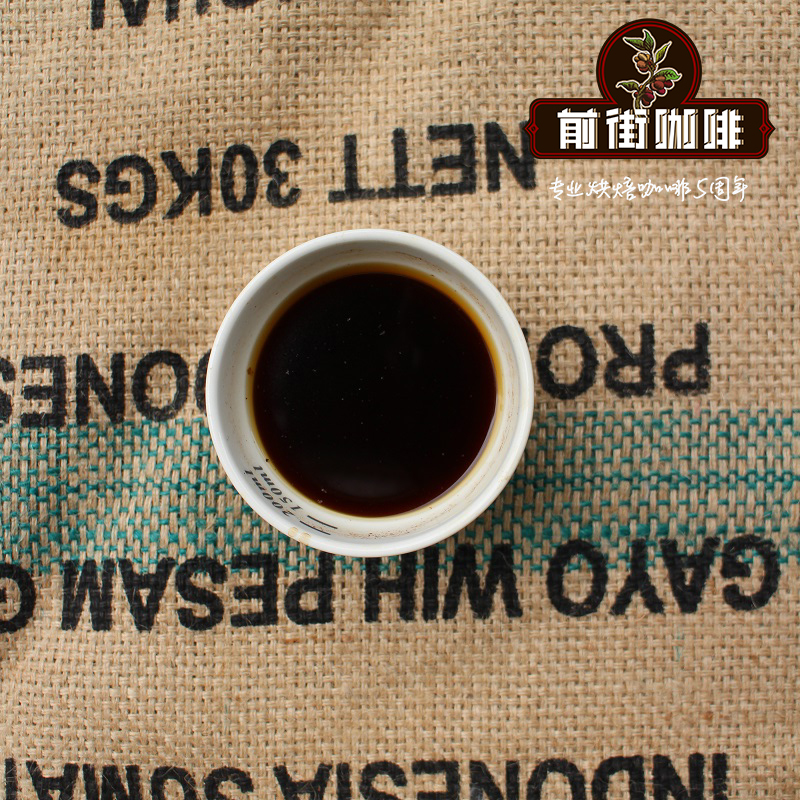
Legend has it that long ago, when green coffee beans were shipped from India to Europe, they underwent changes due to the high temperature and humidity of the Indian Ocean. This is the origin of "monsooning." After monsooning, the green beans not only expand in size but also change from emerald green to golden yellow. The brewed coffee is said to have a mellow taste with a unique flavor, becoming a distinctive characteristic of Indian Malabar coffee.
Later, "monsooning" became a special processing method for coffee beans.
Every year during May and June, the southwestern region of India experiences monsoon phenomena. After the coffee beans are harvested, they are therefore deliberately placed in the humid southwestern monsoon for "monsooning." Using the moisture from the Indian Ocean and the hot weather to monsoon the beans, and after 4-16 months of monsoon exposure, the coffee beans expand and grow larger. The color begins to change from green to golden yellow. Remarkably, the acidity of the beans is also reduced. This is Monsooned Malabar, also known as Monsoon Malabar.
How should Indian Malabar coffee be roasted?
Because this coffee generally has moderate bean density, FrontStreet Coffee suggests using medium heat for steady roasting. The yellowing point should fall around 4 minutes and 50 seconds; then reduce the heat and open the air damper to enter the Maillard reaction. When the first crack occurs, open the air damper wide, maintain the heat at approximately 184.4°C, and drop the beans 2 minutes and 30 seconds after the first crack.
FrontStreet Coffee recommends pour-over for brewing Indian Monsoon Malabar coffee
Grind size: 4 (Japan Fuji R440)
Water temperature: 83°C
Kono filter cup, 17g of coffee, water temperature 83°C, grind size 4, water-to-coffee ratio close to 1:13
Technique: 30g of water for the bloom, bloom time 30s
Stages: pour water to 120g, then pause, followed by a slightly larger water flow to reach 221g
That is 30-120-221, with a total extraction time of 1:50-2 minutes
FrontStreet Coffee Recommendation
Monsooned Malabar is prized for its mellow, low-acid, and gently earthy cup, and FrontStreet Coffee's PWN Golden Mandheling offers a very similar experience. Deep-roasted with almost no acidity, it pours out an exceptionally rich and lingering body full of herbal and black-chocolate aromas with a faint earthy note - ideal for anyone who loves a heavy, savory coffee. Paired with a V60 or Kono dripper and a coarser grind, it keeps that characteristic smooth, grounded sweetness.
Important Notice :
FrontStreet Coffee is a long-established specialty coffee roaster in Guangzhou China, selling freshly roasted beans from its own farm in Yunnan as well as dozens of carefully selected single-origin beans from around the world for both pour-over and espresso. The products deliver consistently excellent quality and great value, with shipping within 24 hours. Guangzhou's FrontStreet Coffee shop is recommended by many coffee lovers, and the beans are now available online at the Tmall 。
FrontStreet Coffee has moved to a new address:
FrontStreet Coffee Address: 315,Donghua East Road,GuangZhou
Tel:020 38364473
 Scan and follow the En Gafei WeChat official account. Please indicate that the reprint comes from "En Gafei".