Why is Blue Mountain Coffee packaged in wooden barrels? Introduction to Jamaica Blue Mountain Clifton Coffee Estate
The Authentic FrontStreet Coffee Blue Mountain Coffee
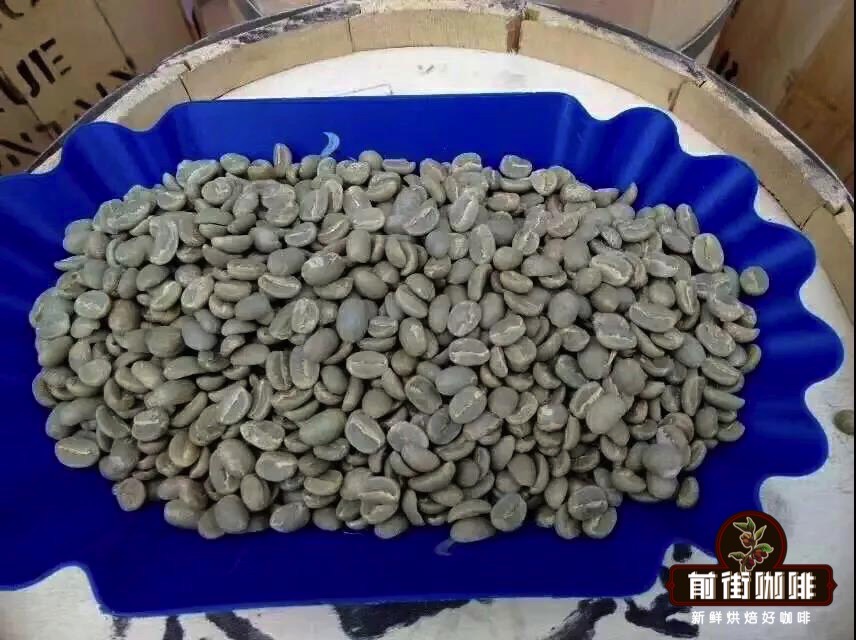
Genuine FrontStreet Coffee Blue Mountain Coffee ranks among the most carefully cultivated coffees in the world. Jamaica's weather, geological structure, and topography together provide an exceptionally ideal environment. Designated Jamaican Blue Mountain Coffee can only be grown in the Blue Mountain region, located in the eastern northern part of Kingston, Jamaica. The mountain range stretching across Jamaica reaches into the eastern part of the island, with the Blue Mountains rising to heights of over 2,100 meters. The cool, foggy, and frequently rainy weather leaves this fertile land well-balanced with moisture. Here, people use mixed cultivation, planting coffee trees alongside banana and avocado trees on terraced slopes. The trees typically grow on steep mountain slopes, sometimes with gradients as steep as 60 degrees, which requires manual harvesting. Their characteristics include exceptionally high aroma and a delicate taste. Because of that high aroma, the beans are often blended with other green coffees, and over 80% are exported to Japan.
The Rarity and Value of Blue Mountain Coffee
In the past, we often heard statements like "Blue Mountain Coffee is too expensive to drink" and "Only Blue Mountain Coffee from Japan is authentic." These rumors trace back to the coffee contract signed between Jamaica and Japan in the 1970s.
Before the 1960s, Jamaican coffee beans were already very popular across the specialty market. In 1969, Jamaica was severely affected by hurricane disasters, and multiple industries fell into difficulty, including the coffee industry. At that time, Japan's UCC company provided financial assistance to the Jamaican coffee industry and introduced scientific ecological cultivation methods. The Jamaican government, grateful for the help, signed a 30-year contract with Japan, agreeing to allocate 90% of the high-quality Blue Mountain Coffee quota to Japan, with the remaining 10% distributed to European and American countries. After the contract expired, the global economic crisis hit, Japan's economy was depressed, and its purchasing power declined. Jamaican coffee farmers were also unwilling to let Japanese merchants monopolize the market any longer, so they significantly raised the prices of raw coffee beans. Today, Japan's purchase of Jamaican Blue Mountain Coffee has fallen from the previous 90% to less than 60%.
Although there is plenty of fake Blue Mountain coffee in the domestic market, that does not mean authentic Blue Mountain does not exist. In fact, our country had records of directly importing Blue Mountain Coffee from Jamaica as early as April 2011. At that time, Zhejiang DUNN'S RIVER Import and Export Trading Company, representing the "Hangzhou Coffee and Western Food Association," purchased a total of 1000*70kg from Jamaica, with a total value of two million US dollars. Today, Jamaica also values the Chinese market greatly, and many domestic authorized exporters can be found on the CIB official website.
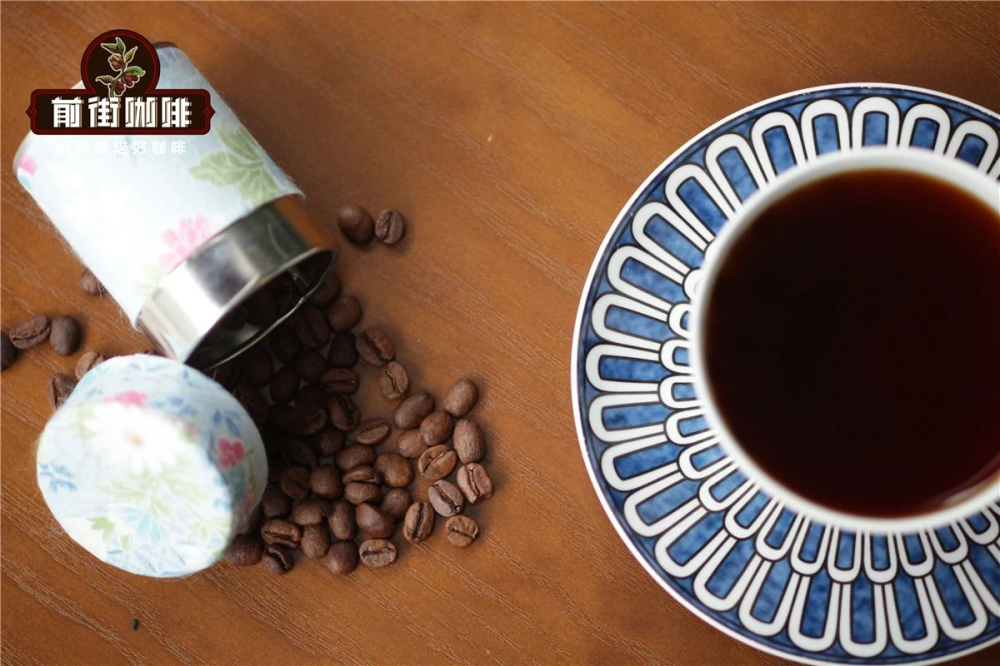
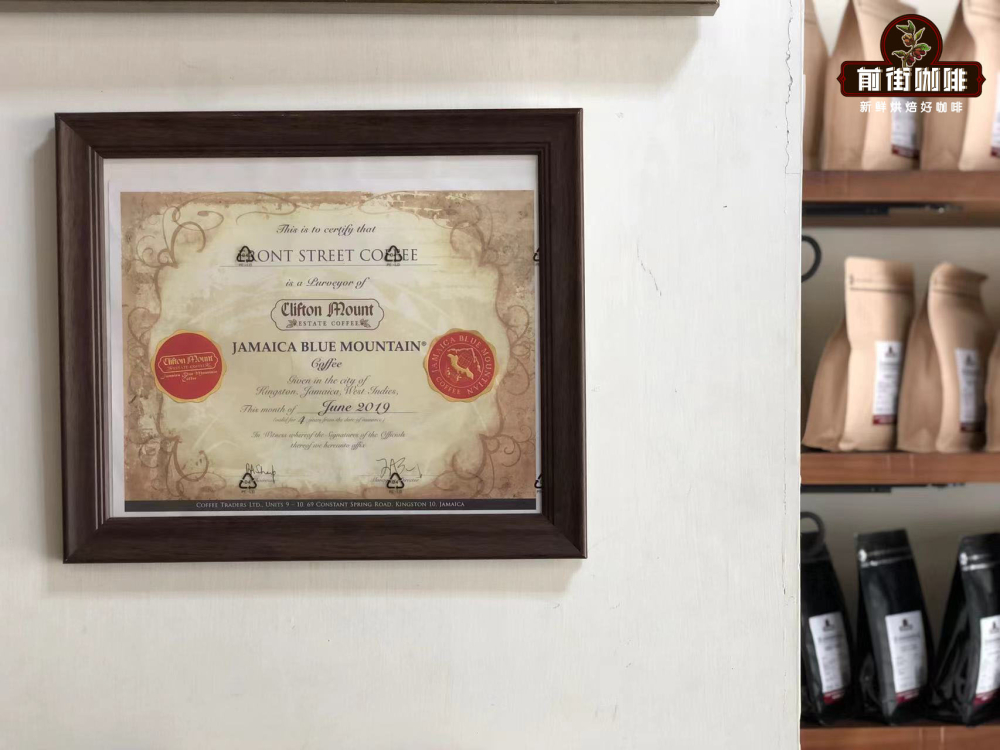
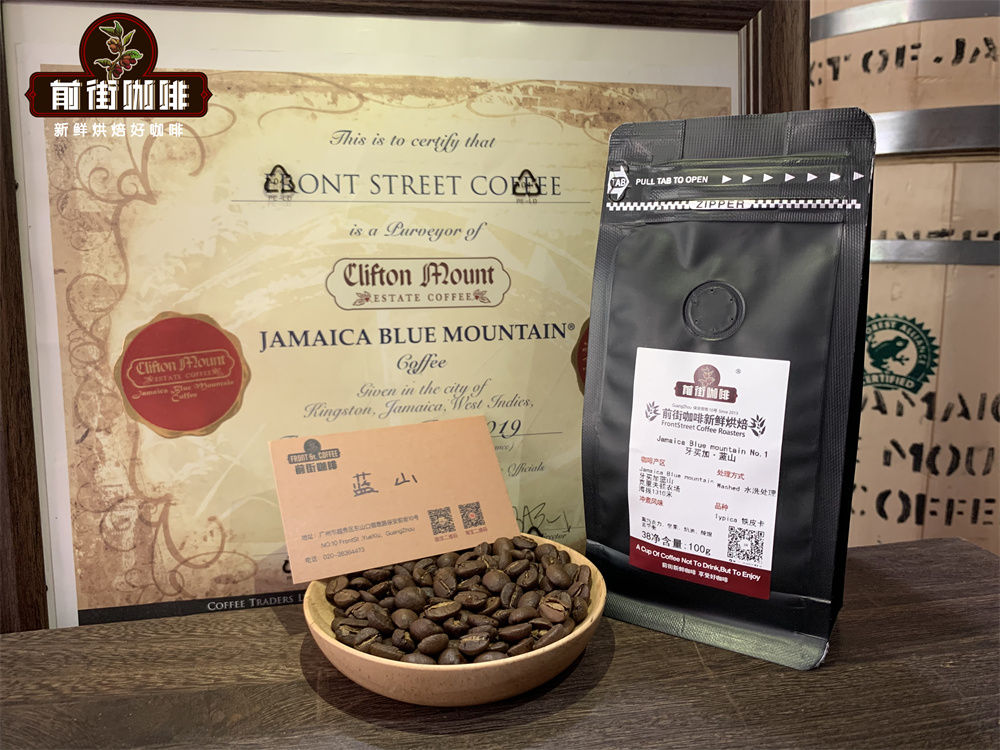
With today's booming coffee culture, we can now import Blue Mountain Coffee beans directly from Jamaica. At FrontStreet Coffee, you can enjoy authentic FrontStreet Coffee Blue Mountain Coffee. FrontStreet Coffee Blue Mountain No. 1 is sold at 158 yuan/100g per package, with hand-brew tasting at 60 yuan/cup, which is a relatively affordable price point.
Why Only Blue Mountain Coffee Beans Are Packaged in Wooden Barrels
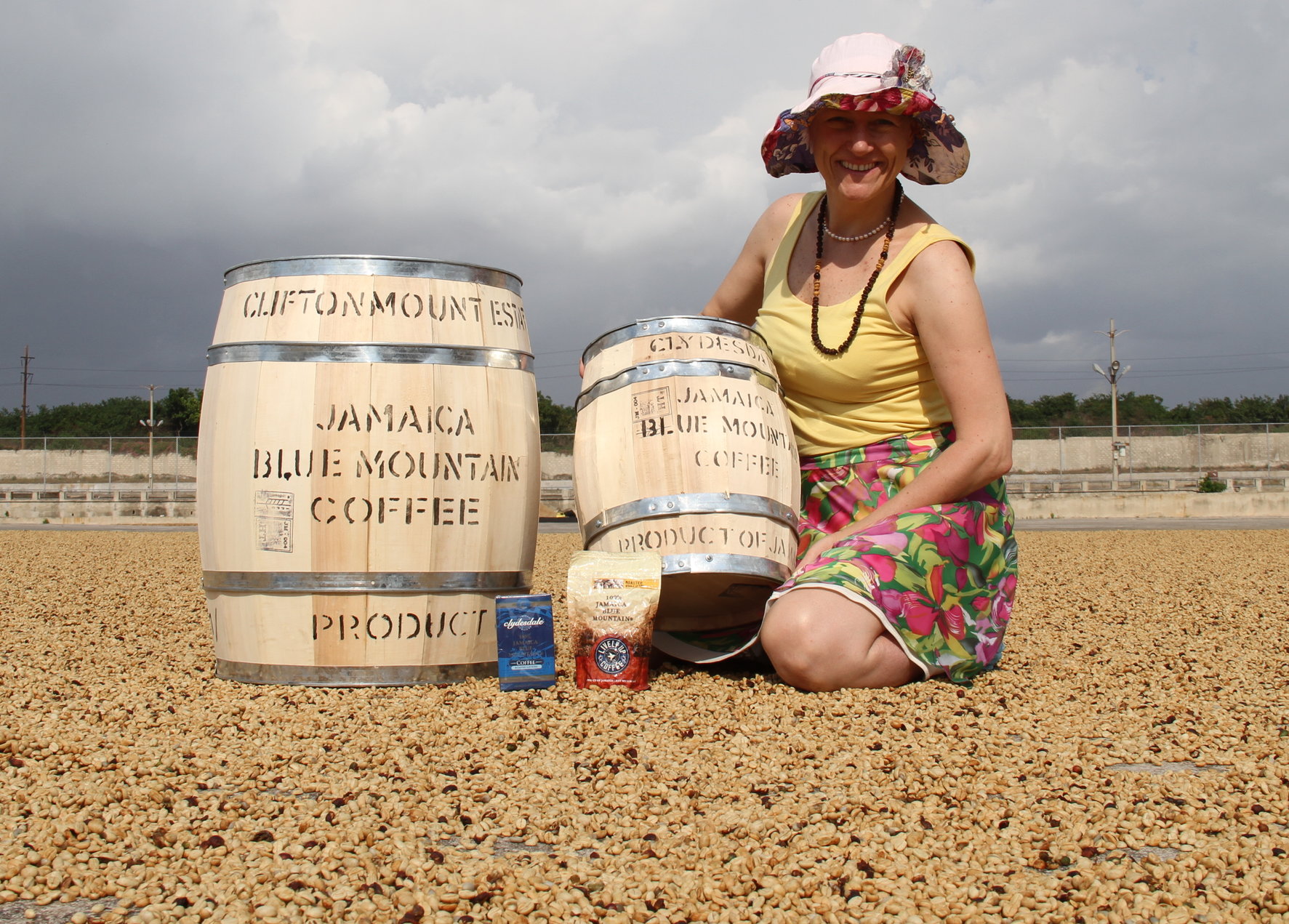
Among all green coffee beans, only Blue Mountain Coffee is packaged in barrels, while other coffees are exported in jute bags. This custom actually originates in the mid-18th century, during the British colonial period, when flour was transported from Britain to Jamaica and the empty barrels were recycled to transport coffee and rum. Today's wooden barrels are made from wood harvested in temperate forests in the United States. The advantage of wooden barrels is their ability to absorb and release internal and external humidity without significant changes, which eases sudden temperature shifts during transportation. Barrel packaging also seals in and isolates the coffee aroma, preserving the best coffee quality, though the additional cost is relatively high.
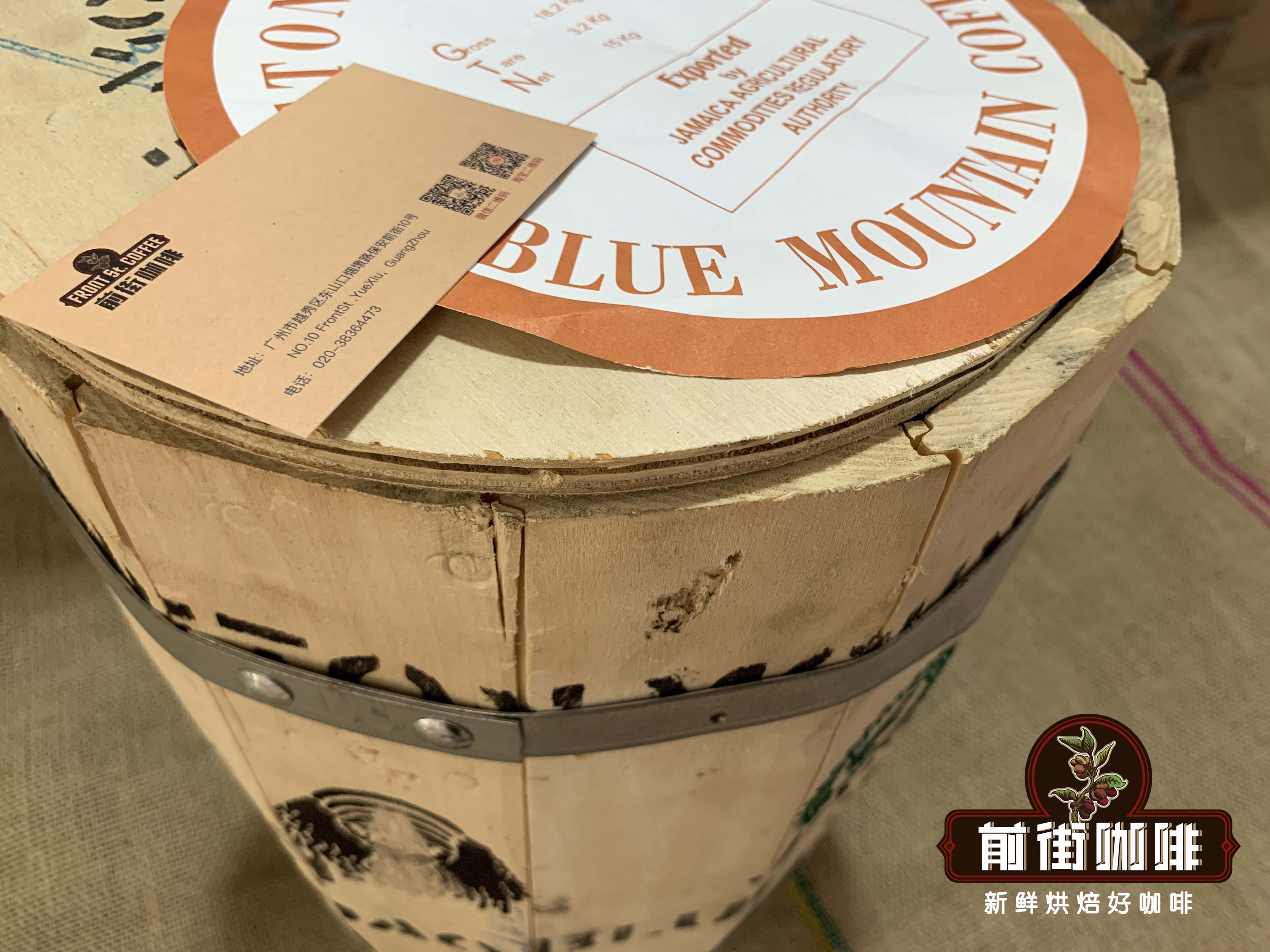
Blue Mountain Coffee Shines on the World Stage
In 1953, the Jamaican government established the Jamaica Coffee Industry Board (CIB) to manage the quality of locally produced coffee. Jamaica was the first country in the world to distinguish coffee names by region. Like French wine, cheese, and cream, its coffee is named for its place of production. All coffee exported from Jamaica must pass through the Jamaica Coffee Industry Board; coffee harvested from the Blue Mountain region with legal authorization is, in particular, absolutely 100% Blue Mountain Coffee.
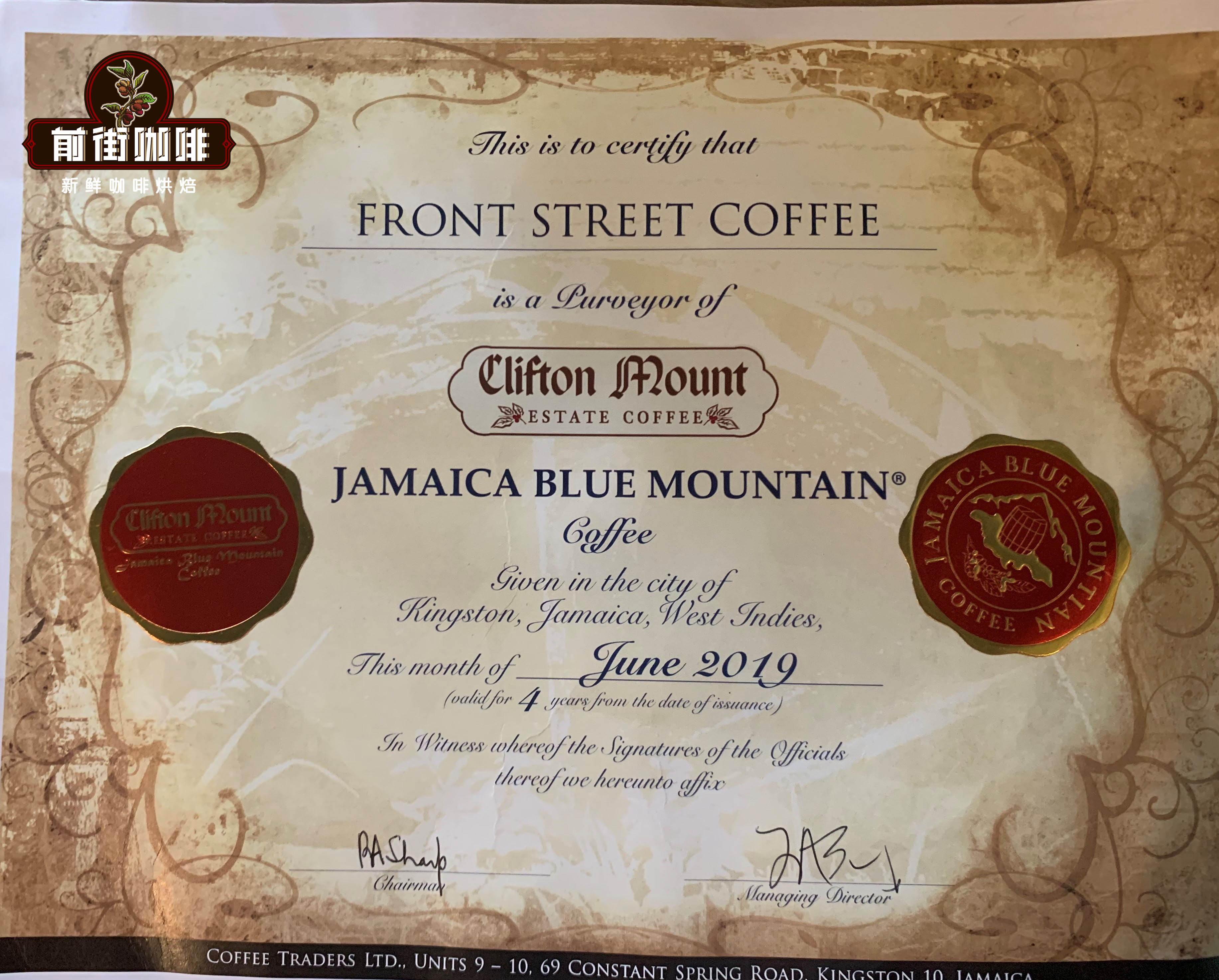
FrontStreet Coffee's Blue Mountain No. 1
FrontStreet Coffee's imported FrontStreet Coffee Blue Mountain No. 1 comes from Clifton Farm. Clifton Farm is the largest estate in the region, and by international standards it still counts as small-scale cultivation, with many estate owners being smallholders whose families have worked the land for two centuries. Through comparison, FrontStreet Coffee believes that Clifton Farm's FrontStreet Coffee Blue Mountain No. 1 performs exceptionally well and stands as one of the outstanding representatives of Blue Mountain Coffee.
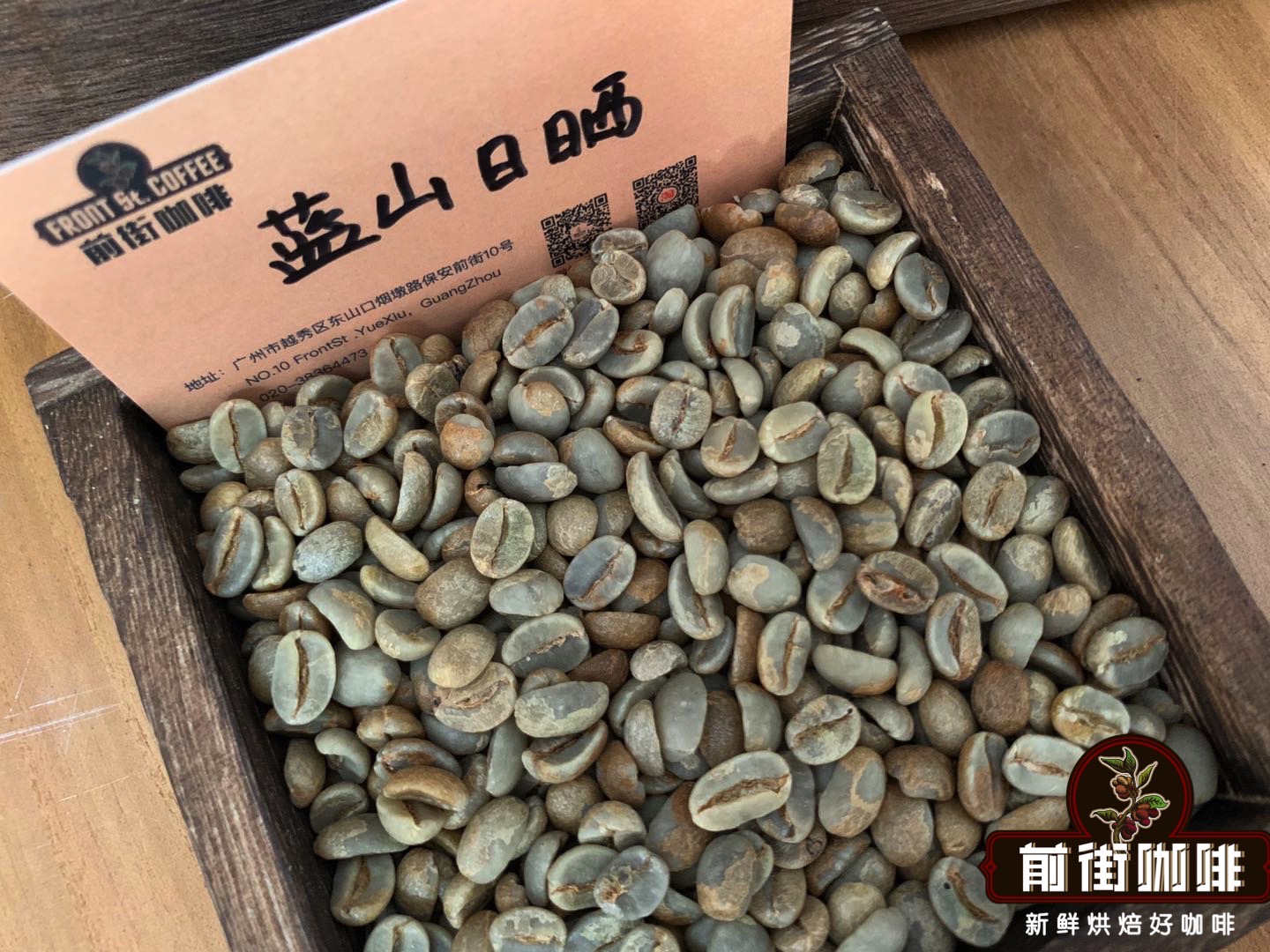
FrontStreet Coffee: Jamaica FrontStreet Coffee Blue Mountain No. 1 Coffee Beans
Region: Blue Mountain Region
Farm: Clifton
Altitude: 1310m
Variety: Typica
Processing Method: Washed or Natural
Grade: NO.1
Processing Methods
Before this year, FrontStreet Coffee Blue Mountain No. 1 was available only in washed processing. The washed method uses washing and fermentation to remove the fruit pulp and mucilage. Farms using the washed method must build washing pools and have access to a continuous supply of fresh water. During processing, the fruit pulp is first removed, then the beans are fermented for 12-18 hours. The fully fermented beans are then placed in the pool and moved back and forth, using the friction of the beans and the power of flowing water to wash them until smooth and clean. After washing, the beans are still enclosed in parchment with a moisture content of 50%. They must be sun-dried to reduce the moisture content to 12-14%, otherwise they will continue to ferment and become moldy and spoiled. The beans are then sorted and stored in special warehouses. These steps must be strictly controlled, or the quality of the coffee will suffer.
In 2020, the Blue Mountain region also exported a batch of natural-processed FrontStreet Coffee Blue Mountain No. 1 coffee. FrontStreet Coffee imported and roasted it at the first opportunity.
FrontStreet Coffee Roasting Analysis
FrontStreet Coffee believes in roasting FrontStreet Coffee Blue Mountain Coffee "thoroughly" from the inside out, applying excellent roasting technique on top of a thorough roast to express the coffee's flavor.
Caramelization is the most significant step affecting coffee flavor. After six to seven minutes of roasting, the raw beans have absorbed a large amount of heat energy, initiating pyrolysis reactions and the first crack. Some sugars convert to carbon dioxide, moisture continues to evaporate, and new aromatic components gradually develop, forming the so-called coffee oils, which combine with hundreds of aromatic substances including nicotinic acid, citric acid, quinic acid, malic acid, acetic acid, and caffeine.
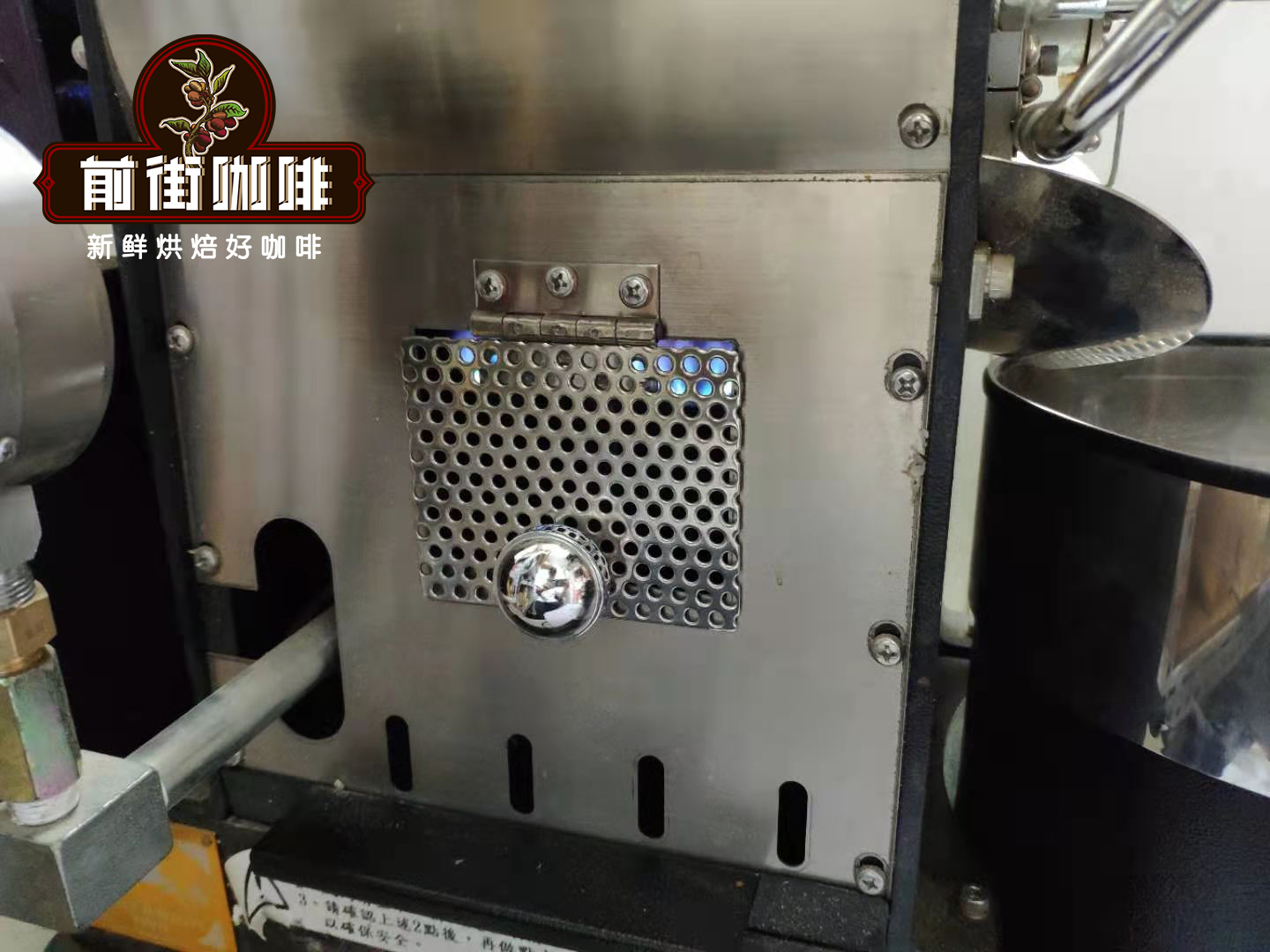
Roasting Curve: Heat to 170°C, open the air damper to 3. After 1 minute, adjust the heat to 140°C, air damper unchanged. At 5'10'', the temperature reaches 153°C, the bean surface turns yellow, the grassy smell completely disappears, and dehydration is complete. Adjust the heat to 115°C and the air damper to 4. At 8'00", ugly wrinkles and black spots appear on the bean surface, and the toast smell clearly transforms into coffee aroma, which can be defined as the prelude to the first crack. At this point, listen carefully for the sound of the first crack. At 8'12", the first crack begins; reduce the heat to 90°C and fully open the air damper (heat adjustment must be very careful, not so low as to stop the cracking sounds). Remove from heat at 201.3°C.
FrontStreet Coffee Brewing Suggestions
Parameters: 15g coffee, water temperature 86-88°C, water-to-coffee ratio 1:15, medium-coarse grind (Chinese standard 20-mesh sieve pass rate 70-75%)
Filter cups generally include several options: V60, Kalita Wave, and Kono. FrontStreet Coffee mainly demonstrates brewing with the Kono filter cup. FrontStreet Coffee chose the Kono mainly because the Blue Mountain Coffee uses a dark roast level, and high temperatures can easily lead to over-extraction, so FrontStreet Coffee chose 86°C for the water temperature. At that temperature, using a V60 or another faster-flowing filter cup would easily lead to under-extraction, whereas the Kono has fewer and shorter ribs, which isolates the gap between the filter paper and the filter cup, increasing water residence time and providing an immersion effect. Considering all the brewing-parameter test results, FrontStreet Coffee ultimately chose the Kono filter cup.
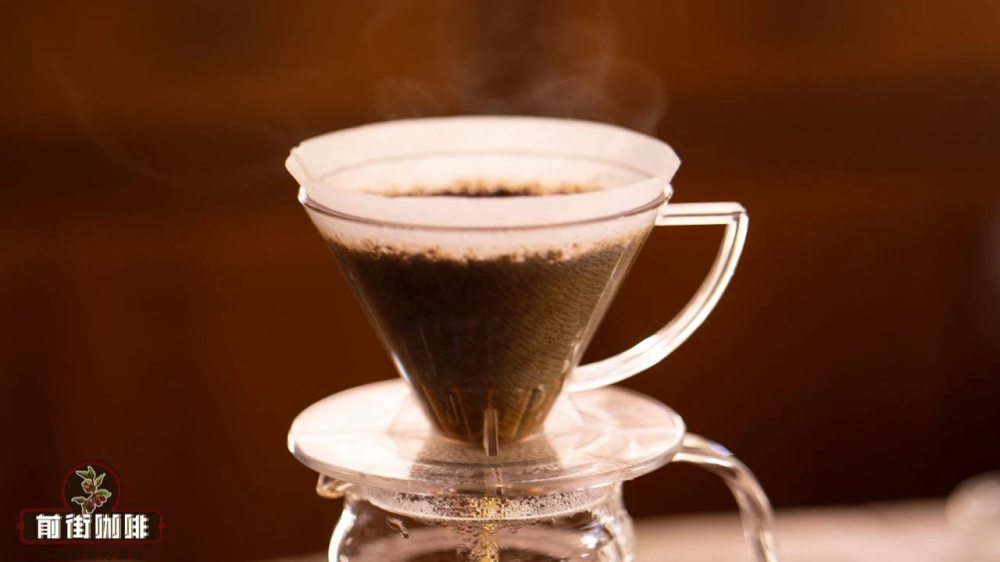
In terms of brewing technique, FrontStreet Coffee uses segmented extraction, namely the three-stage pouring method. Use 30g of water for the bloom, with a bloom time of 30s. In the first stage, pour with a small circular flow to 125g, then stop pouring. When the liquid level drops to just about to expose the coffee bed, continue with the second stage pour, ending extraction at 225g. The total extraction time (including the bloom) is 2'00".
FrontStreet Coffee Recommendation
The wooden barrel is more than packaging - it is one of the clearest signs of a genuine Jamaica Blue Mountain coffee, and FrontStreet Coffee's Jamaica Blue Mountain No. 1 carries that same provenance. Sourced from the historic Clifton Estate and roasted to a medium-dark level, it opens into layers of nut, dark chocolate, cream caramel, and soft sweetness, with acidity, sweetness, bitterness, and aroma in near-perfect harmony. Whether you drink it daily or give it as a gift, it delivers the timeless balance that has defined Blue Mountain for decades.
Important Notice :
FrontStreet Coffee is a long-established specialty coffee roaster in Guangzhou China, selling freshly roasted beans from its own farm in Yunnan as well as dozens of carefully selected single-origin beans from around the world for both pour-over and espresso. The products deliver consistently excellent quality and great value, with shipping within 24 hours. Guangzhou's FrontStreet Coffee shop is recommended by many coffee lovers, and the beans are now available online at the Tmall 。
FrontStreet Coffee has moved to a new address:
FrontStreet Coffee Address: 315,Donghua East Road,GuangZhou
Tel:020 38364473
 Scan and follow the En Gafei WeChat official account. Please indicate that the reprint comes from "En Gafei".