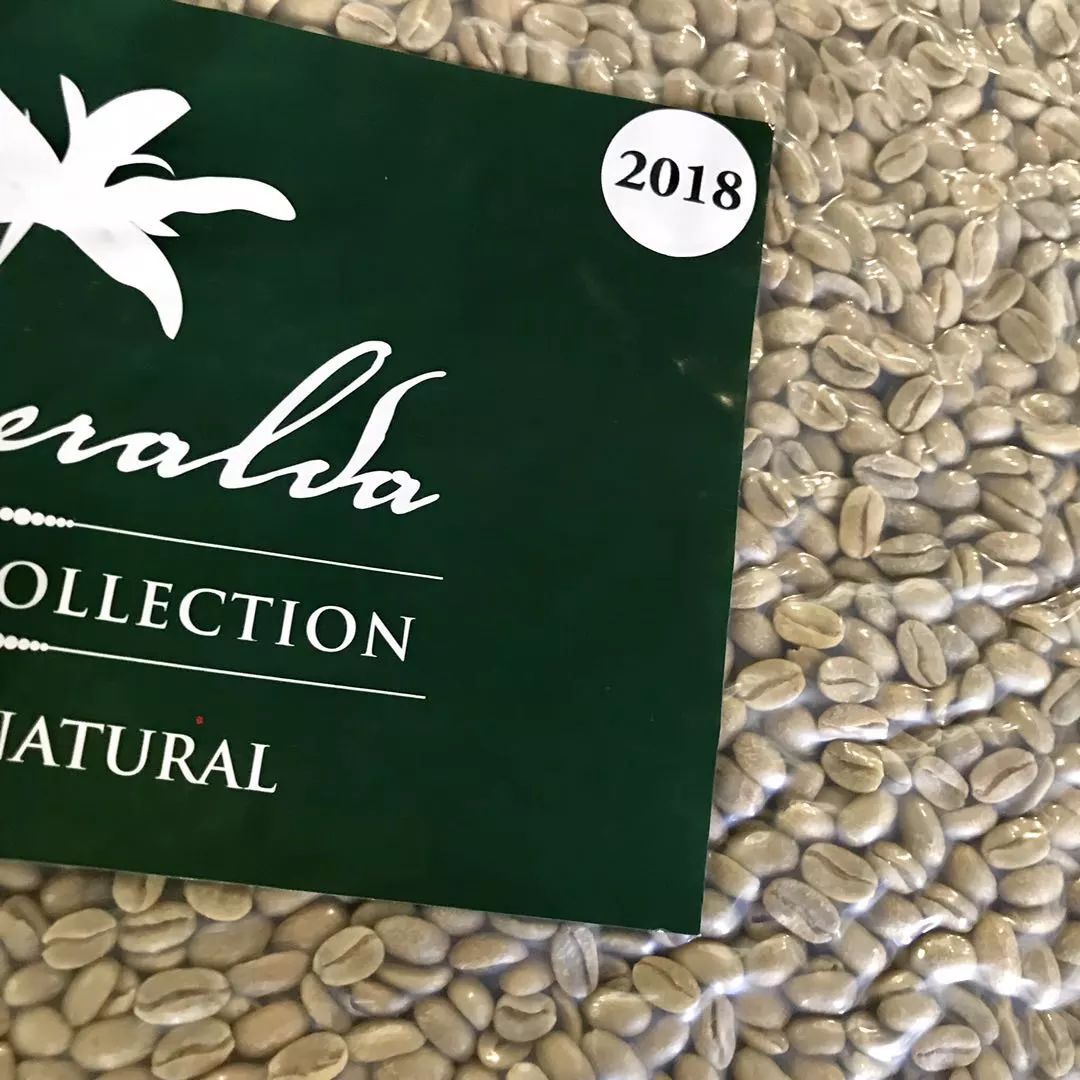
What is Little Blue Mountain Coffee Bean Variety - Papua New Guinea Paradise Bird Estate Characteristics

Many coffee enthusiasts are fascinated by beans from rare growing regions, and Papua New Guinea coffee beans, known as the "Little Blue Mountain," have garnered considerable attention. Driven by curiosity, FrontStreet Coffee acquired a batch of coffee beans from Papua New Guinea and conducted comprehensive research through roasting, cupping, and brewing.
Papua New Guinea
The vast majority of this country's territory lies on the island of New Guinea, where a straight boundary divides the island into eastern and western halves—the western part belonging to Indonesia and the eastern part to Papua New Guinea. Due to its lengthy name, it is commonly shortened to "Papua" or its English abbreviation "PNG."

Many refer to Papua's coffee as the "Little Blue Mountain" because Papua's coffee varieties were introduced from Jamaica's Blue Mountain Typica, and their growing environment, altitude, and precipitation are remarkably similar. The introduced Typica quickly adapted to the environment of New Guinea Island, making it a worthy "Little Blue Mountain" from both varietal and island-environment perspectives. Papua's coffee growing region (6° South Latitude) is closer to the equator than Blue Mountain (approximately 18° North Latitude). When carefully savored, its flavor profile differs slightly from Blue Mountain, with Papua's coffee exhibiting enhanced dark fruit acidity and sweetness.
Coffee Cultivation Model
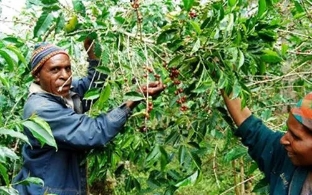
In Papua New Guinea, approximately 75% of coffee production comes from small local farms. Many farms have cleared land in forested areas, with some located deep in the wilderness, almost completely isolated. The country's coffee is all grown at high altitudes between 1,300-1,800 meters, ensuring high quality. Although some coffee is also grown in lower regions, the production is relatively minimal. Most locally grown coffee relies on natural conditions for growth, primarily due to transportation challenges and the high costs of delivering fertilizers and pesticides to farms.
Coffee Growing Regions
Papua New Guinea's specialty coffee beans are primarily cultivated in the Western Highlands' Wahigi Valley and Sigri Estate, as well as the Eastern Highlands' Arona, Kimel, and Arokare Estates, with Goroka being the most renowned. Because of different coffee varieties from Indonesia, higher altitudes than Sumatra, and the fact that the country's coffee beans undergo washed processing, FrontStreet Coffee believes Papua New Guinea coffee's regional taste is distinctly different from Indonesian coffee's spicy, herbal, and deep notes, instead featuring bright acidity, sweet notes, and floral and fruity aromas, closer to South American flavor profiles.

Bird of Paradise Coffee
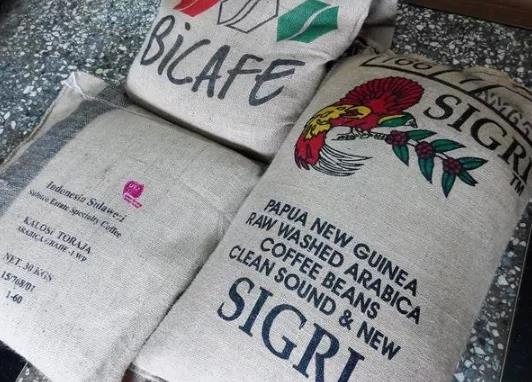
FrontStreet Coffee has selected Sigri Estate's Bird of Paradise coffee this year. It is worth explaining the origin of Bird of Paradise coffee. In the domestic market, two prominent Papua coffees come from Sigri Estate and Purosa Estate, both featuring Bird of Paradise patterns on their exported coffee bags—this is Papua's national bird.
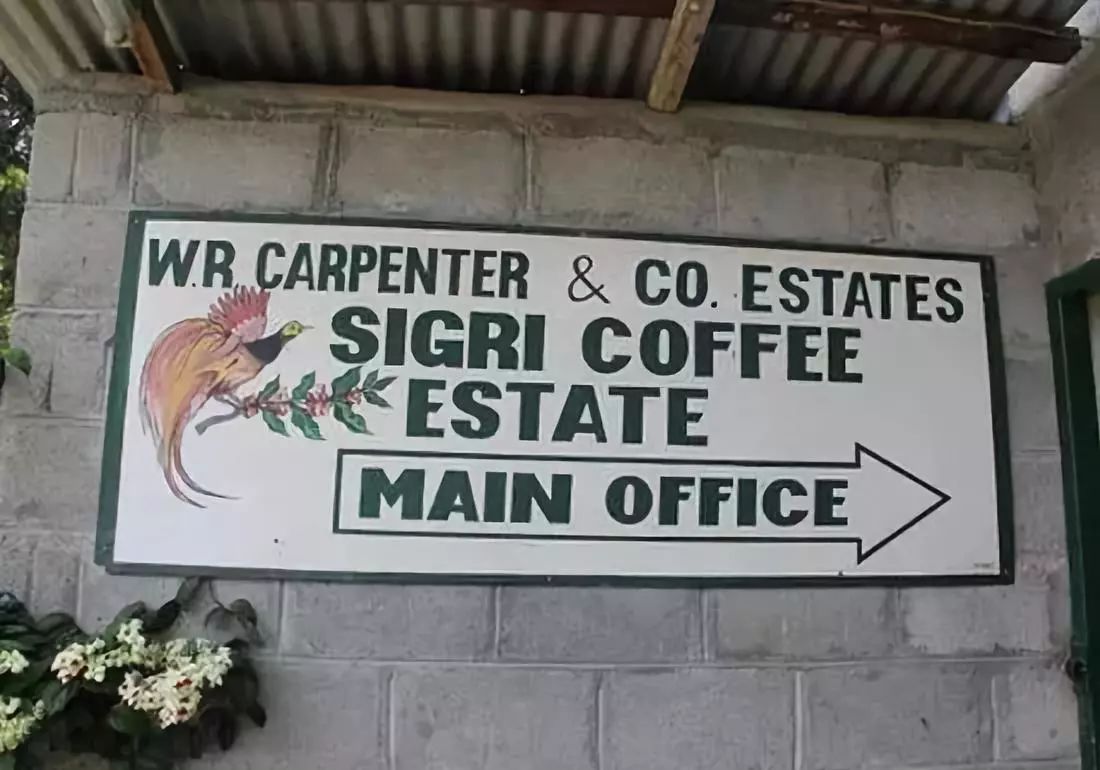
The first introduction of Papua New Guinea coffee beans came from Sigri Estate, which was dubbed "Bird of Paradise" at that time. When Purosa Estate's coffee bags were later introduced, they also featured the Bird of Paradise pattern. However, to distinguish between these two beans, the later introduction could only be referred to by its estate name. Although this may seem unfair to the newcomer, through years of subconscious association, Sigri has become inherently linked with Bird of Paradise.
Sigri Estate truly lives up to the Bird of Paradise name. This year's green coffee beans are full, emerald green, with an excellent bean appearance.
Sigri Estate was established in 1950 and has been operating for over 60 years, making it a pioneer in the local coffee industry. The Bird of Paradise Estate is located in the Waghi Valley of the Western Highlands Province, at approximately 1,500 meters altitude in high mountain regions with rich mineral volcanic soil, a cool climate, fertile land, and abundant rainfall. The Bird of Paradise Estate also places great emphasis on environmental protection, refusing to use pesticides and insecticides to protect soil and water sources, while caring for the ecosystem and nearby birds.
For years, the Bird of Paradise Estate has maintained high standards of cultivation and processing. During the harvest season from April to September each year, only fully ripe red coffee cherries are hand-picked, ensuring a perfect balance between acidity and sweetness in the coffee berries. At the Bird of Paradise Estate, daily cupping is conducted to guarantee that the plantation provides customers with consistently excellent quality coffee. This has made the Bird of Paradise Estate a classic in the world of specialty coffee.
Coffee Bean Processing Method
Papua New Guinea coffee is primarily washed processed, exhibiting brighter flavor profiles with more fruit acidity, similar to Central American coffee characteristics. Large estates and plantations typically have their own washing stations, while smaller individual coffee farmers can better control the output quality and flavor expression.

After harvesting mature red coffee cherries, they are sent to the estate's own washing station for processing. Papua New Guinea's local washing process differs from Central and South American washing methods. It involves three-stage washed fermentation, with each stage soaking for approximately 24 hours and replacing with clean water to control coffee flavor. After washing is complete, the green beans have their parchment removed and undergo various gradings, such as AA, AB, PB (peaberries), etc. This meticulous post-processing method brings bright, delicate fruit acidity to the coffee itself, along with a clean and lingering sweet aftertaste.
FrontStreet Coffee Roasting Analysis
Upon first receiving these beans and comparing them with similarly processed Blue Mountain beans, it was truly difficult to distinguish between them.
Try to guess which image shows the Bird of Paradise and which shows Blue Mountain.
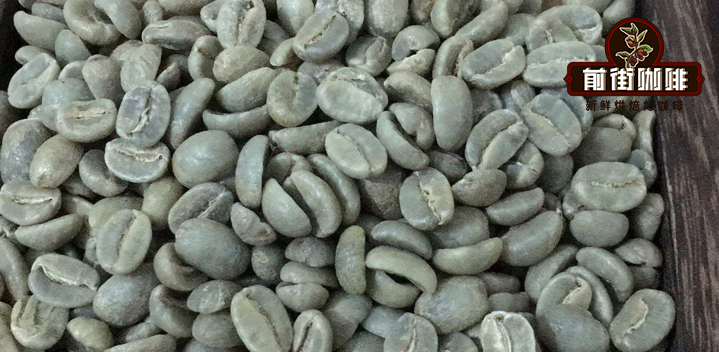
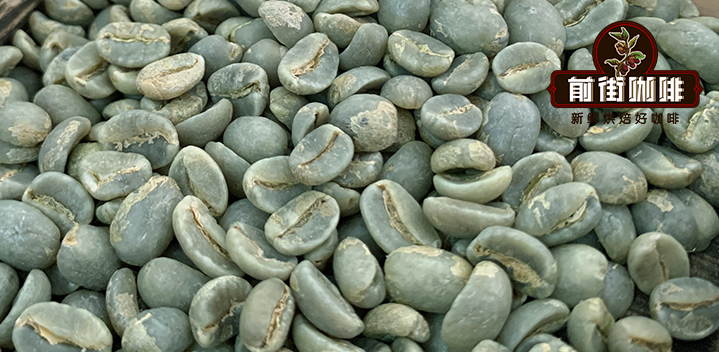
Answer Revealed:
(Top) Bird of Paradise
(Bottom) Washed Blue Mountain
FrontStreet Coffee uses medium roasting for these beans. Because Typica varieties have low-density green beans, to highlight their inherent refreshing acidity and fruity aromas, focus is placed on heat adjustment after the first crack. The drum is preheated to 170°C, with the damper set to 3 and heat at 140°C. The temperature returns to 140°C at 1'36". At 140°C, the damper is opened to 4. At 6'25", the temperature reaches 151°C, the bean surface turns yellow, the grassy aroma completely disappears, dehydration is complete, and heat is reduced to 110°C at 176°C; the damper remains at 4.
At 180°C, heat is reduced to 90°C, and the bean surface shows ugly wrinkles and black spots as the toast aroma clearly transitions to coffee aroma—this can be defined as the prelude to first crack. At this point, heat increases to 183.5°C, first crack begins at 10'08", and the damper is fully opened. At 188°C, heat is reduced to 60°C with the damper fully open (heat adjustment must be very careful—it cannot be so low that cracking stops, and the post-crack temperature rise rate should be controlled within 6°C). First crack development time is 3'00", and the beans are removed from the drum at 198.5°C.

FrontStreet Coffee Brewing Method
Using 15 grams of coffee powder as an example, with a 1:15 coffee-to-water ratio, medium-coarse grind (65% pass-through rate on standard #20 sieve), water temperature at 88°C, and using a KONO MEIMON dripper.
This method employs segmented brewing. Slowly pour water over the coffee grounds, first pouring 30 g in small circles for a 30-second bloom. During the first pour, the dry coffee powder layer will gradually absorb water and expand into a "hamburger" shape.

For the second segment, pour 120 g of water in circles from the center outward, keeping the pouring height as close to the coffee bed as possible and moving slowly to avoid over-agitation. For the final segment, pour 75 g to reach a total water volume of 225 g. Wait until all the coffee liquid has dripped into the lower server to complete extraction. Total extraction time is 2 minutes.

Flavor Profile: Predominantly nutty and cocoa-rich flavors, with subtle berry sweetness. The taste is rich and balanced, with sweet notes and gentle acidity.
FrontStreet Coffee Recommendation
If the "Little Blue Mountain" idea appeals to you, FrontStreet Papua New Guinea Bird of Paradise is the bean to try. It comes from the Sigri Estate in the Western Highlands' Waghi Valley, grown at 1,600-1,800 meters on volcanic soil, from the same Typica lineage as Blue Mountain—which is why drinkers call it "Little Blue Mountain." The beans are full and low in defects to the AA high-grade standard, and a three-stage washed fermentation gives a clean, pure cup with prominent sweetness, making it a fine choice for those who prefer low acidity.
FrontStreet roasts it medium. Brew 15 g at a 1:15 ratio with a medium-coarse grind (about 65% pass-through on a China standard #20 sieve) and 88 degrees Celsius in a KONO MEIMON dripper, using a segmented pour: 30 g for a 30-second bloom, then 120 g in slow center-out circles, then 75 g to a total of 225 g, for a total extraction of about 2 minutes. The cup is predominantly nutty and cocoa-rich with a subtle berry sweetness, rich and balanced with sweet notes and gentle acidity.
For comparison in the same washed, balanced family, FrontStreet Jamaica Blue Mountain No. 1 from the Clifton Estate is grown at 1,310 meters and medium-dark roasted, showing cream, caramel, chocolate, nut, and honey notes with a clean, long finish.
Important Notice :
FrontStreet Coffee is a long-established specialty coffee roaster in Guangzhou China, selling freshly roasted beans from its own farm in Yunnan as well as dozens of carefully selected single-origin beans from around the world for both pour-over and espresso. The products deliver consistently excellent quality and great value, with shipping within 24 hours. Guangzhou's FrontStreet Coffee shop is recommended by many coffee lovers, and the beans are now available online at the Tmall 。
FrontStreet Coffee has moved to a new address:
FrontStreet Coffee Address: 315,Donghua East Road,GuangZhou
Tel:020 38364473
 Scan and follow the En Gafei WeChat official account. Please indicate that the reprint comes from "En Gafei".