Bolivia Las Alasitas Estate Cocoa Natural Process Caturra Coffee Beans: Flavor Profile, Cultivation History
Coffee Workshop is a space for professional coffee knowledge exchange and a steady source of bean information for curious brewers.
FrontStreet Coffee - Bolivia Alasitas Estate Caturra Coffee Beans
Region: Bolivia, La Paz Caranavi region
Estate: Alasitas Estate
Altitude: 1650m
Variety: Caturra
Processing: Cocoa Natural Processing
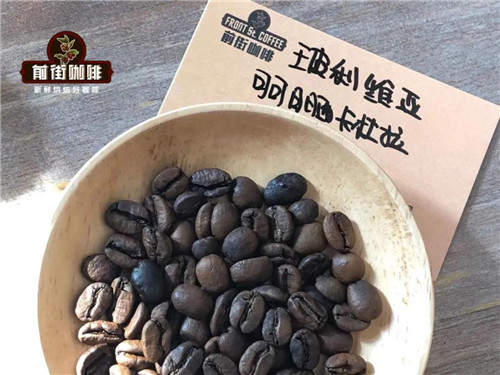
Bolivia Coffee
Any discussion of Bolivian specialty coffee has to start with the Rodriguez family (Finca Los Rodriguez). As promoters of local specialty coffee, and despite the rapid decline of Bolivia's coffee economy and a sharp drop in production in recent years, they have kept investing in estate building and coffee cultivation to safeguard quality and secure the future of their coffee business.

The Rodriguez family created the "Sol de la Manana" (Tomorrow's Sun) program to help farmers improve coffee quality and earn more. They provide full technical guidance on seed selection, cultivation, and harvesting, and have built large processing facilities so smallholders can complete every processing step. They also handle sales and export, which has greatly raised both the enthusiasm and the income of small farmers and has been a concrete effort to protect Bolivia's fast-shrinking specialty coffee sector.
Alasitas Estate
Alasitas Estate takes its name from Bolivia's grand Alasitas Festival; the word originally meant "buy me." It began as a marketplace where indigenous people traded goods by barter. You could find farm produce, colored round gemstones, or any kind of special item, and people would "buy" whatever they wanted. Alasitas gradually grew into a traditional Aymara festival, in which farmers across Bolivia welcome spring by worshipping the Andean deity Ekeko (Iqiqu in the Aymara language) to pray for a bountiful harvest.
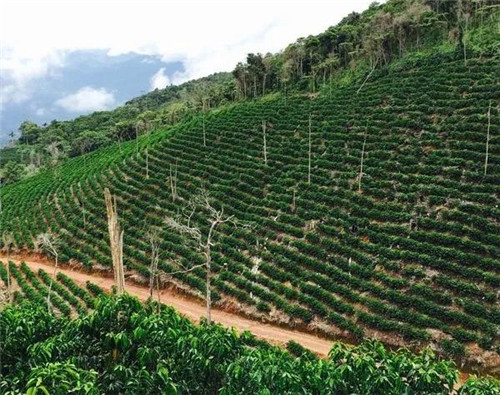
La Paz Caranavi Region
Alasitas Estate lies in the Caranavi region, which enjoys a unique set of geographical advantages. It is the heart of the Amazon basin, with beautiful natural scenery and rich biodiversity that make it well suited to coffee. The estate leaves harvesting paths between the coffee trees in orderly circular patterns; from the air, the farm looks like a fingerprint.
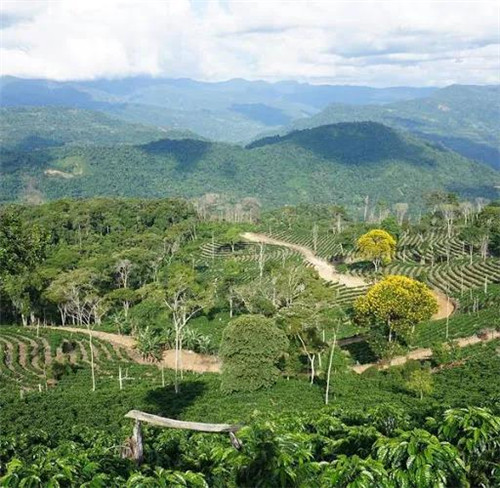
Bolivian coffee production has always been very limited. The Rodriguez family manages coffee from its own farms while also gathering fresh cherries from smallholders in the Yungas region. Working with small farmers in Caranavi, the estate owner sets up processing stations to handle the coffee and guides farmers to pick selectively. When especially high-quality cherries come in, they are processed separately as micro-lots.
Caturra Coffee Variety
FrontStreet Coffee has sourced the Caturra variety from this estate. Caturra is a Bourbon variety, suited to cultivation from as low as 700 meters up to 1800 meters. It adapts well across altitudes, but higher ground delivers better flavor at the cost of a somewhat lower yield.
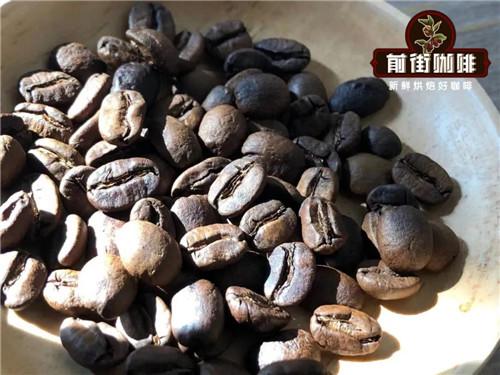
Caturra and Bourbon look very similar and are somewhat hard to tell apart. By appearance, the tip of the Caturra variety is slightly more curved than Bourbon's, and its round, slender shape is its signature trait.
Cocoa Natural Processing
During harvest the estate hires careful pickers who select cherries by hand. They are trained to take only ripe cherries, and they make several passes through the season to ensure the fruit is picked at peak maturity. After harvesting, the cherries are loaded into crates to prevent damage in transit and to keep air moving, which avoids unwanted early fermentation.
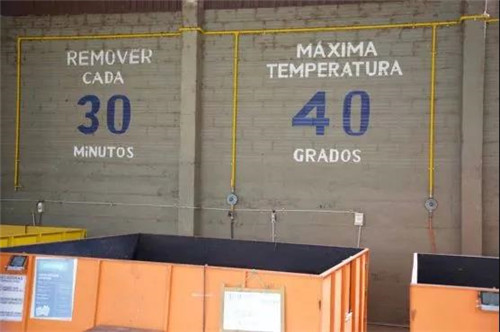
After selection and weighing, the cherries are carefully washed and laid on raised African drying beds, then turned every hour. After about a week they go into cocoa dryers, where the beans rest in large steel barrels at temperatures not exceeding 40°C for about 35 hours, turned every 30 minutes. Once dry, the estate uses machinery for careful hulling and sorting, plus manual sorting under ultraviolet and natural light.
FrontStreet Coffee Roasting Recommendations
Start at 160°C with heat at 120 and the air vent open at 3; the return-to-temperature point comes at 1'32". When the drum reaches 140°C, open the air vent to 4 and keep the heat unchanged. When the drum reaches 154°C, the bean surface turns yellow and the grassy aroma disappears completely, signaling the dehydration stage. At 8'30", ugly wrinkles and black spots appear on the bean surface and the toast aroma clearly turns into coffee aroma, which can be defined as the prelude to first crack.
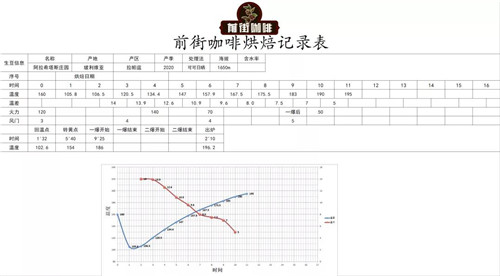
When the drum reaches 180°C, reduce heat to 70. Listen carefully for the sound of first crack. At 9'52", first crack begins; adjust the air vent to 5. When the drum reaches 188°C, reduce heat to 50. Develop for 2'10" after first crack and finish at 196°C.
FrontStreet Coffee Cupping Report
FrontStreet Coffee Brewing Experience
Dripper: Hario V60
Dose: 15g
Ratio: 1:15
Grind: Medium-fine (76% retention rate on a #20 standard sieve)
Water Temperature: 90°C
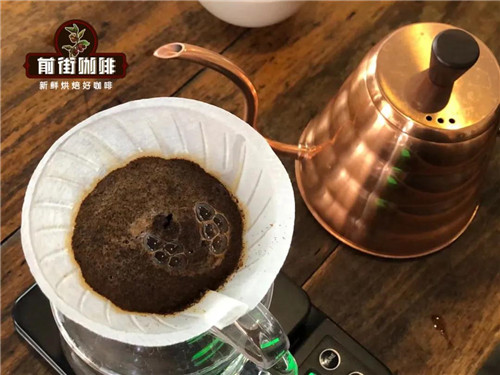
This brew uses a segmented pour. First pour 30g of water for a 30-second bloom, at which point the coffee bed expands into a "hamburger" shape. For the second segment, pour 125g of water in small circles from the center, with the pour height at 4cm and gentle force to minimize disturbance of the bed, at a flow rate of 4g per second. When the water level drops to 1/2 of the coffee bed, start the third segment, again pouring gently from the center outward in circles until you reach 225g. End extraction when all the coffee liquid has dripped through the filter, for a total time of 2'01". After extraction, shake the server gently so the coffee mixes fully before tasting.
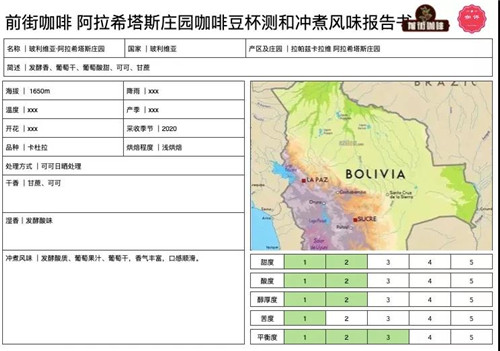
Brewing flavors: Fermented acidity, grape juice, raisins, rich aroma, smooth mouthfeel.
FrontStreet Coffee roasts specialty beans in small batches and ships them soon after roasting so the flavors above land in the cup as intended.
FrontStreet Coffee Recommendation
Natural processing is the oldest way to handle coffee, and still the most widespread: ripe cherries are dried whole in the sun until the moisture target is reached, then hulled to reveal the beans. Because the fruit stays intact through drying, natural coffees tend to be fuller in body and more likely to carry rich, ripe-fruit notes. The weather has to cooperate, though - natural processing needs a run of clear days. FrontStreet Coffee's Yirgacheffe Natural Red Cherry takes fully ripe, deep-red cherries and dries them on raised beds to keep them off the ground and away from insects, dust, and bacteria, with regular turning to even out the heat; after a light-to-medium roast it keeps the elegant florality and bright acidity of Yirgacheffe while adding clear tropical-fruit character, a full fermented sweetness, and a rounded body.
If you want the most famous natural Ethiopian profile, FrontStreet Coffee's Huakui is a strong candidate. Grown at very high altitude in excellent conditions, in fertile soil, and made from carefully selected ripe fruit, it pairs Yirgacheffe's fine aroma with the region's signature natural processing. Huakui is roasted light-to-medium to highlight its character: a light fermented aroma, florality, citrus, and mango, with a dense, layered body, honeyed sweetness, a cocoa edge, a touch of spice, and a long finish. For something closer to home, FrontStreet Coffee's 2013 Natural Yunnan Typica comes from the company's own estate. Yunnan has only a dry and a wet season rather than four distinct seasons, and cherry ripening happens to fall in the sunnier stretch, so the fruit is sun-dried; the long drying brings out a nutty tone with balanced sweet-tart acidity, a little more sweetness than a typical washed coffee, berry-like acidity, and notes of dried apricot, brown sugar, and a light tea quality.
Brazil is best known for pulped natural, but FrontStreet Coffee's Brazil Queen Estate chooses to dry cherries on raised racks and turn them constantly so every cherry sees the sun, finishing with mechanical drying to hit the right moisture. The result is stable, long-keeping green coffee with low moisture; brewed as pour-over, French press, or a drip bag, it gives the fresh sweetness of sugarcane juice, black tea, soft fruit sweetness, clear nuttiness, and a balanced, gentle acidity with a faint, clean bitterness, all wrapped in rich chocolate and nut aroma.
Important Notice :
FrontStreet Coffee is a long-established specialty coffee roaster in Guangzhou China, selling freshly roasted beans from its own farm in Yunnan as well as dozens of carefully selected single-origin beans from around the world for both pour-over and espresso. The products deliver consistently excellent quality and great value, with shipping within 24 hours. Guangzhou's FrontStreet Coffee shop is recommended by many coffee lovers, and the beans are now available online at the Tmall 。
FrontStreet Coffee has moved to a new address:
FrontStreet Coffee Address: 315,Donghua East Road,GuangZhou
Tel:020 38364473
 Scan and follow the En Gafei WeChat official account. Please indicate that the reprint comes from "En Gafei".