Ethiopia Single Estate Project | Bita Estate Local Heirloom Natural G1 from Kaffa Forest Region
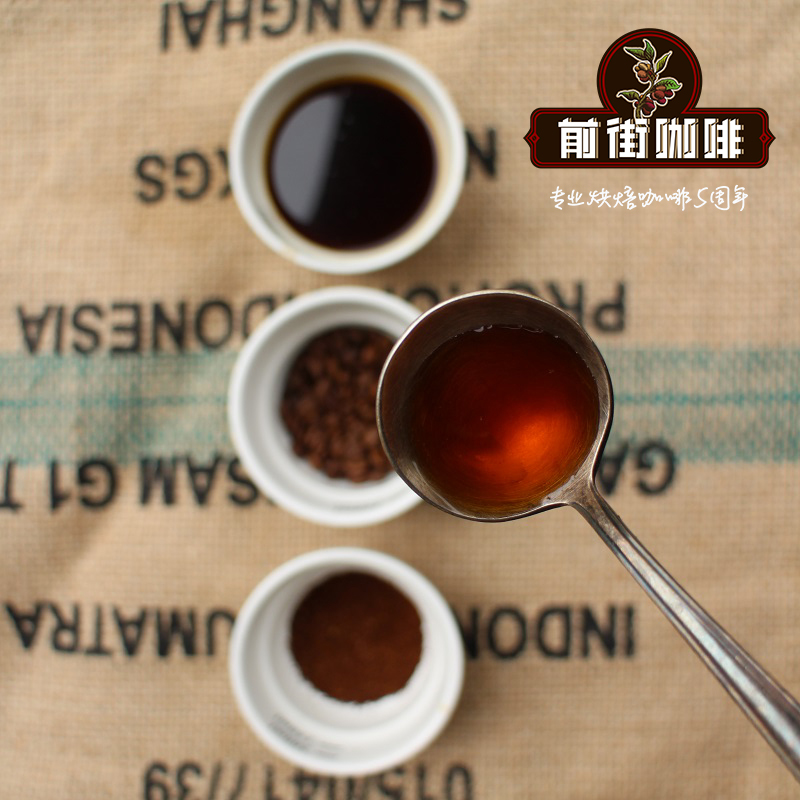
Ethiopian coffee rarely gets more primal than this: a natural-processed G1 lot picked from genuinely wild coffee trees in the Kaffa Forest, the very birthplace of the species.
Ethiopia Single Estate Project | What are the Flavors of Natural Process G1 from Local Heirloom Varieties at Bitta Farm in Kaffa Forest Region?
The coffee trees behind this lot grow in Ethiopia's most primitive wild jungle — the Kaffa Forest — where they are an integral part of the forest ecosystem itself. They grow naturally beneath the protection of the rainforest canopy, and the fallen branches and leaves on the forest floor act as the best organic fertilizer imaginable. Many people believe Ethiopia is the birthplace of coffee because the first coffee tree was discovered in the ancient land of "Abyssinia" — present-day Ethiopia. The region where these trees flower is called "Kaffa," and the trees themselves "Kafa" — quite possibly the most original pronunciation of the word coffee.
Ethiopia Single Estate Project
For many years, the overwhelming majority of Ethiopia's coffee changed hands through the E.C.X green-bean trading system. The Single Estate Project was created to build closer bonds with the origin through direct trade with estate owners, while making sure that farmers who grow exceptional coffee are rewarded accordingly. As a bonus, estate-level information gives consumers far more precise data about what they are buying.
Ethiopia Kaffa Forest Bitta Farm
Bitta Farm sits in the Kaffa Forest region of southwestern Ethiopia. To this day, the Kaffa Forest retains the look of traditional Ethiopian primeval forest and preserves a remarkable number of native coffee varieties. Cuppers who have tasted coffees from the Kaffa region broadly agree that it shows unusually diverse flavor profiles. In early 2016, the Shoucheng Coffee team traveled to Ethiopia to negotiate refined natural processing directly with Bitta Farm's owner, confirming along the way that the estate had both the right conditions and the right processes for that style of preparation. Bitta Farm strictly selects only the most suitable cherries for natural processing, and the estate owner trains the cherry pickers while raising wages to reward workers for harvesting only the best fruit. Natural processing here is done on African raised beds, whose superior ventilation keeps the finished coffee remarkably clean for a natural.
Ethiopia Kaffa Bitta Farm Natural G1
■ Country: Ethiopia
■ Region: Kaffa
■ Altitude: 1900m-2000m
■ Processing Method: Natural
■ Grade: G1
■ Variety: Heirloom
■ Flavor Description: Chocolate, pepper, dried fruit, full-bodied
Flavor: Floral, cranberry, berries, cocoa, fruity aromas.
FrontStreet Coffee Recommended Brewing:
■ Dripper: Hario V60
■ Water Temperature: 90°C
■ Grind Size: Fuji Royal grinder setting 3.5
■ Brewing Method: Water-to-coffee ratio 1:15, 15g coffee grounds. First pour 25g water, let bloom for 25s. Second pour to 120g, then stop pouring. Wait until the water level in the coffee bed drops to halfway, then continue pouring slowly until reaching 225g. Extraction time around 2:00.
Analysis: Using a three-stage brewing method to clearly distinguish the flavors in the front, middle, and back end of the coffee. Because the V60 has many ribs and drains quickly, stopping the pour can extend the extraction time.
FrontStreet Coffee Recommendation
Ethiopia is one of the world's great specialty coffee origins, and because it is where coffee began, it harbors countless native varieties — a treasure land in the eyes of coffee lovers, and one whose flavors reward faithful pursuit.
If you are tasting Ethiopian specialty coffee for the first time, FrontStreet recommends starting with the entry-level FrontStreet Washed Yirgacheffe: clear jasmine florals and bright citrus acidity, exactly what baristas mean when they talk about "Yirgacheffe character." Yirgacheffe itself is a small town in southern Ethiopia where spring-like temperatures, drifting mist, and cool humidity let thousands of coffee trees thrive, weaving floral notes and fruit acidity into a light, elegant, tea-like cup reminiscent of a crisp, clean lemon tea.
Most Ethiopian coffee follows a garden-farming model: smallholders deliver harvested cherries to village-level processing stations and sell under the team's name, which is why you see so many cooperative lots — FrontStreet Guadingting Cooperative, FrontStreet Worka Cooperative, FrontStreet Konga Cooperative. The Guadingting Cooperative sits at the southeastern edge of Yirgacheffe in the Worka growing area, originally part of the Worka cooperative under the Yirgacheffe Coffee Farmers Cooperative Union (YCFCU). As the world's coffee hunters chased ever-greater traceability and dug out one independent "single origin" after another, Guadingting — with roughly 300 member farmers — broke away to establish its own cooperative in 2012. Because the pulp is removed before drying, FrontStreet Guadingting coffee shows its inherent aromatics with unusual clarity: citrus and lemon tones with an elegant white-floral character, bright and delicate throughout.
Natural processing works differently. Damaged or moldy cherries are first culled, then the rest are dried in the sun for two whole weeks so the sugars and essence of the fruit soak into the bean; once moisture falls to 12%, the hardened pulp, mucilage, and parchment are scraped away by machine, and the beans still face density and color testing, rejection of defective beans, and a final hand sort. Every bean that survives this gauntlet is a gem — immaculate and richly aromatic. FrontStreet's Yirgacheffe Red Cherry Project natural lot shows peach, cocoa, honey, and lemon.
FrontStreet's Kaffa Forest coffee is the closest cousin to the Bitta lot above. Unlike the garden model of farmers planting coffee behind their homes, the Kaffa Forest is celebrated for wild coffee: trees grow entirely under shade at 1,400-2,100 meters, where a pristine ecosystem, microclimate, red-earth soil, and abundant rainfall create superb growing conditions. FrontStreet roasts it medium-light; ground, it releases an obvious white-floral fragrance, with bright lemon acidity on the palate, sweet orange and bergamot flavors, a light melon-and-nut sweetness in the finish, and a green-tea-like texture.
Important Notice :
FrontStreet Coffee is a long-established specialty coffee roaster in Guangzhou China, selling freshly roasted beans from its own farm in Yunnan as well as dozens of carefully selected single-origin beans from around the world for both pour-over and espresso. The products deliver consistently excellent quality and great value, with shipping within 24 hours. Guangzhou's FrontStreet Coffee shop is recommended by many coffee lovers, and the beans are now available online at the Tmall 。
FrontStreet Coffee has moved to a new address:
FrontStreet Coffee Address: 315,Donghua East Road,GuangZhou
Tel:020 38364473
 Scan and follow the En Gafei WeChat official account. Please indicate that the reprint comes from "En Gafei".