Flavor Profile of Ethiopian Honey-Processed Coffee Beans | Brewing Guide for Guji Chirissa Honey Process Coffee

Ethiopia Guji Chirissa
Honey Processed Ethiopian Coffee Beans
Before sun-drying on African beds, local traditional depulpers are used to remove the pulp while preserving approximately 20-30% of the mucilage. The coffee is then placed directly on African beds for a dry fermentation of 48 hours. This method creates slight fermentation flavors in the mucilage and enhances sweetness.
Once fermentation is complete, the cherries are placed in washing channels to be cleaned, removing any remaining mucilage from the beans. They are then returned to the African beds until dried to a moisture content below 11%, followed by an initial aging period locally before export. This honey processing method differs from those used in Central American countries, resulting in a softer style with higher sweetness and body, while preserving Ethiopia's most distinctive floral and fruity characteristics.
This year's first Ethiopian coffee comes from the Kilenso Mokonisa village in Guji, processed at the Kilenso processing station and selected by green bean supplier Tri-Up. The Kilenso station was established in 1997 and is operated by Nardos Coffee Trading Company. In addition to cherries from its own 150-hectare farm, it also collects from approximately one thousand coffee farmers in eleven surrounding villages. This naturally processed bean features a well-structured citrus profile with rich aroma and flavor.
This year the supplier named the lot after the "Chirissa" family, the source of the green beans. The flavor profile this year is more complete thanks to changes in the post-processing method: during drying, the honey processed coffee was specifically moved under tree shade, which resulted in a fuller body and solid sweetness.
Coffee Details
Region: Guji, Chirissa
Processing: Honey Process
Variety: Heirloom Mixed Varieties
Grade: G1
Roast Level: Light-Medium
Flavor Notes: Honey/Pomelo/Apple
Honey processing is quite rare and relatively new in Ethiopia. We highly recommend it to anyone who loves Ethiopian coffee: experience the different taste sensations this processing method brings.
FrontStreet Coffee's Pour-Over Brewing Method
Coffee Beans: 15 grams
Coffee-to-Water Ratio: 1:15
Hot Water Amount: 225 grams
Temperature: 89-92°C. Most Ethiopian coffees are lightly roasted to preserve more floral and fruity aromas. Lightly roasted beans have a denser structure and resist extraction, so FrontStreet Coffee recommends a higher water temperature.
Grind Setting: Pour-over grind setting. Each brand produces different particle shapes and sizes. FrontStreet Coffee recommends a slightly finer grind, approximately setting 3-4 on a Fujiyama grinder.
Total Brewing Time: About 2 minutes. Bean roast level, density, grind setting, and dripper design all affect flow rate. We recommend enjoying the fun of brewing experimentation.
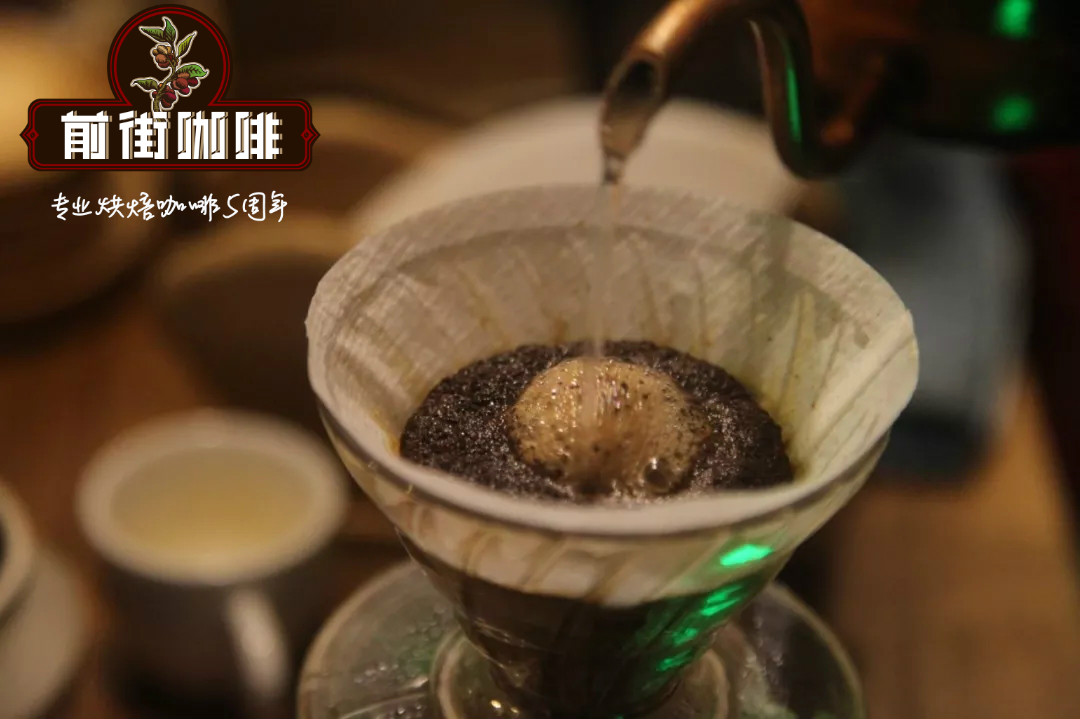
FrontStreet Coffee's Pour-Over Method
The first pour should be about 40 grams, with a bloom of about 25-30 seconds. After blooming, the second pour should be about 50 grams. When the water level is almost drained, the third pour should be about 65 grams. When the water level is almost drained again, the final pour should be about 65 grams, so the scale reads 40-90-155-220 grams in sequence. The final extracted coffee liquid should be about 190cc.
All pours should be done in circular motions, starting from the center and moving outward, then from outside to inside.
Required Equipment for Pour-Over: Grinder (we can grind for you), pour-over kettle, dripper, filter paper, scale (recommended), server (any container that can support the dripper), and hot water at about 90°C, never boiling water.
FrontStreet Coffee Recommendation
Honey processing is still a relative newcomer in Ethiopia, where most lots are washed or natural, and FrontStreet's Ethiopian lineup lets you taste all three approaches side by side. The washed Yirgacheffe is the classic entry point, with clear jasmine and bright citrus acidity that drink like a clean, refreshing lemon tea. The Gutiti cooperative, a single-producer lot from the Wolka area in southeastern Yirgacheffe that became independent in 2012 with about 300 member farmers, strips the pulp before drying so the bean's own aroma comes through even more clearly, expressing citrus and lemon with elegant white florals.
For the fruitier, naturally processed side that matches the Chirissa's fuller body, FrontStreet's sun-dried Flower Queen comes from the Hambella area of Guji in Sidama. Its 200-hectare farm uses a traditional natural method, drying the ripe cherries on raised beds for 21 days and turning them constantly for even drying, with any defective or moldy beans hand-sorted every three to five days; after a medium-light roast it shows light winey fermentation, florals, citrus, and mango, with honey sweetness, a cocoa edge, spice, a thick body, and a long finish. FrontStreet's Hamasho 74158 is another highlight, built mainly on disease-resistant JARC 74-series varieties, with small beans and a striking floral-fruity aroma of perfume lemon, strawberry, and star fruit, finishing with green grape sweetness and a gentle floral lift.
Important Notice :
FrontStreet Coffee is a long-established specialty coffee roaster in Guangzhou China, selling freshly roasted beans from its own farm in Yunnan as well as dozens of carefully selected single-origin beans from around the world for both pour-over and espresso. The products deliver consistently excellent quality and great value, with shipping within 24 hours. Guangzhou's FrontStreet Coffee shop is recommended by many coffee lovers, and the beans are now available online at the Tmall 。
FrontStreet Coffee has moved to a new address:
FrontStreet Coffee Address: 315,Donghua East Road,GuangZhou
Tel:020 38364473
 Scan and follow the En Gafei WeChat official account. Please indicate that the reprint comes from "En Gafei".