Coffee Varieties and Processing Methods in Costa Rica_Las Lajas Estate Raisin Natural
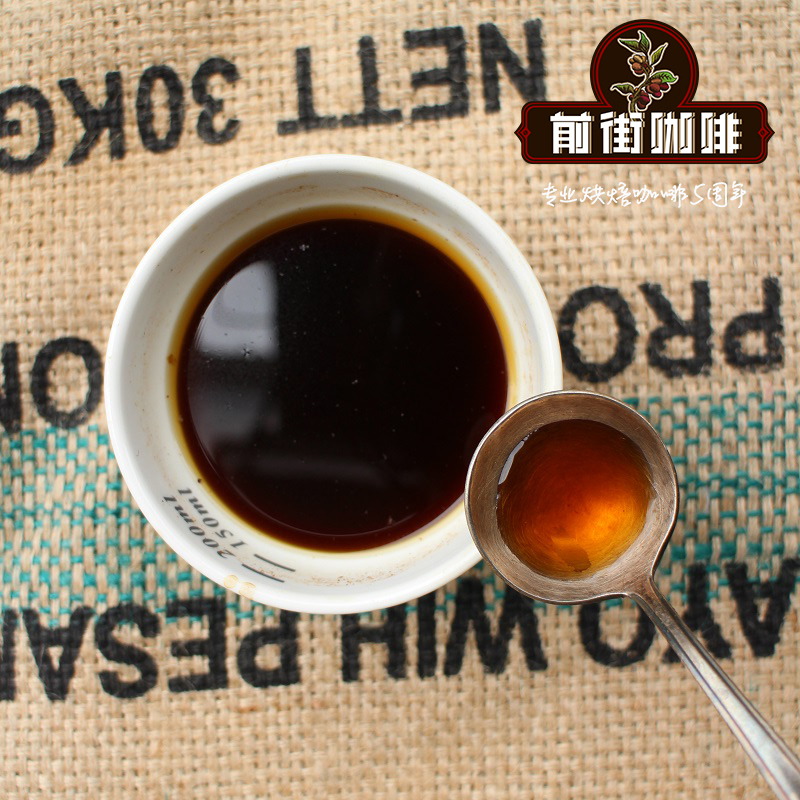
Costa Rica Coffee SL28 Raisin Natural Process - Las Lajas Farm
By the way, here are some recent notes on Costa Rican coffee varieties and processing methods.
If anything here differs from what you imagined, it is simply because knowledge keeps updating and generations change.
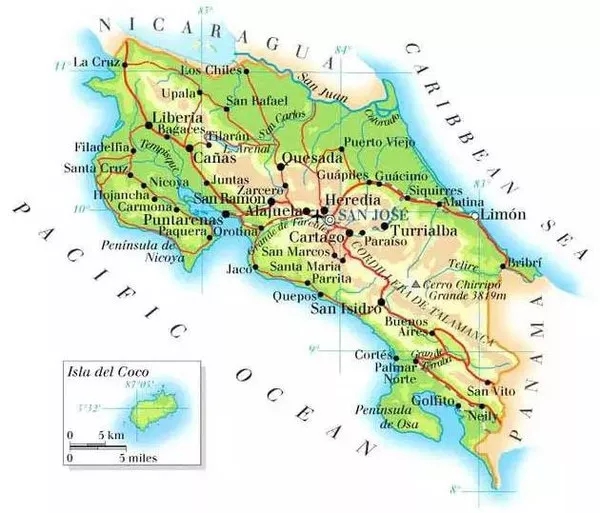
Costa Rica: A Famous Coffee-Producing Country in Central America
Costa Rica is a renowned coffee-producing country in Central America, and I absolutely love the sweetness of its coffee. But what does that have to do with Kenya's SL28, on the other side of the Atlantic Ocean? Natural process is natural process, but what on earth is raisin natural process?
Let's Talk About SL28 First
Everyone knows that the SL28 and SL34 varieties have been popular in Kenya on the African continent for many years. The large beans descend directly from ancient Bourbon. Kenya's exceptionally high-phosphate soil has nurtured a unique "berry" flavor memory, and those familiar with it will recognize that, compared with Ethiopian beans of similar floral and fruity character, it is remarkably distinctive.
Despite being delicious, it yields poorly. In recent years Kenya has been developing improved varieties, so the delicious SL28 is becoming increasingly rare: drink it once, and there is one less time to enjoy it. This Costa Rican SL28 was of course introduced from the same Kenyan variety. Even in its homeland it is scarce, and this precious variety so far from home yields even less. The scarcer it is, the more expensive it is to care for, so in Central America the price of SL28 sometimes even competes with the popular Geisha variety.
Costa Rica Las Lajas Farm
Transplanted across oceans, the soil, climate, altitude, and cultivation techniques all changed, and so did the flavor.
The flavor profile of this Costa Rican SL28 is described as:
Wine, blackcurrant, preserved fruit.
Of course, with a different roasting approach, how to express these diverse and charming flavors, combined with your own brewing skills, is up to you to explore. As long as you like it, that's what matters.
Let's Talk About Raisin Natural Process
Among Costa Rican coffee processing methods, there is one particularly noteworthy "Raisin Natural Process."
Since this year's WBC World Championship showcased various oxygen-related post-processing methods such as aerobic fermentation, anaerobic fermentation, and co-anaerobic fermentation, it seems coffee bean post-processing has entered a frenzied state. Led by honey processing, the variations now number more than we have fingers to count. Besides the familiar red honey, black honey, yellow honey, and golden honey, there are now diamond yellow honey, anaerobic honey processing, black pearl, black soul, and more, and it seems there will only be more in the future.
The natural process group has not been outdone either and has started its own variations. Everyone knows that with the natural process, red cherries are picked and placed on the ground or on racks with their skin and pulp to dry, without going through washing-tank fermentation; when dried completely, this is called the Full Natural Process.
(Removing the skin and pulp, soaking and fermenting in the washing tank, then cleaning, is called Full Wash; keeping a little or a lot of mucilage with its viscous texture, then soaking and fermenting or doing a more elaborate fermentation, is called Honey Process, also known as incomplete washing. The thickness of the mucilage and the number of turns determine the various names of honey processing.)
So what is raisin natural process? Let's first sort out the sequence:
Step 1: On the day of picking, fruits arrive at the processing plant at noon for cleaning, then are dried on African beds for 5 days, turned once every two hours.
Step 2: Shade-dried on concrete floors in shade structures for 10-15 days, spread 10-15cm thick. After drying for two hours during the day, they are covered with plastic sheets for semi-isolation from the air, allowing them to release moisture inside the plastic, then the plastic is opened for close contact with the air for two hours, after which it is covered again. This process repeats over and over.
Step 3: At night, they are piled into small mounds and covered with black plastic sheets. Fermentation continues vigorously, sweetness rises, and wine flavors emerge.
Step 4: When moisture drops to 11%, they are bagged and put into the warehouse, left unsealed at the top. During this time, moisture naturally drops to 10.5%. The entire process uses long-term shade drying. After processing, the beans look like raisins, with sticky components coating the surface.
The result is a preserved-fruit state, intensely sweet.
About Farms and Organic Coffee
Las Lajas Processing Station
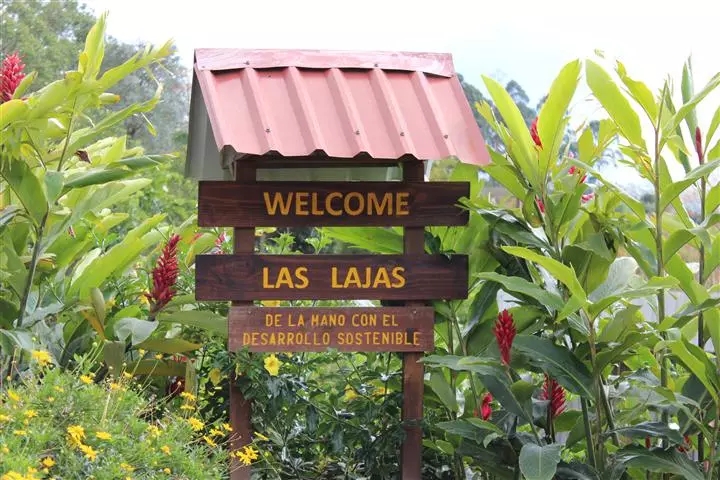
Las Lajas Farm is an officially certified organic farm in the central region of Costa Rica. The certification covers the use of an organic agricultural management system, without pesticides. Because no pesticides are used, more expensive biotechnology is chosen for disease prevention. During post-processing, organic fruits cannot use the same equipment as non-organic fruits: the rules are that strict. (Las Lajas has applied for organic certification from Costa Rica, the European Union, and the United States, but not yet from China, so organic certification cannot be indicated in online sales.)
It must be said that, as the two most stable coffee-producing countries in Central America, Costa Rica and Panama have coffee processing technology and equipment that are far ahead at the source.
Product Details
Product Name: Costa Rica SL28 2018 Latest Harvest Micro-lot
Processing Method: Raisin Natural Process / Costa Rica
Country: Costa Rica
Region: Central Valley
Farm: Las Lajas
Altitude: 1550m
Batch Number: 815
Flavor Profile: Wine, blackcurrant, preserved fruit
FrontStreet Coffee Recommended Brewing Method: Pour-over
Filter: Hario V60
Water Temperature: 90°C
Coffee-to-Water Ratio: 1:15
Grind Size: BG 5R (China standard 20-mesh sieve pass rate 58%)
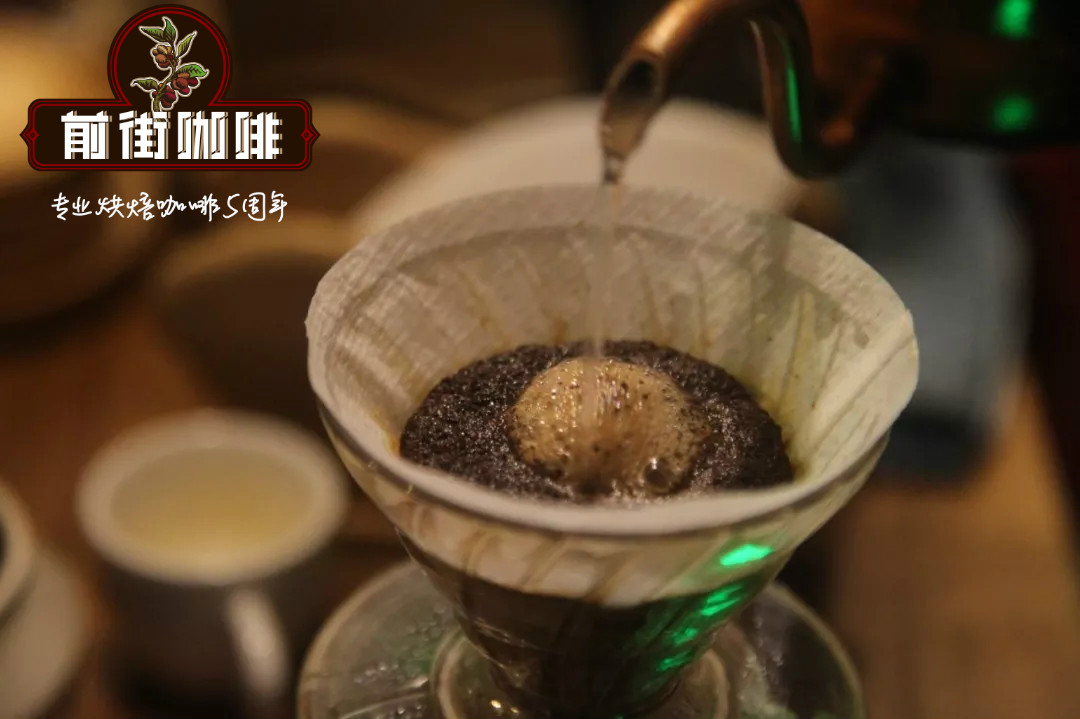
Brewing Technique: Bloom with 32g of water for 32 seconds, then pour in stages to 126g. When the water level drops and is about to expose the coffee bed, continue pouring to 228g and stop. When the water level drops and is about to expose the coffee bed again, remove the filter cup. (Timing starts from the bloom.) Extraction time is 1 minute and 50 seconds.
FrontStreet Coffee Recommendation
The long, drawn-out shade drying behind Las Lajas' raisin natural process is really a way of chasing fruit sweetness and complexity, and FrontStreet's own naturally processed coffees are built around the same idea. Sun-dried processing lets ripe cherries dry with their pulp and skin intact so the fruit sugars and essence seep into the bean, and by the time the cherries are cooled to about 12% moisture the dried pulp, mucilage, and hull are scraped away. FrontStreet's sun-dried Red Cherry uses only fully ripe, sound cherries and dries them in the sun for two weeks before that final screening, giving a clean, fruit-forward cup with notes of peach, cocoa, honey, and lemon.
For a fuller, more layered naturally processed cup, FrontStreet's Flower Queen comes from the Hambella area of Guji in Sidama, grown on a 200-hectare farm using the traditional natural method. The ripe cherries are dried on raised beds for 21 days and turned constantly for even drying, with defective or moldy beans hand-sorted every three to five days, and the medium-light roast brings out light winey fermentation, florals, citrus, and mango, with honey sweetness, a cocoa edge, spice, a thick body, and a lingering finish. If you prefer a cleaner, more floral style, FrontStreet's washed Yirgacheffe shows jasmine and bright citrus acidity, and the Kafa Forest lot, grown in shaded conditions at 1400-2100 meters and roasted medium-light, offers white florals, bright lemon acidity, and notes of sweet orange and bergamot over a tea-like body.
Important Notice :
FrontStreet Coffee is a long-established specialty coffee roaster in Guangzhou China, selling freshly roasted beans from its own farm in Yunnan as well as dozens of carefully selected single-origin beans from around the world for both pour-over and espresso. The products deliver consistently excellent quality and great value, with shipping within 24 hours. Guangzhou's FrontStreet Coffee shop is recommended by many coffee lovers, and the beans are now available online at the Tmall 。
FrontStreet Coffee has moved to a new address:
FrontStreet Coffee Address: 315,Donghua East Road,GuangZhou
Tel:020 38364473
 Scan and follow the En Gafei WeChat official account. Please indicate that the reprint comes from "En Gafei".