Moka Pot Coffee Brewing Tips: Which Coffee Beans are Best for Moka Pot: Moka Pot vs Coffee Machine - Which is Better?

Introduction to Moka Pot
As specialty coffee culture has spread, many people have fallen in love with the rich, smooth taste of espresso. As a result, plenty of coffee enthusiasts have asked FrontStreet Coffee whether there is a cost-effective espresso maker worth recommending. Of course there is. The small, charming moka pot is both portable and affordable, which makes it a natural fit for enthusiasts on a limited budget. In this article, FrontStreet Coffee explains the techniques and background you need to use one well.
What is a Moka Pot?
Anyone who loves espresso knows that it originated in Italy. Italians are devoted to coffee — it is no exaggeration to say they treat it like water. But buying every cup at a café would be a huge expense.

It was against that background that the Italian inventor Alfonso Bialetti created the moka pot in 1933. It brews coffee mainly by heating from the base and works on a distillation principle. It is the most accessible way to make espresso at home, and for that reason it is a fixture in Italian kitchens.
How a Moka Pot Works
A moka pot has three parts: the upper chamber, the filter basket and the lower chamber. The lower chamber holds water, the filter basket holds finely ground coffee, and the upper chamber collects the brewed coffee. FrontStreet Coffee's diagram below shows the layout.
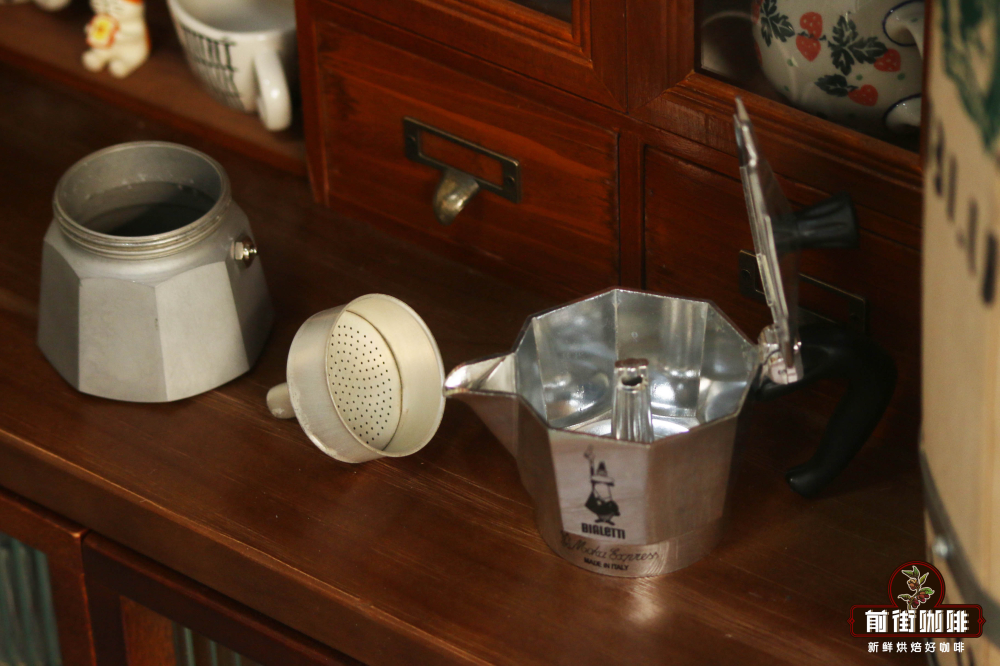
The extraction principle is simple: it relies on the steam pressure built up in the lower chamber. Once the pressure is strong enough to penetrate the coffee bed, it pushes hot water up into the upper chamber and brews an aromatic cup. Using the vapour pressure of boiling water, a moka pot extracts coffee with a flavor close to espresso, and it is very easy to operate.
Equipment Needed for Making Espresso with a Moka Pot:
- Moka pot
- Gas stove with a rack, or an induction cooker
- Coffee beans
- Coffee grinder
Now that you understand the basic working principle, how exactly do you use one? FrontStreet Coffee will walk through it step by step.
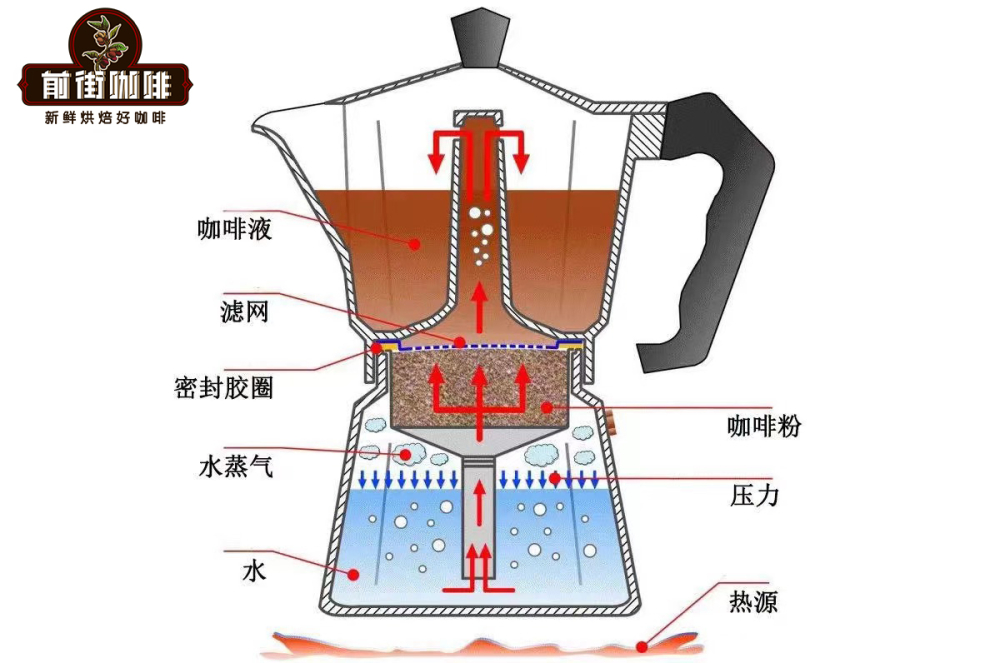
- Although FrontStreet offers many beans to choose from, FrontStreet Coffee recommends a medium-dark roast single-origin coffee here. Coffee brewed in a moka pot tends to be rich, and a darker roast brings out that full-bodied quality more clearly. For this demonstration, FrontStreet Coffee uses Golden Mandheling beans.
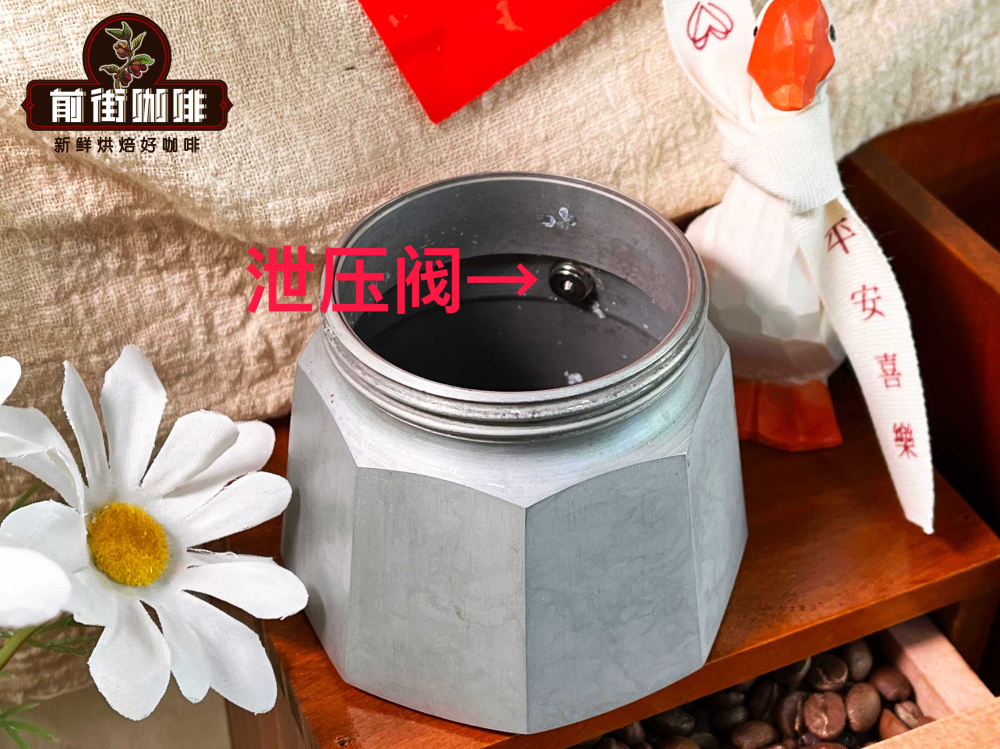
- Pour pure water into the lower chamber, filling it to about 0.5cm below the pressure-relief valve.
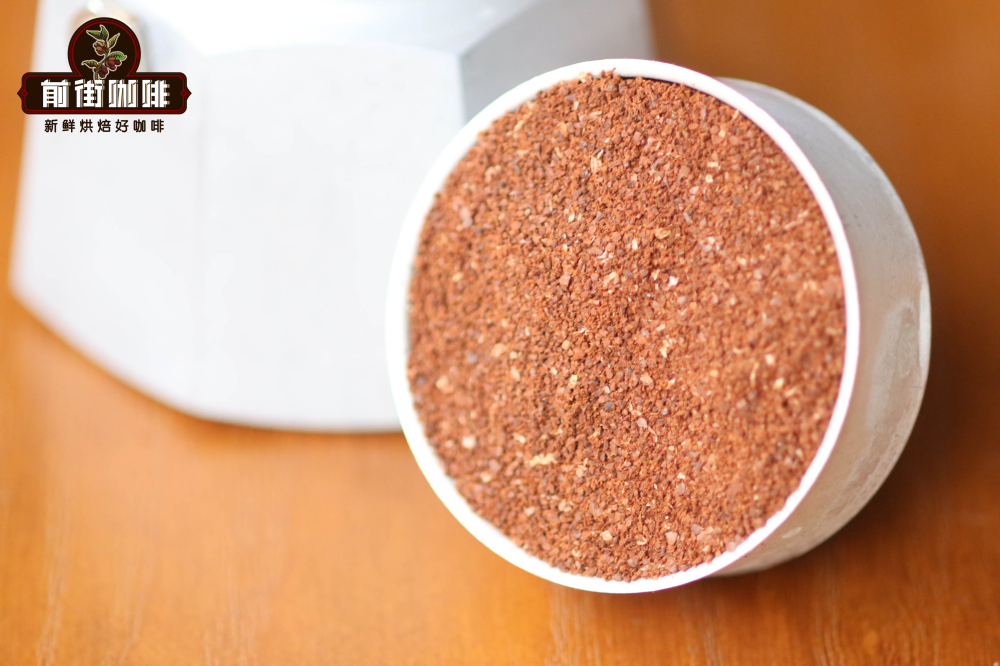
- Choose a grind slightly coarser than espresso. You can judge by the mesh of the filter basket to make sure the particles won't fall through into the lower chamber. FrontStreet Coffee suggests pouring the grounds in slowly and tapping gently to spread them evenly. Once the coffee forms a small mound, level the surface with distribution techniques. Filling the basket completely helps avoid extracting unwanted off-flavors, because when the density of the coffee bed is more uniform, some grounds aren't over-extracted while others are under-extracted — which is what produces an uneven cup or bitterness.
- Seat the filter basket in the lower chamber, screw the upper and lower halves together, and set the pot on an electric ceramic stove over high heat.
- When the pot reaches temperature and makes a distinct "whistling" sound, turn the ceramic stove down to low heat and open the lid of the upper chamber.
- When the coffee in the upper chamber reaches halfway, turn off the stove. The residual heat and pressure will push the rest of the coffee up into the upper chamber.
- Once all the coffee has been extracted into the upper chamber, pour it into a cup and enjoy. Coffee from a moka pot is very rich and can even produce crema. You can also dilute it with appropriate amounts of water or milk for an even better result.

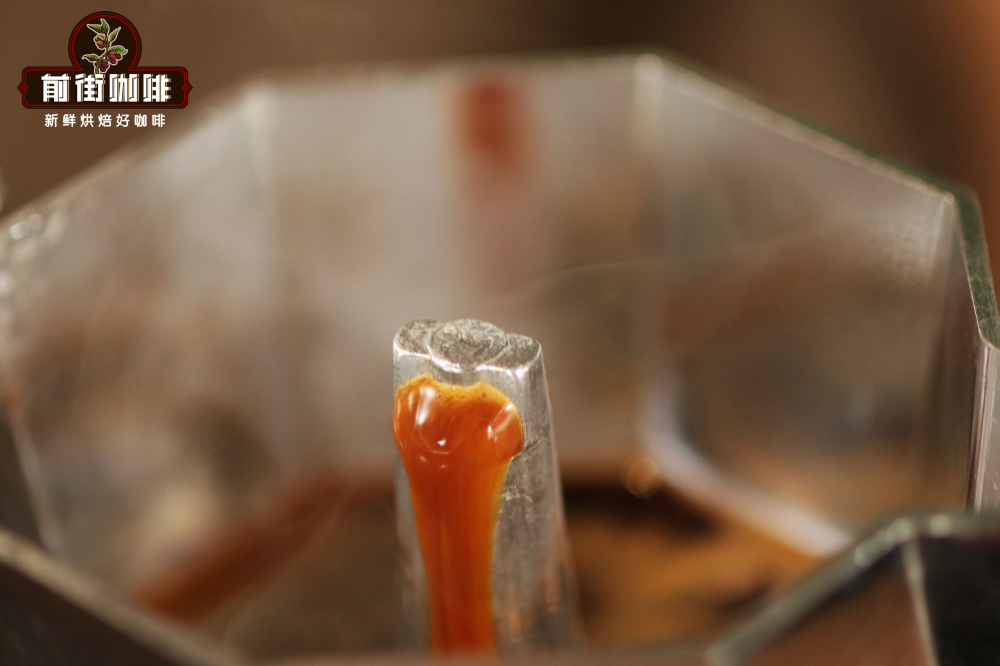

One clarification from FrontStreet Coffee: the crema mentioned here is actually countless tiny carbon dioxide bubbles. As the roast level deepens, the coffee becomes richer and the beans also hold more carbon dioxide to release. That is precisely why moka pots suit medium-dark roast beans.
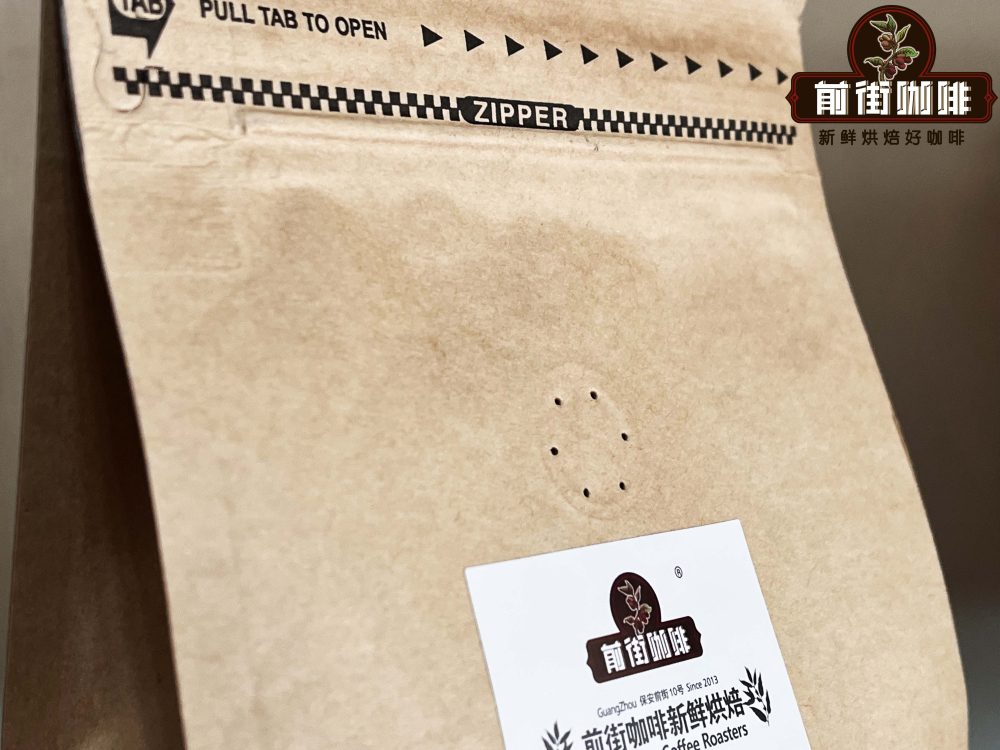
Coffee beans shipped by FrontStreet Coffee are roasted within 5 days. Even if you want rich crema, the beans need a 4 to 7-day resting period for the flavors to stabilize. By the time FrontStreet Coffee's beans reach you, they have just finished resting and are at their best. FrontStreet Coffee also offers a grinding service, but once beans are ground into fine powder they begin releasing gas rapidly and flavor compounds dissipate with it. FrontStreet Coffee therefore recommends buying whole beans and grinding fresh for each brew.
That covers FrontStreet Coffee's summary of moka pot technique and background. Next, FrontStreet Coffee recommends some medium-dark roast single-origin beans that are especially suited to the moka pot.

What Coffee Beans Are Suitable for Moka Pot Brewing?
Europeans prefer a rich cup, and the arrival of the moka pot partly replaced the early commercial espresso machines. In other words, coffee brewed in a moka pot resembles the espresso of the early 20th century. As FrontStreet Coffee noted above, brewing medium-dark roast beans in a moka pot produces a richer, better-tasting cup. Adding milk or making espresso are both excellent choices.
With lightly roasted beans, the lighter roast level leaves the taste thinner than a dark roast, and if the brewing parameters drift even slightly you may run into sharp acidity or bitterness.
FrontStreet Coffee believes Latin American beans are especially well suited to espresso, because they tend to be balanced, with nutty and cocoa notes and a rich, smooth mouthfeel. Brazil Queen Estate and Colombia Huilan are both excellent examples. FrontStreet Coffee introduces their basic information and flavor profiles below.
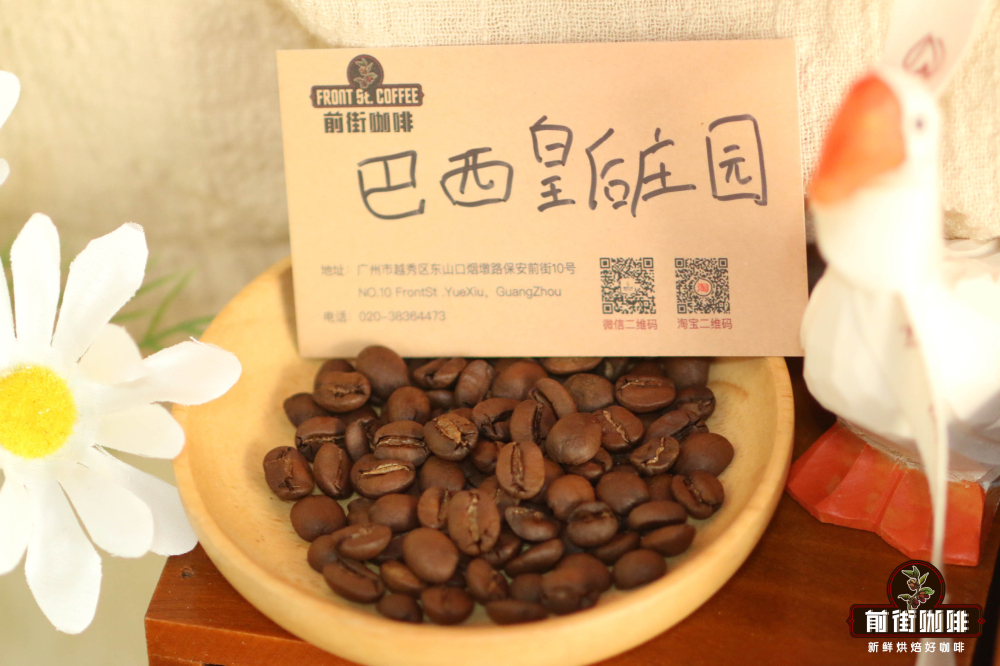
FrontStreet Coffee Brazil Queen Estate Coffee Beans
- Region: Mogiana, São Paulo, Brazil
- Estate: Queen Estate
- Altitude: 1400-1950m
- Variety: Yellow Bourbon
- Processing: Natural
- Flavor: Nuts, chocolate, cream, peanut, caramel
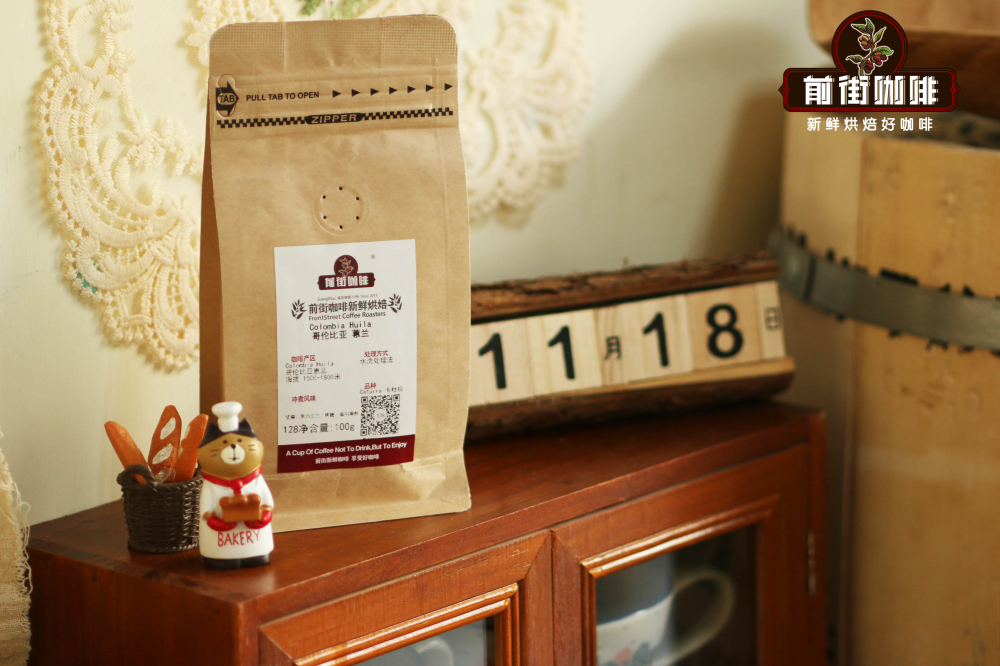
FrontStreet Coffee Colombia Huilan Coffee Beans
- Region: Huilan, Colombia
- Altitude: 1500-1800m
- Variety: Caturra
- Processing: Washed
- Flavor: Dark chocolate, nuts, caramel, soft fruity acidity
FrontStreet Coffee Recommendation
FrontStreet Brazil Queen Estate Coffee Beans — Sourced from the Mogiana region of São Paulo, near South Minas, where fertile red volcanic soil feeds the fruit and builds a full aroma. Some farms here keep to traditional methods while others have modernised, and the result is a marked improvement in quality. The variety is the rare Yellow Bourbon, a mutation of Red Bourbon with a cleaner fruit character and the classic Brazil profile: low acidity, a balanced body, intense nut and cocoa aromas and an unmistakable caramel sweetness, smooth rather than astringent and long and gentle on the finish. It works for pour-over, espresso and the moka pot alike, and it also shows a sugarcane-like sweetness that other origins rarely deliver.
FrontStreet Colombia Huilan Coffee Beans — Huila province, in the southern part of Colombia's Central Cordillera, is Colombia's best-known specialty coffee region. Ringed by mountains and planted above 1,500 meters, it is where Colombia's most important rivers converge, bringing abundant water and humidity. Colombian coffee is prized for its soft florals and gentle fruit acidity, and this washed Huilan lot is a fine showcase of the origin.
FrontStreet Classic Espresso Blend — Tailored specifically for espresso and the moka pot, its greatest strength is outstanding crema: even a beginner using a non-professional home machine can pull a dense, fine crema. The lattes, cappuccinos and Dirty coffees we drink every day all depend on good crema, and this blend hits that need exactly. It follows the traditional Mamba recipe, giving a full, mellow, rounded body that veterans and newcomers alike find easy to enjoy — an all-round first choice for home or café use.
Important Notice :
FrontStreet Coffee is a long-established specialty coffee roaster in Guangzhou China, selling freshly roasted beans from its own farm in Yunnan as well as dozens of carefully selected single-origin beans from around the world for both pour-over and espresso. The products deliver consistently excellent quality and great value, with shipping within 24 hours. Guangzhou's FrontStreet Coffee shop is recommended by many coffee lovers, and the beans are now available online at the Tmall 。
FrontStreet Coffee has moved to a new address:
FrontStreet Coffee Address: 315,Donghua East Road,GuangZhou
Tel:020 38364473
 Scan and follow the En Gafei WeChat official account. Please indicate that the reprint comes from "En Gafei".