7 Brewing Methods for Jamaican Blue Mountain Coffee: How to Properly Brew Blue Mountain No.1 Coffee?

The FrontStreet Blue Mountain No. 1 coffee beans currently sold by FrontStreet Coffee come from Jamaica's Clifton Estate. The estate is the oldest coffee-producing area in Jamaica still in operation, and only Clifton Farm in Jamaica holds the Rainforest Alliance Green Tree Frog certification. It is recognized as a world-renowned Blue Mountain producing region of exceptional quality. Its elegant Great House Farm sits in the Newcastle area of the island, on the eastern slope of Catherine's Peak at an altitude of 1,310.64 meters.
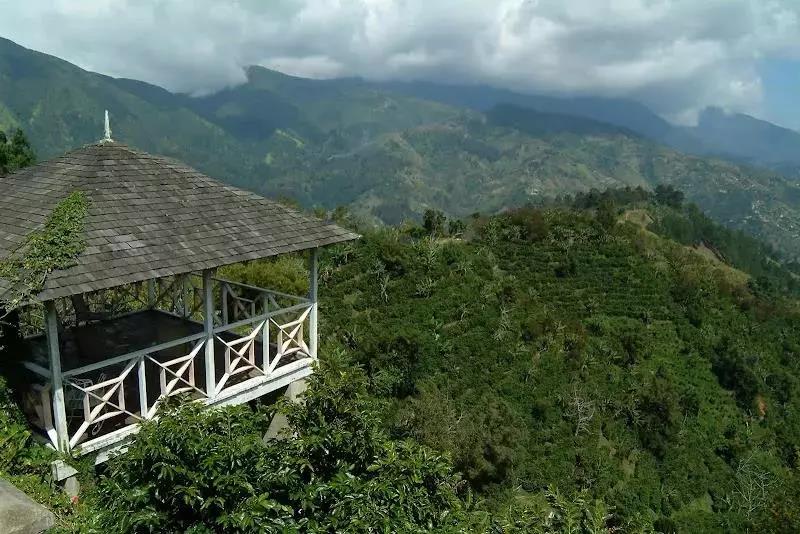
As early as the mid-18th century, around 1750, Clifton Farm began planting and producing coffee. Today's Clifton Farm is the largest estate in the region, though by international standards it is still small-scale cultivation, with many estate owners being small landholders; the Sharp family has worked this land for two centuries. The area has sufficient altitude, gentle afternoon clouds and mist that shade the mountain forests, ample sunlight, and mineral-rich soil, offering excellent conditions for coffee trees and extending the maturation period of the cherries.
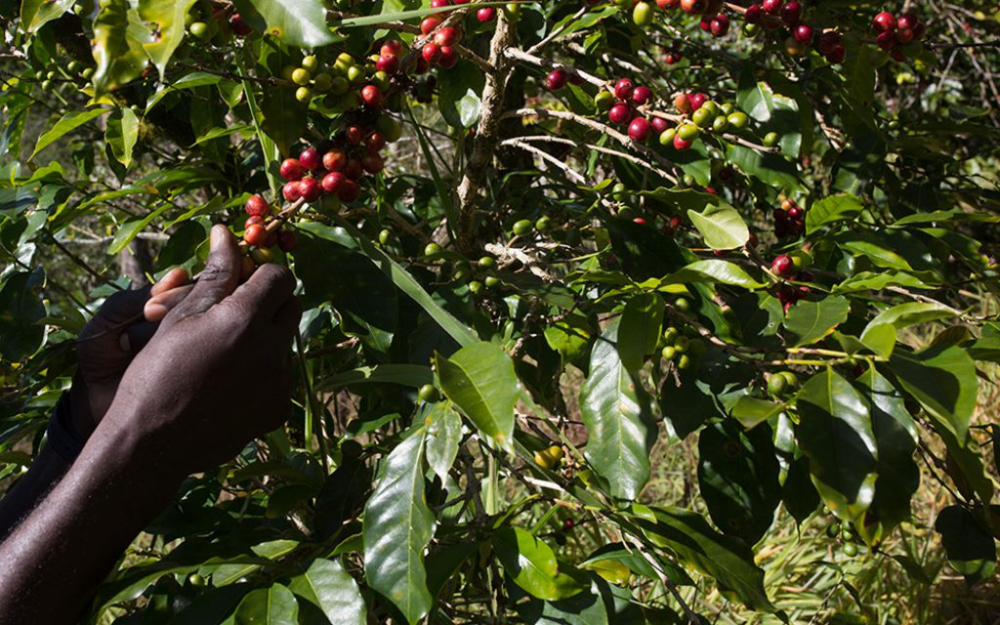
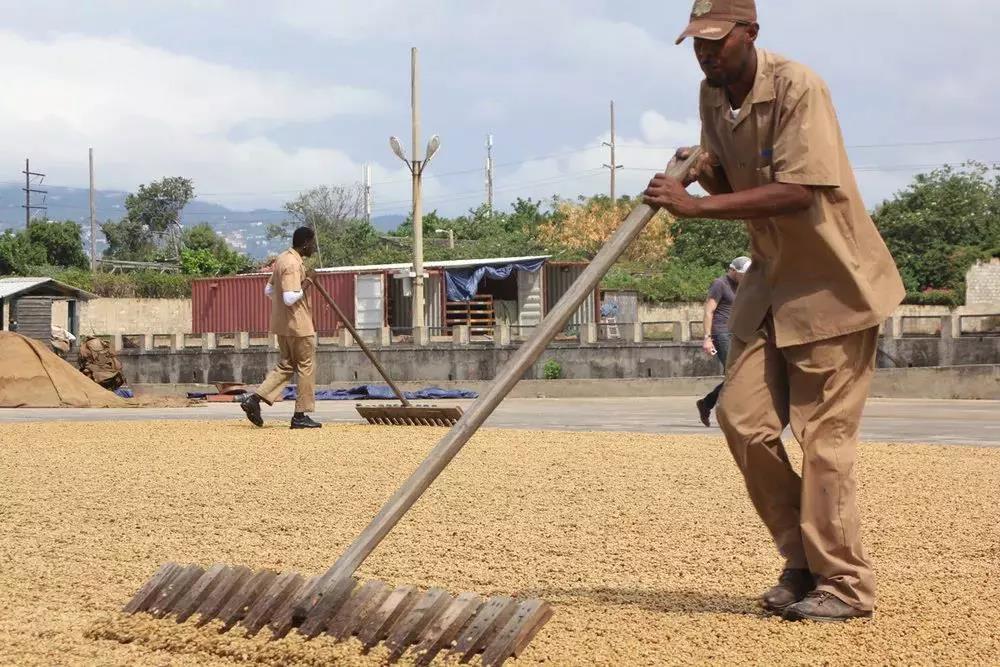
The FrontStreet Blue Mountain pour-over prepared daily by FrontStreet Coffee's baristas uses the washed method, which relies on washing and fermentation to remove the fruit skin, pulp, and mucilage. During processing the skin and pulp are removed first, allowing fermentation for 12-18 hours; the fermented beans are then placed in pools, where continuous fresh water is introduced to move them back and forth, using the friction between beans and the power of flowing water to wash them until they are smooth and clean.
Blue Mountain coffee is divided into four grades, ranked by quality from highest to lowest as NO.1, NO.2, NO.3, and PB (Peaberry). Under CIB standards, only coffee grown above 666 meters may be called "Jamaica Blue Mountain Coffee." Coffee produced below 666 meters in the Blue Mountain region is called "Jamaica High Mountain Coffee," while coffee grown outside the range is simply "Jamaica Coffee." The basic standards for NO.1 Blue Mountain green beans include beans of 17 screen or larger, a defect rate below 3%, moisture content around 13%, and the Typica variety.
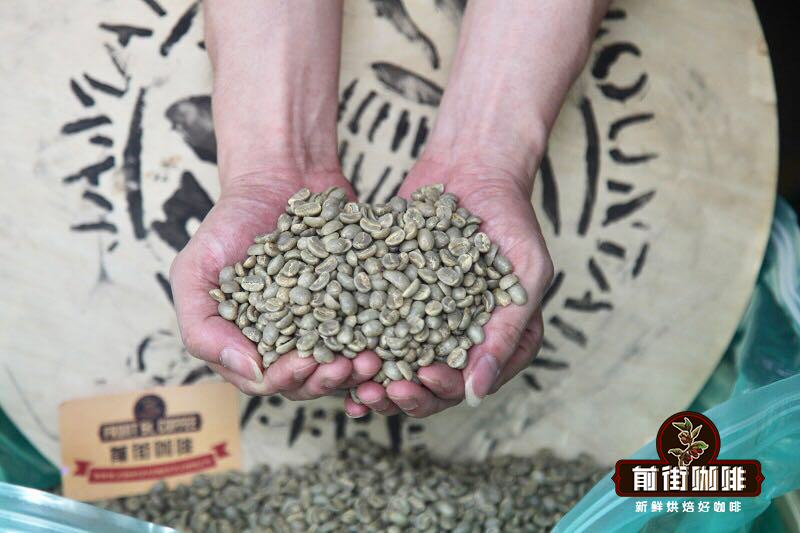
Genuine "Jamaica Blue Mountain Coffee" comes with a certificate of origin and is exported in wooden barrels. At FrontStreet Coffee's physical stores you can see the certificates issued by Clifton Estate and the wooden barrels printed with the green tree frog logo. Clifton Estate is the only coffee estate certified by the Rainforest Alliance (RFA), and the certification is granted only to those meeting the Sustainable Agriculture System Standards.
FrontStreet Blue Mountain No. 1 Brewing Methods
Once your FrontStreet Blue Mountain No. 1 coffee beans arrive home, how should you brew them? FrontStreet Coffee recommends 7 brewing methods.
1. Espresso and Latte
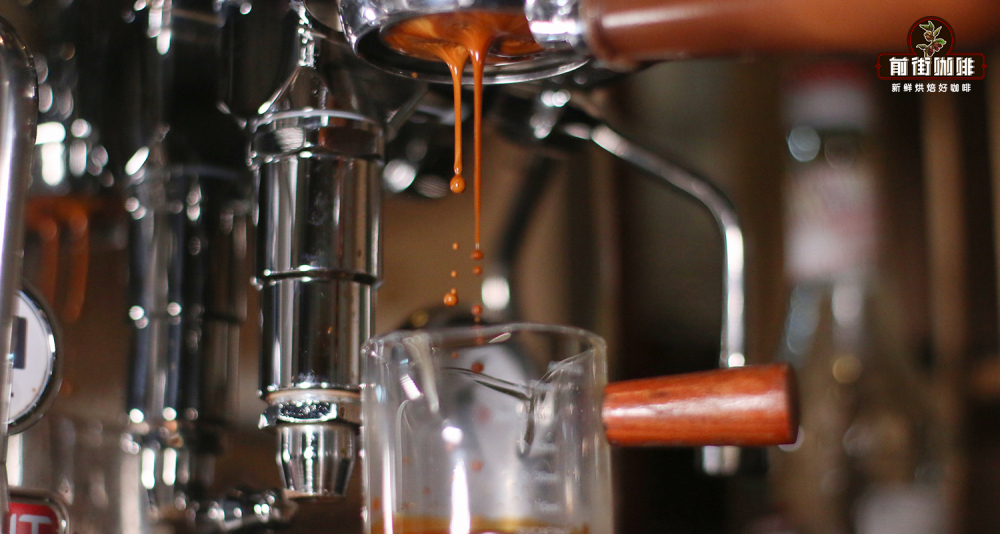
Did you know that FrontStreet's Blue Mountain No. 1 can also be used for espresso? How is Blue Mountain SOE made? Proper puck distribution, leveling the coffee surface before tamping, requires about 25kg/m² of pressure (though we use a calibrated tamper for consistent pressure), with an extremely fine grind similar to salt.
Extract 40g of liquid from 20.5g of coffee grounds over 26 seconds (a single basket fully loaded with 14g, a double basket with 22g). Because the beans are relatively fresh, the crema is moderate, presenting a golden color with a rich caramel aroma. When tasting, you first meet a soft fruity acidity, then caramel sweetness, finishing with chocolate and brown sugar.
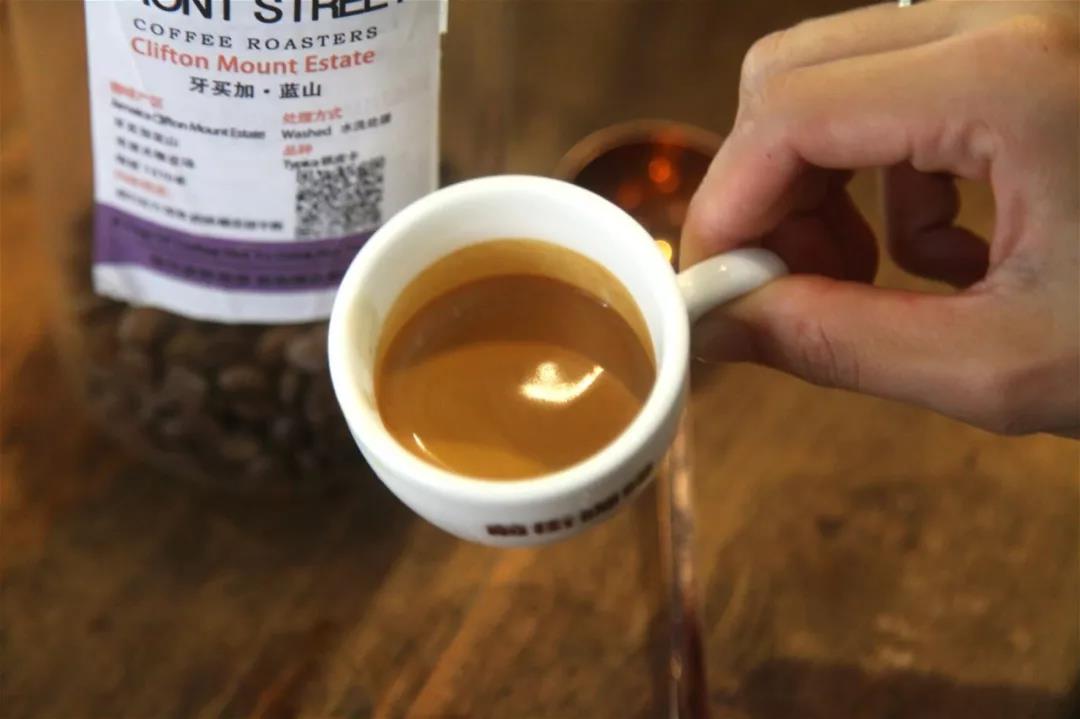
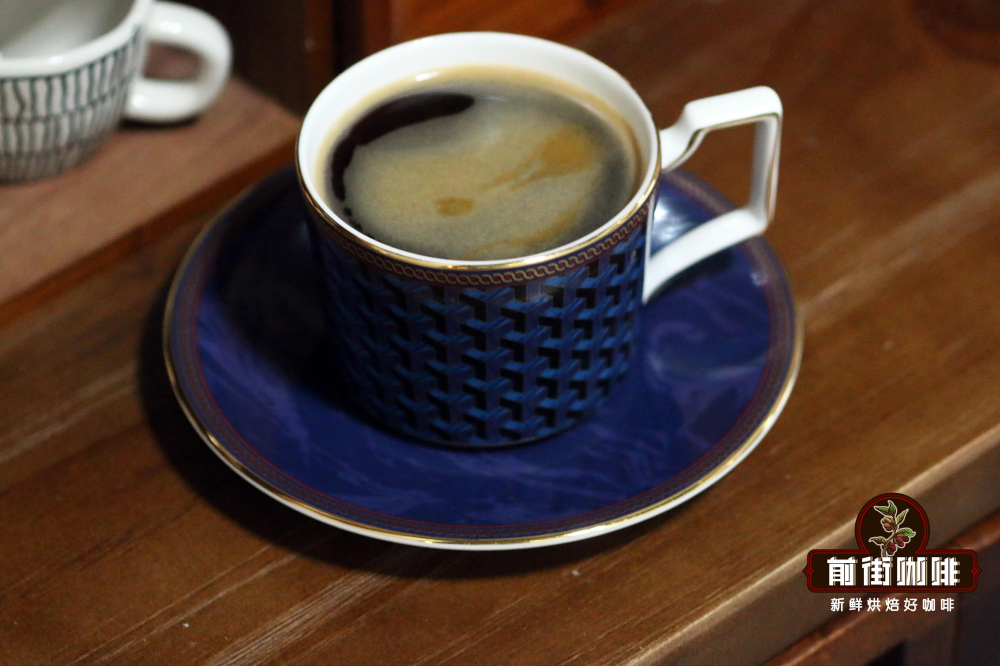
Blue Mountain espresso mixed with hot water to make an Americano enhances the sweetness significantly, making the sweet sensation lighter while reducing fruit acidity and leaving a concentrated dark chocolate flavor in the mouth.
For a "Blue Mountain Latte," FrontStreet uses fresh milk steamed to 60 degrees, with foam and milk well integrated. Combined with espresso, it delivers a hazelnut-like sweetness with distinct creamy chocolate notes while preserving the fresh, sweet taste of the milk, an eye-opening flavor experience.
2. Pour-Over Coffee
(1) Kalita Wave, Cake Cup, and Kono Cone Brewing
Coffee brewed with a Kalita Wave, cake cup, or Kono cone will have a fuller body with excellent flavor persistence. During extraction, the Kono cone uses the pressure generated by the siphon effect, so the grounds achieve initial saturation through immersion-style extraction, which increases concentration; soluble substances are then carried out with the water flow. For those who prefer a richer Blue Mountain, this method is recommended.
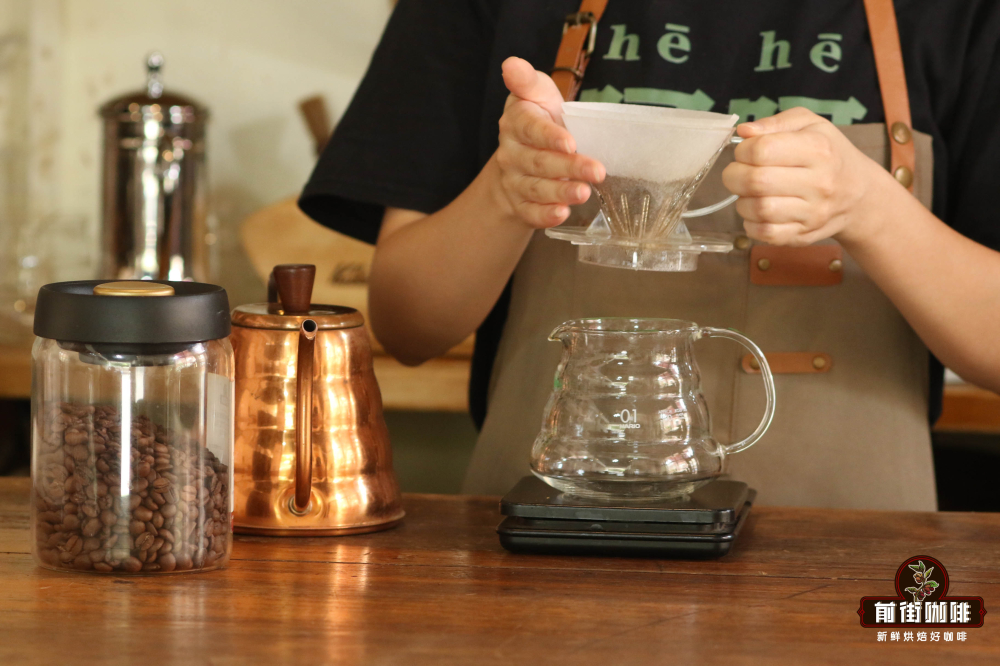
Prepare 15g of coffee, water temperature 88°C, medium-coarse grind (the size of raw sugar, 70% retention on a China standard #20 sieve), water-to-coffee ratio 1:15.
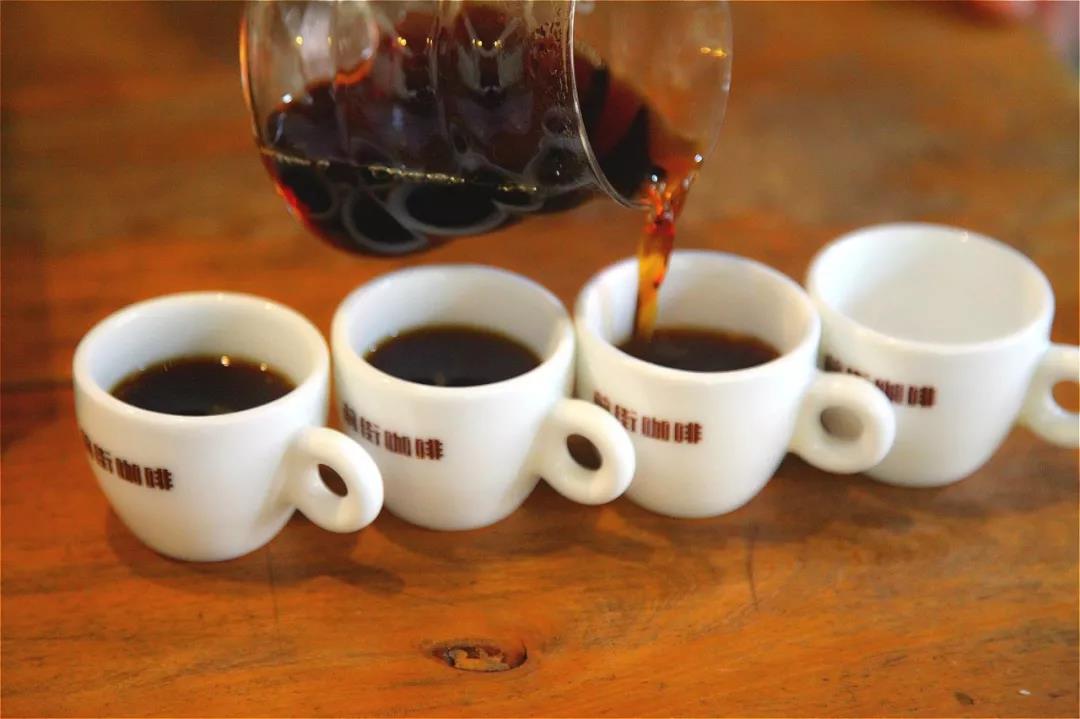
Technique: First bloom with 30g of water for 30s. Pour water close to the coffee surface. First pour to 125g, then stop. Wait until the water level drops by 1/3 to 1/2, then perform the second pour to 225g and stop. Wait until all the water passes through the grounds before finishing. Total extraction time should be around 2 minutes 15 seconds.
(2) V60 Dripper Brewing
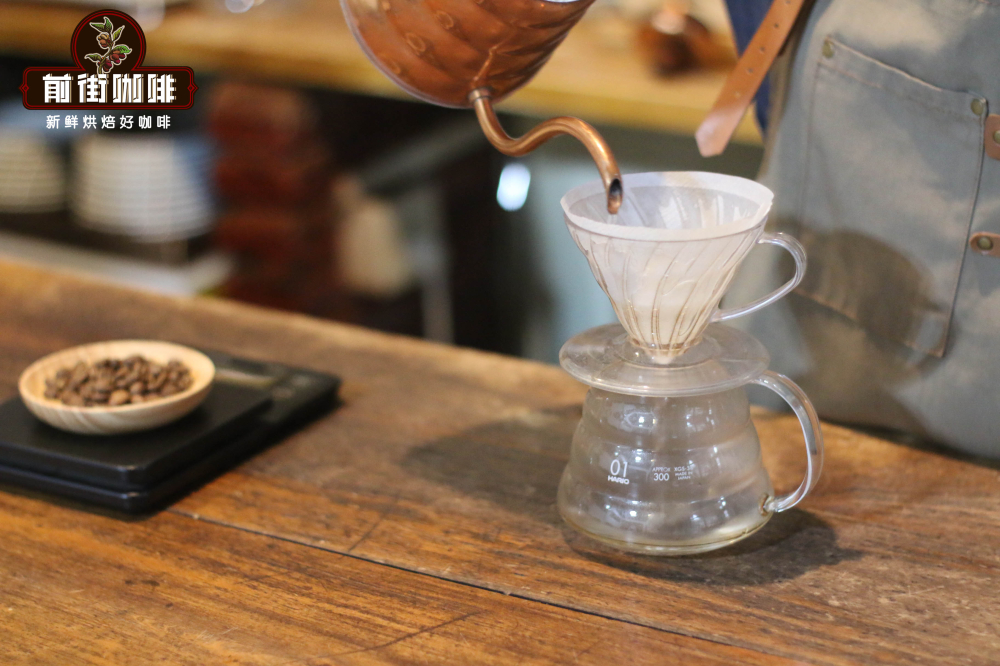
The Hario V60 series has a wide opening, and its unique spiral rib design lets air escape more easily, improving extraction quality. The ribs enable quick extraction of soluble substances, mainly in a washing style, resulting in a light, juice-like texture with prominent acidity and aroma. Different pouring techniques yield different textures and flavors, making it highly versatile.
Prepare 15g of coffee, water temperature 88°C, medium grind (the size of white sugar, 75% retention on a China standard #20 sieve), water-to-coffee ratio 1:15.
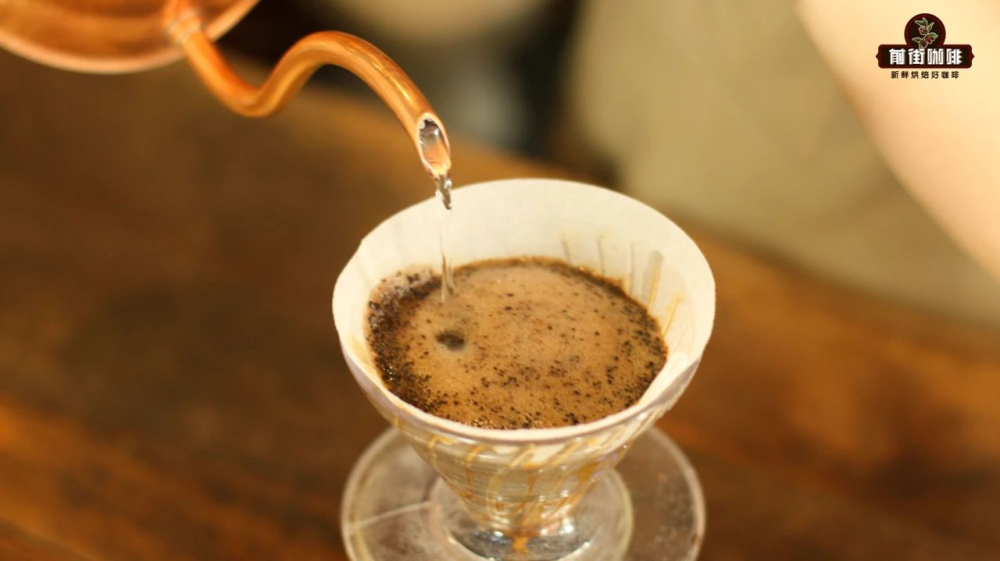
Brewing method: First bloom with 30g of water for 30s. Pour water close to the coffee surface. First pour to 120g, then stop. Wait until the water level drops by 1/3 to 1/2, then perform the second pour to 225g and stop. Wait until all the water passes through the grounds. Total extraction time should be around 2 minutes 5 seconds.
FrontStreet Blue Mountain No. 1 flavor: the taste is very clean and mild, with chocolate sweetness and a strong body. The flavor is rich and mellow, with a perfect balance of sweetness, acidity, and bitterness, completely without bitterness, only a moderate and perfect acidity, with a persistent fruity finish.
When brewed with a Kono, Kalita Wave, or cake cup, the concentration increases, resulting in a solid, heavy texture with intense flavors. When brewed with a V60, it delivers a refreshing sweetness with sugarcane-like notes, followed by a nutty and dark chocolate aftertaste and a lingering sweetness.

3. Siphon Coffee
Preparation Steps:
(1) Add water to the siphon's lower chamber. For two servings of coffee, add water to about 5mm above the 2-cup mark on the siphon. Since the grounds absorb water, if you want two servings of coffee liquid you need to add slightly more water.
(2) Grind the coffee beans, preparing 25g of grounds (about 15g for a single serving), medium-coarse (65% retention on a China standard #20 sieve), meaning particles between white and brown sugar in size.
(3) After adding water, remember to wipe the outside of the lower chamber dry with a soft cloth to avoid water residue that could cause the pot to burst during heating.
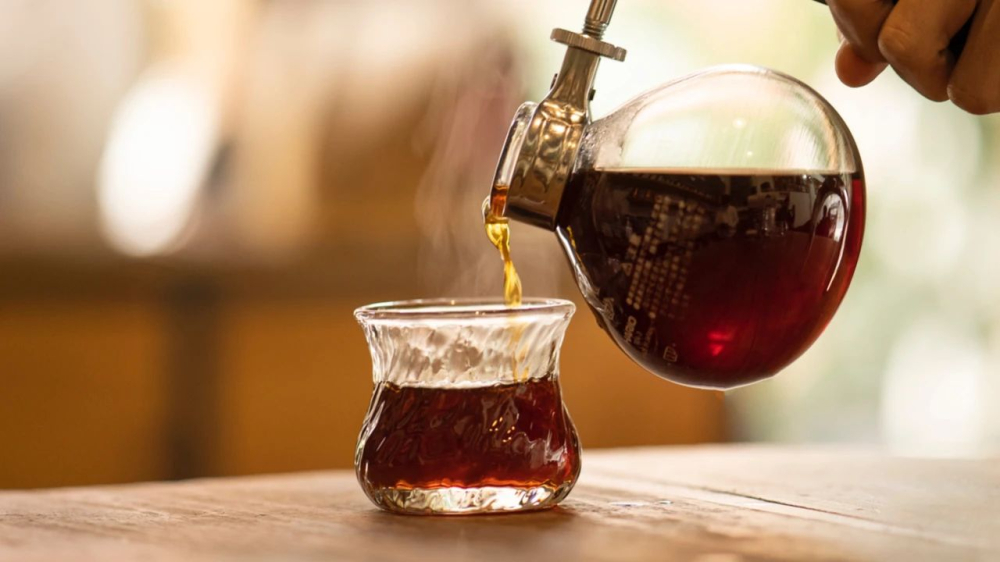
(4) Place hot water in the lower chamber and heat with a gas stove. Generally a single serving of coffee uses about 180g of water and a double serving 300g (water-to-coffee ratio 1:12).
(5) Once everything is ready, start heating the water.
When the water reaches brewing temperature, attach the filter cloth to the upper chamber. Make sure to hook it properly as shown in the picture below, otherwise when water from the lower chamber rushes up, the filter will be dislodged.
Delayed Ground Addition Method:
This method produces a richer flavor, with more prominent caramel and honey notes in the mid-palate.

Unlike adding grounds first, the delayed method waits until all the water from the lower chamber has risen to the upper chamber before adding the coffee grounds. Before adding grounds you have ample time to reduce the heat source to just enough to support the water in the upper chamber without letting it fall back. Then adjust the filter position to keep it centered, and wait a few minutes for the water temperature to drop slightly. When water first rises from the lower to the upper chamber the temperature is around 90-95°C, so you can let it drop 2-5 degrees before adding the grounds.
(1) When the temperature reaches 90°C, straighten the upper chamber. When the water has risen, pour in the grounds and stir while timing. Use circular stirring to ensure the grounds are fully saturated.
(2) Adjust the heat to an appropriate level. After 30 seconds of blooming, perform a second stir.
(3) Perform a third stir at around 50 seconds. After stirring, remove the heat source and wipe the lower chamber with a semi-damp cloth to let the coffee liquid flow back. Total time should be around 2 minutes 15 seconds.
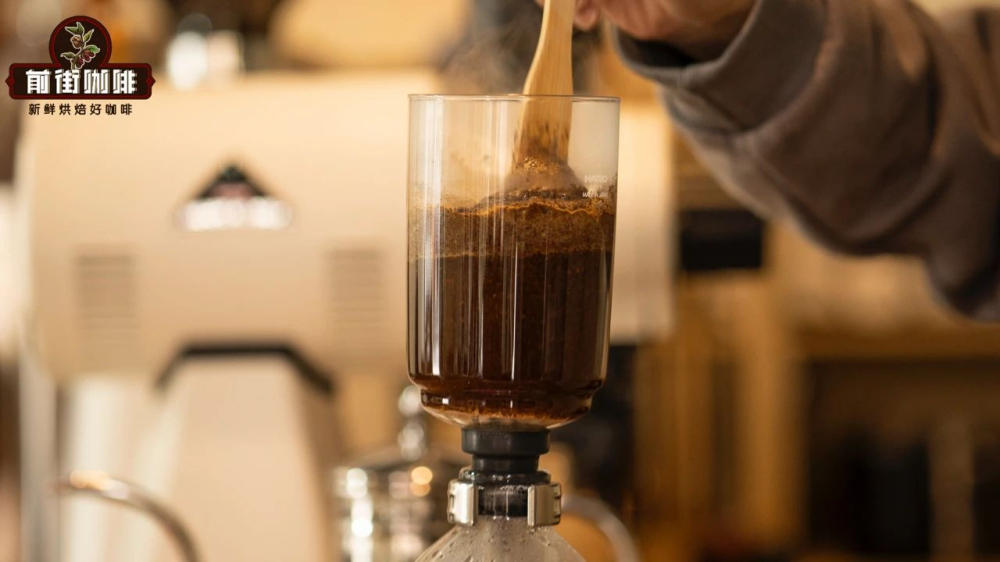
Flavor: Freshly brewed siphon coffee is extremely hot, so of course wait for it to cool slightly before tasting. The caramel flavor is very rich with a heavier texture, but this does not affect its clean taste. The fruit acidity becomes more composed, with a distinct lingering sweetness.
4. AeroPress
The AeroPress combines the immersion extraction of a French press, the paper filtration of pour-over, and the fast, pressurized extraction of espresso. In theory, AeroPress coffee can combine the richness of espresso, the purity of pour-over, and the smoothness of French press.
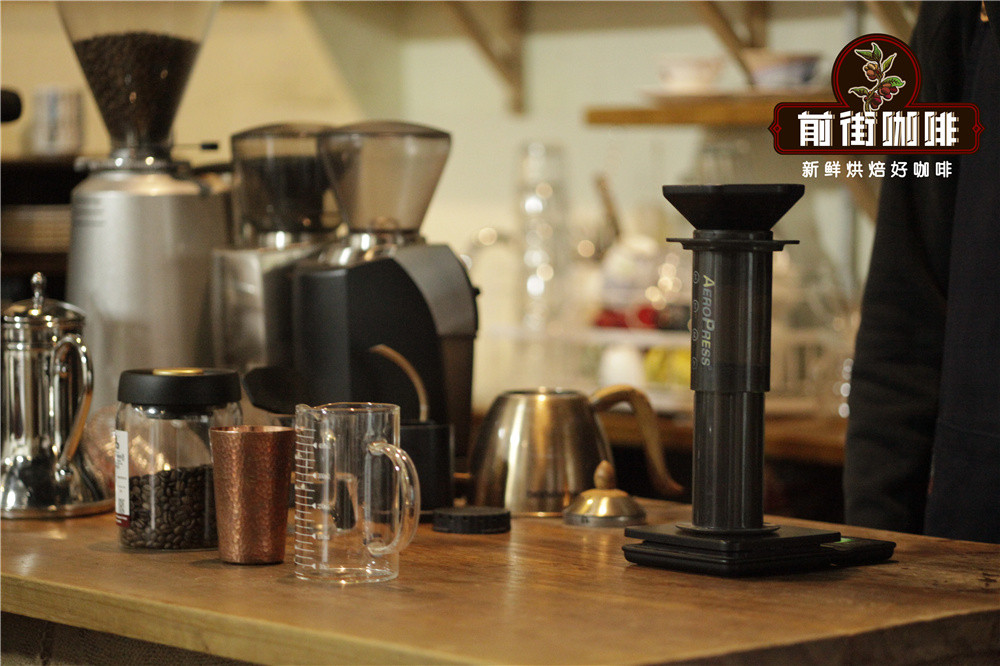
AeroPress standard accessories: main body (with the rubber plunger already attached), funnel, filter paper holder, filter cap, filter papers, measuring spoon, and stirrer.
AeroPress Advantages:
(1) Clean, smooth texture: using appropriate warm water with proper pressure can brew a low-acidity, non-bitter coffee that is full of flavor, with prominent sweet notes.
(2) Rich body: make a perfect cup in 2 minutes, with actual pressing time of only 20 seconds. Because of the pressurized extraction during pressing, you get a fresher taste than other immersion methods.
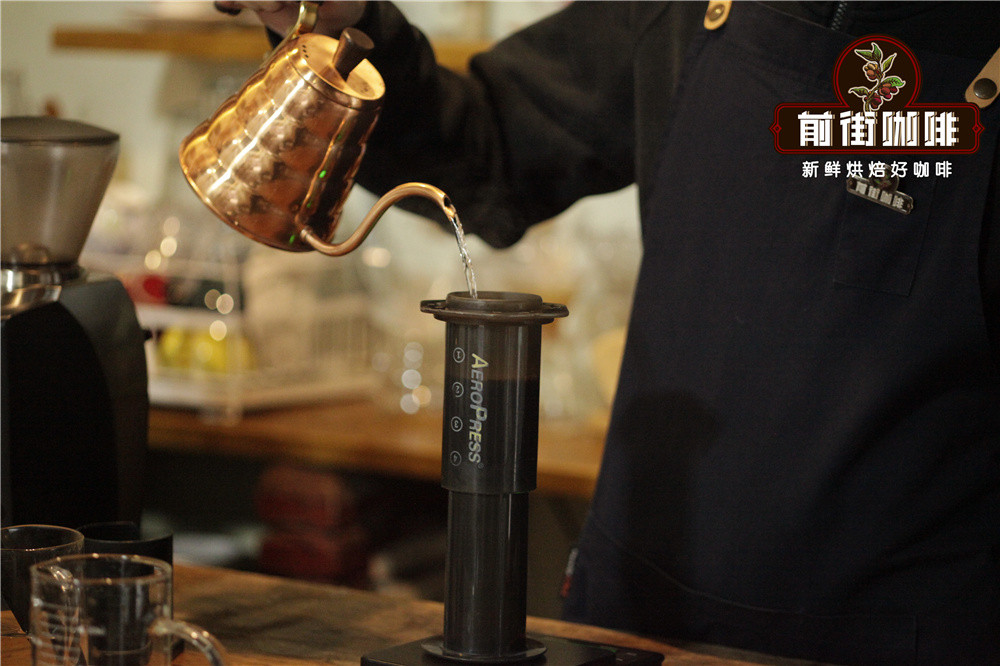
Technique:
Inverted method, single serving 15g of coffee, medium-fine grind (80% retention on a China standard #20 sieve), 85°C water. Preheat the AeroPress, add hot water and stir twice to wet all the grounds, bloom with 35g of water for 30 seconds, then add 200g of water, stir gently a few times at 1 minute 45 seconds, press at 1 minute 50 seconds with vertical, even pressure, and finish extraction at 2 minutes 17 seconds.

Flavor: the sweetness becomes quite fresh and prominent, with light fruit acidity and milk chocolate notes in the sweetness, followed by a slight lingering sweetness. The overall texture is tea-like.
5. French Press
No complicated techniques required, no filter paper needed, easy to use.
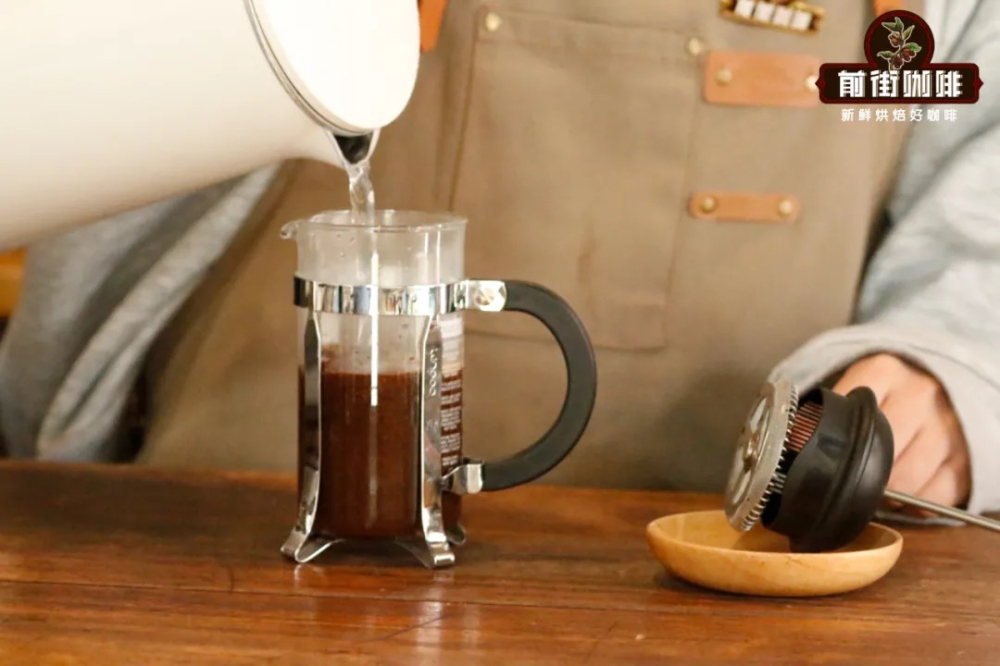
Grind size: medium-coarse, BG 6M (70% retention on a China standard #20 sieve).
Technique:
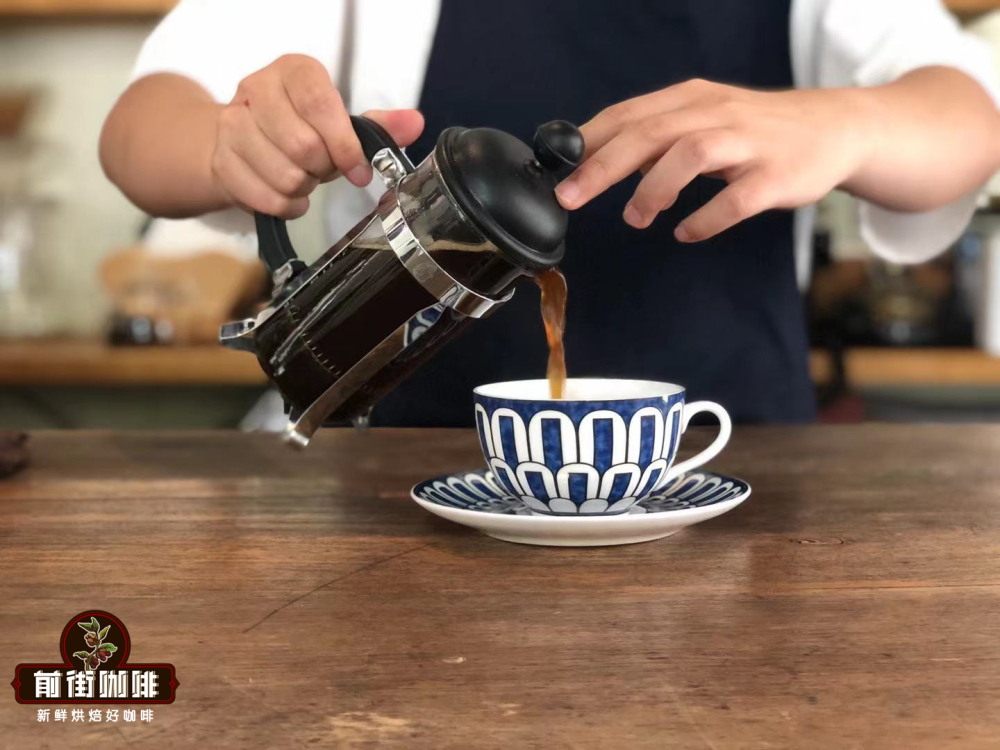
20g of coffee beans, water-to-coffee ratio 1:14, pour 88°C water into the French press to 280g and start timing. Place the lid on the press with the filter stopped at the highest position, wait 2.5 minutes, then press the filter to the bottom.
Analysis:
With immersion extraction, extraction is faster at first and slower later. The grounds are fully immersed in water for even extraction, which makes FrontStreet Jamaica Blue Mountain taste balanced and less likely to turn bitter. Pressing and filtering the grounds with the metal filter screen retains rich oils, enhances smooth texture, and increases body and caramel sweetness.
Flavor: compared with the AeroPress, the caramel flavor is enhanced while more dark chocolate aftertaste and fruit acidity are preserved. The body is improved.
6. Cold Drip Coffee

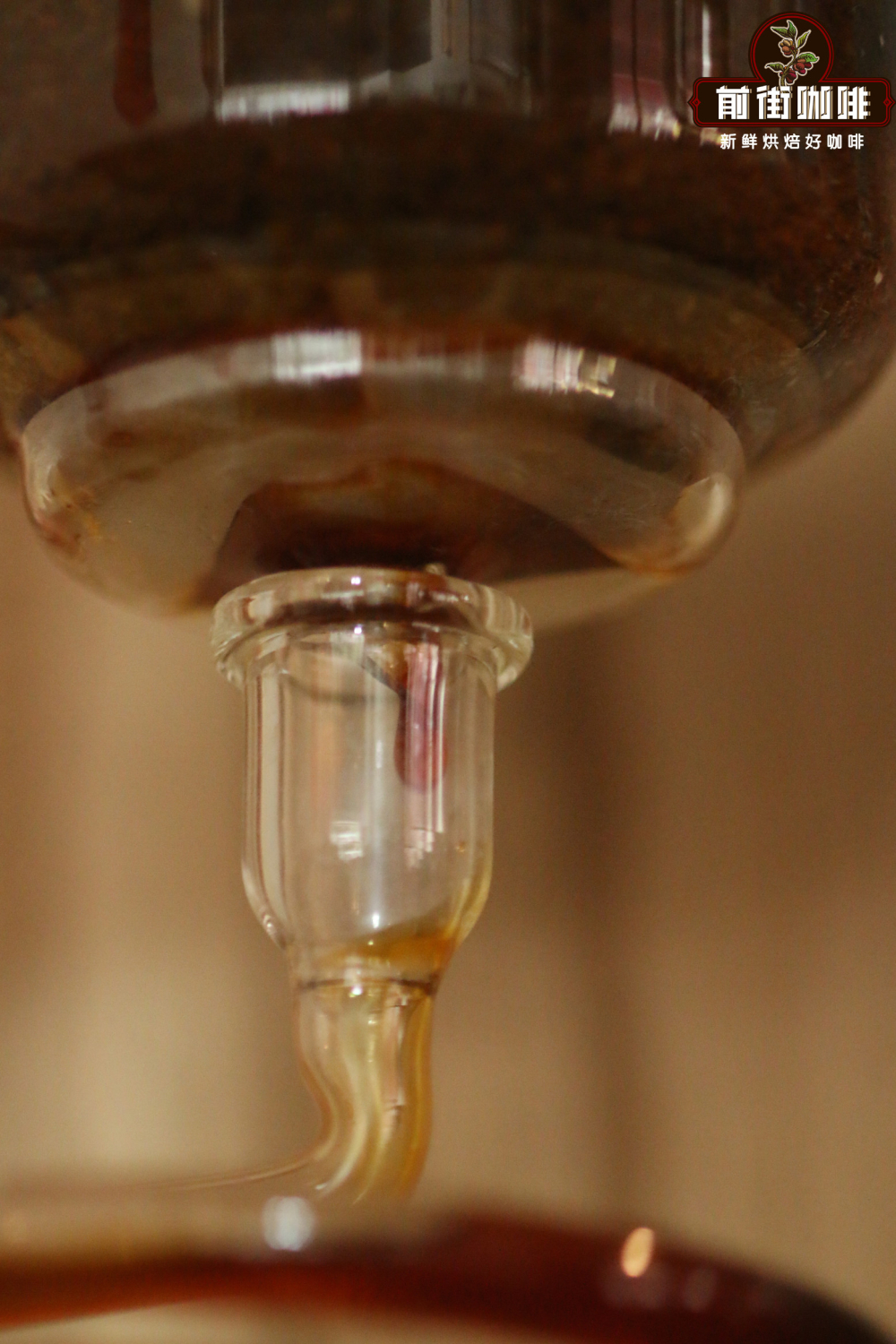
Medium grind (75% retention on a China standard #20 sieve). Cold drip has no strict requirements for grind size. Use 60g of grounds to drip 600ml of liquid, generally with a coffee-to-water ratio between 1:10 and 1:12. Use 0-2°C ice water with an ice-to-water ratio of 1:1, dripping at a rate of 7 drops every 10 seconds.
Once dripping is complete, remember to seal and refrigerate for 3-4 nights to ferment. Why? Because freshly dripped coffee liquid does not have full flavor development and tastes somewhat dry and astringent. Medium-dark roasted beans need longer fermentation to reach a smoother texture and fuller flavor.
Important Details:
For cold drip coffee, gently press the grounds to keep the structure uniform in the filter cylinder. Place a filter paper on the surface of the grounds so water wets the coffee particles evenly. "Pre-infusion" is also essential, similar to the blooming step in pour-over coffee.
Flavor: consumed without ice, you immediately taste caramel, brown sugar, and dark chocolate sweetness. Adding ice makes the texture smoother, with subtle fermented notes, a refreshing quality, and gentle fruit acidity.
7. Japanese Ice Pour-Over
Equipment Preparation:
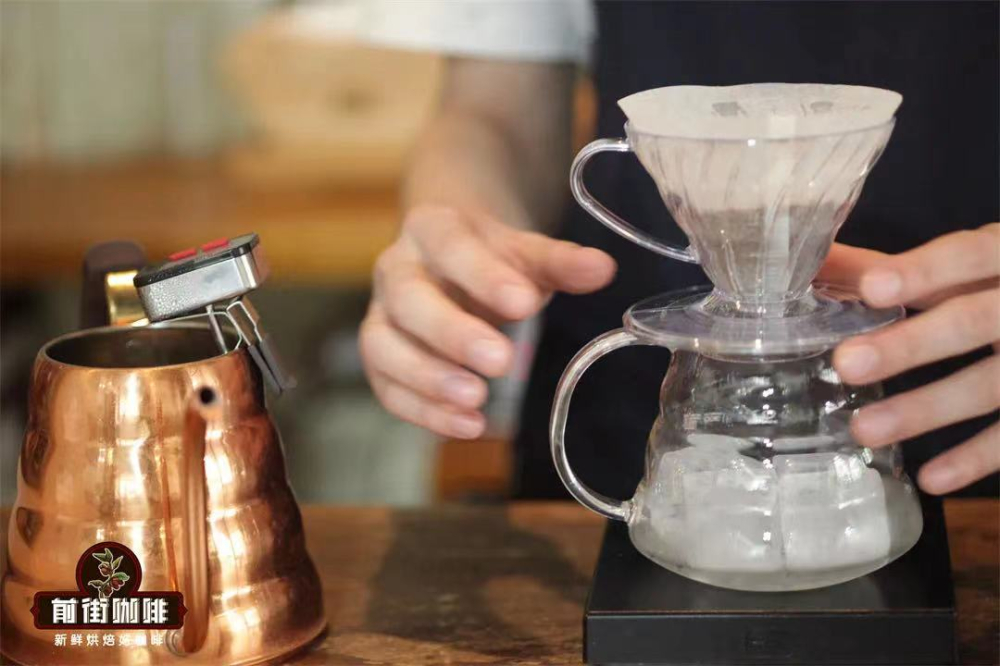
Ice cubes, coffee beans, and a complete pour-over set (V60 dripper and filter paper, serving pot, digital scale, thermometer, pour-over kettle, small spoon).
Technique:
Medium grind (75% retention on a China standard #20 sieve), water temperature 89°C. Pre-place 100g of ice cubes in the lower pot. Bloom with 40g of water for 30 seconds. During brewing you can use a small spoon to stir to promote degassing and speed dissolution. Then pour with a small water stream to 160g. Finally, shake gently, and the ice pour-over is complete.
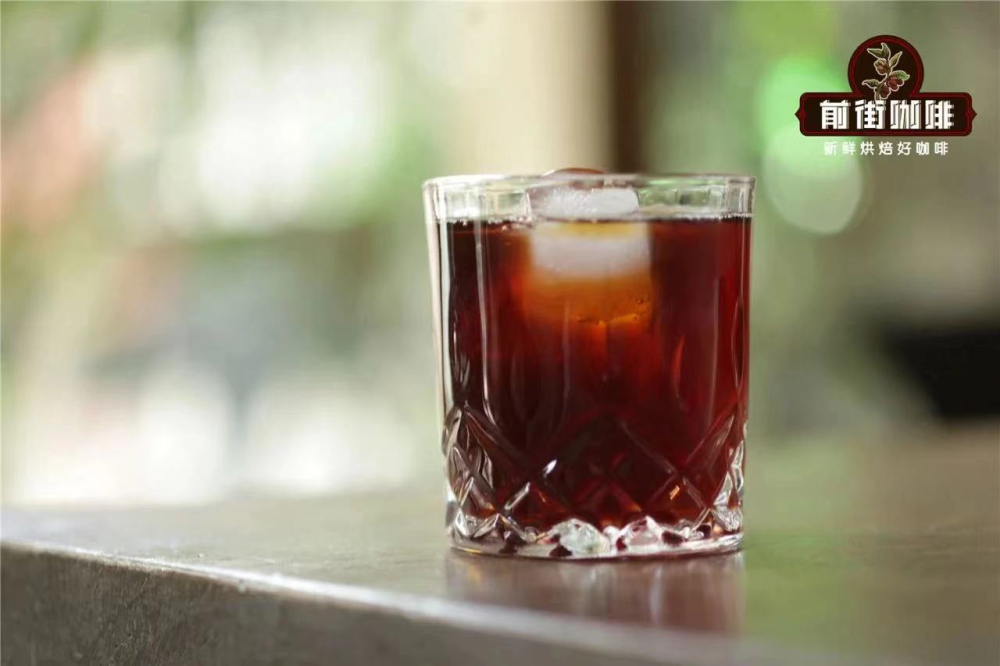
Flavor: after the ice melts, the concentration is diluted slightly while the silky, viscous texture improves. Fruit acidity is enhanced, with subtle melon notes and a nutty, roasted peanut aftertaste gradually emerging. Ice pour-over has slightly less layered complexity than hot pour-over, with less flavor variation from start to finish.
Conclusion
FrontStreet Coffee's Jamaica Blue Mountain No. 1 offers many brewing possibilities, each with a different flavor profile. This serves as a reference for everyone, and you can also adjust according to your own taste preferences.
FrontStreet Coffee Recommendation
Whichever method you choose, FrontStreet Coffee's Jamaica Blue Mountain No. 1 is the same bean featured throughout this guide, grown at Clifton Estate at 1,310.64 meters on the eastern slope of Catherine's Peak and washed for a clean, balanced cup. As ground above, it is graded NO.1 with beans of 17 screen or larger, a defect rate below 3%, and about 13% moisture, the Typica variety, so it holds up equally well as espresso, pour-over, siphon, AeroPress, French press, cold drip, or Japanese ice pour-over.
If you would like to explore the same clean, balanced island style in a more everyday coffee, FrontStreet's washed Yirgacheffe Gutingding Cooperative is a fine companion, with jasmine florals, bright citrus acidity, and a tea-like body that shines with the same V60 and Kono techniques described here.
Important Notice :
FrontStreet Coffee is a long-established specialty coffee roaster in Guangzhou China, selling freshly roasted beans from its own farm in Yunnan as well as dozens of carefully selected single-origin beans from around the world for both pour-over and espresso. The products deliver consistently excellent quality and great value, with shipping within 24 hours. Guangzhou's FrontStreet Coffee shop is recommended by many coffee lovers, and the beans are now available online at the Tmall 。
FrontStreet Coffee has moved to a new address:
FrontStreet Coffee Address: 315,Donghua East Road,GuangZhou
Tel:020 38364473
 Scan and follow the En Gafei WeChat official account. Please indicate that the reprint comes from "En Gafei".