What Are the Characteristics of Italian Coffee Beans - Italian Coffee Culture - How to Drink Italian Espresso
The Essence of Italian Coffee Culture
Italian espresso is famous the world over, but Italians call their coffee shops "bars." Alongside coffee you can order alcoholic drinks, and many locals take their morning coffee with a splash of liquor for an extra lift. Corretto, for instance, is espresso mixed with a brandy-like spirit.
The Historical Journey of Coffee in Europe
Coffee reached Europe through Venice in the 16th century. At the time Venice was a major European port with busy trade links to North Africa, Egypt and the Middle East, and Middle Eastern merchants brought coffee there, where it quickly became a popular exotic beverage. Conservative factions in the Vatican even branded the drink of Middle Eastern Muslims "the devil's drink" and tried to stamp out the trend. The story goes that Pope Clement VIII, after tasting it, remarked: "This devil's drink is so delicious that we should outwit the devil and baptize it." True or not, coffee did become a common beverage across Europe, and many countries went on to develop coffee cultures of their own.
The Birth of Espresso
Italy's pride, espresso, was born in the 1910s. An inventor built a machine that could force pressurized boiling water quickly through a coffee filter, producing coffee with a rich, delicate texture like milk. It was called "crema caffè." Unlike the slow traditional boiling method, pressurized machines met the needs of Italy's fast-growing cities, where efficiency mattered, and that in turn propelled the entire Italian coffee industry.
The Evolution of Italian Coffee Culture
After the Second World War, the major Italian machine maker Gaggia mastered the technology behind pressurized coffee machines and turned crema caffè into a Milan fashion, cementing its international reputation. As technology advanced, machines became smaller and cheaper to build, so crema caffè was no longer reserved for the wealthy. From pulling a cup to finishing it often takes no more than ten minutes, and Italian bars developed their distinctive "stand and drink" (in piedi) culture. That is how crema caffè earned the name "Il caffè espresso," meaning "quick."
The Italian Way of Enjoying Espresso
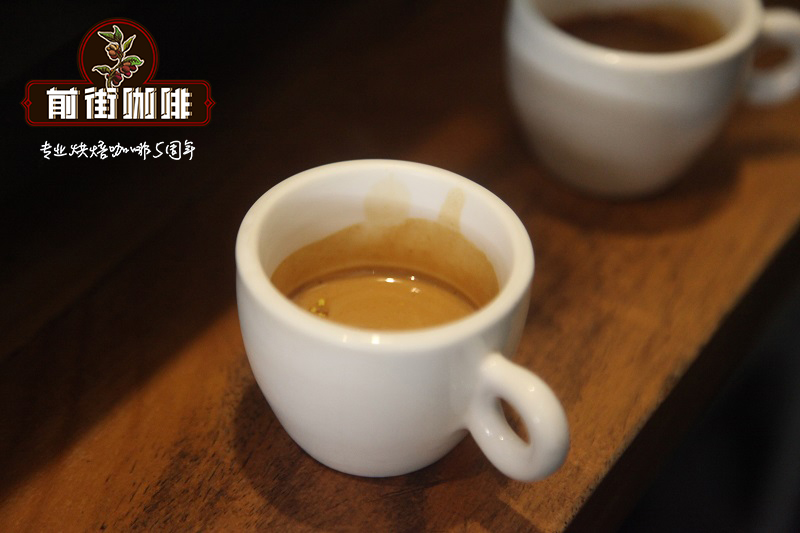
Espresso is the soul of Italian coffee, extracted under steam pressure, and its name carries the sense of "especially fast." Where visitors from other countries sit down to savour their coffee, most Italians prefer to stand and knock back a cup, often leaving within minutes. They also like a second espresso after dinner to close out the meal; caffeine, it seems, has long been in their bloodstream, so sleep is simply not an issue.
Most Italians have always loved drinking espresso. It is the foundation of all coffee and the clearest way to taste coffee's original flavour. Preferences do vary by region, of course. In China, for example, most people lean toward lattes, cappuccinos and mochas, and fewer enjoy the taste of straight espresso.
FrontStreet Coffee's Perspective on Espresso
On espresso itself, FrontStreet Coffee believes that if you can handle a strong cup, it is an excellent choice. Espresso amplifies coffee's flavour, making the acidity, sweetness and bitterness easier to read. FrontStreet Coffee's blend combines Colombian and Brazilian beans, giving a bright yet gentle fruit acidity that is genuinely charming, nutty notes in the middle and a persistent caramel aftertaste on the finish. If you like milk-based coffee, this blend is an excellent choice too: its sweet-and-sour leanings get sweeter with milk, and the biscuit flavour that appears as it cools is a pleasant surprise.
FrontStreet Coffee Recommendation
For anyone starting out with espresso at home, FrontStreet Coffee's Classic Blend is the first choice. It is built specifically for espresso and moka pot, and its standout strength is crema: even a beginner working with a non-professional home machine can pull a dense, fine-textured crema. Lattes, cappuccinos and Dirty all depend on good crema, and this is where the Classic Blend delivers. Using the traditional Mamba recipe, it is mellow and full-bodied and easy for veterans and newcomers alike to enjoy.
If you want to control cost without giving up body, FrontStreet Coffee's Black Cocoa Blend is 100% Arabica with ample crema, a full mouthfeel and a friendly price. Both the Classic Blend and FrontStreet Coffee's Commercial Blend add a small amount of Robusta to a classic Italian-style recipe, so extraction brings out butter, nut, spice, dark chocolate and toast aromas, with a wild, thick body and a burst of golden crema that makes latte art far easier.
For the nut-forward drinkers, FrontStreet Coffee's Premium Blend and Black Cocoa Blend both use a large proportion of Brazilian beans, giving a comfortable bittersweet edge and a creamy peanut aroma with a very smooth entry. FrontStreet Coffee's Premium Blend, which has anchored FrontStreet Coffee's own bar for close to a decade, pairs Brazil Cerrado with Colombia Huila and carries Colombia's nut, chocolate and caramel aromas with moderate acidity. FrontStreet Coffee's Black Cocoa Blend brings in the ripe-plum acidity of Yunnan small-bean coffee and gives off a creamy chocolate aroma when ground, balanced and adaptable enough for lattes, Americanos and specialty drinks alike.
Important Notice :
FrontStreet Coffee is a long-established specialty coffee roaster in Guangzhou China, selling freshly roasted beans from its own farm in Yunnan as well as dozens of carefully selected single-origin beans from around the world for both pour-over and espresso. The products deliver consistently excellent quality and great value, with shipping within 24 hours. Guangzhou's FrontStreet Coffee shop is recommended by many coffee lovers, and the beans are now available online at the Tmall 。
FrontStreet Coffee has moved to a new address:
FrontStreet Coffee Address: 315,Donghua East Road,GuangZhou
Tel:020 38364473
 Scan and follow the En Gafei WeChat official account. Please indicate that the reprint comes from "En Gafei".