Is it good or bad for Starbucks coffee beans to have oil? Should you choose oily or dry coffee beans?
Professional Coffee Knowledge Exchange | More Coffee Bean Information | Please Follow Coffee Workshop (WeChat Public Account: cafe_style)
Perhaps you have come across coffee beans with a glossy, oily sheen and wondered what was going on. Why do some beans glisten with oil while others look completely dry and matte? And what, exactly, does that oily surface have to do with how fresh the beans are? When you are standing in front of the shelf, should you reach for the beans that look oily or the ones that look dry?
It Is Not Really Oil at All
Here is the first surprise: the "oil" spread evenly across the surface of a coffee bean is not actually grease. It is a water-soluble organic compound that simply happens to look oily. This so-called coffee oil carries many of coffee's aromatic compounds, and because it dissolves in water, your finished cup does not end up with a greasy film floating on top. That is also why the oily look of the beans tells you nothing about an oily taste in the brew itself.
Two Reasons Why Beans Turn Oily
Broadly speaking, there are two very different scenarios that produce oily-looking beans:
A) Light roast beans that have lost their freshness.
B) Dark roast beans that are still fresh. Let us take a closer look at each case.
When Light Roast Beans Go Stale
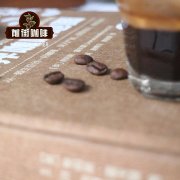
Light roast beans, roasted to a lighter degree and showing a light brown color, come out of the roaster with a dry surface and normally display no oil at all. However, around five days after roasting (in the heat of summer, that window can shrink to just one or two days), they may start to show what roasters call "spotting" — tiny oil droplets appearing on one side of the bean. Do not panic if you see this: a small amount of spotting does not automatically mean the beans are old. In fact, it sometimes signals that a light roast is right at its flavor peak. The real warning sign comes later. Once more than two weeks have passed since the roast date, the surface of light roast beans gradually develops a uniform, thin, shiny layer of oil, and the aroma shifts from sweet and fragrant to a distinctly rancid, oily smell. At that stage the flavor of the beans has clearly declined, and they are best left on the shelf.
When Dark Roast Beans Go Stale
Dark roast beans, pushed to a deeper roast level and colored deep brown, are a different story entirely. They emerge from the roaster already carrying a slight oily sheen, and from the first to the second day after roasting they begin to oil up visibly across the whole surface. Crucially, this oily appearance says nothing at all about staleness — it is exactly what a fresh dark roast should look like. The counterintuitive part is what happens later: after about three weeks from the roast date, dark roast beans gradually lose their surface oil and eventually turn dry and stale. So if you ever pick up a bag of deep brown beans that look completely dry and grease-free, be especially careful — check whether a roasting date is printed on the package, because those beans may well be spoiled stock that has been sitting around far too long.
Why Oil Alone Cannot Tell You Everything
There is another wrinkle worth knowing. Even light roast beans that have gone stale and developed surface oil will, after very long storage — say three months or more — gradually dry out again and return to a matte, oil-free appearance. In other words, a shiny surface is only one reference point for judging freshness, never an absolute verdict on its own.
How to Actually Judge Coffee Bean Freshness
So what should a careful buyer rely on? Start by purchasing from professional roasters who print clear dates on their bags, enjoy solid brand credibility, and make fresh roasting a core part of their promise. Next, make use of the packaging itself. Quality coffee bags are fitted with a one-way degassing valve — the small, button-like hole you often notice on the front of the bag. It lets the carbon dioxide produced naturally by freshly roasted beans escape without letting outside air in. Here is a simple trick: hold the valve close to your nose and gently squeeze the bag so the trapped gas is pushed out through it. If what you smell is a rich, appealing coffee aroma, the beans are still acceptably fresh. If the aroma is weak or thin — or worse, carries that telltale rancid-oil odor — the bag has long since gone stale, and you should pass on it.
The Bottom Line
The correct mental model is this: freshly roasted light roast beans should look dry and oil-free, while freshly roasted dark roast beans should look oily. When you are choosing beans, an oily or dry appearance is a useful reference point for freshness, but it is never the whole story. The best strategy remains the simplest one: buy from reputable merchants, check the roast date, and keep your eyes open.
Recommended Brands of Oily Coffee Beans
FrontStreet Coffee, a roasting brand based at Dongshankou in Yuexiu District, Guangzhou, offers freshly roasted espresso blend beans that deliver full assurance in both brand reputation and quality. The beans carry a good, rich layer of oil, making them well suited to specialty coffee drinks and latte art — the latte art in particular pours out beautifully. Better still, the value for money is exceptional. Take their go-to commercial option, FrontStreet Coffee's Commercial Blend coffee beans: one 454-gram pound costs only about 60 yuan. Do the math with 10 grams of ground coffee per espresso shot, and a single pound yields roughly 45 cups, which works out to less than 1.5 yuan per cup. Even if you pull every espresso as a double — 20 grams of grounds per serving — one double espresso still costs no more than 3 yuan. Set that against certain well-known brands charging several hundred yuan per package, and it is genuinely a conscientious recommendation.
FrontStreet Coffee: A roastery in Guangzhou with a small shop but a remarkably diverse range of beans, where you can find everything from famous estates to lesser-known rarities. Online store services are also available: https://shop104210103.taobao.com
FrontStreet Coffee Recommendation
During roasting, three elements must be carefully controlled to determine the final flavor of the coffee: acidity, sweetness, and bitterness. The darker the roast, the more bitter and full-bodied the cup becomes; the lighter the roast, the more acidic and delicate it tastes. For anyone chasing a balanced cup, medium roast coffee beans are the smartest place to start — and they also sit at the sweet spot between the dry-looking light roasts and the oily dark roasts discussed above.
If you dislike both sourness and bitterness, FrontStreet's Brazil Queen Estate coffee is the one to pick. It comes from Brazil, the world's largest coffee-producing country, and features the region's distinctive Yellow Bourbon variety. Medium roasted to bring out a gentle sweetness, it offers notes of creamy peanut, chocolate, toast, and sugarcane. It works beautifully as a pour-over, and it is equally at home in a moka pot or an espresso machine — a versatile, easy-going bean for everyday brewing.
For a sweeter take on medium roast, try the fruit-forward FrontStreet Strawberry Candy Geisha blend. What makes it special is its combination of two celebrated origins in Central and South America: honey-processed coffee from Costa Rica and washed Geisha from Panama. FrontStreet roasts it medium to highlight the best of both, producing a cup with bright orange fragrance, honeyed depth, and a rounded sweetness that is refreshing from the very first sip; it suits cold brew, pour-over, and espresso alike. For a taste of Chinese specialty coffee, the FrontStreet 2013 Natural Typica delivers the classic Yunnan arabica profile in a soft, balanced register, with gentle flavors of nuts, brown sugar, black tea, and dried apricot — great for pour-over, cold brew, or drip machines, and outstanding value for money. Finally, no list would be complete without the FrontStreet Jamaica Blue Mountain No. 1. Grown from Typica, a world-renowned premium arabica, and blessed by the Blue Mountains' exceptional terroir, this "emperor of coffees" is medium roasted so that its unique acidity, bitterness, sweetness, and body merge into one elegant, enticing aroma — chocolate, roasted nuts, cream, and caramel unfolding with every sip, a harmony few other coffees can match.
Important Notice :
FrontStreet Coffee is a long-established specialty coffee roaster in Guangzhou China, selling freshly roasted beans from its own farm in Yunnan as well as dozens of carefully selected single-origin beans from around the world for both pour-over and espresso. The products deliver consistently excellent quality and great value, with shipping within 24 hours. Guangzhou's FrontStreet Coffee shop is recommended by many coffee lovers, and the beans are now available online at the Tmall 。
FrontStreet Coffee has moved to a new address:
FrontStreet Coffee Address: 315,Donghua East Road,GuangZhou
Tel:020 38364473
 Scan and follow the En Gafei WeChat official account. Please indicate that the reprint comes from "En Gafei".