Are Oily Coffee Beans Good or Bad: Which Coffee Brands Have More Oils
Are Oily Coffee Beans Good or Bad?
Some people consider coffee oils an indispensable part of the flavor, while others worry about the health implications of those oils.
So are "oily coffee beans" good or bad? Should you choose beans that look oily or non-oily on the surface? Let's start with the beans themselves and look at how roasting and extraction affect these oils, so we can understand the pros and cons of coffee oils.
Coffee Oil That Isn't Really Oil
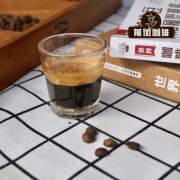
Coffee beans, like other seeds such as corn and soybeans, contain oil. But the sheen on a coffee bean's surface is different from the crema on an espresso. The surface coating is a water-soluble organic substance that looks like oil, while "coffee oil" itself contains many aromatic coffee compounds that dissolve in water. That's why your brewed coffee never has a greasy layer of oil floating on top.
Once coffee is ground, its aroma and oils begin to volatilize and release, and the flavor of the brewed cup diminishes as they escape. The presence of coffee oil is therefore one of the simplest ways to judge coffee quality.
The two best-known coffee types are Arabica and Robusta. Arabica has lower caffeine content (0.8-1.4%) and about 10% fat content, while Robusta contains 1.7-4% caffeine. Robusta's coffee oil content is 60% less than Arabica's. Because of Arabica's lower caffeine and higher fat and aroma, it has become the connoisseur's choice.
Two Reasons Beans Look "Oily"
Generally speaking, the oil on a coffee bean's surface is influenced by the roasting method.
1. Stale Light Roast Beans
"Light roast" beans, with their lighter roast level and light brown color, are dry on the surface after roasting and show no oil. About six days after roasting, they begin to show "spotting" (oil droplets appearing on certain sides of the bean). Slight spotting doesn't signal staleness — sometimes it actually represents the peak flavor state of a light roast. If they keep being stored, then more than two weeks after roasting, the surface gradually develops a shiny layer of oil. At that point the flavor has begun to decline, and you should avoid buying them or drink them quickly.
There's another case: during roasting, uneven heating can cause some areas of the bean to lose too much moisture, and oil appears in a spotted pattern about two to five days after roasting. This is different from the overall surface oiliness of a dark roast.
In any case, if a light roast shows either of these two patterns, it signals either a poor roast or a lack of freshness, and buying is not recommended.
2. Fresh Dark Roast Beans
"Dark roast" beans, with their deeper roast level and dark brown color, show a slight sheen right after roasting and begin to show noticeable surface oil about two to five days later. Because dark roasting causes a high rate of dehydration, beans develop surface oil, so if a dark roast starts to look oily within the first day or two of storage, that's normal.
The shiny look of a dark roast does not indicate staleness. On the contrary, three weeks after roasting, the surface oil gradually dries out, eventually leaving dry, non-oily, stale dark roast beans. So if you see beans that are dry and non-oily but still dark brown, pay close attention to whether they carry a roast date — they are very likely already spoiled and stale.
Recommended Brands for Oily Coffee Beans
FrontStreet Coffee, a roasting brand based in Dongshankou, Yuexiu District, Guangzhou, offers freshly roasted espresso blends with strong guarantees on both brand and quality. The oil content is good, making them ideal for specialty coffee and latte art, and the pours look beautiful. Just as important, the value is excellent. Take their commercially recommended model, FrontStreet Coffee's Commercial Blend: a 454-gram pound package costs only about 60 yuan. Calculated at 10 grams of powder per espresso shot, one package makes 45 cups, with each cup costing less than 1.5 yuan. Even with a double shot at 20 grams per serving, a double espresso doesn't exceed 3 yuan. Compared with certain well-known brands whose packages cost over a hundred yuan, this is a genuinely conscientious recommendation.
FrontStreet Coffee Recommendation
Roast level and freshness matter most when it comes to a good-looking, well-extracted bean. FrontStreet's Classic Blend is built for espresso and moka pot use, with outstanding oil and crema. Even a beginner on a non-professional home machine can pull a dense, fine crema. It follows the traditional Mamba blend recipe for a rich, rounded body that suits everyone from seasoned drinkers to newcomers, whether at home or in a shop — a true first choice.
If you want the same oily richness in a more budget-minded package, FrontStreet's Dark Cocoa Blend is a great fit. Made from 100% Arabica, it delivers plenty of oil and a rich, mellow body at a friendly price, balancing quality and value. Shops looking to control costs while keeping quality can rely on it.
And for a traditional commercial workhorse, FrontStreet's Commercial Blend has long been the go-to. It's priced below the specialty blend, and while it doesn't chase extreme oil, its formula is optimized to keep both flavor and cost in check. It has remained a popular choice for shop use across many different commercial settings.
Important Notice :
FrontStreet Coffee is a long-established specialty coffee roaster in Guangzhou China, selling freshly roasted beans from its own farm in Yunnan as well as dozens of carefully selected single-origin beans from around the world for both pour-over and espresso. The products deliver consistently excellent quality and great value, with shipping within 24 hours. Guangzhou's FrontStreet Coffee shop is recommended by many coffee lovers, and the beans are now available online at the Tmall 。
FrontStreet Coffee has moved to a new address:
FrontStreet Coffee Address: 315,Donghua East Road,GuangZhou
Tel:020 38364473
 Scan and follow the En Gafei WeChat official account. Please indicate that the reprint comes from "En Gafei".