Indonesia Golden Mandheling Origin Information - Golden Mandheling Coffee Flavor Characteristics
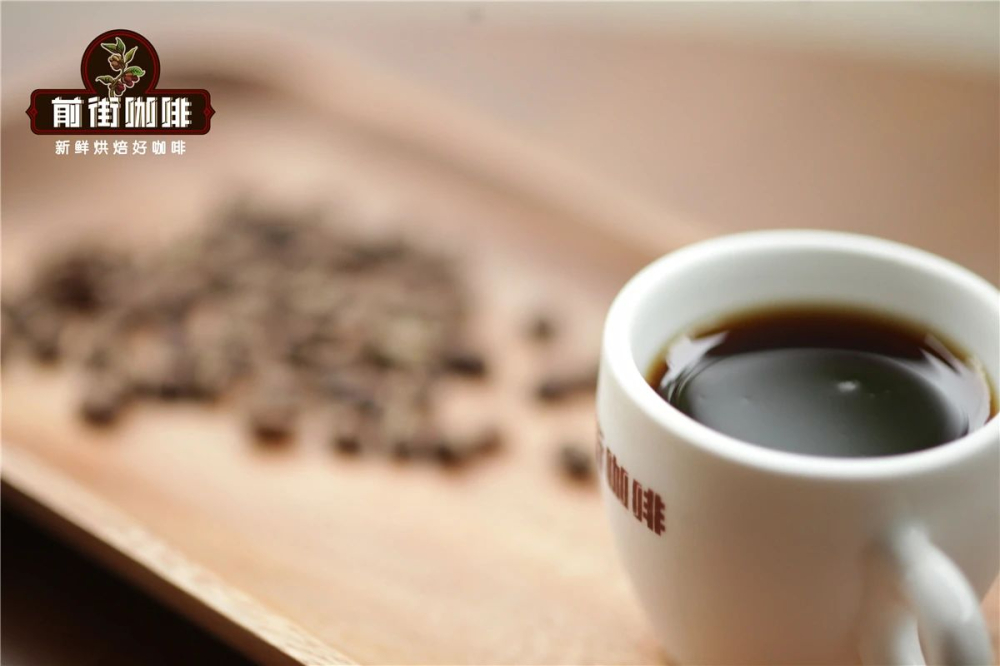
As FrontStreet Coffee's most full-bodied bitter coffee, Mandheling not only offers rich dark chocolate, roasted hazelnut, and caramel flavors, but also carries a unique hint of herbal spice. The PWN Golden Mandheling, which sits at the top right of our bean list, has undergone multiple hand-sortings and shows extremely high overall cleanliness, highlighting a rare clarity and sweetness.
Where is FrontStreet Coffee's Mandheling coffee from?
Mandheling is typically roasted dark to soften the coffee's acidity and highlight its full-bodied bitterness. FrontStreet Coffee's bean list carries two Mandhelings: the everyday Lindong Mandheling and the PWN Golden Mandheling, from the Lindong and Aceh regions of Sumatra Island respectively, both roasted medium-dark. We aim to present dark chocolate and caramel flavors while preserving Mandheling's wild herbal notes — an aroma rooted in its growing environment and processing methods.
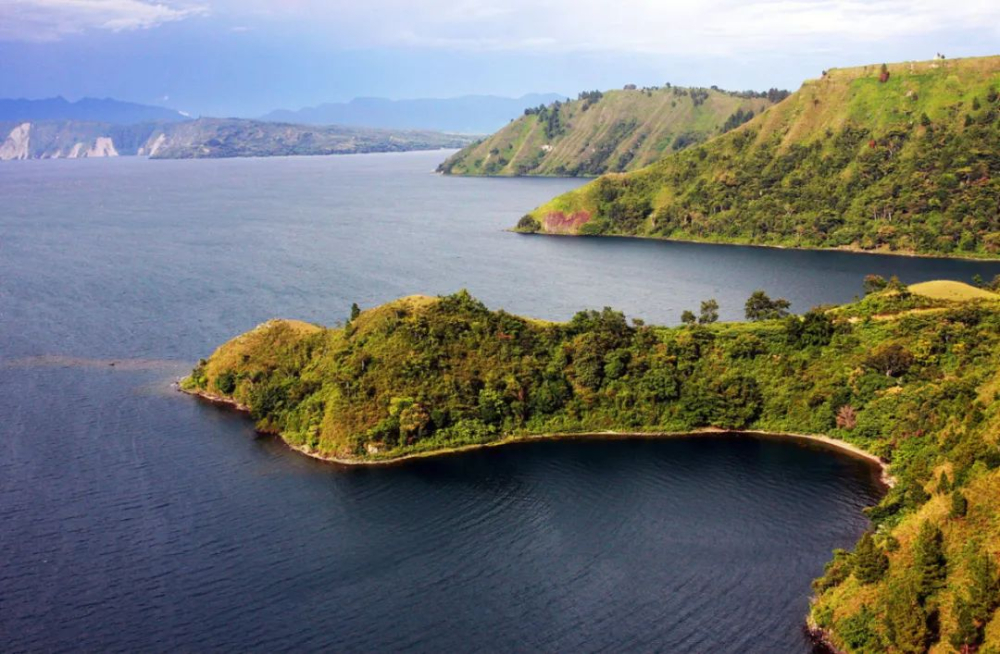
Mandheling coffee comes from the mysterious island of Sumatra in Indonesia. Sumatra is divided into eight provinces, and only the high-altitude Aceh and North Sumatra provinces grow Arabica coffee on a large scale. Deep in the tropical rainforest zone, the mountains are often shrouded in cloud and rain, lending the island an air of mystery. From September to April of the following year — the cherry-ripening season — you can see farmers busy picking across the hillsides. Traditional Lindong Mandheling is cultivated by the Mandailing and Batak ethnic groups, while the "rising star" Lake Tawar Mandheling is cultivated by the Gayo people.
Locals plant coffee around two great volcanic lakes, Lake Tawar and Lake Toba. The Gayo Mountains around Lake Tawar offer ideal growing conditions, with organic cultivation widely adopted and a long history behind it, so both quality and yield run high. Many green coffee suppliers prize this area, including the locally famous Pwani Coffee Company (PWN).
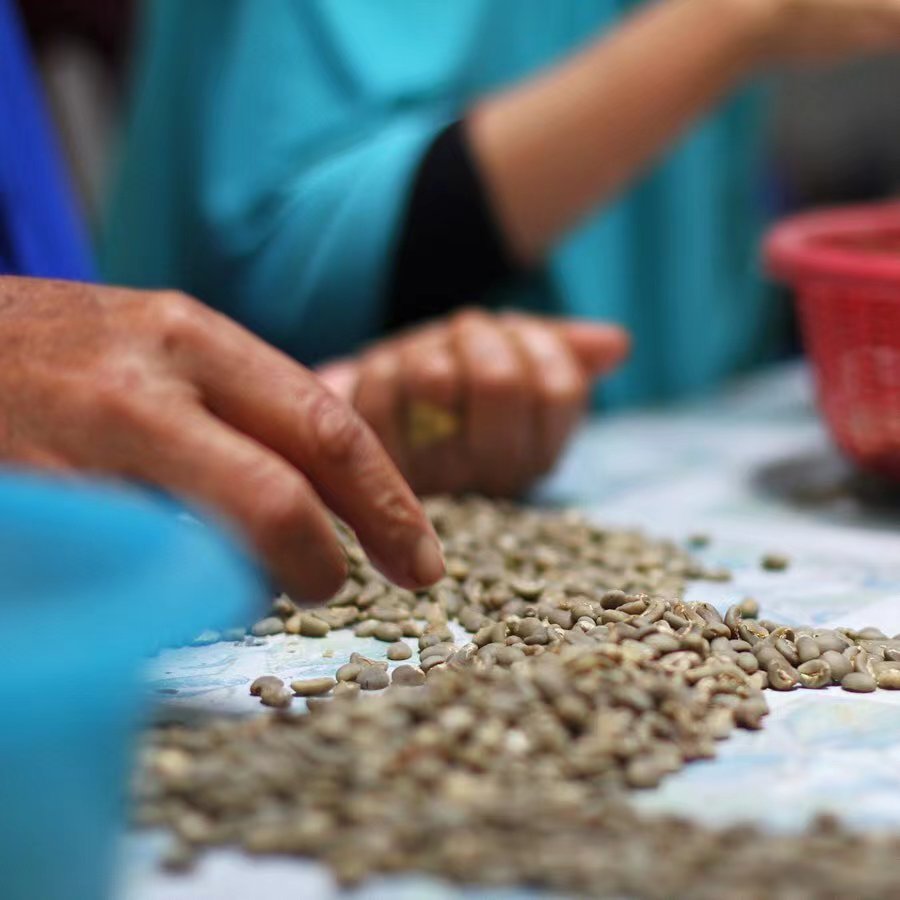
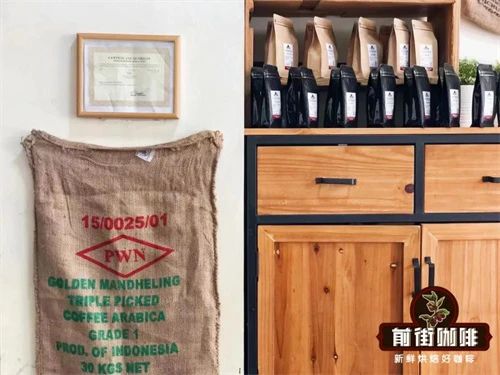
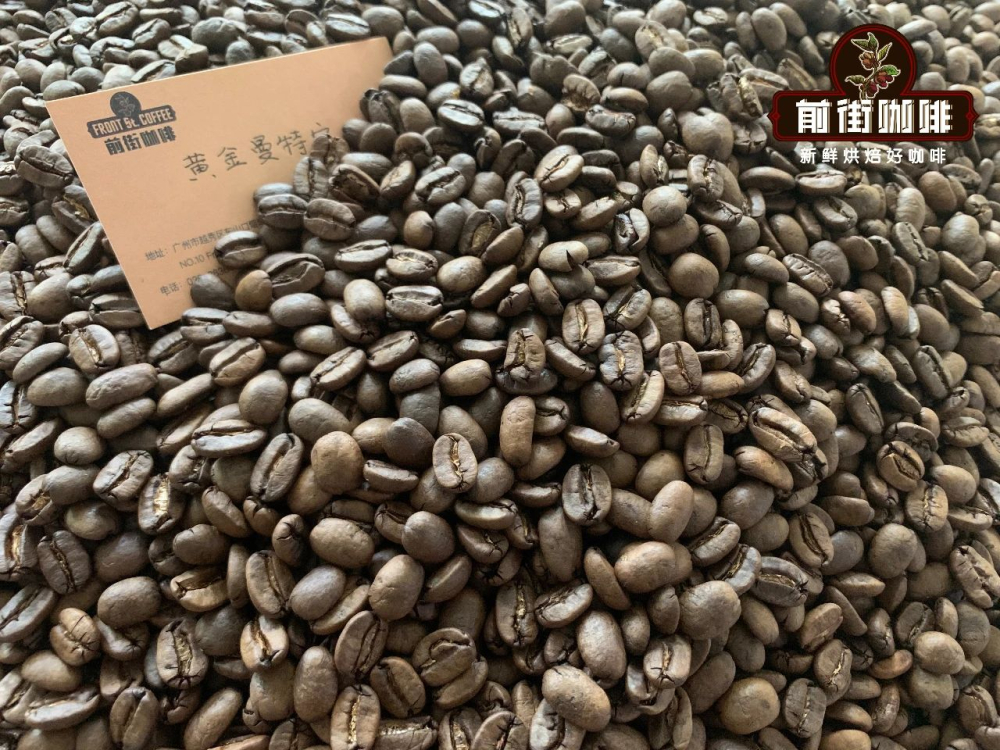
PWN mainly purchases high-quality Mandheling green coffee. After purchase, the beans go through 1 machine selection plus 3 rounds of hand-sorting to pick out full, flawless beans; everything they produce is specialty grade, and Golden Mandheling is their flagship. Early on, to become the exclusive supplier, PWN registered the English trademark "Golden Mandheling" — meaning only their Golden Mandheling is the authentic article. FrontStreet Coffee's Golden Mandheling is of course "authentic product" purchased from PWN, processed with Indonesia's unique wet-hulled method.
The flavor characteristics of Indonesian Mandheling originate from wet-hulling
The biggest difference between Indonesia and many coffee origins is the humid weather: annual humidity runs between 70-90%, typhoons come and go, and rainfall can exceed 2,000mm a year. Such weather makes the African-style 2-3 weeks of sun-drying impossible, and washed processing — time-consuming and expensive in labor and water — is more than mass-focused producers can afford. So they developed a unique semi-washed method: the wet-hulled process.
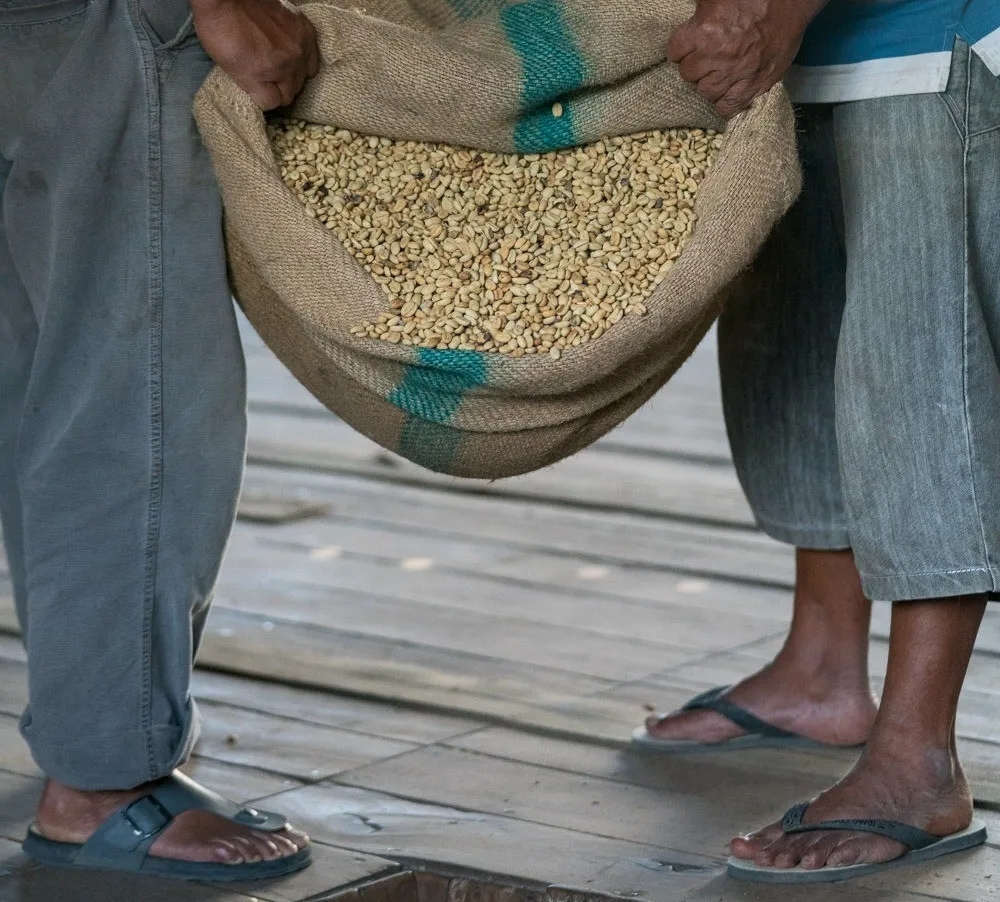
Depulped cherries are poured straight into a pool for a brief fermentation of several hours; a little mucilage remains on the parchment and is brushed off. The parchment beans are then dried for the first time — only to 30-40% moisture content, about 2-3 days — before farmers sell them to purchasers, who machine-hull the semi-dry parchment beans on the spot to obtain the green beans inside.
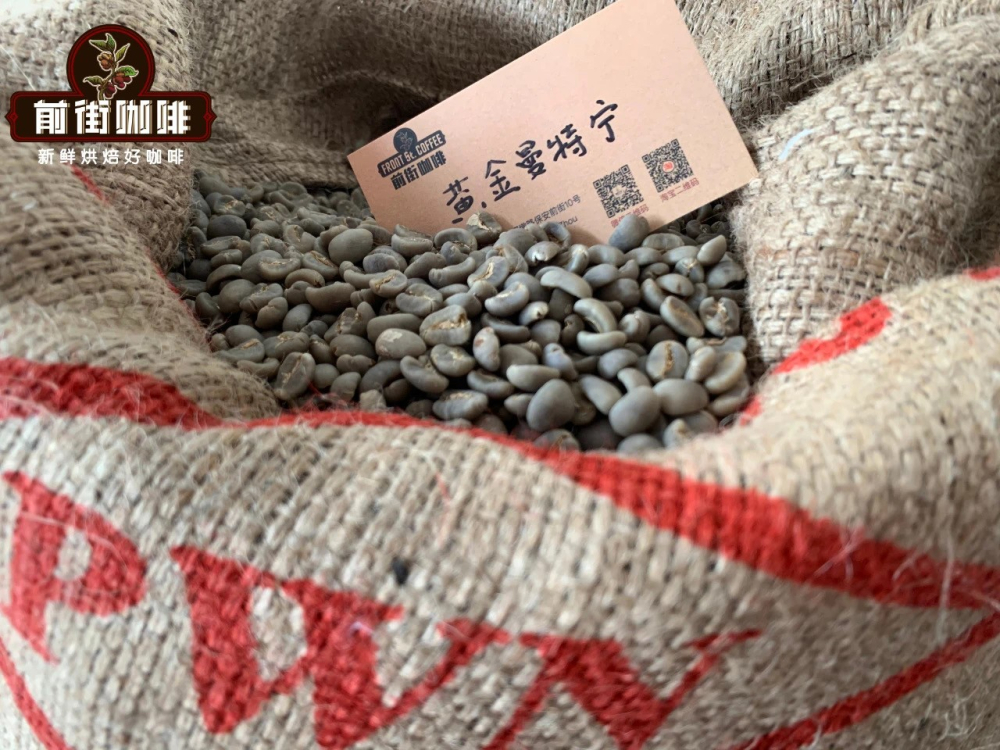
Because the hulling machine tears the tightly clinging parchment away with strong friction, a white or greenish viscous liquid usually oozes out at this stage. After long contact with that liquid and the humid air, the beans end up soft, pale, and swollen, in a gray-green color. The friction also makes them easy to crush or dent, especially at the ends, forming small gaps and the occasional "elephant bean." These "naked" beans dry very quickly but are also directly exposed to the humid environment, where all sorts of microorganisms take hold. That is what gives Indonesian coffee its unique woody, spicy, herbal, plant-like notes — the famous terroir flavor.
Some of you are probably curious what Southeast Asian flavors taste like. If you haven't yet tried FrontStreet Coffee's Mandheling, start with the small-packaged Lindong Mandheling everyday beans. Wet-hulled and classic through and through, it brews into the quintessential Mandheling cup and is easy to try at home.
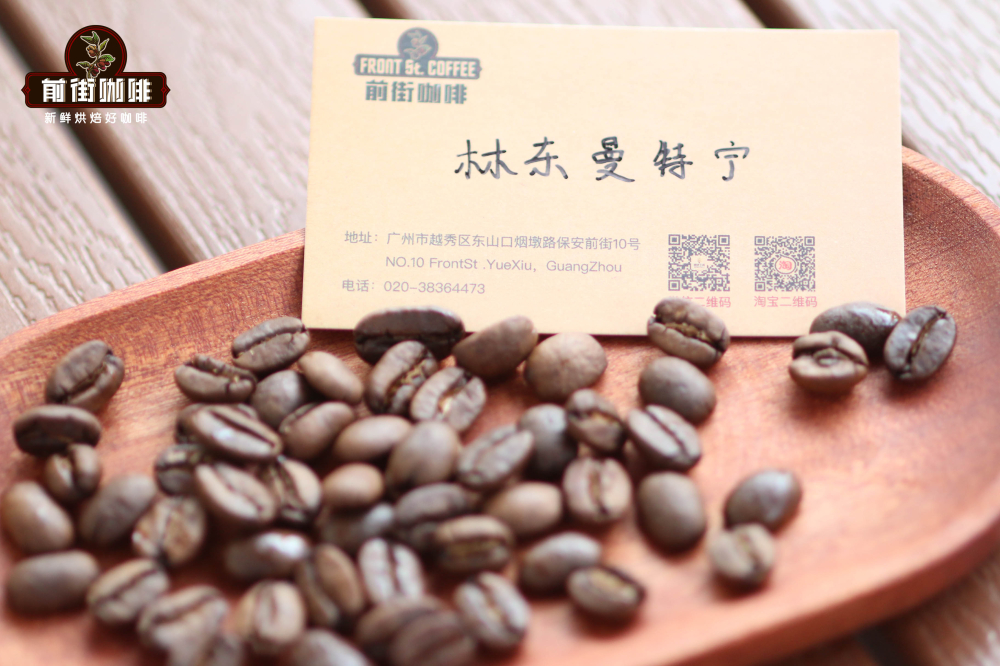
The best pour-over method for FrontStreet Coffee's Golden Mandheling coffee
To draw out the best aroma of Mandheling, FrontStreet Coffee uses the most popular bean in the store — the PWN Golden Mandheling — to demonstrate our pour-over approach.
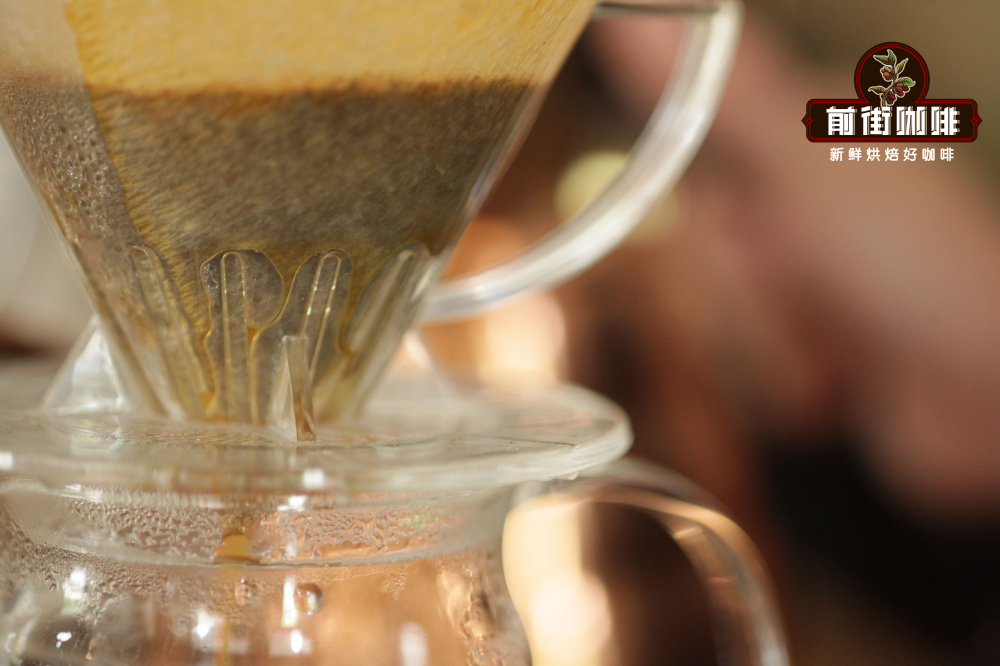
For full-bodied coffees such as the Indonesian Mandheling, the Brazil Queen Estate, and the Jamaica Blue Mountain, our baristas reach first for the KONO dripper. Compared with the V60, the KONO has smooth curved walls that make the wet filter paper cling tightly to the dripper, with flow ribs only one-quarter of the height, limiting upward airflow — the water can only exit through the bottom. That extends the water's contact time with the grounds, turning the brew into a soak-style extraction that tastes rounder, fuller, and more concentrated.
Medium-dark roasting changes the beans' internal structure, making them loose and more absorbent once ground. If the brewing parameters aren't adjusted, the cup easily turns over-extracted and bitter. To keep plenty of aroma without over-extraction, you need to lower the extraction rate: FrontStreet Coffee uses a lower water temperature and a raw-sugar coarseness to reduce the release of bitter macromolecules. In our stores we use an EK43S set to 10, with water at 87-88 degrees Celsius.

Dripper: KONO
Water temperature: 87 degrees Celsius
Coffee amount: 15 grams
Coffee-to-water ratio: 1:15
Grind size: 70% pass-through rate on China standard #20 sieve
Pouring method: Three-stage pouring
First stage: pour 30g of water to bloom for 30 seconds. Start timing as you pour, using a small stream in circles from the center outward, making sure the entire bed is moistened.
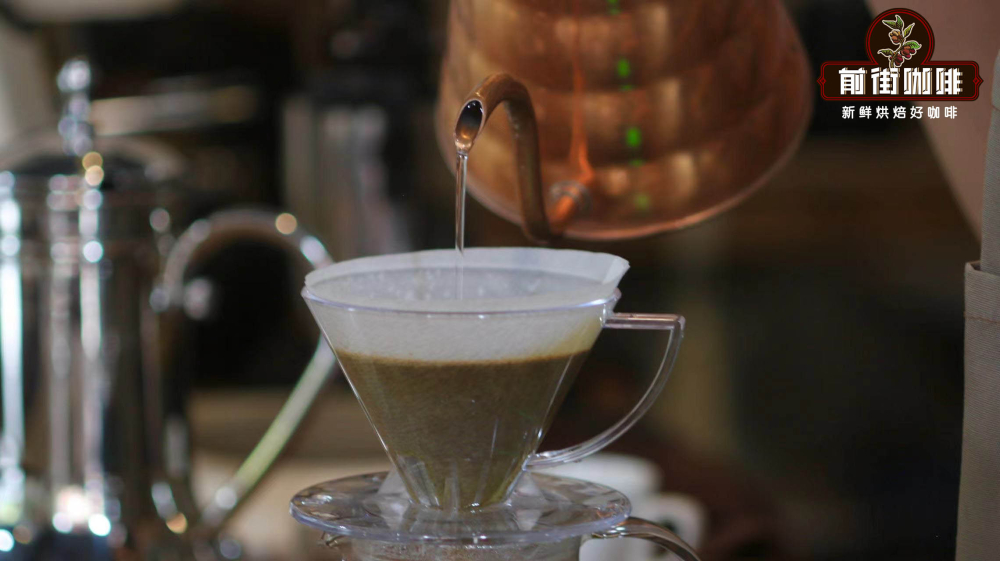
After 30 seconds, begin the second stage with 95g of water in a slightly larger stream, aiming to lift the whole coffee bed. Pour vertically and evenly; the scale should read 125g, with the pour completing at about 55 seconds.
When the liquid level drops to half, use a small stream in tight circles for the third stage of 100g — keep the circles narrow, as sweeping too widely scatters the bed and causes under-extraction. The total pour reaches 225g, with drawdown finishing at about 2 minutes. Remove the dripper, swirl the coffee in the server to even it out, and start tasting.
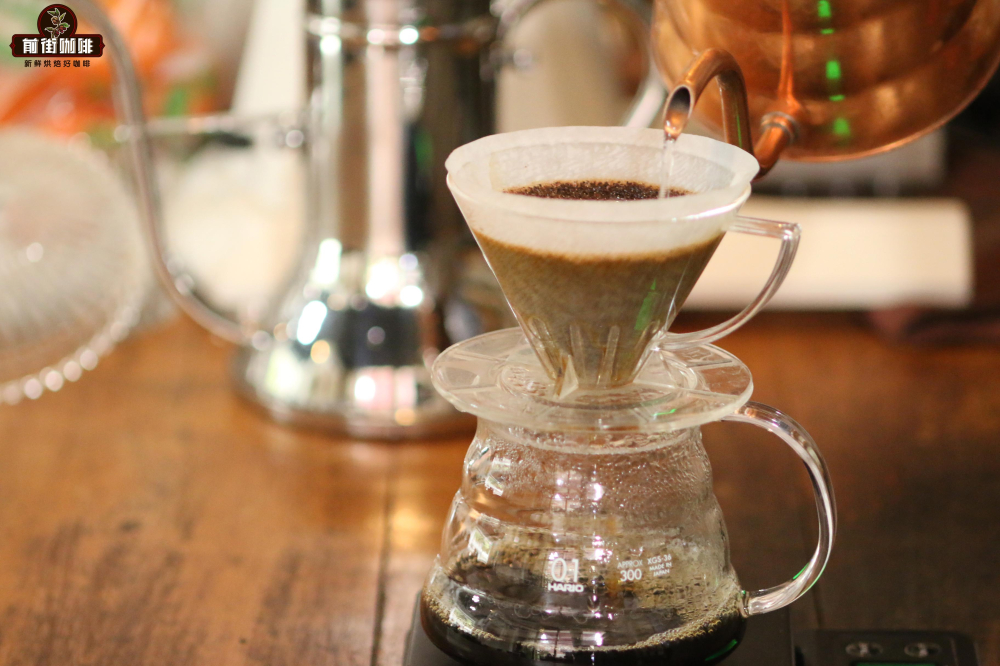
Hand-poured PWN Golden Mandheling: rich dark chocolate aroma, with fully integrated roasted hazelnut, caramel, and sweet melon flavors, obvious spice notes in the mouth, and a full-bodied, clean texture with a persistent finish.
FrontStreet Coffee Recommendation
Sumatra is now Indonesia's largest source of both Arabica and Robusta — more than 60% of national output — with the high-altitude Aceh and North Sumatra provinces as the Arabica heartland. The traditional Mandheling region lies around Lake Toba in Lindong, where the wet-hulled process and local fermentation create the dense, mysterious classic profile of strong aroma, thick body, and intense flavor, while the newer Gayo Highlands around Lake Tawar produce a finer, brighter, more aromatic cup under organic cultivation.
To taste the top of the pyramid, choose the FrontStreet PWN Golden Mandheling: built on beans above 18 mesh, with fewer than 3 defects per 300g sample meeting the G1 standard, then triple hand-sorted for cleanliness and sweetness. Roasted medium-dark, it brews into a clean, full-bodied black coffee with rich roast aromatics — ideal if you dislike acidic coffee. For an everyday brew, the FrontStreet Lindong Mandheling delivers the classic profile at a friendlier price: fragrant and intense, with clove and woody spice, low acidity, and a thick, lasting sweetness.
For pour-over, use 15g of coffee at a 1:15 ratio with 87-88°C water and a raw-sugar coarseness (70% pass on a #20 sieve) in a KONO dripper, three-stage: bloom 30g for 30 seconds, pour 95g to lift the bed, then finish with 100g in tight circles — 225g total, drawdown about 2 minutes. If you'd rather have Mandheling as espresso, the barista-favorite FrontStreet Classic Blend layers medium-dark Mandheling over Brazil's creamy nuttiness — butter, roasted chestnut, and caramel, with a touch of Robusta for rich crema — making lattes and Dirty drinks effortless.
Important Notice :
FrontStreet Coffee is a long-established specialty coffee roaster in Guangzhou China, selling freshly roasted beans from its own farm in Yunnan as well as dozens of carefully selected single-origin beans from around the world for both pour-over and espresso. The products deliver consistently excellent quality and great value, with shipping within 24 hours. Guangzhou's FrontStreet Coffee shop is recommended by many coffee lovers, and the beans are now available online at the Tmall 。
FrontStreet Coffee has moved to a new address:
FrontStreet Coffee Address: 315,Donghua East Road,GuangZhou
Tel:020 38364473
 Scan and follow the En Gafei WeChat official account. Please indicate that the reprint comes from "En Gafei".