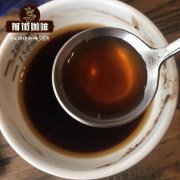
How Coffee is Consumed in Rwanda and What Are Rwanda Coffee Bean Varieties

Rwanda: The Rising Star of African Coffee
Rwanda is a small mountainous country in equatorial East Africa, covering 26,000 square kilometers. Of its ten million people, over half the economy depends on coffee exports. The 1994 Rwandan genocide shocked the world—the film "Hotel Rwanda" tells that story and introduced many of us to this small African nation.
The 1994 events claimed nearly a million Tutsi lives and utterly destroyed the local coffee industry. The new government spent almost 20 years rebuilding it back to health. In recent years Rwandan coffee has won favor among European and American specialty professionals: with only 0.2% market share, it has become a new darling of the coffee world. Rwanda is also one of only two African countries to have joined the Cup of Excellence (2008-2015)—the other being Burundi.
As in Kenya, coffee arrived with the colonial powers. In 1904, German missionaries introduced Bourbon varieties to Rwanda, and large-scale cultivation followed along the shores of Lake Kivu. Thanks to geographic isolation and government support, 90% of Rwandan coffee is still traditional Bourbon. In Kenya, by contrast, Bourbon has been displaced by the newer SL28—genuine Kenyan Bourbon is genuinely hard to find today.
Rwanda's recent strides owe much to the new government. OCIR (the Rwanda Coffee Board) assembled a team of coffee experts and, in just ten years, grew the number of processing plants assisting farmers from two to more than two hundred, guiding farmers away from workshop-scale production toward delivering fresh cherries to proper processing stations. With help from foreign coffee organizations, the transformed Rwanda has repeatedly appeared in international competitions. But like Burundi, some lots have long suffered the notorious potato defect—a black mark in green bean evaluation—prompting joint research investment by the government and civil organizations, with major improvements in recent years.
Flavor Profile
Rwandan coffee shares Kenyan coffee's berry notes but without Kenya's assertive acidity—and without giving up any richness in the mouthfeel. Variety and processing may steer the flavor differently, but the high-altitude growing conditions and volcanic soil guarantee quality. Every batch FrontStreet has purchased has been full-bodied and rich with minimal defects.
About FrontStreet Coffee
FrontStreet Coffee is a roastery in Guangzhou with a small shop but a wide range of beans—famous names and hidden gems alike—plus online ordering.
FrontStreet Coffee Recommendation
If Rwanda's soft, berry-toned profile appeals to you, it makes a perfect gateway into specialty coffee more broadly. Here are FrontStreet's beginner-friendly picks from other classic origins:
- Ethiopia — FrontStreet Natural Hambella and Washed Guodingding Cooperative: The birthplace of coffee and its largest African producer. Yirgacheffe lots are mostly washed since the government introduced the method in the 1970s—jasmine florals, lemon acidity, berry tones (the washed Guodingding Cooperative is the classic). Sidamo shines as natural: FrontStreet's Hambella delivers berry, florals, jackfruit, melon, and honey.
- Brazil — FrontStreet Cerrado Red Bourbon and Queen Estate: The world's largest producer, where sun-exposed planting ripens cherries fast for a soft bean, gentle acidity, excellent sweetness, and smooth balance. The Cerrado daily-drinker shows cream, peanut, and cocoa; the higher-grown Queen Estate, a rare Yellow Bourbon, adds buttered nut complexity and sugarcane sweetness—glorious with or without milk.
- Indonesia — FrontStreet Lintong Mandheling and PWN Golden Mandheling: Wet-hulled to beat the rain, giving a wild herbal, spicy profile richer and smoother than Blue Mountain—ideal for anyone who avoids acidity. Step up to PWN Golden Mandheling for triple hand-sorting: cleaner, silkier, with clearer woodsy and caramel notes.
- Costa Rica — FrontStreet Mozart and Blackberry: High altitudes and volcanic soil produce SHB-grade beans, and honey processing—drying with the mucilage still wrapping the bean—is the country's trademark: full sweetness, crystal-clear finish. The raisin-honey Mozart brings raisin and blueberry sweetness with osmanthus and rose aromas, lovely as pour-over, cold brew, americano, or latte.
- Panama — FrontStreet Boquete Washed Geisha: For a special occasion that isn't quite Esmeralda prices: pure Geisha genetics from Panama's flagship region, washed for a clear orange-blossom honey character with citrus, berries, and florals—like a flower-fruit tea with no bitterness at all.
Important Notice :
FrontStreet Coffee is a long-established specialty coffee roaster in Guangzhou China, selling freshly roasted beans from its own farm in Yunnan as well as dozens of carefully selected single-origin beans from around the world for both pour-over and espresso. The products deliver consistently excellent quality and great value, with shipping within 24 hours. Guangzhou's FrontStreet Coffee shop is recommended by many coffee lovers, and the beans are now available online at the Tmall 。
FrontStreet Coffee has moved to a new address:
FrontStreet Coffee Address: 315,Donghua East Road,GuangZhou
Tel:020 38364473
 Scan and follow the En Gafei WeChat official account. Please indicate that the reprint comes from "En Gafei".