How is Hawaiian Kona Coffee Sold - Introduction to Global Sales of Hawaiian Kona Coffee
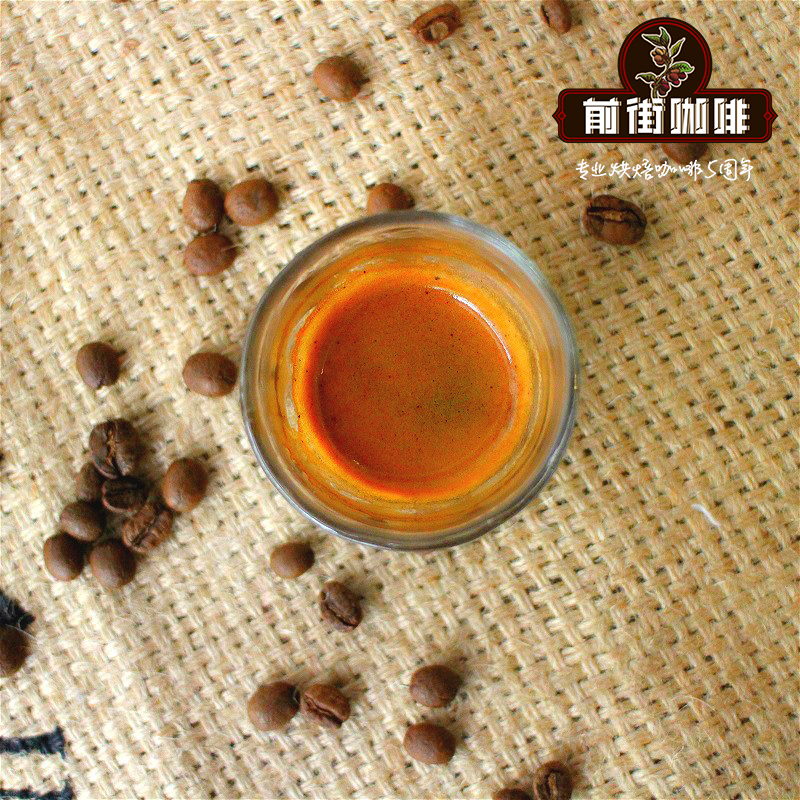
Hawaii Kona Coffee took the world's number one title back in 2001, before newer arrivals like Blue Mountain and Kopi Luwak came along. It is the only premium coffee produced within the United States. Yet, just like Moutai liquor, not all coffee grown in Kona is award-winning coffee. The award-winning Kona is called JOE COFFEE, and you cannot find pure coffee of this brand in supermarkets or anywhere else. It is only available at the coffee plantation itself, at 50 yuan per 8 ounces.
Overview
Kona coffee is produced in the Kona region of Hawaii and is a rare variety that can only be grown on volcanic slopes. It has a fragrant, mellow taste with a slight wine-like aroma, offering an extremely distinctive flavor. Premium Kona coffee has moderate acidity, a smooth and rich mouthfeel, and a unique aromatic flavor. Because production is declining, its price now rivals that of Blue Mountain coffee.
The narrow coastal strip of Hawaii's Kona coast produces some of the world's best coffee and ranks among the top in production. Less than 2,600 acres of Kona coffee land produce 2 million pounds of coffee beans annually. Kona coffee is aromatic, has a unique taste, and possesses outstanding regional character that makes it stand out in international competition. Coffee lovers can brew Kona coffee for themselves on Kona Coffee Street.
Most coffees on the market today that call themselves "Kona" contain less than 5% authentic Hawaii Kona coffee. In the United States you can also find another excellent Hawaiian coffee, Hawaii Kai Farms Coffee (Kai Farms).
History
The earliest settlers reached Hawaii around 300-400 AD, and historians speculate they came from the Marquesas Islands. They divided into different tribes living on the islands, led by hereditary chiefs. The earliest Hawaiian residents created the islands' rich musical culture, though little written material has survived.
Europe's discovery of Hawaii was purely accidental. Explorers were searching for a legendary passage to the spice-producing East and instead found the most precious pearl in the Pacific Ocean.
A captain named James Cook landed on Kauai Island in 1778 to resupply his ships. On his return journey he met severe cold and storms, so he had to return to Hawaii early the following year, anchoring at a beach in Kona. From then on, the Hawaiian Islands became an important stopover on world trade routes. Hawaiian chiefs traded the island's specialty sandalwood with passing ships for weapons, goods, and livestock. Starting in the 1820s, Western religions began to spread widely on the islands, and many churches built in that era are still in use today.
Hawaii is a paradise for tasting and buying coffee. Each island has several distinctive places for tourists and residents to taste and buy coffee, from cozy, warm small shops to comprehensive centers that introduce coffee knowledge. In Hawaii you can watch the fiery sunset sink into the orange-red sea, feel the fresh air filled with floral fragrance, and sit by the water drinking a cup of aromatic coffee. Probably no other place in the world offers such an experience.
In 1813, a Spaniard first planted coffee in Manoa Valley on Oahu; today this place has become the main campus of the University of Hawaii. In 1825, a British agriculturalist named John Wilkinson transplanted some coffee from Brazil to Chief Boki's coffee plantation on Oahu. Three years later, an American missionary named Samuel Reverend Ruggles brought coffee tree branches from Chief Boki's garden to Kona. This coffee is a descendant of the earliest Arabica trees that grew on the Ethiopian plateau, and to this day Kona coffee continues its noble, ancient lineage.
Growing Environment
The excellent quality of Hawaii Kona coffee benefits from its suitable location and climate. Coffee trees grow on volcanic mountain slopes, and the location ensures the altitude coffee needs, while the dark volcanic ash soil provides the necessary minerals.
Kona Island has rich volcanic black mud with moderate acidity, a high mineral content, and appropriate moisture. And every afternoon, a cloud drifts over the island to block the sunlight, protecting the delicate coffee seedlings.
The climate is extremely suitable: the morning sun passes gently through the moisture-filled air, by afternoon the mountains turn more humid and foggy, the surging white clouds serve as natural umbrellas for the trees, and the nights become clear and cool.
Those natural conditions make Kona's average yield very high, reaching 2,240 kilograms per hectare, while in Latin America coffee yield is only 600-900 kilograms per hectare.
Flavor
Hawaii Kona coffee has a fresh, crisp taste, a medium body, slight acidity, and a rich aroma, with a long-lasting aftertaste. Most precious is that Kona carries a mixed fragrance combining wine, fruit, and spice notes, as charming as the colorful volcanic islands themselves.
Overall, Kona's flavor is relatively mild, so mild that some people treat that mildness as blandness, feeling Kona is too crisp and simple.
But if you are someone who likes to ease into the mood with a coffee's aroma before tasting, Kona is the coffee for you. It is not as rich as Indonesian coffee, not as wine-flavored as African coffee, and certainly not as bold as Central and South American coffee. Kona coffee is like a woman walking out of Hawaii's sunshine and gentle breeze: fresh and natural, neither too intense nor too mild.
FrontStreet Coffee is a roastery in Guangzhou with a small shop but a diverse range of beans, where you can find both famous and lesser-known coffees, and it also provides online store services.
FrontStreet Coffee Recommendation
Kona's mellow, balanced style has a natural counterpart in Jamaica Blue Mountain, the other classic island coffee. True Blue Mountain is grown only inside the designated Blue Mountain region of eastern Jamaica, near Kingston, on mountains rising to about 1,800 meters, an unusual altitude for Arabica. Cool mist, rich volcanic soil, and heavy rainfall give the cup its trademark balance. Annual Jamaican production is under 2,500 tons and Japan has historically bought more than 70% of it, which is why so little reaches other markets; since 2003, certified Jamaican Blue Mountain green beans have been exported to China through official channels.
FrontStreet's Blue Mountain No. 1 is the highest grade, grown on the historic Clifton Mount estate, where coffee has been planted since around 1750 on land averaging 4,300 feet (1,310.64 meters). Roasted medium-dark to emphasize the bean's balance, it opens with cream, caramel, chocolate, nuts, honey, and a faint fruit tone, smooth and rounded up front, sweet through the middle, and clean and long on the finish, with no bitterness and only a moderate, well-judged acidity. Genuine lots ship in the traditional wooden barrels, marked in 15, 45, and 70-kilogram sizes, and carry full origin certification.
For brewing, FrontStreet suggests a KONO dripper with 15 g of coffee, a 1:15 ratio, water at 87-88°C, and a grind slightly coarser than for a light roast, about the texture of white sugar. Rest the beans 4-7 days after roasting. Pour 30 g of water for a 30-second bloom, a second stage to 120 g, and a third to 225 g, finishing around 2 minutes.
Important Notice :
FrontStreet Coffee is a long-established specialty coffee roaster in Guangzhou China, selling freshly roasted beans from its own farm in Yunnan as well as dozens of carefully selected single-origin beans from around the world for both pour-over and espresso. The products deliver consistently excellent quality and great value, with shipping within 24 hours. Guangzhou's FrontStreet Coffee shop is recommended by many coffee lovers, and the beans are now available online at the Tmall 。
FrontStreet Coffee has moved to a new address:
FrontStreet Coffee Address: 315,Donghua East Road,GuangZhou
Tel:020 38364473
 Scan and follow the En Gafei WeChat official account. Please indicate that the reprint comes from "En Gafei".