Hawaii Kona Coffee Growing Conditions_Hawaii Kona Coffee Quality_Kona Coffee Bean Production
Hawaii's Thriving Coffee Tourism
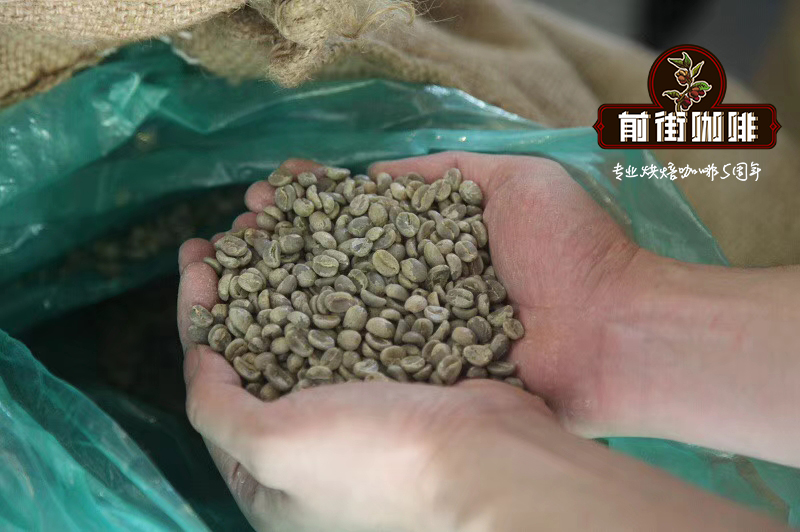
Hawaii's tourism industry is well developed, and visitors can tour coffee farms and watch or take part in the various stages of production - harvesting, processing, roasting, and grinding - eventually building a cup of coffee that feels genuinely personal. In the Kona region there are approximately 600 independent coffee farms, the vast majority of them small family operations, with cultivation areas typically between 18 and 42 acres. Hawaiian Kona coffee generates more than $10 million in annual revenue for these farms.
Family-Centered Coffee Cultivation
Kona coffee cultivation has always followed a family-based model. At first only men were allowed to work the plantations, but women later joined the workforce as well. Hawaiian families preferred to rely on family effort rather than hired workers, which is why it was normal at the time for a Hawaiian family to have eight or nine children. Over time, new immigrants kept arriving from the Philippines, the mainland United States, and Europe to work in coffee. Hawaii gradually developed a social atmosphere centered on family culture while remaining open to outside influence, and that combination is one of the islands' distinctive traits.
Island Coffee Culture and Scenery
Each island has several distinctive places where tourists and residents can taste and buy coffee, from comfortable small shops to larger centers that introduce coffee knowledge. In Hawaii, you can watch the fiery sunset sink into an orange-hued sea, breathe air fragrant with flowers, and enjoy a rich cup of coffee by the shore - an experience few other places in the world can offer.
Ideal Growing Conditions for Hawaiian Kona Coffee
The quality of Hawaiian Kona coffee comes from its suitable geography and climate. Coffee trees grow on volcanic slopes, where the terrain provides the altitude coffee needs. The dark volcanic ash soil supplies the minerals the trees require. The climate is exceptionally favorable: in the morning, gentle sunlight filters through moisture-laden air; in the afternoon, the mountains grow more humid and foggy, and drifting white clouds act as natural parasols for the trees; the evenings turn clear and cool, but never frosty. These conditions let Hawaiian Kona coffee reach a very high average yield of 2,240 kilograms per hectare, while coffee in Latin America yields only 600-900 kilograms per hectare.
FrontStreet Coffee Recommendation
A coffee as balanced and gentle as Kona is best matched with beans that share its even, sweet disposition. FrontStreet Brazil Queen Estate is a good place to start: grown in the world's largest coffee-producing country from the distinctive Yellow Bourbon variety, it is sweet and mellow, and at a medium roast it brings forward cream, peanut, chocolate, toasted bread, and sugarcane aromas with a clean sweetness. It brews well as a pour-over and also works in a moka pot or espresso machine, making it an easy everyday companion.
If you prefer a sweeter, fruit-leaning medium roast, FrontStreet Strawberry Sugar is worth trying. It combines two well-known Latin American origins - a honey-processed Costa Rican coffee and a washed Panamanian Geisha - and FrontStreet roasts it medium to draw out both the orange-blossom honey character and a rounded sweetness. It suits cold brew, pour-over, and espresso alike, and it is refreshing from the first sip.
For a cup built on balance rather than brightness, FrontStreet Jamaica Blue Mountain No. 1 is medium roasted, which lets its acidity, bitterness, sweetness, and body fuse into one elegant whole. On entry you taste chocolate, roasted nut, cream, and caramel, the kind of rounded roasted profile that has kept Blue Mountain a benchmark for so long. Like Kona, it is a coffee defined less by a single dramatic note than by how harmoniously everything fits together.
Important Notice :
FrontStreet Coffee is a long-established specialty coffee roaster in Guangzhou China, selling freshly roasted beans from its own farm in Yunnan as well as dozens of carefully selected single-origin beans from around the world for both pour-over and espresso. The products deliver consistently excellent quality and great value, with shipping within 24 hours. Guangzhou's FrontStreet Coffee shop is recommended by many coffee lovers, and the beans are now available online at the Tmall 。
FrontStreet Coffee has moved to a new address:
FrontStreet Coffee Address: 315,Donghua East Road,GuangZhou
Tel:020 38364473
 Scan and follow the En Gafei WeChat official account. Please indicate that the reprint comes from "En Gafei".