Costa Rica Tarrazu Flavor | Tarrazu Coffee | El Llano Estate Mayo Processing Plant
Professional coffee knowledge exchange and more coffee bean information. Please follow Coffee Workshop (WeChat official account: cafe_style).
Costa Rica Tarrazu Flavor Profile | El Llano Estate at Don Mayo Mill | Yellow Honey Caturra
English Name
Tarrazu El Llano Y-Honey
Country
Costa Rica
Region
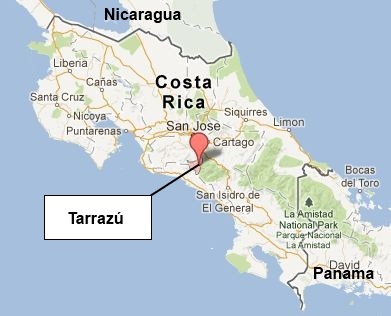
Tarrazu
Grade
SHB
Producer
Don Mayo Processing Plant
Processing Method
Yellow Honey
Variety
Caturra
Altitude
1500-1950 meters
Flavor Description:
Layered complexity, pear sweetness, preserved fruit, chocolate and caramel, rounded acidity, smooth and dense texture.
Harvest Period
December to March of the following year
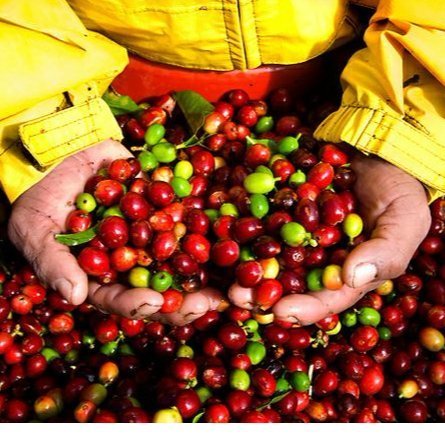
Introduction
More than two centuries have passed since the first coffee seed took root in Costa Rica. Beans from this country possess an unparalleled charm — rich, bright acidity and a pure, clean texture that has captivated connoisseurs for two hundred years.
The excellence of Costa Rican coffee stems from its unique geography: it sits on the Central American isthmus, its climate shaped at once by Pacific and Atlantic currents and sea breezes. Add the towering volcanoes within its territory — many reaching 2,000 meters — and coffee cherries grow slowly in the most fertile volcanic ash soil and the cool high-altitude air, developing complete, richly nuanced flavors.
Just as important is the estates' rigorous tradition around harvesting and processing. Coffee was first cultivated on the slopes of the Poas and Barva volcanoes in what is today the Central Valley region, and the country's seven main producing areas stretch from northwest to southeast along the inland central plateau.
Fertile volcanic ash soil, mild temperatures, and stable, abundant rainfall have all helped coffee become one of Costa Rica's principal agricultural products. The seven major regions are Tarrazu, Tres Rios, Orosi, Central Valley, West Valley, Turrialba, and Brunca.
Honey Processing
Costa Rica has a long coffee-growing history, but in recent years tradition is no longer the only game in town — the more innovative honey process has become the trend.
Honey processing abandons the traditional washed method of soaking the beans in large fermentation tanks (letting microorganisms break down the pulp in water) before washing. Instead, modern pulp scrapers remove part of the mucilage, and the beans go straight out to dry in the sun.
This way, nothing in the bean is leached away by water. And during drying, as the clinging pulp gradually dries and concentrates, microorganisms that thrive in high-sugar environments (such as natural yeasts) get to work, giving the green beans a rich, complex sweet aroma.
The result is "honey-processed coffee" — lower acidity, full body, high complexity, and abundant sweetness — which has become one of the most sought-after styles in the coffee world in recent years.
Don Mayo Processing Plant
Aiming to lead Costa Rican coffee, Don Mayo is actually a young mill despite its 15-year history. The family cooperative was founded in 1994, but it wasn't until 2005 that they built their own processing plant.
The mill sits in Tarrazu, about five kilometers north of the town of San Marcos, handling processing research and post-harvest work for ten affiliated estates. Because those estates lie on slopes at 1,500–1,950 meters, all of Don Mayo's coffee is SHB grade.
FrontStreet Coffee: A roastery in Guangzhou with a small shop but a diverse range of beans, where you can find all kinds of famous — and lesser-known — coffees, along with online store service. https://shop104210103.taobao.com
FrontStreet Coffee Recommendation
Honey processing began life as the pulped natural (semi-dried) method of Brazil: a way of handling green coffee where the skin is removed and the beans are dried with some mucilage still attached — shortening the drying time while solving the off-flavors caused by improper fermentation. FrontStreet's Cerrado from Brazil is a classic pulped-natural coffee, with clear notes of cream, peanut, nuts, and chocolate. Brazil's success caught Costa Rica's attention: producers there borrowed the method and refined it by controlling how much mucilage is retained and how long the drying lasts, turning it into the honey process — which then branched into black honey, red honey, yellow honey, and white honey.
For the deepest expression of that craft, FrontStreet Coffee's Blackberry lot uses black honey — a method that removes almost none of the mucilage and stretches the drying to at least two weeks, with shade covers used to keep the fierce sun from drying the beans too quickly, ensuring the sugars convert fully; the beans must be turned at irregular intervals during drying to prevent uneven heating and over-fermentation, which is why black honey demands so much more labor. Roasted medium-light, the ground coffee gives off an intense fresh-floral fragrance, and the brew reveals distinctive flavors of grape, berry, and ripe blackberry. For a Geisha twist, FrontStreet's Strawberry Sugar blend marries Panama Geisha with Costa Rican coffee processed as raisin honey — 100% of the mucilage retained with zero water: harvest-day cherries are floated in large tanks (ripe, full fruit sinks; underdeveloped or overripe fruit floats and is discarded), then dried on raised beds for at least three days before the skins are removed, mucilage kept on, and drying continues with constant turning for evenness. The cup has Geisha's floral-tea character plus the fresh aroma of grapes and dried blueberries, gentle acidity, an almond finish, and pronounced sweetness.
And if you want the most innovative of all, try FrontStreet Coffee's Mozart: raisin honey processing is an inventive departure from traditional yellow, red, and black honey, pre-drying the whole cherries on raised beds for at least three days before removing skin and pulp and completing the usual honey steps. Keeping 100% of the mucilage raises the difficulty enormously — FrontStreet's analysis is that the strict control of timing required makes it even harder than black honey — but it rewards the cup with a richer sweetness of dried fruit in hot water. Whether you brew it as pour-over, cold brew, or in a moka pot, Mozart delivers the distinctive aromas of osmanthus, pineapple, and raisins.
Important Notice :
FrontStreet Coffee is a long-established specialty coffee roaster in Guangzhou China, selling freshly roasted beans from its own farm in Yunnan as well as dozens of carefully selected single-origin beans from around the world for both pour-over and espresso. The products deliver consistently excellent quality and great value, with shipping within 24 hours. Guangzhou's FrontStreet Coffee shop is recommended by many coffee lovers, and the beans are now available online at the Tmall 。
FrontStreet Coffee has moved to a new address:
FrontStreet Coffee Address: 315,Donghua East Road,GuangZhou
Tel:020 38364473
 Scan and follow the En Gafei WeChat official account. Please indicate that the reprint comes from "En Gafei".