[Yemen Mokha Mattari] Natural Coffee Brewing Methods and the Origin of Mocha Coffee Bean Names
Yemen Moka Mattari: The Art of Natural Coffee Brewing and the Origins of Mocha
Mattari is Yemen's most renowned coffee bean, grown in the Bani Matari highlands west of the capital Sana'a. It features an intense, full-bodied flavor with distinct berry aromas. When people discuss Yemen coffee, they immediately think of full-bodied, wild natural process beans. Since ancient times, Yemen's coffee farmers have continued to follow traditional cultivation methods passed down from their ancestors.
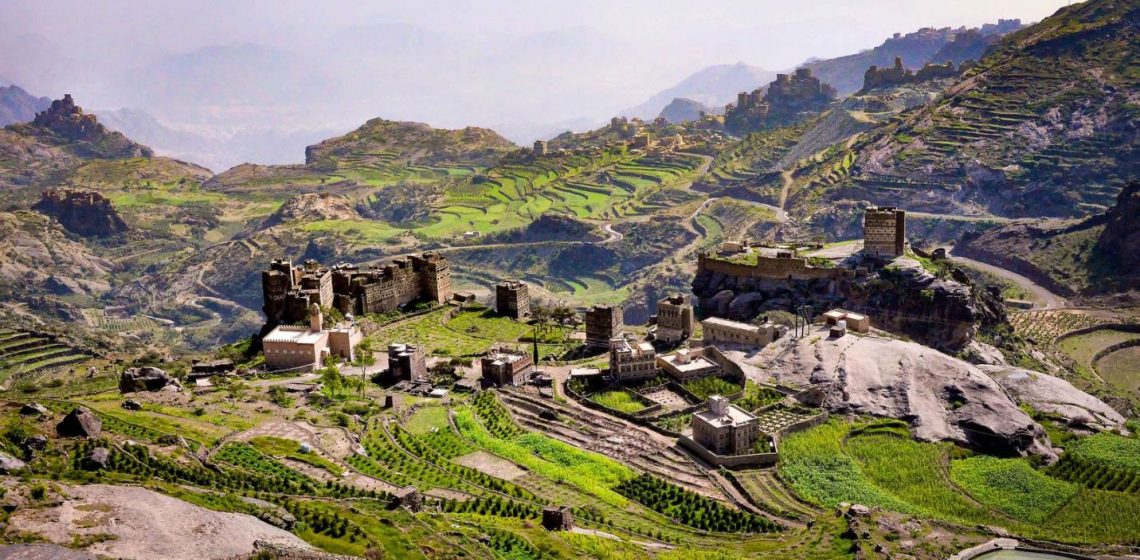
Because of Yemen's rugged terrain and scarce rainfall, coffee farmers typically choose terraced fields or low-lying areas, avoiding intense direct sunlight. In addition, most Yemeni farmers are poor and cannot afford pesticides, so they rely almost exclusively on natural organic cultivation. Yemen Mattari - the pinnacle of Mocha coffee - is known as the "Queen of Coffee," with limited yet exquisite production. It offers rich flavor and a fantastical, wild aroma that layers upon itself in the aftertaste. Its distinctive feature is bright floral and fruity notes complemented by a red wine-like appeal. Although Yemen coffee grows in dry sandy soil, it comes from a region where rains fall during the monsoon season. The coffee tree roots, nourished by abundant underground water, give birth to the irreplaceable Yemen Mocha.
To this day, Yemeni coffee farmers still produce coffee using the same methods as 500 years ago. Coffee cherries grow naturally on the trees without any artificial fertilizers or pesticides. In summer, they receive moisture from the mountain slopes' light rain and mist, flowering and fruiting. During the dry winter, mature cherries are allowed to hang on the trees and air-dry naturally - a very unique and rare practice. Only the extremely dry climate and intense sun of the Arabian Peninsula permit this approach; in other coffee-producing regions, the same method could cause the cherries to rot on the trees.
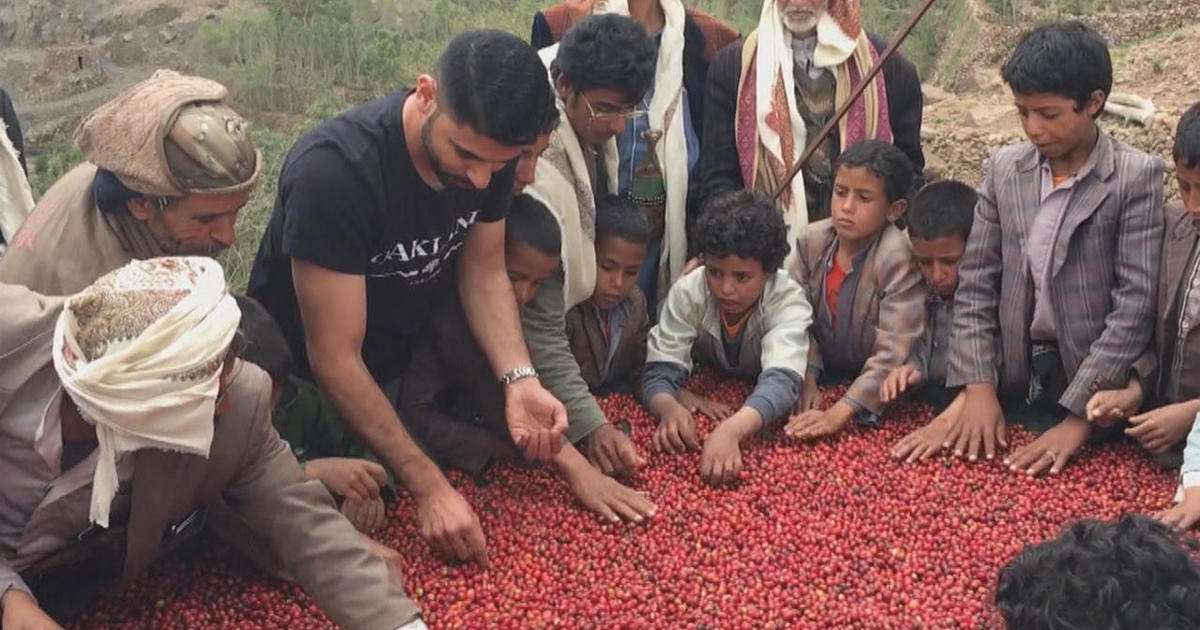
Ripe or dried coffee cherries naturally fall from the trees, are shaken down, or are harvested by hand. Yemeni coffee farmers, who make up nearly a quarter of the country's total population, spread the cherries with the pulp intact to dry on their rooftops, in small sheds before their homes, or sometimes directly on the bare ground, exposed to the intense dry winter sun. Once the skin and pulp are dried, old-fashioned stone mills (two overlapping millstones) are used to grind away the dried hard shells and pulp - and the coffee beans are ready.
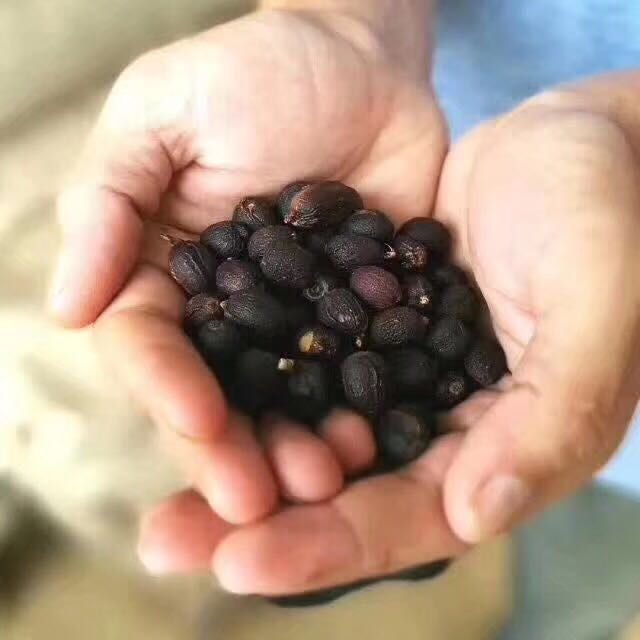
Because they are dried with the pulp intact, the coffee cherry flavors have a chance to "infuse" into the beans. When coffee fruits fall on the dry soil of the African highlands, they also absorb flavors from the surrounding organic matter. Combined with the "sun flavor" imparted by the fierce Arabian winter sun (you can detect similar notes on sun-dried quilts), the natural fermentation aroma of ripe fruit pulp, and hints of earthiness... the 300,000 coffee farms spread across elevations from 3,000 to 8,000 feet, along with ancient, 100% organic processing methods, create the world's unique Yemen Mocha.
The Origins of Mocha
When discussing Yemen coffee, one must mention "Mocha." Everyone has heard of "Mocha coffee," but what exactly is "Mocha"?

There are multiple answers to this question. Some say Mocha is a specific origin, while others think of Mocha as sweet chocolate-flavored coffee. In fact, authentic "Mocha coffee" is produced exclusively in the Republic of Yemen on the southwestern Arabian Peninsula, growing on steep mountain slopes at elevations between 3,000 and 8,000 feet, making it the world's most ancient coffee.
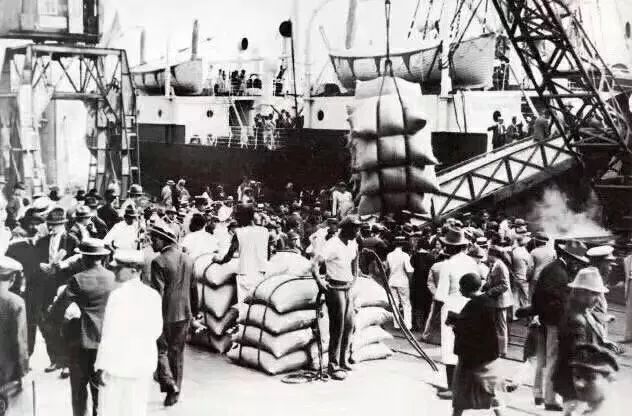
As early as 500 years ago, Yemen was already producing coffee using ancient methods. In the early 17th century, the first Yemen coffee sold to Europe was exported through the ancient small port of Mocha, stunning Europeans. They called the delicious coffee from Mocha port "Mocha coffee" - this is the origin of the name.
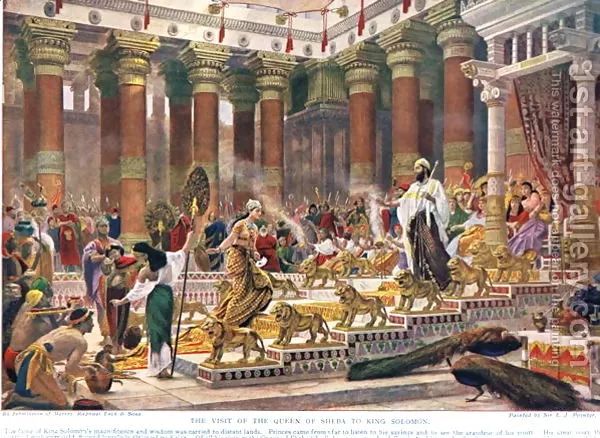
Ethiopia, Yemen's neighbor across the Red Sea, also exported coffee through Mocha port, so Ethiopian natural process coffees are often called Mocha (such as Mocha-Harrar Ethiopia Harrar). Today, the old port of Mocha has long been abandoned due to sedimentation (its modern name is Al Makha), and exports are handled by the northwestern port of Hodeida. However, people have long been accustomed to the Mocha name, and its reputation has spread far and wide.
Dark-roasted Yemen coffee often shows chocolate-like bittersweet notes, influencing today's flavored coffees with chocolate syrup, which are also labeled "Mocha." So when you see the words "Mocha coffee," they might refer to pure Yemen coffee, neighboring Ethiopian coffee, or simply mean "flavored coffee with chocolate syrup." Regardless, for discerning coffee connoisseurs, only genuine Yemen coffee deserves the name "Mocha coffee."
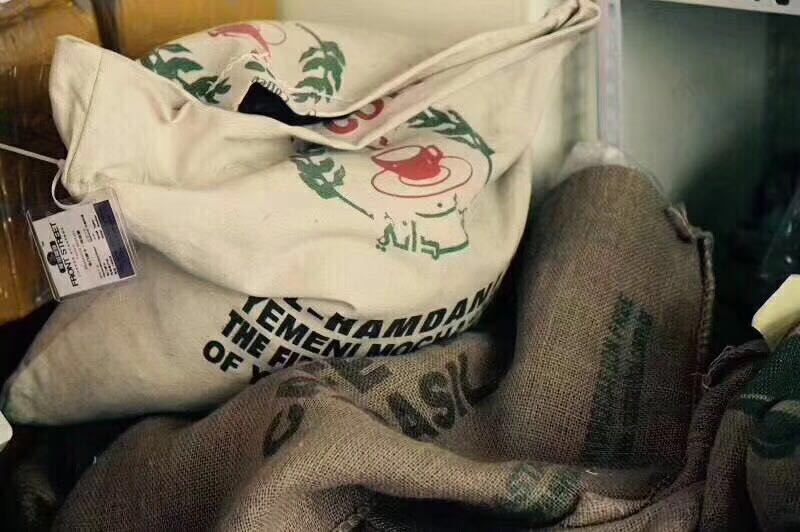
The term "Mocha" has multiple spellings: Moka, Moca, and Mocca are all common variants. On Yemen coffee sacks and documents, I have seen up to four local spellings: "Mokha," "Makha," "Morkha," and "Mukha" - all representing the same meaning.
Yemen Mocha is the pioneer of world coffee trade, making invaluable contributions to spreading delicious coffee worldwide. In the 17th century, Yemen Mocha, known as "Arabia Coffee" (which is also the origin of the later "Arabica" name), traveled across the seas to Catholic European countries like Italy. For more than 150 years thereafter, Yemen remained the only coffee-producing region selling to Europe.
Cupping Characteristics
Cupping Characteristics: Nutty, cocoa, walnut, subtle floral notes, smooth mouthfeel, with a very persistent lingering aftertaste

FrontStreet Coffee's Brewing Recommendations
FrontStreet Coffee Brewing Recommendations:
Dripper: Hario V60
Water Temperature: 88°C
Grind Size: Fuji Royal grinder setting 4
Brewing Method: Water-to-coffee ratio 1:15, using 15g of coffee. First pour: 25g of water for a 25s bloom. Second pour: inject to 120g then pause, wait until the water level in the coffee bed drops to half, then continue pouring slowly to 225g total. Extraction time around 2:00.
Analysis: Using a three-stage brewing method clearly defines the front, middle, and back-end flavors. Because the V60 has many ribs and drains quickly, pausing during pouring can extend the extraction time.
PS: The condition of the coffee bed in pour-over brewing should not be overlooked - this must be emphasized. The coffee bed plays a subtle role, one of which is providing resistance, allowing hot water to remain in the dripper long enough to ensure sufficient flavor extraction.
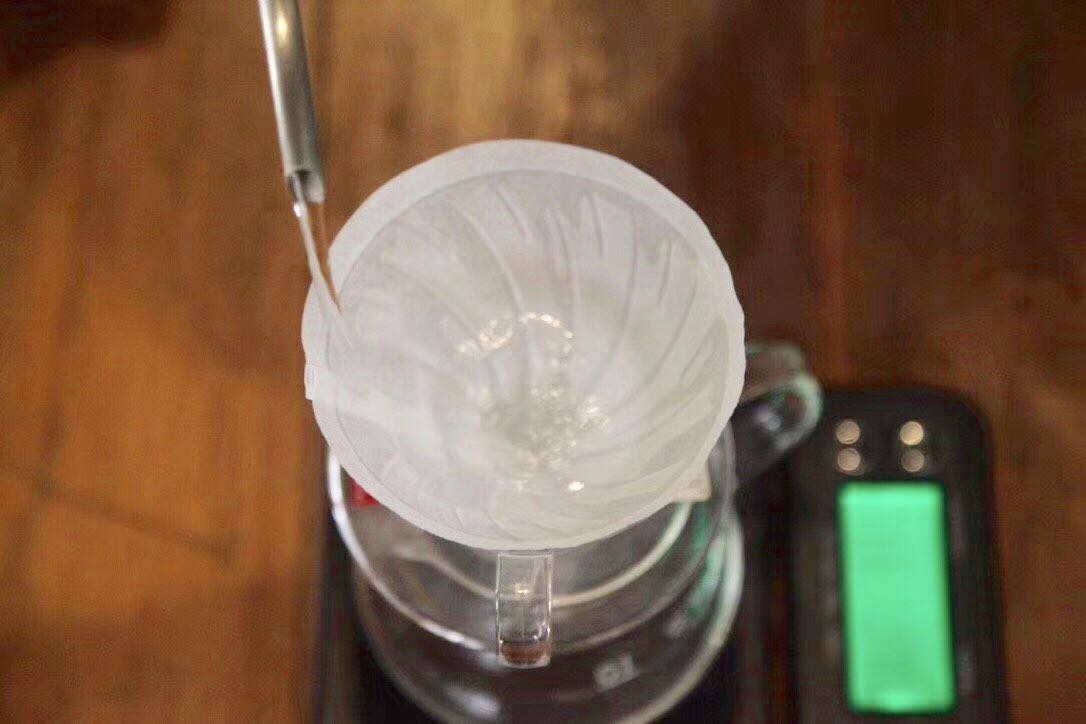
Medium-dark roasted coffee beds must also have certain structural support to perform their "blocking" function. To prevent weakening the coffee bed's support strength, one must master water stream intensity, pouring position, and a stable circular pouring technique - together these make a complete set of pouring skills.
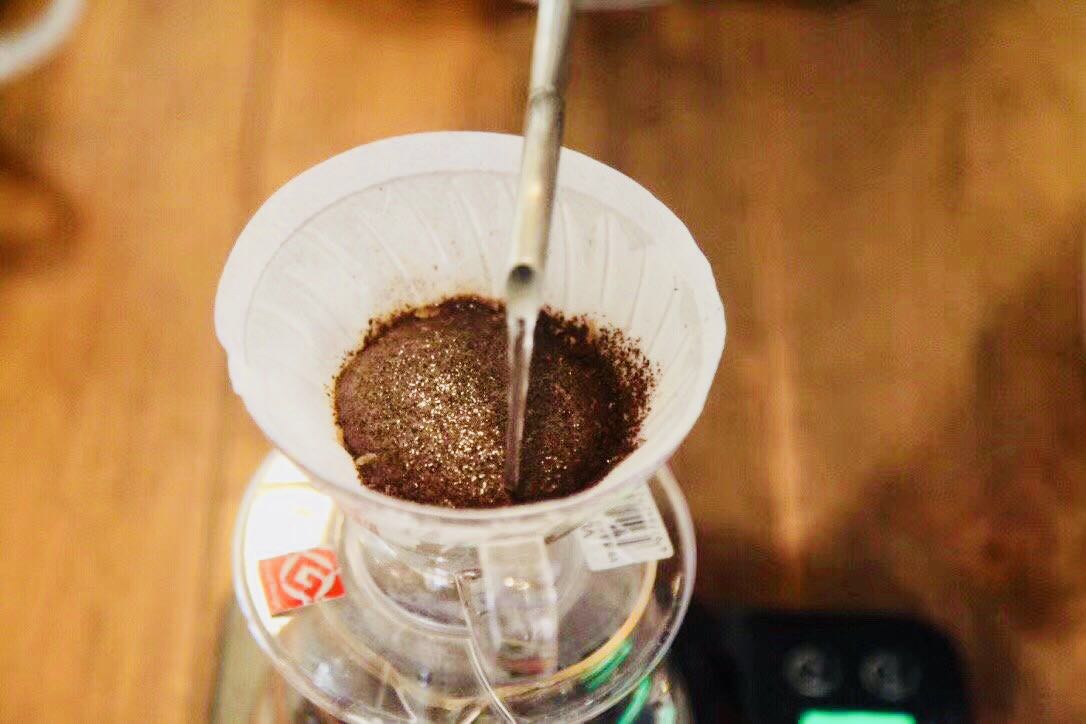
1. Dripper: V60
2. Water Temperature: 88°C
3. Grind Size: Fuji Royal grinder setting 4
4. Roast Level: Medium roast
5. Bloom Time: 25 seconds

Flavor: Balanced, chocolate, persistent caramel sweetness in aftertaste
FrontStreet Coffee's Recommended Method: 15g coffee, Fuji Royal "ogre tooth" burr grinder setting 4, V60 dripper, water temperature 88-89°C. First pour: 30g water for a 25s bloom. Second pour: inject to 104g then pause, wait until the water level in the coffee bed drops to half, then continue pouring slowly to 220g. Avoid the last 5g. Water-to-coffee ratio 1:15, extraction time around 2:00 (timing starts from the end of the bloom pour).

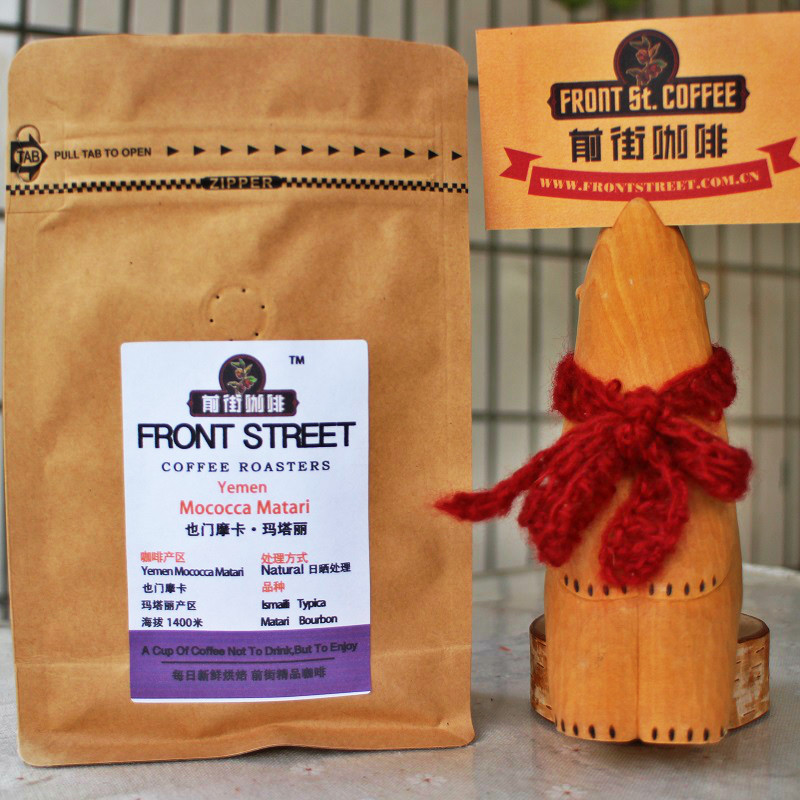
FrontStreet Coffee Recommendation
Yemen Mocha's signature is its chocolatey bittersweet depth and nutty, wine-like warmth, and if that profile is what you chase, FrontStreet Coffee's darker blends are a natural match. The Classic Blend is built for espresso and moka pot work, with outstanding crema and a mellow, full body that suits a moka pot especially well. FrontStreet Coffee's Black Cocoa Blend uses 100% Arabica beans for plenty of crema, a full-bodied taste, and a friendly price.
For a nuttier, more structured cup, the Autumn Chestnut Blend pairs Honduras Caturra with Papua New Guinea Typica, layering roasted-chestnut sweetness, caramel, and brown sugar over a soft chocolate mid-palate, with a clean, long finish of nuts, cocoa, and a touch of spice. Like the Mattari described here, these are coffees made for the slow, deliberate brewing this guide recommends.
Important Notice :
FrontStreet Coffee is a long-established specialty coffee roaster in Guangzhou China, selling freshly roasted beans from its own farm in Yunnan as well as dozens of carefully selected single-origin beans from around the world for both pour-over and espresso. The products deliver consistently excellent quality and great value, with shipping within 24 hours. Guangzhou's FrontStreet Coffee shop is recommended by many coffee lovers, and the beans are now available online at the Tmall 。
FrontStreet Coffee has moved to a new address:
FrontStreet Coffee Address: 315,Donghua East Road,GuangZhou
Tel:020 38364473
 Scan and follow the En Gafei WeChat official account. Please indicate that the reprint comes from "En Gafei".