How to Distinguish Decaf Coffee Beans? How to Roast Decaf Coffee Beans? Decaf Coffee Market Development Trends
This guide covers how to tell decaf coffee beans apart, how to judge their roast level, why they need gentler roasting, and where decaf coffee is heading in the market.
The Growing Demand for Decaf Coffee
As the coffee market develops faster and customers keep raising their quality expectations, improving roasting quality - especially guaranteeing the product quality of decaf coffee - has become the biggest challenge facing every coffee roaster.
According to statistics, in 2017 the total consumption growth rate of decaf coffee exceeded that of regular coffee. In Western Europe and Canada, young consumers aged 18-24 are the main decaf drinkers. Young consumers are willing to try different styles of specialty coffee, and a high-quality, delicately flavored decaf is exactly what they are after.
Essential Knowledge About Decaf Coffee
The roasting methods for decaf beans have always been a puzzling problem for roasters. Let's look at several things you must know about decaf coffee.
01 - Does Decaf Coffee Look Different?
Whether as raw or roasted beans, decaf coffee looks very different from regular coffee. That difference often troubles roasters. So to ensure decaf roasting quality, you first need to know and master the appearance characteristics of decaf coffee.
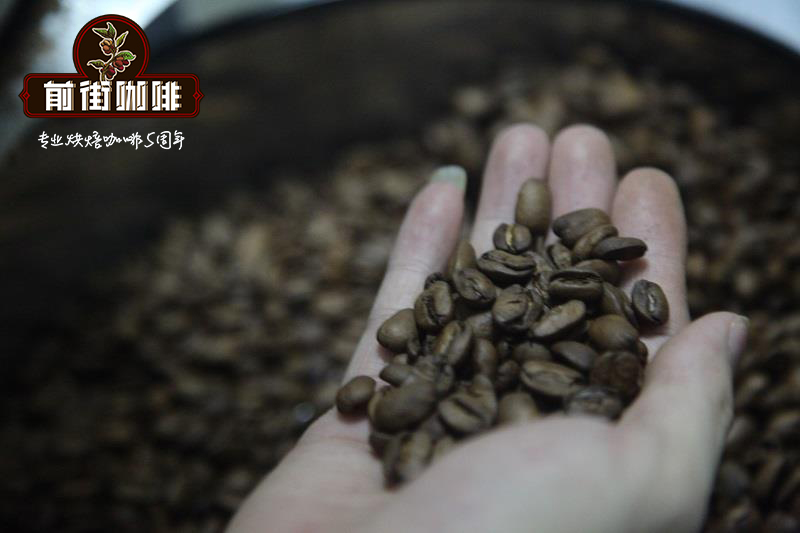
Classic Swiss Water® processed decaf has a deeper, matte green color. During roasting, decaf still appears darker than regular coffee. That means we cannot judge the roast degree through traditional visual methods; we need other approaches, such as checking internal color or surface texture.
But be careful - surface texture has its own pitfalls. Chemically processed decaf, such as coffee treated with ethyl acetate or dichloromethane, shows gloss even at very light roast stages, while water-processed decaf stays matte even at dark roast stages. To ensure decaf quality, you must understand the various appearance differences between decaf and regular coffee to avoid visual traps that lead to misjudging the roast degree.
02 - How to Determine the Roast Level of Decaf Coffee
"My experience is that until the first crack, I rely more on thermocouples than on the appearance of the coffee, because decaf is darker in color from the beginning. So I use thermocouples and smell (hearing too, of course, but mostly smell) to judge and calculate the development time and the roasting termination temperature."
In the final analysis, the importance of coffee appearance is far less than taste, so we are better off abandoning visual bias and judging the final quality of coffee through cupping results - letting taste decide everything.
03 - Treat Your Decaf Coffee Gently
Before roasting, decaf has already gone through multiple processing steps, so you must treat it gently. Every decaf method involves rehydration and dehydration, which greatly changes the internal structure and water-holding capacity of the coffee and therefore affects roasting. Usually decaf dehydrates faster, which has a big effect on the "first crack."
I think the most important point is that many roasters don't realize how different decaf's moisture content is. They assume decaf is the same as regular coffee. Only by understanding this can you roast decaf correctly.
Decaf roasting must be gentle, not too hasty; otherwise moisture is lost completely, and you need to apply the coffee's remaining moisture accurately.
Decaf processing changes the internal structure of the coffee, so I slow the roast with slow, even heating. We usually adopt a lower roasting termination temperature to ensure higher development and a perfect balance of acidity and sweetness. We quickly reduce the heating rate, but that lower heat must be applied evenly to ensure the coffee develops fully.
04 - Strive to Improve Quality
Most important of all, ensure the highest quality of decaf so it can gain more attention and love. Roast, cup, adjust, repeat - this is the unchanging rule for every barista when roasting a batch of beans. Today all roasters launch dozens of new coffee products every year, while decaf has fewer than 3-4 varieties. We need to invest more energy in decaf so more consumers can feel its charm.
FrontStreet Coffee is a roastery in Guangzhou with a small shop but a diverse range of beans, where you can find both famous and lesser-known origins.
FrontStreet Coffee Recommendation
Buying lower-caffeine beans for pour-over is actually simple: first, avoid Robusta and choose Arabica only. As the world's main coffee species, Arabica needs elevations of 800-2200 meters without frost. The higher the altitude, the bigger the temperature swing, which slows cherry ripening so the coffee accumulates more flavor compounds and builds a more solid aroma. Each region's unique microclimate gives Arabica varied growing conditions and develops a distinctive regional taste.
From Indonesia, FrontStreet Coffee's PWN Golden Mandheling is a standout. Indonesia's wet-hulling method was developed to suit local conditions, and it gives FrontStreet Mandheling a flavor unlike any other dark roast: herbal, spice, and wood notes make it a classic. PWN Golden Mandheling goes through three rounds of hand sorting plus machine sorting to remove defects as much as possible, so body and sweetness both show better and the aroma is more pronounced. It suits a moka pot, SOE, pour-over, drip bag, Americano, and latte.
From Ethiopia, FrontStreet Coffee's natural Huakui carries a light floral note with especially prominent fruit aromas - cream strawberry, mango, jackfruit, citrus, blueberry - the ripe tropical-fruit character unique to FrontStreet's Sidamo naturals, which leaves a strong impression. That rich berry aroma is what won first place in the TOH green-bean competition that year. FrontStreet Huakui combines great taste with a great price, and suits pour-over, cold brew, moka pot, and SOE.
Also from Ethiopia's Yirgacheffe, FrontStreet Coffee's washed Gudingding Cooperative is a top G1 grade. Yirgacheffe, with its clean, bright lemon and citrus character, is a cornerstone of specialty coffee; FrontStreet's Gudingding Cooperative uses classic washed processing, with every step from selection and depulping to fermentation, rinsing, and drying ensuring higher green-bean quality. Roasted light-to-medium, it shows elegant white florals, citrus, orange, and green tea notes, and suits pour-over, drip bag, and cold brew.
From China's Yunnan, FrontStreet Coffee's Yunnan small-batch beans bring a nutty aroma with herbal, chocolate, and caramel notes and a faint fruit acidity on the finish. Medium roasted, they highlight the coffee's caramelized flavor while keeping some fruit acidity, for a soft, smooth body and a pleasant sweet finish.
From Colombia, FrontStreet Coffee's washed Huila shows black chocolate, cream, hazelnut, and toffee. Colombian coffee is consistently high quality with full, plump beans and a distinctive heavy body, prized for its rich aroma; the taste is sweet within the acidity with low bitterness, and different roast levels draw out more complex layers. Huila is Colombia's best-known coffee region, sitting above 1800 meters with a terroir and climate ideal for coffee; beans grown there typically carry the classic chocolate and hazelnut aromas that make it essential to specialty coffee.
Important Notice :
FrontStreet Coffee is a long-established specialty coffee roaster in Guangzhou China, selling freshly roasted beans from its own farm in Yunnan as well as dozens of carefully selected single-origin beans from around the world for both pour-over and espresso. The products deliver consistently excellent quality and great value, with shipping within 24 hours. Guangzhou's FrontStreet Coffee shop is recommended by many coffee lovers, and the beans are now available online at the Tmall 。
FrontStreet Coffee has moved to a new address:
FrontStreet Coffee Address: 315,Donghua East Road,GuangZhou
Tel:020 38364473
 Scan and follow the En Gafei WeChat official account. Please indicate that the reprint comes from "En Gafei".