How is Tanzanian Coffee? Pour-Over Recommendations for Tanzanian Coffee and Flavor Profile

When people talk about African coffee, Ethiopia and Kenya usually come to mind first. But have you ever tried Tanzanian coffee—or Kilimanjaro coffee? Today, FrontStreet Coffee invites you to explore Tanzania with us and find out what makes the coffee from this region so distinctive!
Tanzania Coffee
Tanzania sits close to Ethiopia and borders Kenya, so part of its population shares a long historical and cultural connection with coffee. Commercial coffee cultivation, however, only began in the early 20th century, when German colonizers required local farmers to grow Arabica coffee as a cash crop, spreading the plant across the territory and building an industry around Mount Kilimanjaro.
After World War I, Germany handed control over to the British, who tried to build a more efficient, more profitable coffee industry along Kenyan lines. Smallholder cooperatives began organizing in the 1920s to improve market access, but it took many years for Tanzanian coffee to win international recognition.
In 1964, after both territories gained independence from Britain, Tanganyika and Zanzibar merged to form the United Republic of Tanzania—hence the name. Growers pushed for major expansion in the 1970s but struggled to raise production. In the 1990s, reforms and the privatization of coffee exports allowed growers to sell more directly. Today, in much of the Western world, Tanzanian coffee is known above all for its separated peaberry lots.
The Kilimanjaro Coffee-Growing Region
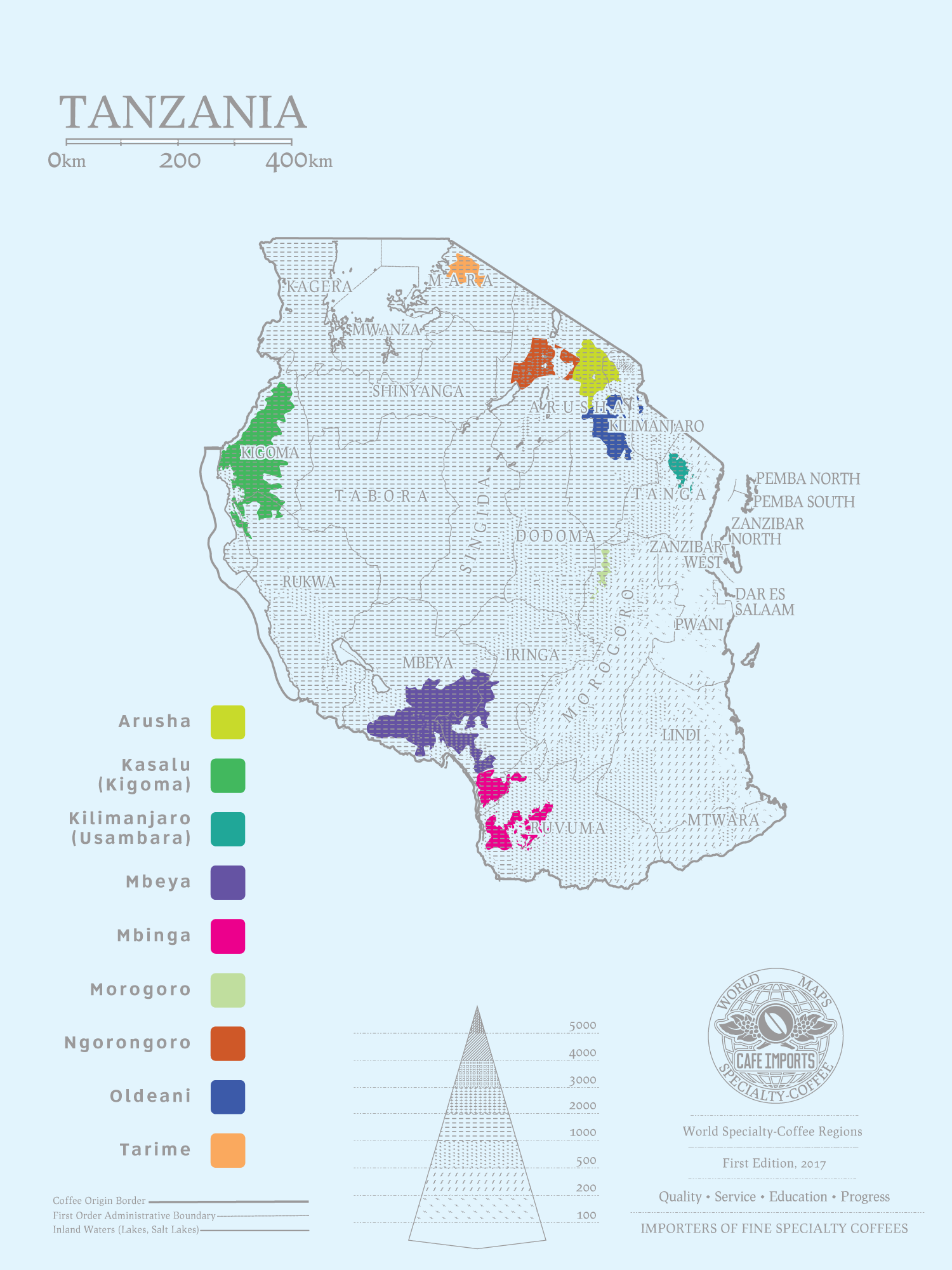
Though not as famous as Kenyan beans, Tanzania's annual output is nearly equal to Kenya's, reaching about 50,000 tons. The earliest Arabica seeds were introduced from the French island of Réunion and planted in the Bagamoyo and Morogoro regions. By 1893, beans grown on the slopes of Mount Kilimanjaro had become the country's most successful coffee. Other varieties were gradually introduced from neighboring Burundi in the 1950s and planted in western Tanzania. Today about 75% of production comes from high-altitude areas, although wild coffee still grows locally.
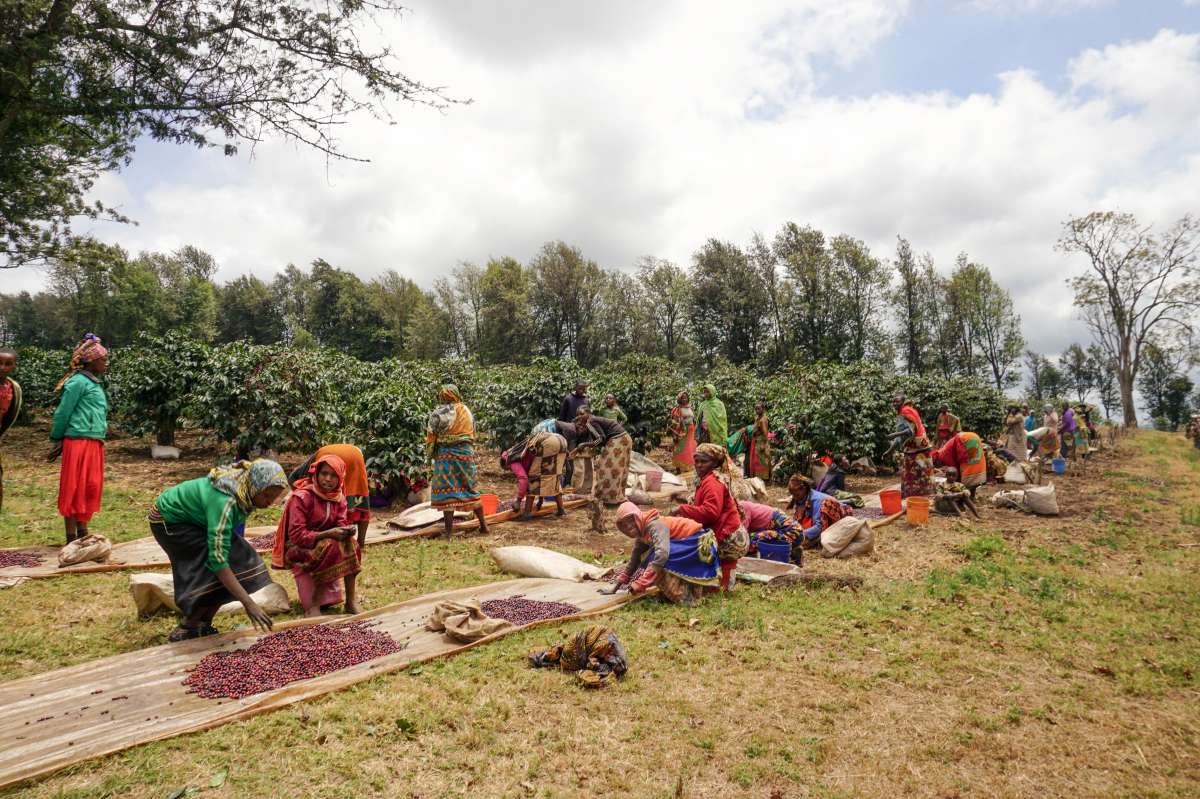
Kilimanjaro is Tanzania's largest coffee-producing region, and Kilimanjaro coffee is also a vital economic lifeline for the country. The coffee comes from Mount Kilimanjaro, Africa's highest mountain, in northeastern Tanzania. Local smallholder farmers grow it at altitudes between 1300-2000m, nourished by volcanic ash and planted at elevation, which produces beans of excellent quality.
FrontStreet Coffee has long been drawn to Tanzanian Kilimanjaro coffee, and from among many Tanzanian lots we have selected one with a distinctive regional character, grown in the Kilimanjaro coffee region in the north of the country.
FrontStreet Coffee Tanzania Kilimanjaro Coffee
- Region: Northern Highlands, Kilimanjaro Volcanic Region
- Altitude: 1300-2000m
- Variety: Bourbon
- Processing Method: Washed
- Grade: AA

Coffee Varieties
Bourbon is a natural variety that originated in Yemen. Its name comes from its original planting ground, Bourbon Island—today's Réunion. Bourbon coffee cherries are small and round, with high density in both pulp and seed. The cup typically shows high sweetness, bright acidity, and winey flavors. Bourbon yields 20-30% more than Typica, but it is still considered a low-yield variety and is equally susceptible to coffee leaf rust.
Washed Processing
Most Tanzanian coffee is processed by the washed method. After harvesting, farmers send the cherries to the nearest washing station.
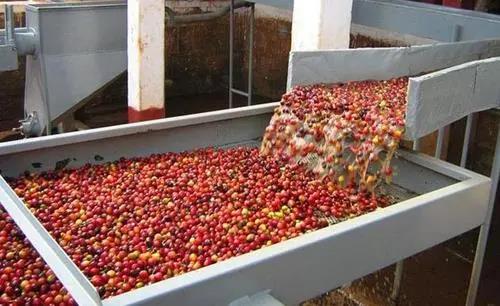
Washed Processing Steps:
- Screen the cherries and remove any impurities;
- Remove the pulp and outer skin;
- Send the beans to fermentation tanks, where fermentation removes the mucilage layer clinging to the parchment;
- Wash thoroughly before drying.
FrontStreet Coffee's Roasting Approach
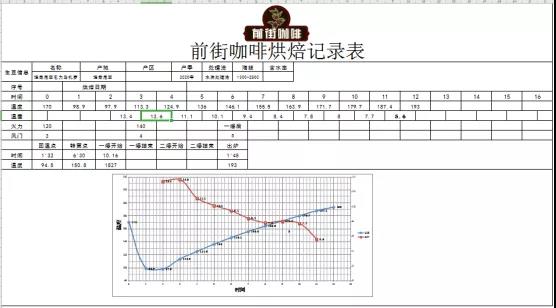
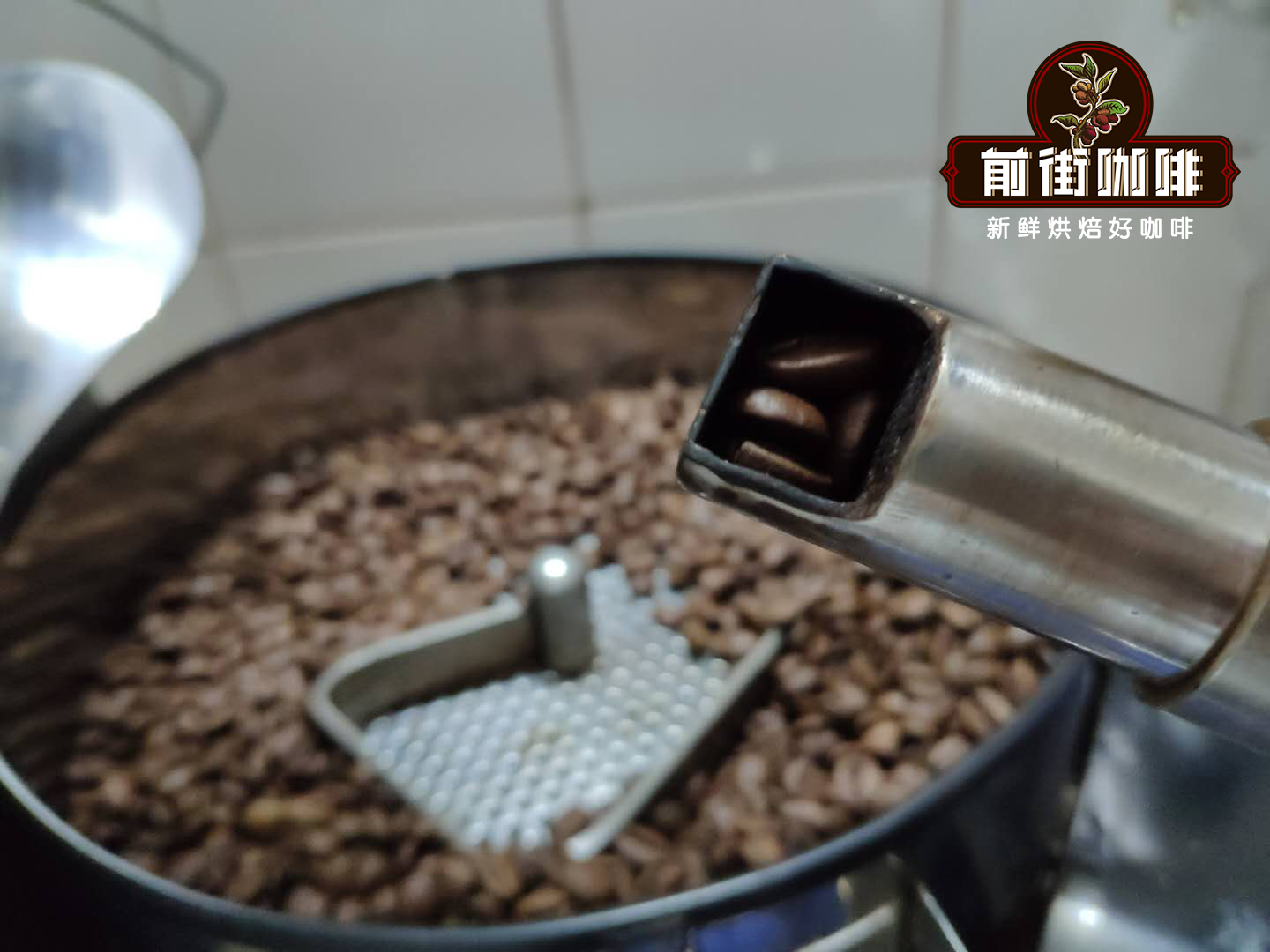
Kilimanjaro coffee consists of uniformly large beans with a gray-green color, showing relatively strong acidity and sweet fragrance with excellent flavor. FrontStreet Coffee uses a medium-light roast to emphasize this coffee's sweetness and gentle acidity.
FrontStreet Coffee Cupping Notes
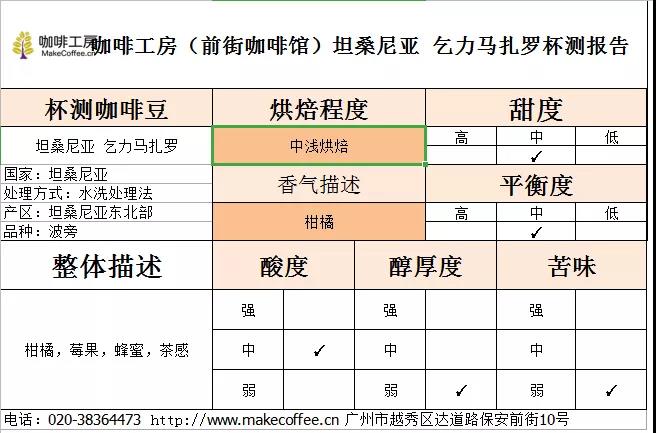
The dry aroma of the grounds presents honey and vanilla with a sweet, biscuit-like scent. The wet aroma shows a more pronounced sweetness of blackberry syrup mixed with spiced sweetness. In the cup it offers darker fruits and berries, very sweet, with vanilla sweetness emerging in the aftertaste.
FrontStreet Coffee Brewing Recommendations
- Dripper: V60
- Water Temperature: 90°C
- Coffee Amount: 15 grams
- Coffee-to-Water Ratio: 1:15
- Grind Size: Medium-fine (78% pass-through on a #20 standard sieve)
Segmented Extraction
Start with 30g of water for a 30-second bloom, then continue pouring in small circular motions to 125g before pausing. Once the water level drops and is about to expose the coffee bed, pour again to 225g and stop. Wait for the level to fall and just begin exposing the bed, then remove the dripper. (Timing starts from the bloom.) Total extraction time is 2'00".
FrontStreet Coffee Recommendation
If the floral, fruit-forward side of East African coffee is what draws you, FrontStreet Coffee recommends two washed Ethiopian coffees that showcase that signature character:
FrontStreet Coffee Washed Yirgacheffe — The ideal entry point to Ethiopian specialty coffee. It offers clear jasmine florals and bright citrus acidity with a light, elegant body and a tea-like finish—coffee professionals often describe the classic Yirgacheffe cup as a clean, refreshing lemon tea.
FrontStreet Coffee Worka Cooperative Coffee — From the Worka growing area at the southeastern edge of Yirgacheffe, this lot presents citrus and lemon tones with an elegant white-floral perfume. Because the fruit is stripped before drying, the coffee's own aromatics come through with unusual clarity—bright, delicate, and refined.
Important Notice :
FrontStreet Coffee is a long-established specialty coffee roaster in Guangzhou China, selling freshly roasted beans from its own farm in Yunnan as well as dozens of carefully selected single-origin beans from around the world for both pour-over and espresso. The products deliver consistently excellent quality and great value, with shipping within 24 hours. Guangzhou's FrontStreet Coffee shop is recommended by many coffee lovers, and the beans are now available online at the Tmall 。
FrontStreet Coffee has moved to a new address:
FrontStreet Coffee Address: 315,Donghua East Road,GuangZhou
Tel:020 38364473
 Scan and follow the En Gafei WeChat official account. Please indicate that the reprint comes from "En Gafei".