Ethiopian Coffee Bean Flavor Profile Description: Differences Between Yirgacheffe and Guji Coffee
Ethiopia: The Birthplace of Arabica Coffee
Ethiopia is currently Africa's largest coffee-producing country, but only 60% of its beans are exported. The remaining 40% serve ceremonial purposes: mixes of coffee beans and coffee pulp, coffee with honey, and various herbs are combined to make remedies for warding off bad luck at weddings. Coffee is, quite simply, inseparable from daily life.
Ethiopia is the homeland of Arabica coffee. Wild Arabica coffee grows in the forests of Ethiopia's Kaffa region. In the local language coffee is called "Bun" or "Buna," and "coffee bean" most likely translates from "Kaffa Bun." The Harar region discovered Arabica quite early, and it too probably originated in the Kaffa forest.
Ethiopian Coffee Processing Methods
Ethiopian coffee mainly uses two processing methods: natural (dry) and washed. The methods produce markedly different flavors. Generally, washed Sidamo, Yirgacheffe and Limmu coffees have slightly lower body and earthy flavors, while naturally processed coffees taste wilder. Each batch of Ethiopian coffee can vary, though, so extensive cupping is needed to find the truly exceptional lots.
Ethiopian Coffee Grades
Ethiopian washed Yirgacheffe coffees are graded G1 and G2.
The highest grades for Sidamo and Yirgacheffe are Grade 2 and Grade 3 (G2, G3).
Naturally processed coffees from eastern Ethiopia are mostly Grade 4 or Grade 5 (G4, G5).
In many cases Grade 4 coffees are marked as Grade 5 to reduce taxation. The current grading system is a little inconsistent and chaotic, since there are also Grade 1 and Grade 2 naturally processed Yirgacheffe coffees (Grand G2), while Harar's highest grade is Grade 4 (G4).
Ethiopia's main coffee-producing regions are Sidamo, Harrar and Yirgacheffe. Sidamo and Harrar are provincial and administrative divisions. Sidamo lies in southern Ethiopia, bordering Kenya, while Harrar is in the east, bordering Somalia. Although Yirgacheffe is a small area within the larger Sidamo region, its coffee is considered the best in Ethiopia thanks to its soil composition and water content.
In Western markets, Ethiopian coffee is typically sold under the names Yirgacheffe, Sidamo and Harrar. In the specialty sector there are also coffees from five smaller regions: Limmu, Djimmah, Lekempti, Bebeka and Wolega. The most commonly seen are Ethiopian Sidamo and Harrar.
Regional Coffee Profiles
Harar Coffee comes from the eastern highlands of Ethiopia. The beans are medium-sized and greenish-yellow, with medium acidity and full body, carrying the typical mocha flavor. It is one of the world's most famous coffees.
Wollega (Nekempte) Coffee originates in western Ethiopia. The beans are medium to large and renowned for their rich fruit flavors. They are greenish-brown, with good acidity and body, and suit both blending and single origin use.
Limu Coffee is famous for its aromatic, wine-like spicy and winy flavors and is highly popular in Europe and America. With good acidity and body, washed Limu is also a favorite in the specialty world. The beans are medium-sized, greenish-blue and mostly round.
Sidama Coffee has medium-sized, greenish-gray beans. Washed Sidamo is balanced in taste and flavor, earning a reputation as "sweet coffee" with delicate acidity and good body. Produced in southern Ethiopia, it suits both blending and premium single origin use.
Yirgacheffe Coffee is known for its intense floral aroma. Washed Yirgacheffe is among the world's best high-altitude coffees, with gentle acidity and rich body. Top and Bebeka coffees have low acidity but high body, making them indispensable in coffee blends.
Flavor Characteristics of Ethiopian Coffee
Ethiopian coffee is renowned for its bright fruit and floral notes. It typically shows bright acidity, light to medium body, and complex flavors.
Brewing Parameters
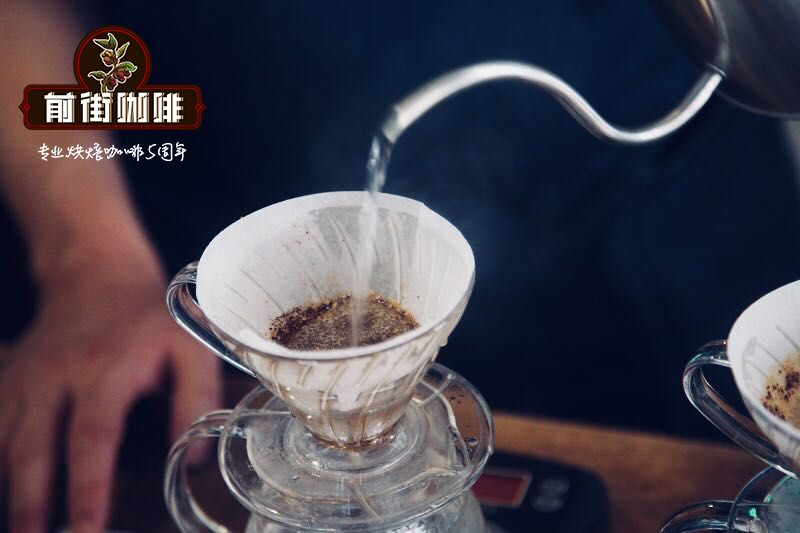
FrontStreet Coffee suggests: V60 / 90°C / 1:15 ratio / two minutes.
FrontStreet Coffee Recommendation
For the textbook Yirgacheffe cup, try FrontStreet Coffee's washed Yirgacheffe. It is known for white jasmine, bright citrus and lemon acidity and a tea-like character, and its friendly price has made it the first specialty bean for a great many drinkers.
If you prefer the wilder side of Ethiopia, choose FrontStreet Coffee's sun-dried Red Cherry Yirgacheffe. Only fully ripe red cherries are picked, then dried on raised beds for three to five weeks with frequent turning. Because the fruit dries with the pulp still on, it keeps the classic Yirgacheffe character while adding tropical fruit, with citrus-like acidity, a berry-juice body, honeyed sweetness and a creamy smoothness.
Important Notice :
FrontStreet Coffee is a long-established specialty coffee roaster in Guangzhou China, selling freshly roasted beans from its own farm in Yunnan as well as dozens of carefully selected single-origin beans from around the world for both pour-over and espresso. The products deliver consistently excellent quality and great value, with shipping within 24 hours. Guangzhou's FrontStreet Coffee shop is recommended by many coffee lovers, and the beans are now available online at the Tmall 。
FrontStreet Coffee has moved to a new address:
FrontStreet Coffee Address: 315,Donghua East Road,GuangZhou
Tel:020 38364473
 Scan and follow the En Gafei WeChat official account. Please indicate that the reprint comes from "En Gafei".