Characteristics and Flavor of Ethiopian Coffee Beans: Origins and Stories of Yirgacheffe and Sidamo Coffee

For more premium coffee knowledge, follow the WeChat official account: FrontStreet Coffee.
FrontStreet Coffee believes that coffee has been woven into Ethiopia's social structure and cultural economy for hundreds of years. In Ethiopia, coffee is a cultural core and an important source of income for most people. The country is also recognized worldwide as the birthplace of coffee and is highly regarded in the specialty coffee market. Almost every coffee shop menu around the world features Ethiopian coffee, and FrontStreet Coffee is no exception. But why is Ethiopian coffee so well regarded? FrontStreet Coffee believes the differences between Ethiopia's producing regions are very significant, but whatever the region, Ethiopian Arabica coffee is irresistible to many people. In this article, FrontStreet Coffee takes you to explore this birthplace of coffee.
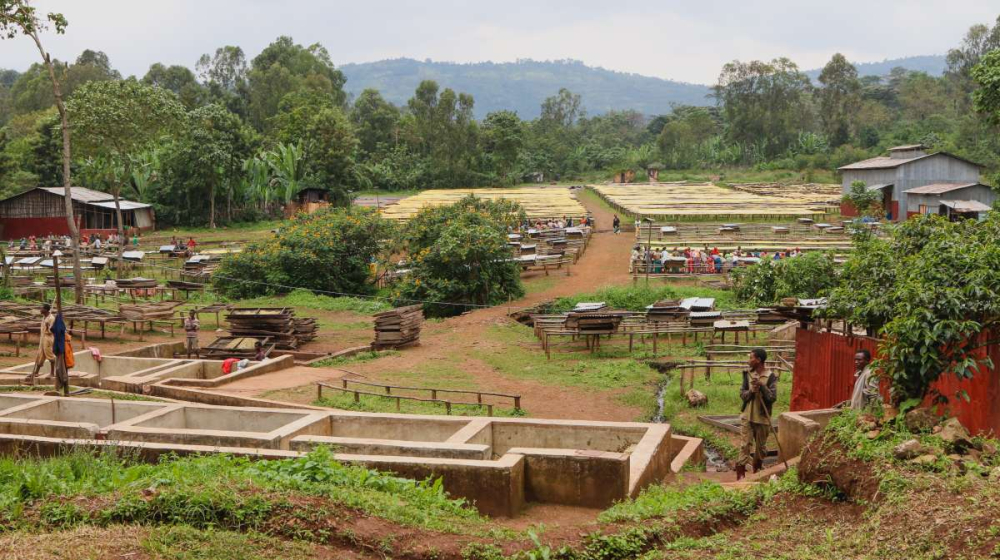
Ethiopia is located in East Africa. In the forests of the southern Kaffa region alone there are as many as 5,000 native Ethiopian coffee varieties. FrontStreet Coffee understands that, as Africa's largest coffee-producing country, only 60% of Ethiopia's coffee beans are used for export, while the rest go to various forms of ceremony: weddings where people brew coffee with beans and coffee pulp, coffee mixed with honey, and various herbs used medicinally to ward off bad luck. Coffee is clearly an inseparable part of local life.

Ethiopian Coffee Culture
FrontStreet Coffee believes that for Ethiopians, coffee is both a belief and a culture. Of all the ceremonies, the most important is the coffee ceremony: the whole process of roasting beans, grinding coffee powder, brewing coffee, and drinking coffee.
FrontStreet Coffee finds this ceremony somewhat similar to the Japanese tea ceremony, carrying a spiritual awareness within it. The purpose of the ceremony is to reach conclusions, which can serve a marriage proposal or resolve a family conflict. The whole coffee ceremony is very lengthy, averaging about 1.5 hours. It begins with roasting coffee beans, after which a well-dressed woman places the roasted beans in a pot, lets everyone smell the aroma, and then slowly brews the coffee.
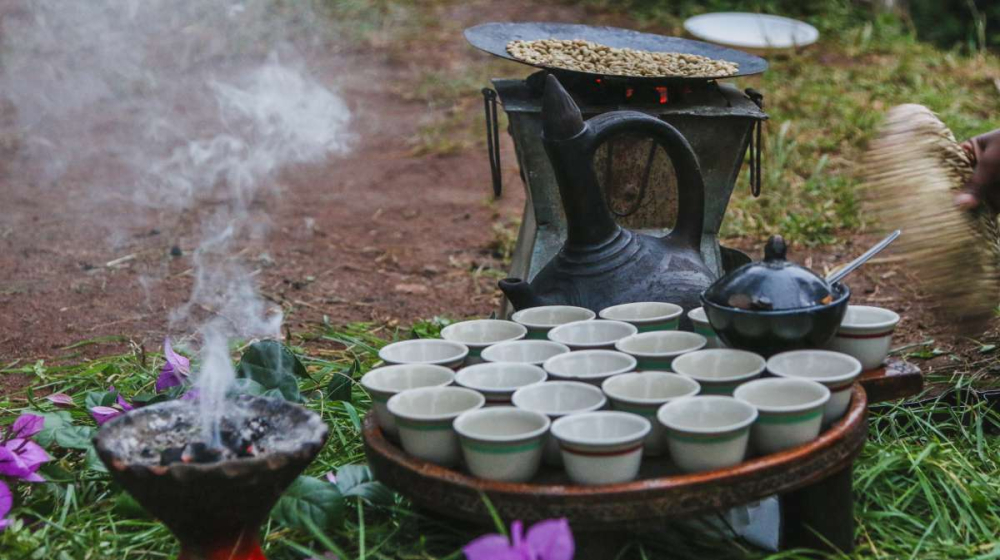
The first cup of coffee is called "Abol," the most important and also the most difficult to drink. When resolving conflicts, one party must bravely drink this cup and express their viewpoint. The second cup is called "Tona," made by adding water and brewing again, with a still strong taste. If one party accepts the other's viewpoint, they will finish drinking it; if they do not drink it, there will be no third cup. The third cup is called "Baraka." When the matter is resolved and the conclusion is satisfactory, it symbolizes joy, and the younger generation is often invited to drink this cup.
Whether in wealthy households or poor farming families, coffee ceremonies are performed. Someone once joked that the reason Ethiopia's more than 80 ethnic groups can coexist harmoniously must be attributed to coffee. Although it is a joke, given their emphasis on coffee, it is not unreasonable.
A common Ethiopian coffee phrase is "Buna dabo naw," which literally means "coffee is our bread." It shows the central role coffee plays in the diet and underscores its importance as a source of nutrition. Another common phrase is "Buna Tetu," an Amharic phrase literally meaning "drink coffee." It applies not only to the act of drinking coffee but also to social occasions, similar to how English speakers say "meet for coffee."
Coffee Cultivation in Ethiopia
Around 1995, Ethiopia changed its administrative divisions, and the biggest impact on coffee regions was that the original Sidamo province was split into the new Sidama (accounting for a small part of the original), with most of it incorporated into the Oromia region. Yirgacheffe, which originally belonged to Sidamo province, is now part of the new Gedeo zone. Ethiopian coffee sold today may therefore mix old and new regional names. Here we use the new regional divisions as a basis, combined with administrative regions, to understand Ethiopia's coffee cultivation map.
Ethiopia's coffee cultivation is mainly concentrated in the western and southern regions, with smallholder families accounting for 90% of total cultivation. Nearly 1.2 million smallholder families rely on coffee cultivation for their livelihood. Each household's cultivation area is less than 4 hectares, with an average cultivation altitude between 1,000-2,300 meters, a planting density between 1,000-1,800 coffee trees per hectare, and an output of nearly 600kg per hectare.
Ethiopia's coffee cultivation is divided by scale and model into:
- Forest Coffee (8-10%): Coffee trees coexist with other crops in original forests without any artificial management, and farmers regularly harvest the coffee fruits.
- Semi-Forest Coffee (30-35%): Coffee tree planting areas lie between forests and the surroundings of farmers' living spaces. Coffee trees are the same natural varieties as forest coffee, and farmers manage the planting areas and grow other cash crops.
- Garden Coffee (50-55%): Coffee trees are planted around farmers' living areas and are mostly self-planted by farmers.
- Plantation Coffee (5-6%): Large private growers with more processing facilities and production capacity.
Nine Major Coffee Producing Regions in Ethiopia

1. Yirgacheffe (Specialty Region): Altitude 1,800-2,000 meters (Garden Coffee System)
Yirgacheffe is affiliated with the Sidamo region but was separated because of its unique flavor. In addition to the town of Yirgacheffe, it also includes three sub-regions: Wenago, Kochere, and Gelena/Abaya. In the new Yirgacheffe grading system, Yirgacheffe A, Wenago A, Kochere A, and Gelena/Abaya A are more expensive than their B counterparts.
The so-called Yirgacheffe flavor refers to rich jasmine aroma, lemon fragrance, peach and almond sweetness, and tea fragrance. FrontStreet Coffee considers "a hundred flowers blooming" the most apt description.
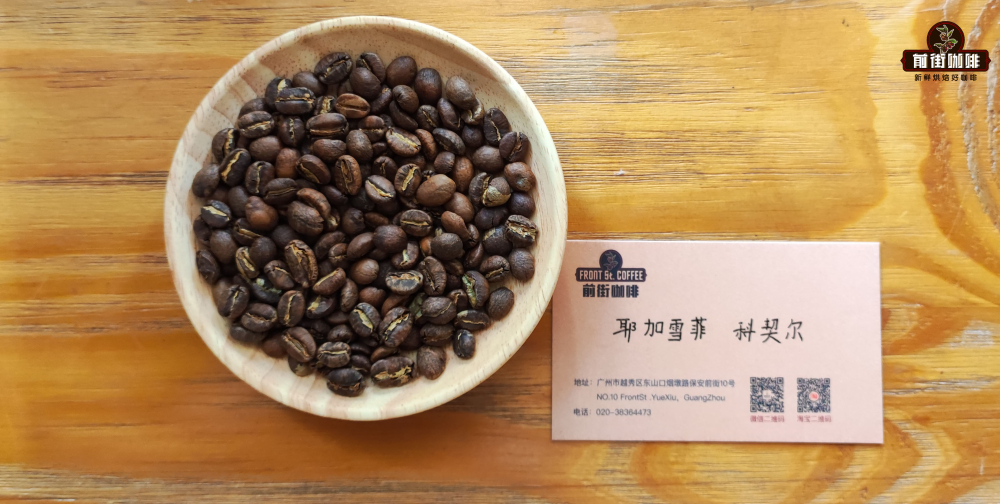
Traditionally, Yirgacheffe coffee used the oldest natural processing method. In 1972, however, Ethiopia introduced Central and South American washing techniques to improve coffee quality, making the jasmine and citrus aromas of Yirgacheffe clearer and brighter. FrontStreet Coffee believes the fundamental difference between washed and natural processing is that washed processing presents coffee's most basic flavors, directly reflecting the special characteristics of the region, while natural processing adds sweetness and fermentation notes on top of that base.
Because of the introduction of washed processing, Yirgacheffe became a representative of world specialty coffee. After the 1970s, the region mainly produced washed coffee, becoming Ethiopia's most popular washed bean region. By the 21st century, natural processing techniques gradually improved, frequently producing impressive natural beans. This is thanks to Yirgacheffe's coffee trader Baghsh, who missed the traditional natural flavor and could not bear to see natural processing gradually replaced by washed. He improved the natural processing method, enhanced flavor, reduced defect ratios, and launched three extremely famous Yirgacheffe natural beans: Idido Misty Valley, Beloya, and Aricha.
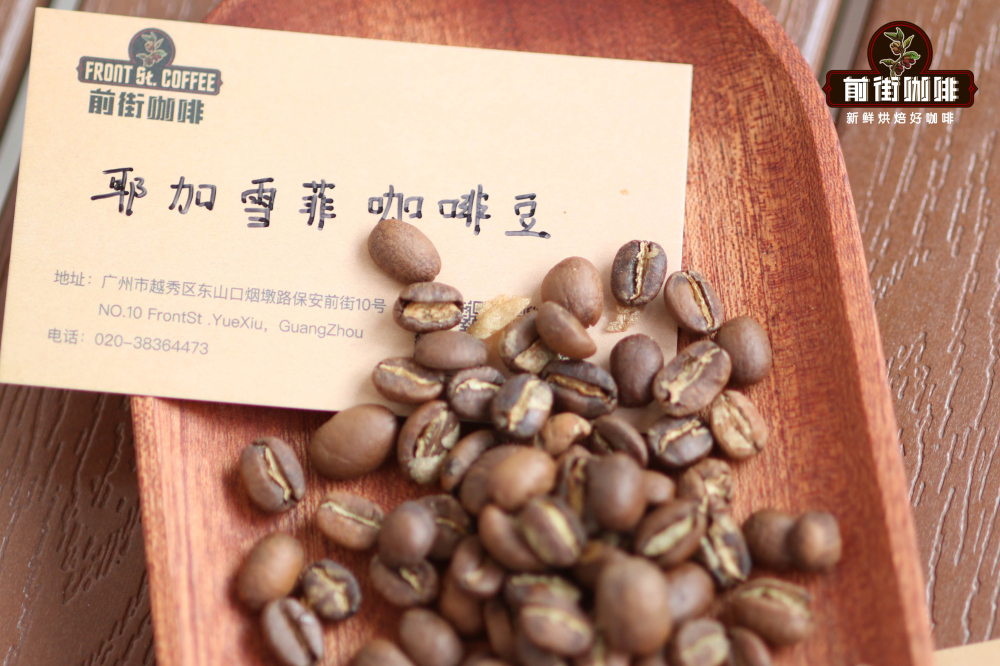
Besides washed and natural processing, there are other methods such as honey and anaerobic. FrontStreet Coffee previously cup-tested a honey-processed Yirgacheffe, which added complexity while keeping the original basic flavor. The mouthfeel was lighter than natural Yirgacheffe but heavier than washed Yirgacheffe.
2. Sidamo (Specialty Region): Altitude 1,400-2,200 meters (Garden Coffee System)
Finely washed or natural Sidamo coffee typically has obvious sweetness, with strawberry and berry flavors favored by many coffee enthusiasts, commanding prices no less than FrontStreet Coffee's Yirgacheffe coffee. Sidamo and Yirgacheffe have similar varieties, with medium-sized beans but also dwarf small-grain varieties that farmers often sell separately. Currently, the most notable Sidamo coffee bean is FrontStreet Coffee's "Horsemen." After its debut at the Ethiopia TOH (Taste of Harvest) competition in 2017, it caused a sensation, breaking Geisha's monopoly in brewing competitions and becoming the only coffee that can compete with it. Horsemen comes from a sub-region called Hambela under the Guji region. Like Yirgacheffe, Guji was originally part of Sidamo but became independent because of its outstanding regional flavor. When Guji is mentioned today, however, it is still generally considered part of the Sidamo region.
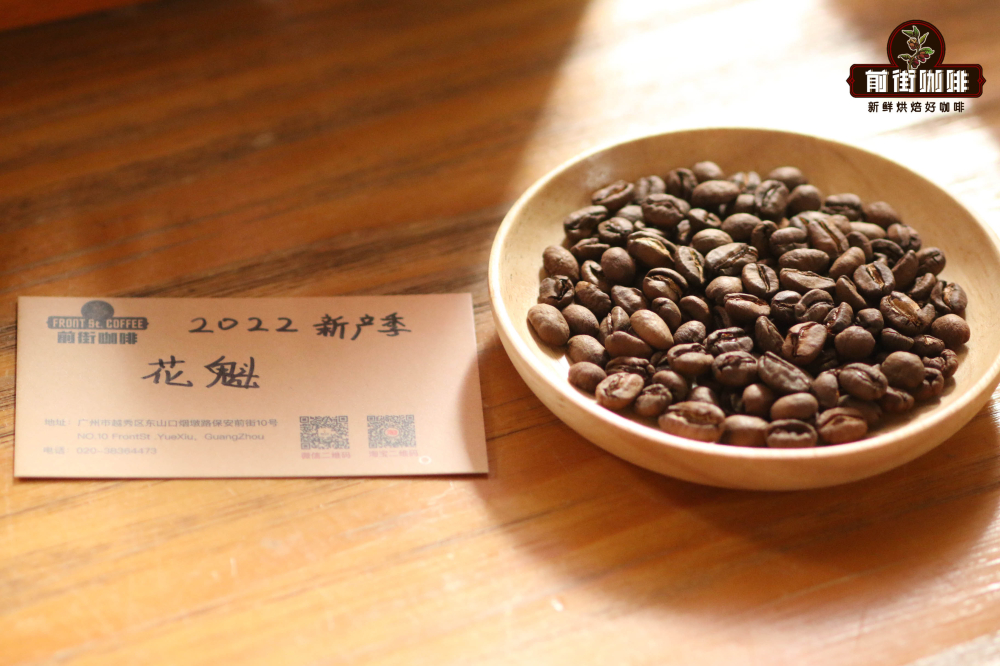
Understanding the origin of Horsemen and its development after winning the championship helps explain the inconsistencies in flavor before and after. This is also why FrontStreet Coffee continuously explores coffee beans from around the world: only through constant experimentation can one understand these changes. Today, Horsemen has developed to the 2025 version. To present the refined floral and fruity flavors of the Sidamo region while maintaining the caramelized aroma of coffee, FrontStreet Coffee's roasters used medium-light roasting for this FrontStreet Coffee Horsemen bean.
FrontStreet Coffee believes the new season's FrontStreet Coffee Horsemen performs well in both dry aroma and taste. It smells more intensely fruity than last year's 8.0 version, with complex aromas of guava, jackfruit, apricot, dried fruit, citrus, and flowers. When hot water is added, honey and berry sweetness can be smelled. Through slurping, FrontStreet Coffee first experiences multiple fruit notes in this FrontStreet Coffee Sidamo natural Horsemen: dried mango, jackfruit, orange, passion fruit, with a clear fruit juice sensation and a round mouthfeel. As the temperature drops slightly, the sweet freshness of peach and berry acidity begin to emerge, with a lingering aftertaste similar to drinking black tea after swallowing.

3. Limu (Specialty Region): Altitude 1,200-2,000 meters (Garden, Forest, Semi-Forest, Plantation Coffee Systems)
With limited production mainly exported to European and American markets, Limu is not easy to buy in Taiwan but is very popular in Europe and America. It has three processing methods: washed, natural, and semi-washed. Limu's body viscosity is noticeably lower, and its floral and citrus expressions are inferior to Yirgacheffe and Sidamo, but it has a grassy fragrance and brown sugar aroma with bright fruit acidity.
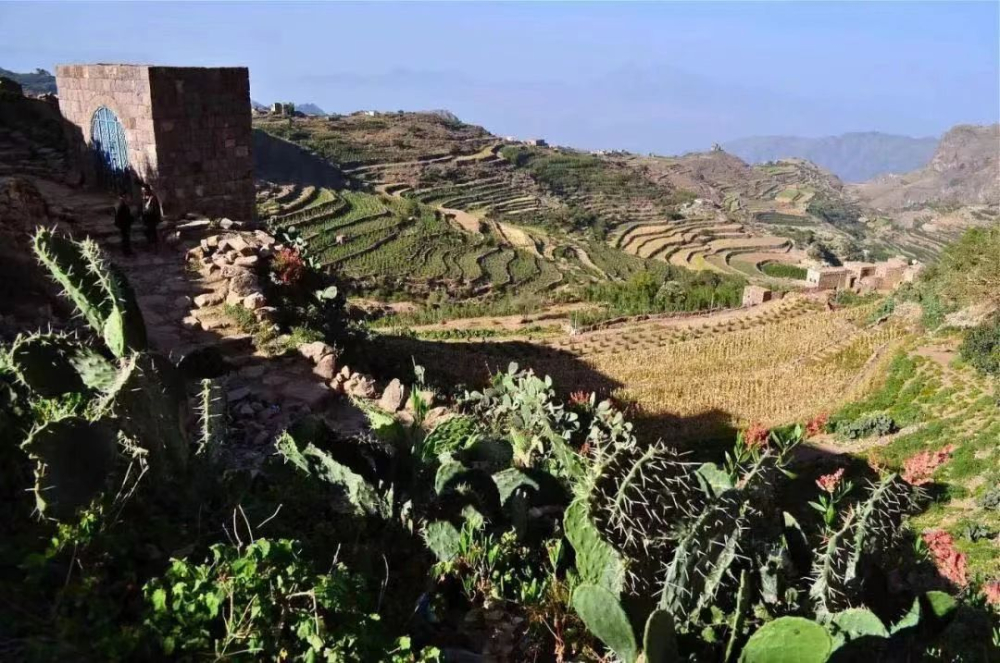
4. Harar (Specialty Region): Altitude 1,500-2,400 meters (Garden Coffee System)
Harar exclusively uses natural processing and is an ancient eastern city. Coffee is not grown in the urban area itself; so-called Harar coffee refers to coffee produced in the Harar Highlands of the greater Harar region. Because annual rainfall is only 1,000 millimeters, all coffee is processed using natural methods. In terms of flavor, Harar coffee is famous for its special "complex aroma," typical of ancient early flavors. It stands alongside Yirgacheffe as the "dual stars."
If Harar's defective beans can be sorted cleanly, it is easy to taste berry fragrance with a pleasant fermented complexity. Due to various factors, however, Harar coffee quality has been unstable in recent years and the grading system is not reliable, so cup testing or trial drinking is essential when purchasing.
5. Jimma (Major Commercial Bean Region): Altitude 1,350-1,850 meters (Forest/Semi-Forest System)
Jimma is the capital of the Kaffa forest or Kaffa province. Its English spelling is quite inconsistent, mostly appearing as "jimma" on maps but as "Djimmah" on coffee burlap bags. This is Ethiopia's largest coffee-producing region, accounting for 1/3 of exports.
The Kaffa forest is famous for its original wild varieties, and Jimma is the distribution center for Kaffa in this region. Farmers are accustomed to transporting harvested coffee from forest areas to Jimma, where hundreds or thousands of varieties are mixed together and sold as commercial beans, causing the flavors of many delicious varieties to be masked.
Washed specialty Jimma, while lacking Yirgacheffe's citrus aroma and floral notes, has a quite clean and transparent flavor profile similar to Central American specialty coffee. Commercial-grade specialty Jimma is very common in Taiwan, and with luck one can buy reasonably priced Jimma that reveals a clear lemon peel fragrance, no less impressive than Sidamo. Overall, Jimma has better flavor than Brazil's major commercial bean Santos, making it a good medium-to-low-priced blend component.
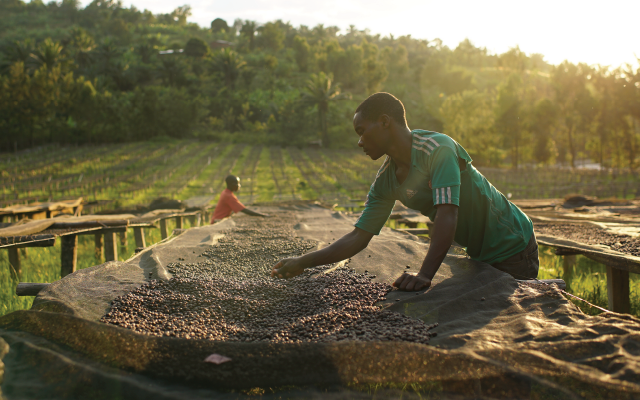
6. Illubabor (Major Commercial Bean Region): Altitude 1,350-1,850 meters (Forest/Semi-Forest Coffee System)
This region is located in western Ethiopia, bordering Sudan, and is the westernmost producing region. Its coffee gene complexity is second only to the Kaffa forest. The beans are noticeably larger than Yirgacheffe and Sidamo, with lower fruit acidity, good viscosity, and balanced flavor. Most coffee from this area is transported to Jimma for mixing and rarely sold independently.
7. Gimbi, Lekempti (Major Commercial Bean Region): Altitude 1,500-1,800 meters (Forest/Semi-Forest Coffee System)
This region has both natural and washed beans, with beans similar to Harar's elongated shape, and also small amounts of specialty-grade coffee popular in Europe and America. Most are hailed as the "poor man's Harar," with fruit acidity and fruit flavors more pronounced than Illubabor, and bright flavors.
8. Tepi, Bebeka (Major Commercial Bean Region): Altitude 500-1,900 meters (Garden/Forest/Semi-Forest Coffee System)
The two regions are very close, with Tepi north of Bebeka. There are corporately managed coffee plantations, and garden systems have been promoted in recent years to increase farmer income, with annual production of about 3,000 tons. Both areas have wild coffee with low production and flavors completely different from Harar and Yirgacheffe. Low fruit acidity is the biggest characteristic, making them suitable for blends. Both natural and washed processing are available.
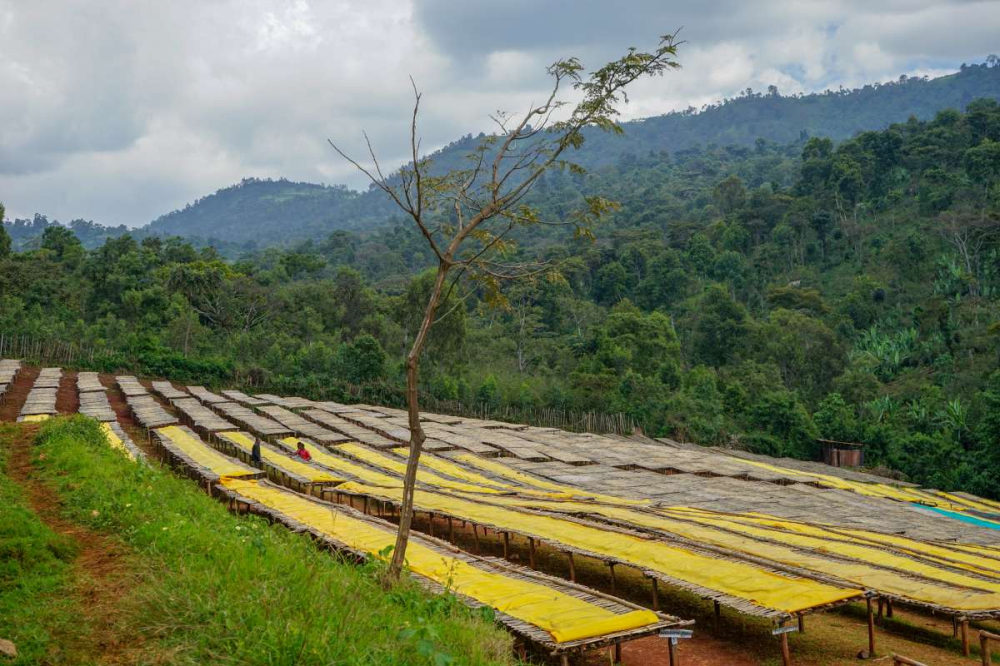
9. Lake Tana (Alternative Region): Altitude 1,840 meters (Forest System)
Monastery coffee, with surrounding forest coffee annual production of less than 10 tons. It is hardly considered a region. The area's numerous Eastern Orthodox monasteries, churches, religious murals, and myths create the world's most "divine" coffee.
European monastery monks pioneered local coffee cultivation, later managed by coffee communities or cooperatives in villages around the town. There are no dedicated plantations here; coffee trees naturally scatter in forests and gardens. During harvest seasons, the Ethiopian Coffee Trading Corporation comes to town to purchase coffee beans collected by farmers.
Red Cherry Project
The so-called Red Cherry actually refers to the Red Cherry Project, jointly initiated by Dutch trader Trabocca and local farmers, aiming to improve the quality of small-scale farms. When harvesting coffee fruits, not only must fully red, high-maturity fruits be picked, they must also be harvested entirely by hand; this is merely the most basic requirement. There are also corresponding requirements for coffee bean processing methods.
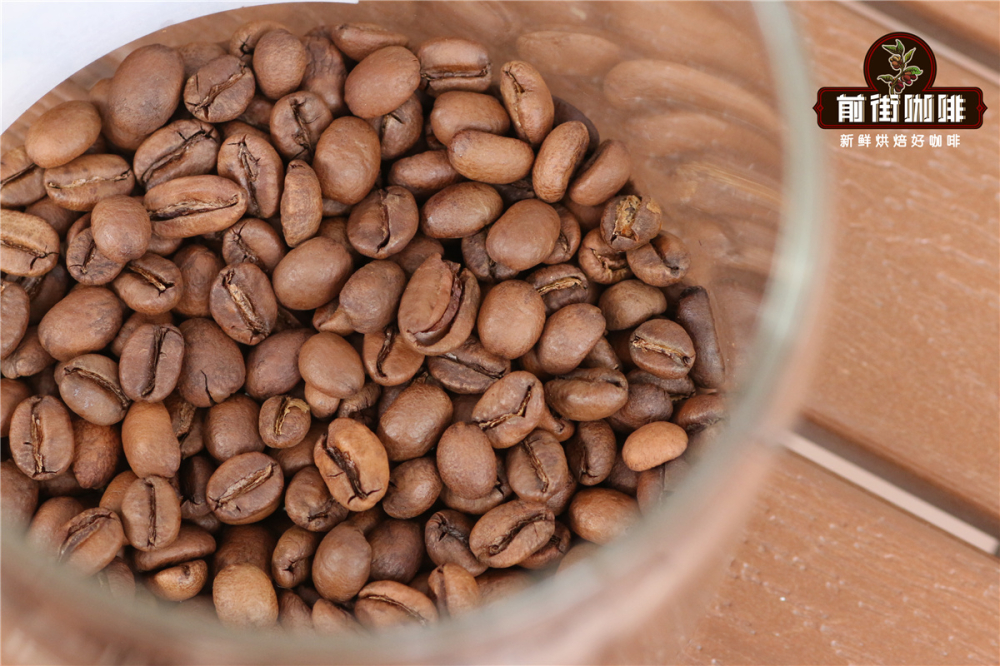
The Red Cherry Project is also an enhancement method that encourages farms to invest more effort in sorting and picking beans. These coffees are relatively higher in price. Main implementing regions include Yirgacheffe, Sidamo, Bench Maji, Lekempti, Kembata, Illubabor, Harar, and Limu. These all have unique flavors that fully showcase Ethiopian coffee characteristics. FrontStreet Coffee believes that current specialty coffee is in fact produced using Red Cherry Project methods, but the unique term "Red Cherry Coffee" still belongs exclusively to Ethiopia. Red Cherry coffee is printed with Trabocca on its burlap bags.
Ethiopian Coffee Varieties
Ethiopia has nearly 2,000 recorded coffee varieties (of which 1,927 are native varieties and 128 are introduced foreign varieties). Ethiopian coffee is not cultivated by variety separation, which leads to mixed coffee beans during harvest. This results in noticeably uneven bean sizes in appearance. Coffee varieties are usually labeled as "local Ethiopian native varieties."
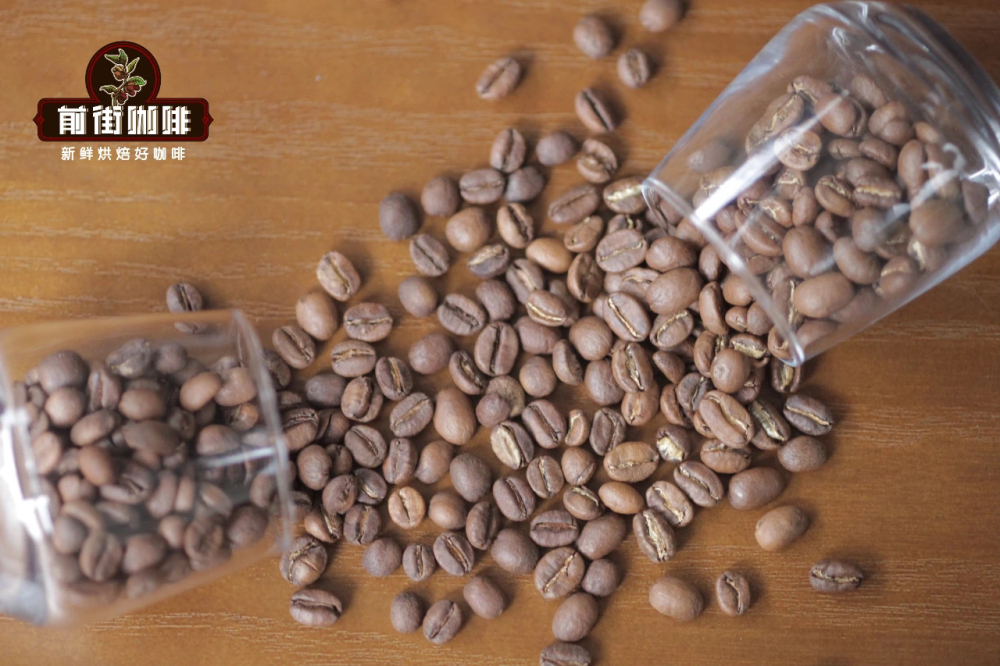
FrontStreet Coffee found, however, that at this year's COE (Cup of Excellence) held in Ethiopia, the description of coffee varieties no longer reads "local Ethiopian native varieties." Instead, numbers like 74158 and 74110 appeared, as well as KURUME and TYPICA. FrontStreet Coffee photographed the 22nd-place coffee bean, which is of the Typica variety, located in the West Arsi region of Sidamo. Currently this region's fame does not match Yirgacheffe or Guji, but among the 28 beans that won COE awards this year, 9 came from this region.
Ethiopian Coffee Bean Processing Methods
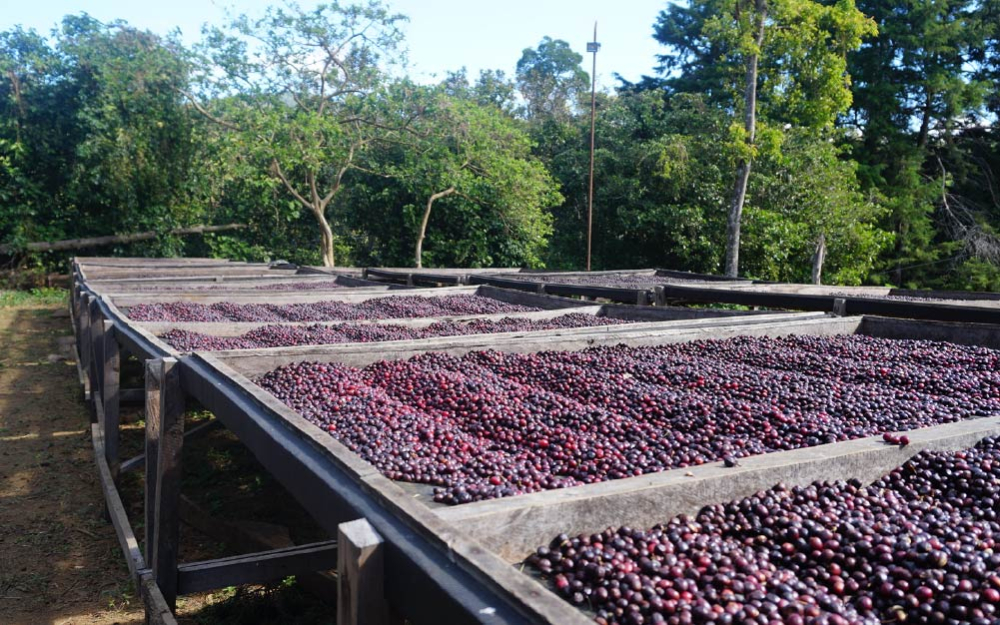
Ethiopia's coffee processing methods are mainly natural and washed, with washed processing accounting for a larger proportion. The biggest difference between the two lies in the role of the coffee pulp. Washed processing involves selecting ripe coffee fruits, removing skin and pulp for water-washing fermentation, and finally drying to 12% moisture content. Natural processing eliminates the water-washing fermentation step, drying the selected ripe coffee fruits directly until they reach 12% moisture content, and finally removing the skin and pulp.
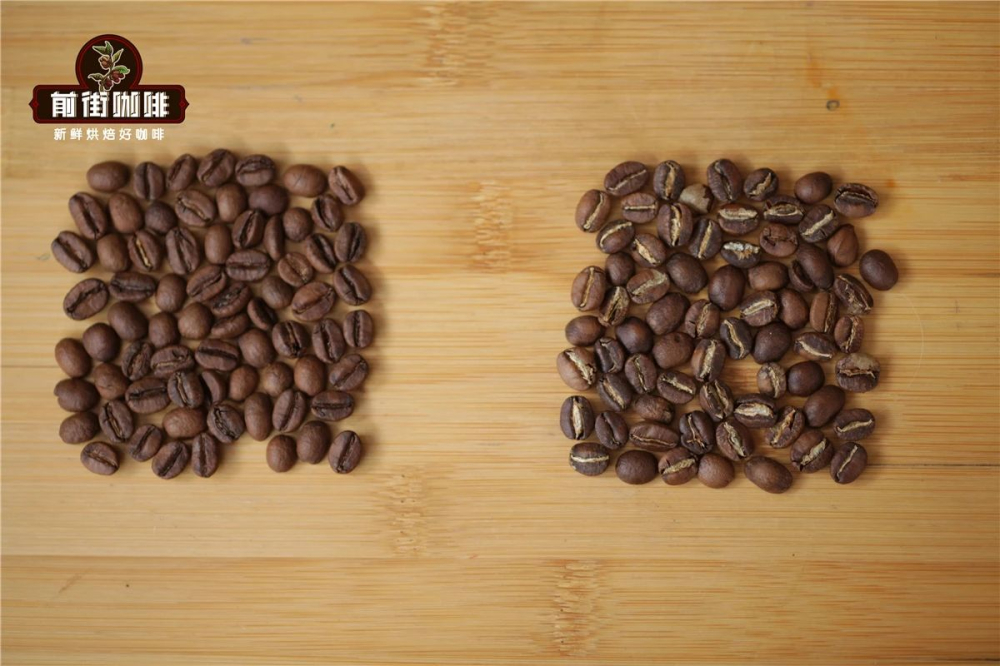
If you are trying Ethiopian coffee beans for the first time, FrontStreet Coffee would recommend starting with washed-processed coffee beans because they better reflect the original flavors of Ethiopian coffee: clear acidity and elegant floral and fruity notes. Natural-processed coffee beans add richness and sweetness on top of this foundation.
Ethiopian Coffee Bean Grading
ECX (Ethiopian Commodity Exchange) defines grading based on coffee bean defect rates: G1 and G2. G1 represents no more than 3 defective beans per 300g of green beans, while G2 represents 4-12 defective beans per 300g of green beans.
In addition, there are grading definitions based on flavor evaluation, using SCA (Specialty Coffee Association) cupping methods to evaluate G1 and G2 grade coffee beans. Scoring above 85 points is graded as Q1, while 80-84.75 points is graded as Q2.
FrontStreet Coffee's Yirgacheffe Coffee Roasting Recommendations
The most distinctive flavor of Yirgacheffe coffee is its refined acidity and rich floral and fruity notes. To maximize this, FrontStreet Coffee believes light roasting is most suitable. Whether natural or washed, light roasting maximizes Yirgacheffe's unique flavors. There are also medium to dark roasted Yirgacheffe coffees on the market today, which somewhat weaken the acidity while enhancing body thickness; it is a matter of personal preference, but light roasted Yirgacheffe remains mainstream.
FrontStreet Coffee's Yirgacheffe Coffee Brewing Recommendations
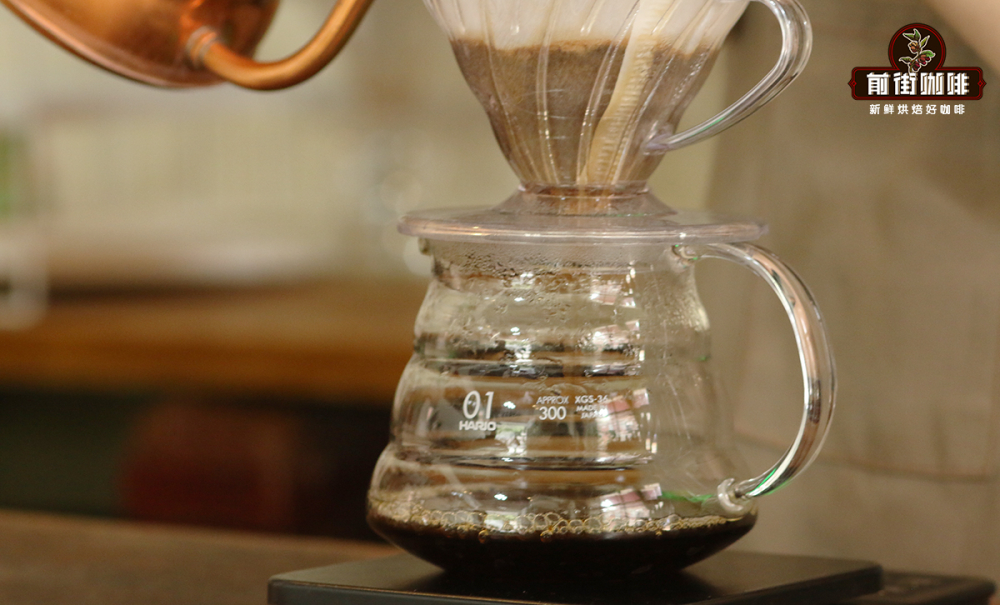
FrontStreet Coffee recommends a V60 dripper for light roasted coffee beans, with water temperature around 90°C, coffee-to-water ratio 1:15, coffee amount 15g, and a medium-fine grind (80% pass-through rate on China #20 standard sieve). For technique, FrontStreet Coffee uses segmented extraction, with bloom water twice the weight of the coffee powder, that is, 30g water for a 30-second bloom. After a small-stream circular pour to 125g, segment again, and continue pouring to 225g when the water level is about to expose the coffee bed. The entire extraction time is 2 minutes.
Flavor Descriptions
FrontStreet Coffee Natural Yirgacheffe Coffee: A light fermented wine aroma, rich mouthfeel, with citrus fragrance, honey sweetness, cocoa flavors, and a persistent aftertaste.
FrontStreet Coffee Washed Yirgacheffe Coffee: Brighter, livelier acidity, with lemon acidity, citrus fragrance, a refreshing mouthfeel, and some black tea sensation in the finish.
In general, both FrontStreet Coffee natural Yirgacheffe coffee and FrontStreet Coffee washed Yirgacheffe coffee have fruit acidity, with an obvious fruit juice sensation, similar to fruits like lemon and citrus.

FrontStreet Coffee's Sidamo Coffee Roasting Recommendations
The roasting approach for Sidamo coffee is similar to Yirgacheffe: both aim to highlight bright berry characteristics. FrontStreet Coffee believes light roasting is most suitable. Below is an example using FrontStreet Coffee's Sidamo Natural Horsemen 4.0.
FrontStreet Coffee's Sidamo Coffee Brewing Recommendations
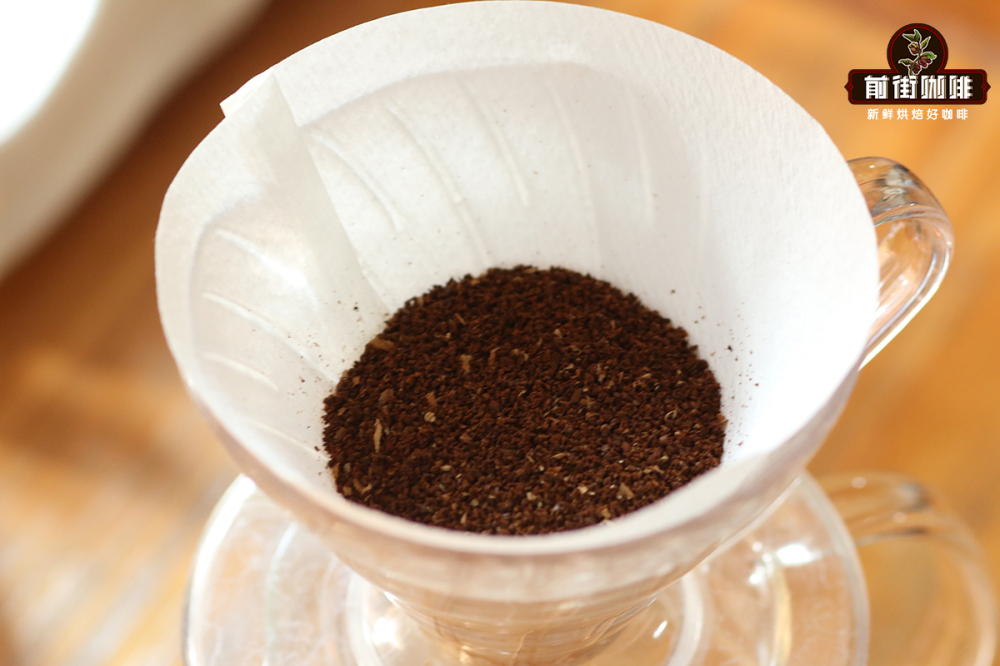
FrontStreet Coffee recommends a V60 dripper for light roasted coffee beans, with water temperature around 90°C, coffee-to-water ratio 1:15, coffee amount 15g, and a medium-fine grind (80% pass-through rate on China #20 standard sieve).
Observant readers will notice that the grind size for this FrontStreet Coffee Sidamo Natural Horsemen bean differs from the Yirgacheffe grind mentioned earlier. Each coffee bean has a different optimal grind size due to factors like variety, altitude, processing method, and roasting. That is why FrontStreet Coffee, whenever it receives a new roasted bean, always sieves first to determine the appropriate hand-drip grind.
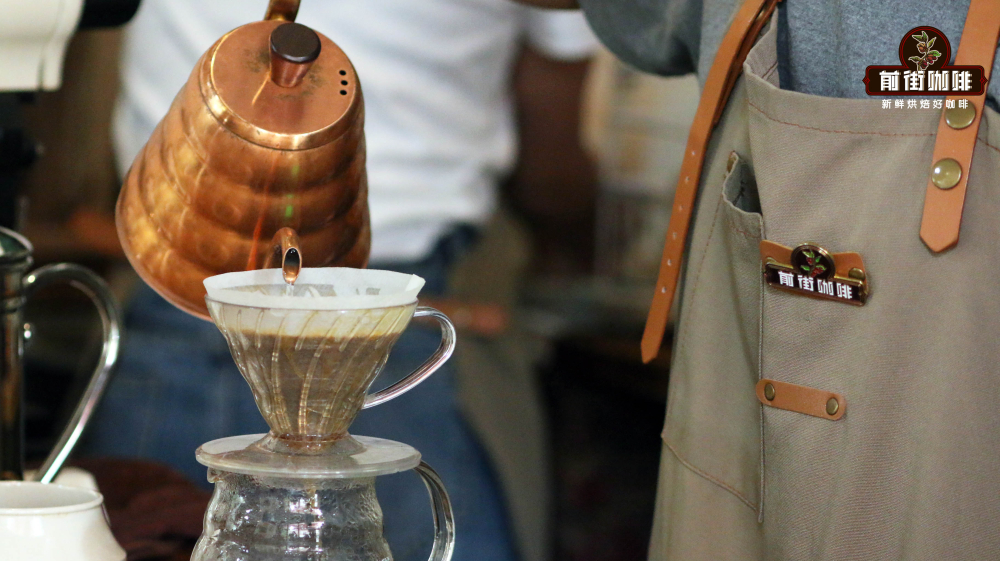
FrontStreet Coffee uses segmented extraction, with bloom water twice the weight of the coffee powder, that is, 30g water for a 30-second bloom. After a small-stream circular pour to 125g, segment again, and continue pouring to 225g when the water level is about to expose the coffee bed. The entire extraction time is 2 minutes.
[FrontStreet Coffee Sidamo Natural Horsemen 4.0] Flavor Description
Citrus acidity, a full-bodied berry juice sensation, strawberry, cream, lemon black tea sensation, with persistent sweetness.
FrontStreet Coffee Recommendation
For a first encounter with Ethiopian coffee, FrontStreet would start with washed processing, since it shows the region's original character most clearly: bright acidity and elegant floral and fruity notes. Natural processing then layers richness and sweetness on top of that baseline, which is exactly the difference between the two lots below.
FrontStreet Washed Yirgacheffe
The most direct introduction to the Yirgacheffe flavor that gives this region its name: white jasmine, bright citrus and lemon acidity, and a tea-like body, at an everyday price. If you are new to Ethiopia, begin here. Brew it on a V60 with 15g of coffee, a 1:15 ratio at 90-91°C, a medium-fine grind around EK43s setting 10 (fine sugar texture, 80% passing a #20 sieve), a 30g bloom for 30 seconds, then pours to 125g and finally about 225g, finishing in 2:00-2:10.
FrontStreet Natural Yirgacheffe Red Cherry
For drinkers who want the sweeter side of Yirgacheffe. This lot follows the all-red-cherry natural process: only fully ripe, sound fruit is harvested, sorted once at the station, then dried on raised beds and turned every two to three hours over the first days to avoid uneven fermentation. After three to five weeks of drying, the outer pulp is machine-scraped and the beans go to storage. Because the fruit dries on the bean, it keeps the typical Yirgacheffe character while adding tropical fruit aroma, with citrus-like acidity, berry juice, honeyed sweetness and a creamy smoothness.
FrontStreet Gedeb Gudingding Cooperative
For a step up within the region, Gudingding Cooperative sits in the Worka area at the southeastern edge of Yirgacheffe. Originally part of the Worka Cooperative under YCFCU, it became a single-origin source as the pursuit of traceability grew, and it follows the most traditional washed processing. There is no conventional bitter note here: just fresh, bright citrus and lemon acidity and the fragrance of jasmine, at a level many drinkers find easy to love from the first cup.
Important Notice :
FrontStreet Coffee is a long-established specialty coffee roaster in Guangzhou China, selling freshly roasted beans from its own farm in Yunnan as well as dozens of carefully selected single-origin beans from around the world for both pour-over and espresso. The products deliver consistently excellent quality and great value, with shipping within 24 hours. Guangzhou's FrontStreet Coffee shop is recommended by many coffee lovers, and the beans are now available online at the Tmall 。
FrontStreet Coffee has moved to a new address:
FrontStreet Coffee Address: 315,Donghua East Road,GuangZhou
Tel:020 38364473
 Scan and follow the En Gafei WeChat official account. Please indicate that the reprint comes from "En Gafei".