Smooth Mouthfeel, Balanced Flavor - What Are the Flavor and Profile of Brazil Santos Coffee? Is It Delicious When Brewed by Pour-Over?
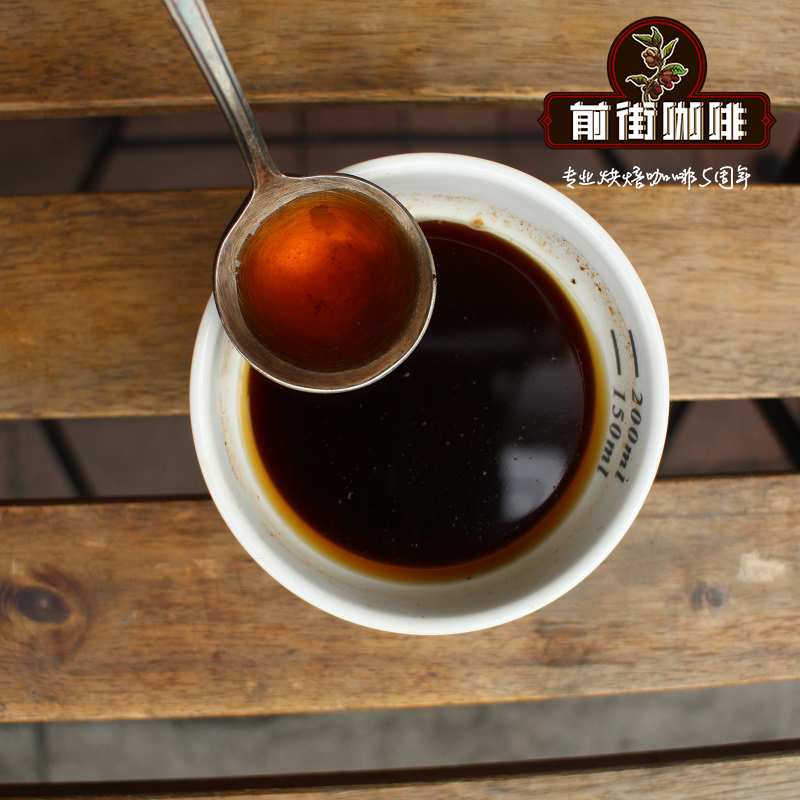
Smooth Texture, Balanced Flavor - The Flavor Profile of Brazil Santos Coffee? Is It Good as a Pour-Over?
Brazil is the world's largest coffee producer and exporter, accounting for roughly a third of global production. Brazilian Santos is the country's flagship coffee, named for the port of Santos through which it ships—though the beans themselves come from the mountains of São Paulo state and the surrounding highlands. Santos stands for premium Brazilian coffee as a category.
Santos has no single standout virtue and no glaring flaw—it follows the middle way. The flavor is mild and smooth: low acidity, moderate body, subtle sweetness, everything blended into a seamless whole. Picking the components apart one by one is a genuine test for your palate—and it is exactly this understated completeness that wins Santos its devoted fans. It is like a friend of plain appearance and calm manner who turns out to be full of warmth and wisdom: never overwhelming, quietly there when you need them.
Brazilian grading is based on defect counts, running from NY2 to NY8. NY1 (No.1) would mean zero defects, but no such coffee exists—so NY2 (No.2) is the highest actual grade of Brazilian coffee.
Soft yet insistent aroma, chocolate, a noticeable vanilla sweetness, balanced acidity, full body, and a long finish. Santos is exported from the port of Santos in São Paulo state, the beans large and pale green to light yellow with brown cracks down the middle, mostly natural (sun-dried) processed. Historically it has been used almost exclusively for blending—high aroma, moderate bitterness, acidity comparable to premium coffees—which also makes it perfectly drinkable straight. It has long been an essential component of blended coffee, familiar to drinkers everywhere.
With its mild flavor, Brazilian Santos suits newcomers perfectly: you can taste the delicate sweetness without adding sugar, and acidity and bitterness are easy to steer through roasting. It is also the traditional base for blends, including the classic Mamba (Mandheling-Brazil) pairing.
Coffee Origin Information
Origin: Brazil
Country: Brazil
Region: Santos
Variety: Bourbon
Grade: NY 2, 17/18 screen
Processing: Natural (Sun-dried)
Flavor Profile: The best choice for anyone wary of acidity. There is a subtle sweetness even without sugar, plus a hint of cream. On the palate it is smooth—neither bitter nor sour—gentle and immediately palatable, with a delicate aroma and comfortable, mild flavor that makes it ideal for a first cup of coffee. The profile is neutral and fragrant: no harsh acidity, sweet and smooth with a light bittersweet edge, traces of lemon, sweet chocolate, and nuts, and a persistent aftertaste. A low-acidity coffee with a smooth, refreshing texture and excellent overall balance.
FrontStreet Coffee's Recommended Brewing Method
Brewing Method: Pour-over
Grind Size: 3.5 (Fuji R440 grinder)
Brewing Parameters: V60 dripper, 15g of coffee, water temperature 90°C, grind size 3.5, coffee-to-water ratio 1:15
Bloom: 30g of water, 30 seconds
Pouring Stages: Pour to 120g and pause; once the bed drains to half, pour slowly to 225g.
In short: 30-120-225g. Bloom with 30g of water for 30 seconds, pour to 120g, wait for the bed to drop to half, then pour slowly up to 225g. Total extraction time is about 2:00.
FrontStreet Coffee Recommendation
If Santos leaves you curious about Brazilian coffee more broadly, you are in luck: as the world's largest producer, Brazil offers an enormous range, and its moderate acidity with superb sweet-bitter-body balance makes it a natural fit for medium roasting—nutty aromatics, mellow texture, a whisper of acidity, at home both as a single origin and in blends. FrontStreet's Brazilian picks:
- FrontStreet Brazil Cerrado Red Bourbon (pulped natural): The classic way to taste the region. Cerrado is famous for quality coffee, and this Red Bourbon, roasted medium, shows creamed peanut, toasted bread, caramel, and hazelnut over a rounded, non-acidic palate with just a trace of bitterness. Equally happy in a pour-over, moka pot, espresso SOE, siphon, or French press.
- FrontStreet Brazil Queen Estate Yellow Bourbon: From Mogiana, near southern Minas, where rich red volcanic soil feeds intensely aromatic beans. Yellow Bourbon—a mutation of Red Bourbon with a cleaner fruit character—roasted medium reveals a sugarcane sweetness you will not find elsewhere, alongside fruit and chocolate notes, through pour-over, moka pot, or home espresso machine.
- FrontStreet espresso blends: Brazil's low acidity, balance, and friendly price make it the backbone of many espresso formulas. FrontStreet Classic Blend (rich crema), Specialty Blend (deep nuts), Black Cocoa Blend (balanced), and the cafe-focused Commercial Blend all contain Brazil, contributing chocolate and cream aromatics, gentle sweet-sour-bitter structure, and—crucially for espresso—extraction stability.
Important Notice :
FrontStreet Coffee is a long-established specialty coffee roaster in Guangzhou China, selling freshly roasted beans from its own farm in Yunnan as well as dozens of carefully selected single-origin beans from around the world for both pour-over and espresso. The products deliver consistently excellent quality and great value, with shipping within 24 hours. Guangzhou's FrontStreet Coffee shop is recommended by many coffee lovers, and the beans are now available online at the Tmall 。
FrontStreet Coffee has moved to a new address:
FrontStreet Coffee Address: 315,Donghua East Road,GuangZhou
Tel:020 38364473
 Scan and follow the En Gafei WeChat official account. Please indicate that the reprint comes from "En Gafei".