How to Brew Freshly Roasted Coffee Beans for the Best Taste? The Right Brewing Methods for Light and Dark Roast Coffee Beans
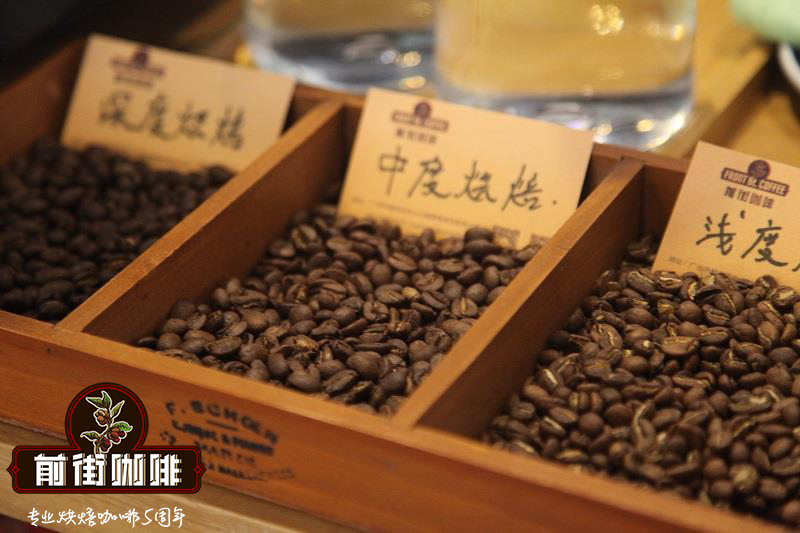
Coffee beans cannot be eaten directly. They need to be ground and then extracted through various pieces of equipment (different coffee makers) before consumption.
If you don't have the necessary equipment at home, the whole process is actually rather troublesome. You need to buy a coffee grinder (there are manual ones, but their performance is rather poor and they are more for the romance of it), then a coffee maker (if you must use one, a siphon or moka pot is best), and these generally come with a matching alcohol burner. In short, your situation is much like this: you have the vinegar at home but want to eat crab, so you first need to withdraw money, then drive to the market, then make your selection, and so on.
How to Eat Roasted Coffee Beans
Perhaps many people have never truly understood how roasted coffee beans can be consumed. Coffee beans are the raw material for making coffee. Many people may only drink coffee in shops and have never actually made it themselves. Below, let's look at the ways to consume coffee beans and how to select good roasted coffee beans. Let's explore together.
How to Brew Delicious and Aromatic Coffee
To brew a delicious, aromatic cup of coffee, several factors must work together:
Coffee Beans
To brew a fragrant cup of coffee yourself, beyond brewing technique the most important thing is selecting high-quality beans. When purchasing, pay attention to whether the bean colour and particle size are uniform. Good coffee beans not only have a lustrous appearance but also a rich aroma with no mixed off-odours.
Grind Degree
The correct grind should be based on the coffee maker being used. Grinding can generally be divided into three stages: coarse grind, medium grind, and fine grind.
Coarse ground coffee suits drip coffee makers (traditional American brewers). Medium ground coffee suits drip, flannel filter, and siphon makers. Fine grind is most suitable for coffee percolators (also known as water-drip coffee makers). Note that the shorter the brewing time, the finer the grind particles should be, because smaller particles have a larger surface area in contact with hot water and so should brew for less time. In addition, overly fine grinding makes coffee more bitter and can easily clog the machine, while too coarse a grind leaves the coffee with less flavour.
Fresh, Temperature-Appropriate Water
97% of coffee is water, so only good-quality water can bring out coffee's original aroma and richness. It is best to use filtered water. Do not boil the coffee, as boiling water will make it bitter. Also note that the water temperature should be slightly below 96°C.
Coffee is best not reheated. When brewing, take care to brew only the amount needed each time, and drink it soon after brewing. The optimal drinking temperature for coffee is 85°C.
How to Select Coffee Beans?
Choose fresh coffee beans. When purchasing, pay attention to whether the bean colour and particle size are consistent. Good coffee beans have a fresh, lustrous appearance and a rich aroma with no mixed off-odours. Regardless of bean type, freshness is an important factor affecting quality.
When selecting, take one or two coffee beans and chew them in your mouth. They should be crisp (indicating the coffee hasn't been dampened by moisture) and leave a fragrant aftertaste, which signals premium quality. Better still, pinch them with your fingers to feel whether they are solid, rather than buying hollow-shelled coffee. If the beans have lost their fragrance or smell stale, they are no longer fresh and not suitable for purchase.
Can Coffee Beans Be Eaten?
Freshly roasted coffee beans are not suitable for immediate consumption. They should be stored for about a week to allow the gases inside the beans to release completely.
Generally, coffee's optimal drinking period is about a week after roasting. At that point the beans are freshest and the aroma and flavour are at their best.
Additionally, the purity of the beans is another consideration. Experts selecting coffee don't necessarily look at particle size but rather grab a handful of single-origin beans — about a few dozen at a time — to check whether every bean's colour is consistent and whether the particle size and shape are similar, avoiding inferior products disguised as mixed beans.
If it is a blend, though, different sizes and colours are normal. Also, heavy and medium-dark roasting will cause beans to develop oils. But if lighter roasted beans show oil, it indicates they have deteriorated, which not only reduces aromatic richness but also develops astringent and sour flavours.
In summary, when selecting coffee, pay attention to its freshness, aroma, and whether there are any stale odours. The ideal purchase quantity is enough to consume within half a month.
Roasted Coffee Bean Brand Recommendations
FrontStreet Coffee's freshly roasted Arabica beans offer full assurance in both brand and quality. More importantly, they deliver extremely high value for money. Each pack is 227 grams and costs only about 70-90 yuan. At 15 grams of beans per cup, one pack makes 15 cups of coffee, with each cup costing only about 5-6 yuan. Compared with coffee shop prices that often reach dozens of yuan per cup, that is a genuinely conscientious recommendation.
FrontStreet Coffee: a Guangzhou-based roastery with a small shop but diverse bean varieties, where you can find various famous and lesser-known beans. They also provide online store services. https://shop104210103.taobao.com
FrontStreet Coffee Recommendation
If you want to put these selecting and grinding tips to work, moka pot and espresso blends are the most forgiving place to start. FrontStreet Coffee's Classic Blend is designed specifically for espresso and the moka pot, and its greatest strength is outstanding crema: even a beginner on a non-professional home machine can pull a dense, fine-textured shot. Built on the traditional Mamba recipe of Mandheling and Brazil, it is rich and warm, equally acceptable to veterans and newcomers, and a solid choice for home or commercial use.
If you would rather keep costs down without giving up body, FrontStreet's Black Cocoa Blend is 100% Arabica with plenty of crema and a rich, mellow taste at a friendly price — quality and value together. The Autumn Chestnut Blend is a balanced 100% Arabica mix of Honduran Caturra and Papua New Guinea Typica: roasted-chestnut nuttiness and caramel and brown-sugar sweetness on entry, a soft chocolate note and rounded acidity in the middle, and a clean, long finish of nut, cocoa, and a hint of spice. It suits anyone who wants a low-acid, full-bodied cup with plenty of sweet return.
For a versatile all-rounder, single origins work just as well in a moka pot. FrontStreet's PWN Indonesia Golden Mandheling is roasted dark for a very low acidity and a long, full body, with herbal and dark chocolate aromas and a faint earthy note — ideal for those who like it strong and dislike sourness. FrontStreet's Brazil Queen's Farm is balanced and low in acid, heavy with nut and cocoa aromas and clear caramel sweetness, smooth and never astringent, and works for pour-over, espresso, or the moka pot alike.
Important Notice :
FrontStreet Coffee is a long-established specialty coffee roaster in Guangzhou China, selling freshly roasted beans from its own farm in Yunnan as well as dozens of carefully selected single-origin beans from around the world for both pour-over and espresso. The products deliver consistently excellent quality and great value, with shipping within 24 hours. Guangzhou's FrontStreet Coffee shop is recommended by many coffee lovers, and the beans are now available online at the Tmall 。
FrontStreet Coffee has moved to a new address:
FrontStreet Coffee Address: 315,Donghua East Road,GuangZhou
Tel:020 38364473
 Scan and follow the En Gafei WeChat official account. Please indicate that the reprint comes from "En Gafei".