Flavor and Characteristics of Sumatra Coffee Beans - Are Starbucks Sumatra Coffee Beans Good?
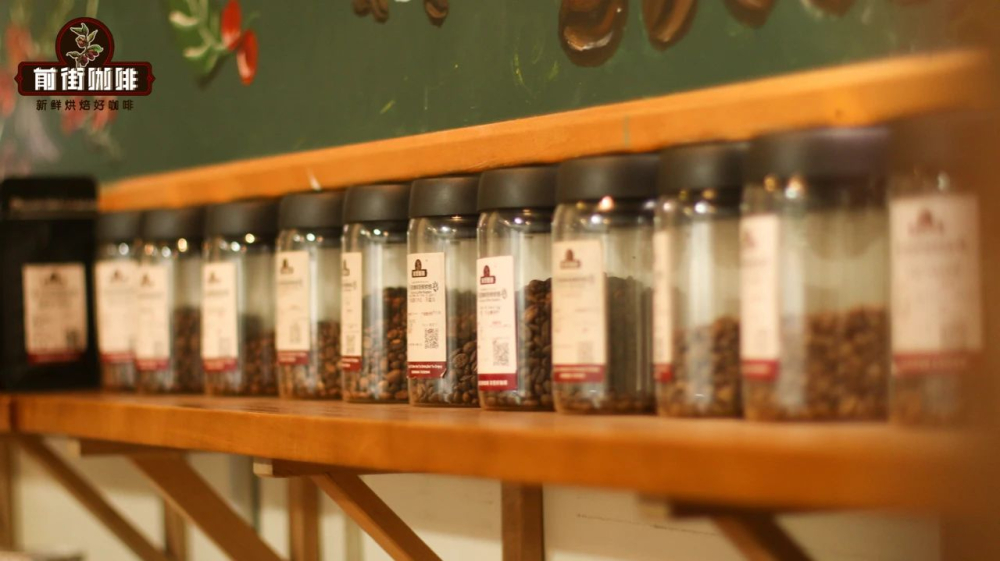
Sumatra Mandheling has been a favorite of coffee connoisseurs since coffee culture took off, renowned for its rich, full-flavored cup. One customer who came to FrontStreet Coffee for Golden Mandheling put it memorably: "When this Golden Mandheling enters the mouth, it's like a Sumatran tiger crawling forward across your tongue." FrontStreet Coffee's bean menu lists five Mandheling coffees from Sumatra, each with a distinct character. In this article, FrontStreet Coffee introduces all five.
Sumatra's environment and soil produce coffee with woody tones and a rich mouthfeel—subtle flavors with lively yet moderate acidity, plus singular notes of herbal medicine, cedar, cocoa, and fermented fruit. Sumatra Mandheling is the most classic bean among arabicas, which account for only 25% of Indonesia's coffee production. It offers a wonderfully classic taste: heavy flavor with richness and lively vibrancy, neither astringent nor sour, expressing body and bitterness to the fullest. Tasting Mandheling, you feel a distinct smoothness on the tongue accompanied by faint herbal aromas, cocoa sweetness, and fruit-like fragrance, with a long-lasting aftertaste. Devotees typically drink it as a single origin, but Mandheling is also an indispensable blending component.
The Legend of Mandheling
The name Mandheling carries a romantic, gentle ring, but anyone who has tasted it knows better. It is fragrant, rich, and sweet in its bitterness—a non-acidic coffee often called the world's most mellow. On the tongue there is pronounced smoothness with low acidity, tiny jumping points of acidity woven into the deepest aroma, so you easily perceive the lively factors within its gentle richness. The coffee also carries a faint earthy fragrance, which some describe as the scent of herbal plants.
Sumatra Mandheling is a premium bean grown at 750–1500 meters in mountainous terrain, known as the "Caesar of coffees." Indonesia today is a major coffee producer, with cultivation concentrated on Java, Sumatra, and Sulawesi; Robusta makes up 90% of output, while Sumatra Mandheling is the rare arabica—and the most renowned Mandheling of all. Any discussion of Mandheling must mention the PWN company.
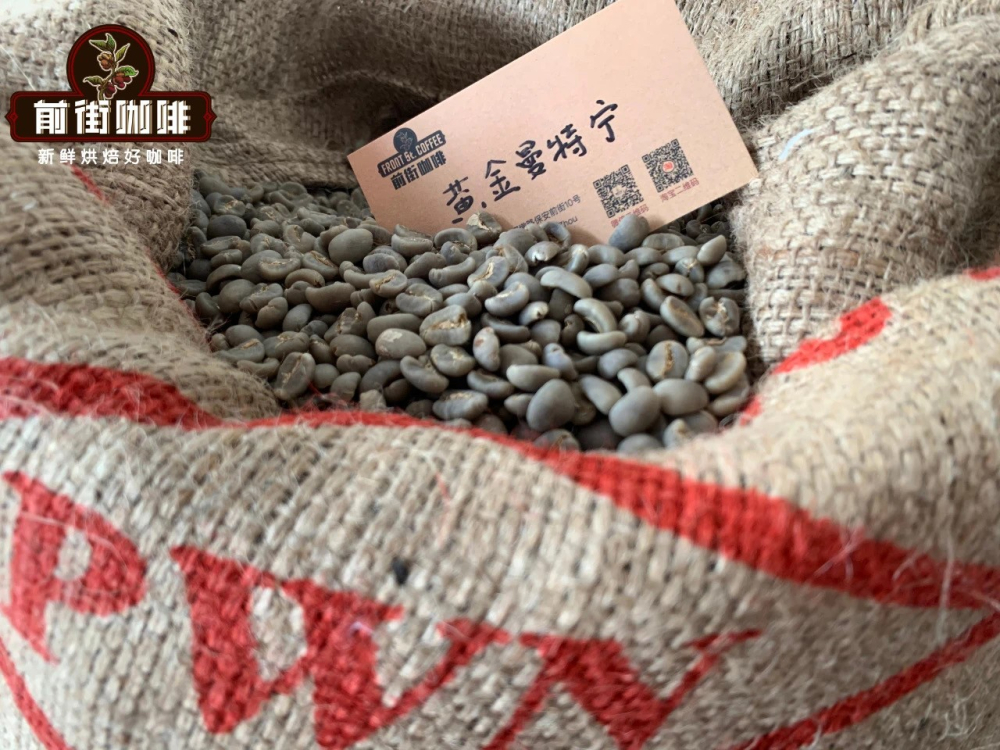
PWN Company and Golden Mandheling
PWN's full name is Pwani Coffee Company, a famous Indonesian coffee acquisition house specializing in Mandheling. Almost all of the best producing areas have been acquired by them, so most PWN beans are unique specialty coffees. Golden Mandheling is one of their flagship products: after acquiring green beans, the company runs multiple manual selections to pick out only plump, flawless beans—and only beans that survive this layer-by-layer screening earn the Golden Mandheling name. The Golden Mandheling at FrontStreet Coffee comes from PWN, and FrontStreet Coffee considers Sumatra Golden Mandheling absolutely top-tier Indonesian Mandheling.
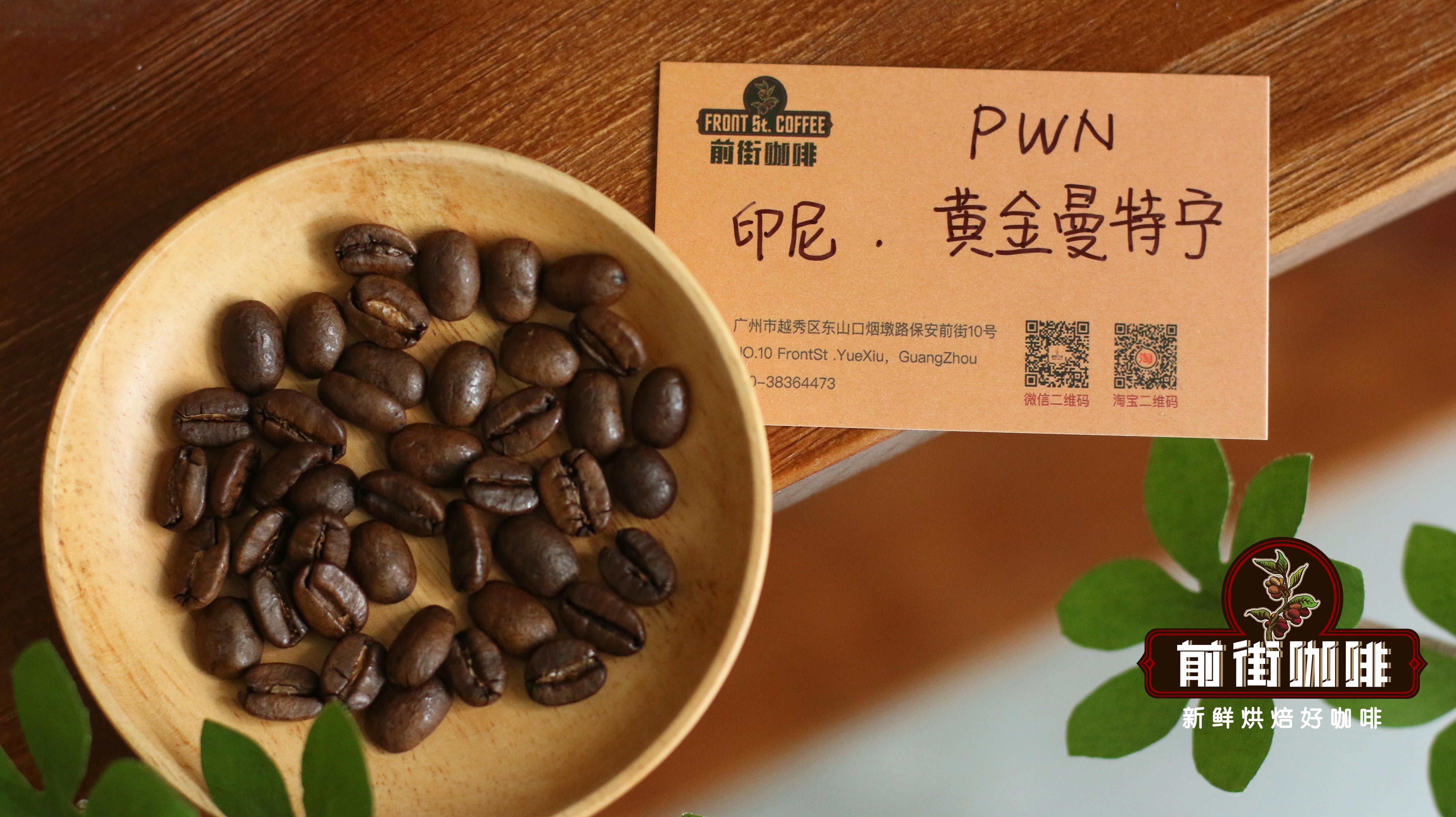
FrontStreet Coffee: PWN Golden Mandheling Coffee Beans
Region: Aceh Gayo Mountain, Sumatra
Altitude: 1100-1600 meters
Variety: Ateng
Grade: G1, 3-handpicked
Processing Method: Wet-Hulled
Lintong Mandheling
FrontStreet Coffee's daily-bean series includes a Mandheling from the Lintong region, in the mountains of north-central Sumatra near Lake Toba. Lintong Mandheling is the regular version of Sumatra Mandheling, also made with the conventional wet-hulled method that creates its low acidity and high body. Wet-hulling, however, means semi-hard, semi-soft moist green beans are easily bruised when the parchment is stripped off: the beans crack open like a sheep's hoof—hence "sheep-hoof beans." These are not defects but a signature characteristic of Mandheling. FrontStreet Coffee launched the daily-bean series so that every coffee lover can enjoy the main regional flavors at the most affordable prices.
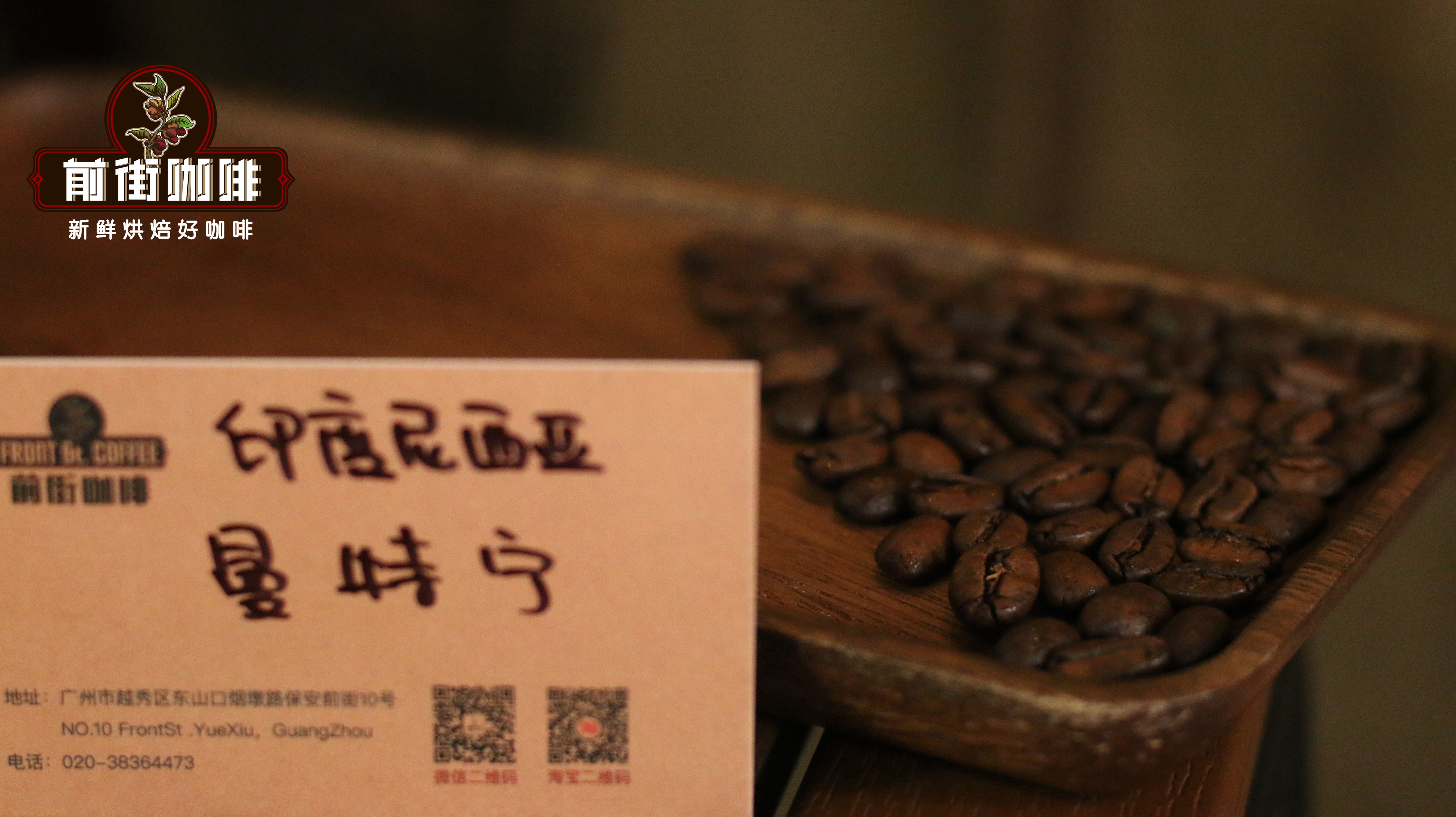
FrontStreet Coffee: Lintong Mandheling Coffee Beans
Region: Lintong, Sumatra
Altitude: 1100-1600 meters
Varieties: Typica, Caturra
Processing Method: Wet-Hulled
Tiger Mandheling
Recall the customer who said Sumatra Mandheling enters the mouth like a tiger crawling forward. Among the Mandhelings at FrontStreet Coffee there is one actually named for the tiger. Tiger Mandheling is selected from regular Mandheling trees, screened three times through 19-mesh sieves—strictly filtering so every bean has nearly the same diameter—to yield AA-grade Mandheling. Some use "Sumatran Tiger" to describe the nobility and rarity of these 19-mesh selected beans.
On the cupping table it shows high viscosity with excellent fruit aroma and sweetness and a long-lasting sweet aftertaste—a genuinely rare fine bean, deeply loved by connoisseurs. Hence the names "Sumatran Tiger Mandheling," "Tiger Mandheling," or simply "Tiger" Mandheling. There is another theory: a "Tiger Estate" in Sumatra specializes in producing Sumatra Mandheling, and batches specially selected by that estate are likewise called Tiger Mandheling.
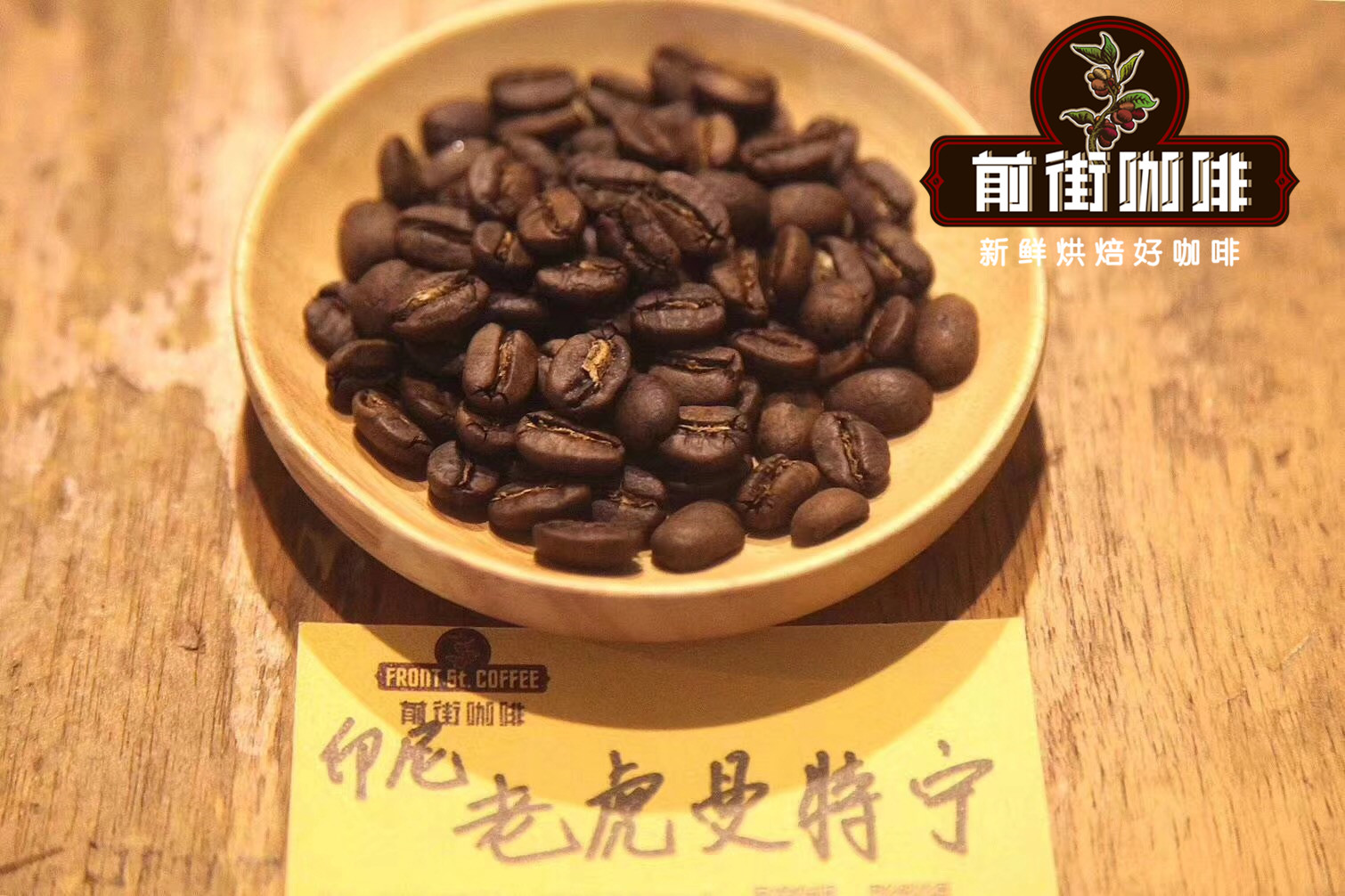
FrontStreet Coffee: Tiger Mandheling Coffee Beans
Region: Sumatra
Altitude: 1500 meters
Varieties: Caturra, Typica, Sidikalong
Processing Method: Wet-Hulled
Aged Mandheling
If the Mandhelings above are not rich enough for you, FrontStreet Coffee's Aged Mandheling will satisfy any richness enthusiast. Indonesia was once a Dutch colony, supplying coffee to Europe continuously. To guarantee supply, beans were stored—and with long transport distances and the erosion of sea winds, by the time they reached Europe they had developed an entirely different flavor. That was the origin of aged coffee. Fortunately, the European colonists were amazed by it, quickly accepting and promoting this style.
Today the aging process is well refined. The beans are first wet-hulled (sun-dried in parchment for 2-3 days to 20-24% moisture, then hulled and dried further to 12-13% moisture), then sealed in warehouses—cool and ventilated, with the beans turned regularly to prevent mold and decay—for 2-3 years of storage. During this time the acidity gradually diminishes and converts toward sugars, and the beans darken to a yellowish-brown or dark brown, highly recognizable color.
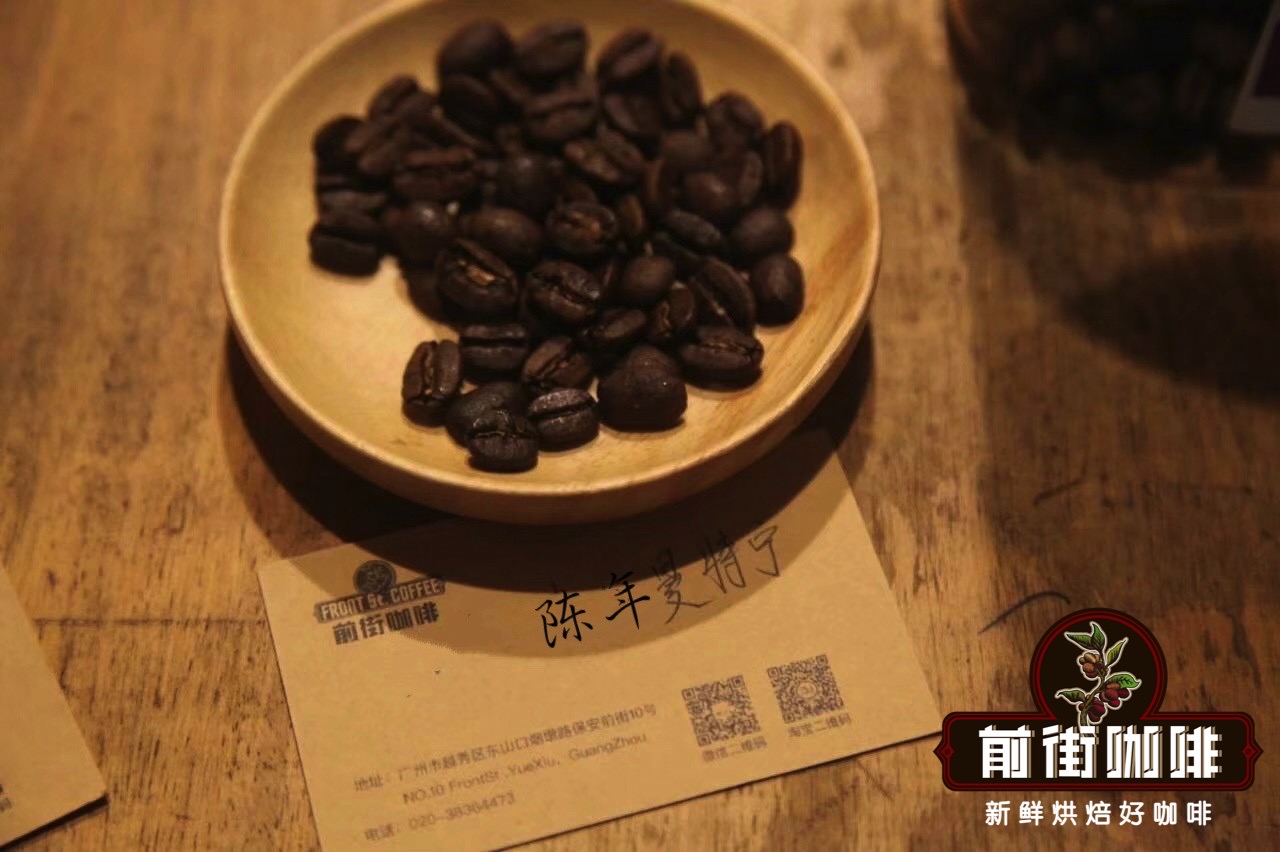
FrontStreet Coffee: Aged Mandheling Coffee Beans
Region: Sumatra
Altitude: 1500 meters
Varieties: Caturra, Typica
Processing Method: Wet-Hulled
Wet-Hulled Processing Method
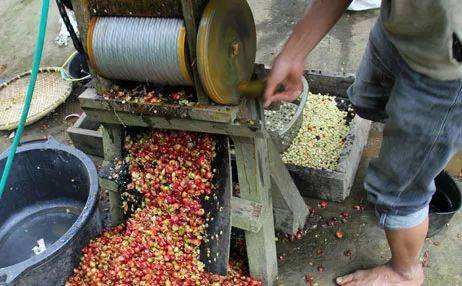
All four Mandhelings above use wet-hulled processing. Local weather is often rainy with constant typhoons, making the sustained fine weather needed for sun-drying impossible, and the local economy cannot support the more expensive, water-hungry washed method. For all these reasons, the uniquely local wet-hulled method developed (sun-drying in parchment for 2-3 days to 20-24% moisture, then stripping the parchment to expose the green beans directly to the air, greatly accelerating drying). Wet-hulling's extreme speed also produces higher defect rates—but Golden Mandheling effectively avoids this drawback. Its specification is above 19-mesh with fewer than 3 defective beans per 300g green sample, the highest G1 grade, with darker green color and neatly shaped flat beans.
Natural Mandheling
Want Mandheling but not so rich? Yes, it exists! FrontStreet Coffee recently added a Natural Mandheling whose flavor departs completely from the usual impression. Traditional Mandheling leans herbal and woody with low acidity, while this Natural Mandheling keeps the herbal aromas and adds soft fruit acidity. The Wahana Estate was established in 2005 near Lea Mungkur village in the Sidikalang region of northern Sumatra—Sidikalang has been one of Indonesia's famous coffee regions for generations. The estate sits at 1200-1500 meters with annual rainfall of 2000-3000 millimeters, a relatively cool climate, and a day-night temperature difference exceeding 10°C. Under these conditions Wahana's red cherries reach a sugar content above 13%, so the beans grown here are comparatively sweeter.
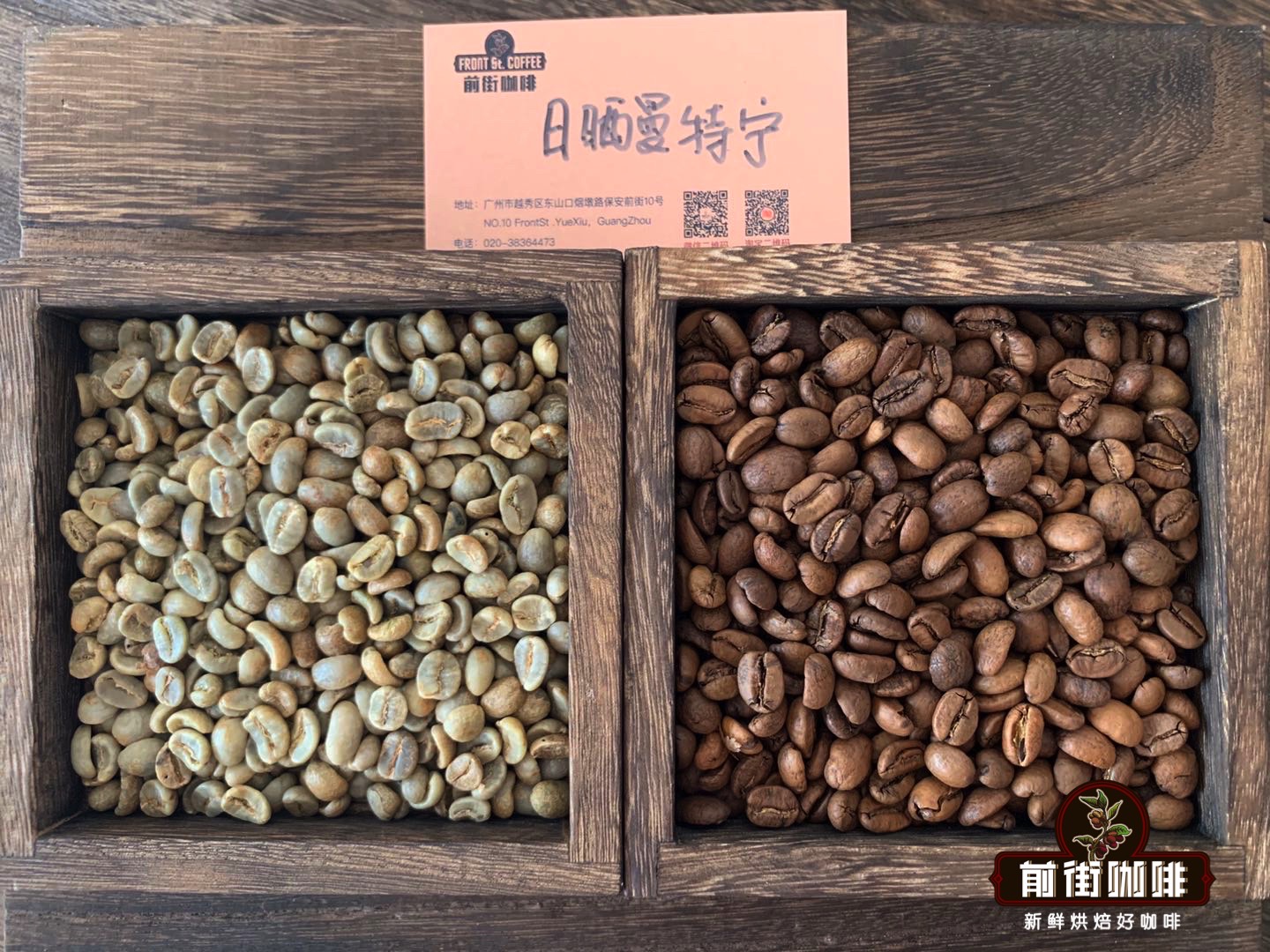
FrontStreet Coffee: Natural Mandheling Coffee Beans
Region: Lake Toba, Sumatra
Estate: Wahana Estate
Altitude: 1000-1700 meters
Varieties: Bourbon, Typica
Processing Method: Natural
How FrontStreet Coffee Brews 5 Mandheling Coffees
FrontStreet Coffee keeps the brewing parameters consistent across the Mandhelings, with one split: Natural Mandheling is roasted medium-light while the other four are roasted medium-dark, so each roast level gets its own recipe.
Light-Medium Roast Brewing Parameters: V60 dripper, 1:15 coffee-to-water ratio, 15g coffee dose, 90°C water temperature, grind size (80% pass-through rate on 20-standard mesh screen)
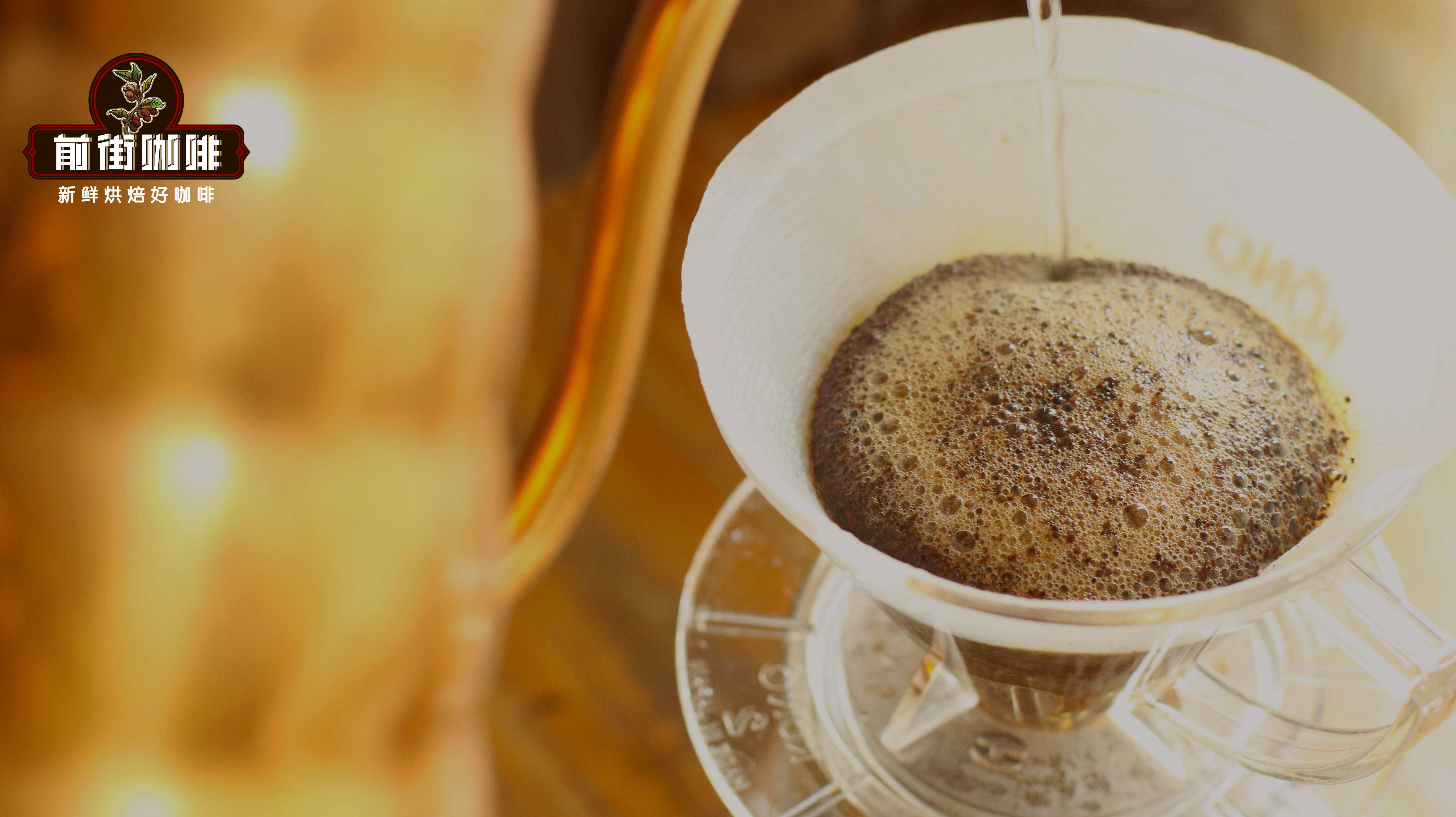
Medium-Dark Roast Brewing Parameters: Kono dripper, 1:15 coffee-to-water ratio, 15g coffee dose, 88°C water temperature, grind size (70-75% pass-through rate on 20-standard mesh screen)
FrontStreet Coffee uses segmented extraction: bloom with 30g of water for 30 seconds, then pour in small circles to 125g and pause; continue to 225g once the water level is about to expose the coffee bed, and remove the dripper when it drops again (timing starts from the bloom). V60 extraction time is 2'00"; the Kono runs slightly longer at 2'10".
Tasting Notes
Golden Mandheling: Multi-layered, rich and clean, high balance, rich nut and caramel aroma with chocolate notes, long-lasting aftertaste.
Lintong Mandheling: Herbal flavor on entry, dark chocolate, caramel, sweet aftertaste.
Tiger Mandheling: Pine and spice aromas, relatively balanced mouthfeel with distinct cream, dark chocolate, and nut flavors.
Aged Mandheling: Woody, malt, and caramel aromas greet you; the mouthfeel trades traditional Mandheling wildness for richness and delicacy—a mature, steady character. Lower acidity, with ripe pu-erh tea, caramel, herbal, and chocolate flavors on entry, very sweet.
Natural Mandheling: Tropical fruits, fermented notes, moderate acidity, smooth mouthfeel, distinct sweetness.
FrontStreet Coffee Recommendation
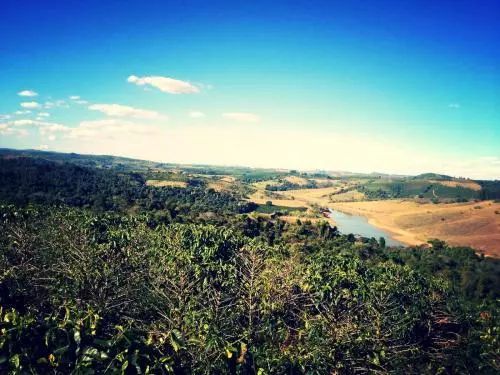
Indonesia's coffee story began in the late 17th century, when the Dutch transplanted seedlings to Java; the crop flourished, "Java" became a byword for coffee, and after leaf rust devastated the island in the early 20th century, cultivation shifted north to Sumatra—which now grows more than 60% of Indonesia's output. Sumatran arabica is what the world calls Mandheling, grown mainly in Aceh province and North Sumatra: the Aceh zone around Lake Tawar in the Gayo mountains yields delicately aromatic, bright-cupped coffee, while the traditional Lintong zone around Lake Toba—with diverse plant varieties, suitable altitudes, and the local microbial fermentation that wet-hulling encourages—produces the mysterious, classic Mandheling profile of intense aroma and thick, powerful flavor.
The wet-hulled method itself was born of necessity: Indonesia's rainy season overlaps cherry harvest, humidity runs 70–90% year-round, and typhoons and rainfall above 2000mm make African-style multi-week sun-drying impossible, while washed processing costs more water and labor than ordinary farmers can bear. So growers pulp and rinse the cherries, dry them briefly, and hull the parchment while the beans are still half-dry—exposing the green beans to the air and speeding drying, while also absorbing wild fungi that give Mandheling its one-of-a-kind untamed character.
For the fullest expression of that character, FrontStreet Coffee most recommends the top-grade PWN Golden Mandheling: beans above 18-mesh, fewer than 3 defects per 300g sample meeting the strictest G1 standard, and three rounds of hand-sorting that raise cleanliness and sweetness to another level. It ships with PWN certificates and stamped bags for verification, and after a medium-dark roast it brews a black coffee of clean texture and full body—roasted sweetness, caramel, chocolate, and nuts with virtually no acidity. Brew it on a Kono at 87–88°C, 15g of coffee at 1:15, coarse-sugar grind, three-stage pouring: 30g to wet and degas, 100g to lift the bed and bloom the golden crema, then a gentle center pour of 95g to heighten sweetness. If you want that richness in espresso, the barista-favorite FrontStreet Classic blend layers medium-dark Mandheling over Brazilian cream-and-nut base with a touch of Robusta for crema—butter, roasted chestnut, and caramel up front, with sandalwood, herbal, and spice notes behind, equally happy in a latte or a Dirty.
Important Notice :
FrontStreet Coffee is a long-established specialty coffee roaster in Guangzhou China, selling freshly roasted beans from its own farm in Yunnan as well as dozens of carefully selected single-origin beans from around the world for both pour-over and espresso. The products deliver consistently excellent quality and great value, with shipping within 24 hours. Guangzhou's FrontStreet Coffee shop is recommended by many coffee lovers, and the beans are now available online at the Tmall 。
FrontStreet Coffee has moved to a new address:
FrontStreet Coffee Address: 315,Donghua East Road,GuangZhou
Tel:020 38364473
 Scan and follow the En Gafei WeChat official account. Please indicate that the reprint comes from "En Gafei".