What is the method for making cold brew coffee? What are the differences between ice drip coffee and cold brew?
Coffee Knowledge Exchange
FrontStreet Coffee shares coffee knowledge from around the world. Iced coffee is its own world, and today we look at how cold brew is made, how it differs from iced drip coffee, and which beans suit each style.
The Art of Cold Brew Coffee
Delicious iced coffee may not carry the vibrant, uplifting aroma of hot coffee, but the moment it touches your lips it reveals a whole symphony of flavor, aroma, and texture, enriching the palate and satisfying the senses. This is not simply iced coffee with cubes dropped in. It is cold brew, extracted slowly with cold or ice water, and it overturns everything you expect from coffee, offering an experience closer to fine wine: mellow depth combined with refreshing coolness.
Coffee extracted at low temperatures tastes sweet and mellow, with lower acidity and a gentler bitterness. After fermentation it gains even more complexity, becoming as intoxicating as aged wine.
Coffee has become a daily essential for many people, and beyond the differences in origin, variety, roast level, and hot-brewing methods, there is another pleasure to be had: cold brew. On scorching summer days, the fermented aroma and cooling sensation of iced coffee are especially captivating.
Cold brew can generally be divided into three preparation methods: cold brew, iced drip, and ice-brewed. Because the extraction conditions differ, the three styles produce distinct flavors and textures, yet all belong to the cold brew family. The principle is the same as cold brew tea: low temperatures and long steeping times slowly draw out the coffee's flavor.
Extraction is slow at low temperatures, but high temperatures more easily break the tannic acid in coffee down into pyrogallic acid, which brings acidity and bitterness. Coffee extracted cold is comparatively more mellow, which is why it is so popular.
Cold Brew Coffee
The idea behind cold brew is much like cold brew tea. The process is simple: grind the beans, add cold water, and steep them in a low-temperature environment for at least about 12 hours. Before drinking, simply filter out the grounds.
This method amplifies the coffee's aromas while reducing acidity, so the cup is cleaner and purer. Its signature is that the colder it gets, the better it tastes, with no need to dilute or add ice. In America it is popular to cut cold brew with coconut water in equal proportions, which brings out a purer coffee sweetness. Every establishment has its own secret recipe, each with its own character.
Infusing cold brew with nitrogen creates a creamy foam, giving nitro iced coffee the look of a glass of beer, which is why it earned the nickname "beer coffee." The bubbles make the texture smoother, as though cream has already been added, and many drinkers find it richer than plain cold brew, with a natural sweetness even without sugar. Innovations in craft and brewing have given iced coffee an entirely new face.
Iced Drip Coffee
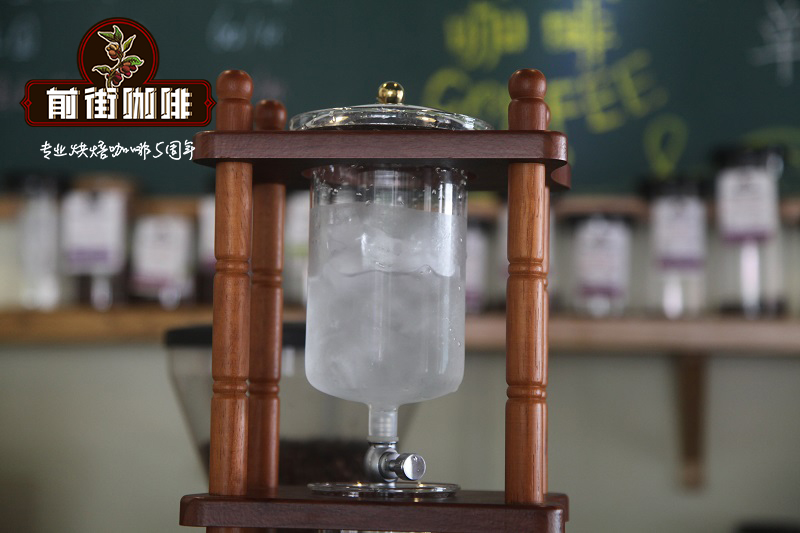
Iced drip coffee uses an ice-water mixture below 5°C. As the ice melts naturally, a valve controls how quickly the ice water drips onto the coffee grounds. The ice water slowly extracts flavor as it drips through, and the liquid falls out drop by drop. The full extraction takes about 2-8 hours. To reach a better flavor, the liquid then rests and ferments under refrigeration for 12-48 hours. Each run yields very little, typically 30-60 milliliters, and undiluted it is extremely concentrated. If the coffee is too strong, add ice to dilute to taste. Because the process is slow, iced drip coffee is relatively expensive, but the flavor is excellent.
America's barista champion Laila once said in an exclusive interview that compared with cold brew, iced drip coffee has more aroma and a more delicate, subtle taste.
What Coffee Beans Are Suitable for Cold Brew Coffee?
In the end it comes down to personal preference. There is no strict rule about which beans to use, as long as you like them. FrontStreet Coffee does suggest natural-processed or honey-processed beans, as these produce a cold brew with higher sweetness that more people enjoy.
FrontStreet Coffee uses Hartman and Flower Queen beans to make a cold brew with a rich fermented aroma.
FrontStreet Coffee Recommendation
Cold brew rewards coffees with pronounced flavor, and FrontStreet Coffee's range covers the main styles. A natural-process Ethiopian lot is the classic starting point: FrontStreet Coffee's Flower Queen is a natural coffee from Ethiopia, and because the beans dry inside the fruit, they absorb a great deal of sweetness and aroma. Roasted light-medium, it brews into a cold brew full of magnolia, cream strawberry, dried mango, guava, and black tea.
If you want juice-like acidity rather than heavy fermentation, turn to a washed coffee. FrontStreet Coffee's Kenya Cherry Tomato comes from Kenya's Thika region, grown at 1,550-1,750 meters from the SL28 and SL34 varieties at the AA TOP grade, and processed with Kenya's signature 72-hour double washed method. Cold extraction makes the most of its cherry tomato, pear, dark plum, and preserved plum notes: low in bitterness, full in acidity, and especially refreshing over ice.
For a blend built for cold brew, FrontStreet Coffee's Strawberry Candy combines a Panama Geisha, which brings delicate rose and orange, with a Costa Rica honey-processed coffee, which brings grape, raisin, and strawberry-marshmallow sweetness. The result is sweet, lively, and bright; let it rest and ferment a little and it takes on a fruit-wine quality. Because cold brew uses noticeably more coffee than pour-over, it is also worth choosing value lots or blending, for instance cutting FrontStreet Coffee's Colombia Papaya with FrontStreet Coffee's Costa Rica Tarrazu at 1:2 to keep both the flavor and the cost in balance.
Important Notice :
FrontStreet Coffee is a long-established specialty coffee roaster in Guangzhou China, selling freshly roasted beans from its own farm in Yunnan as well as dozens of carefully selected single-origin beans from around the world for both pour-over and espresso. The products deliver consistently excellent quality and great value, with shipping within 24 hours. Guangzhou's FrontStreet Coffee shop is recommended by many coffee lovers, and the beans are now available online at the Tmall 。
FrontStreet Coffee has moved to a new address:
FrontStreet Coffee Address: 315,Donghua East Road,GuangZhou
Tel:020 38364473
 Scan and follow the En Gafei WeChat official account. Please indicate that the reprint comes from "En Gafei".