Yunnan Coffee | Elegant Estates | Starbucks Coffee Estates | Single-Origin Coffee Bean Recommendations
The Story of Yunnan Coffee
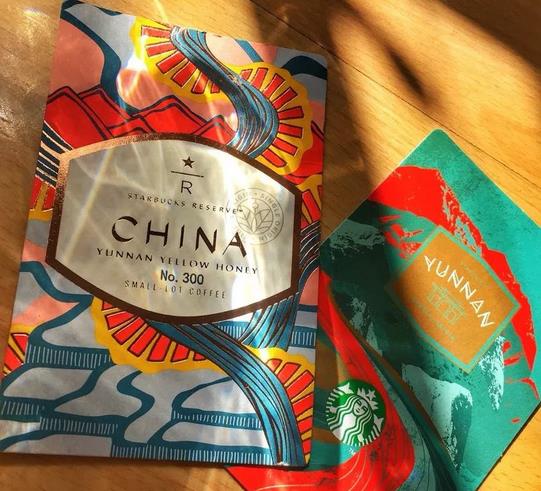
When Starbucks released its Reserve Yunnan · Yellow Honey in a limited run, it marked the first time the company had introduced Yunnan beans at Reserve level—a perfect showcase of how far Chinese Yunnan coffee had come.
And now came Gaoya Manor: forest-floor notes of fresh herbs, a chocolate and malt finish—coffee that makes you feel immersed in the Yunnan landscape.
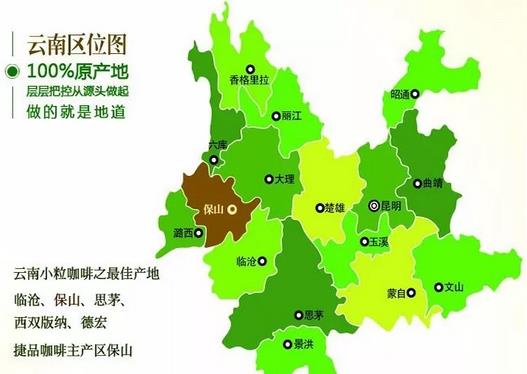
Western and southern Yunnan lie between 15°N and the Tropic of Cancer. Most of the region sits at 1000-2000 meters across mountainous, sloping terrain. Big elevation swings, fertile soil, abundant sunshine, plentiful rain, and wide day-night temperature gaps make it ideal coffee country—and they give Yunnan's small-bean arabica its signature profile: rich but never bitter, aromatic but never harsh, with a faint fruitiness.
The History of Yunnan Coffee
Coffee cultivation in Yunnan traces back to 1892, when a French missionary carried seeds into the province and planted them successfully in a valley in Binchuan County. Growing took off in the 1950s.
In 1989, Nestlé began coffee cultivation partnerships in Yunnan.
In 2008, the global financial crisis sent tea and sugarcane prices into free fall; unsold tea in particular devastated farming families, and more and more of them switched to coffee. Around the same time, Starbucks began its own story with Yunnan.
In 2012, Starbucks opened a Farmer Support Center (FSC) in Yunnan.
Variety quality at the time was poor. The FSC initially hoped to introduce Bourbon, Typica, even Caturra, but local conditions proved harder than expected and the imported samples underperformed. So the center pivoted to improving the local trees—a process that gradually produced today's Yunnan Catimor.
That was only the technical half of the challenge. The harder part was persuading honest local farmers to abandon trees they had painstakingly cultivated for years in favor of improved stock. Convincing someone of an idea is easy; changing a person's mindset is enormously difficult.
When the Yunnan FSC launched, Starbucks and local partners jointly founded Starbucks Aini Coffee (Yunnan) Co., Ltd. to handle procurement and primary processing. Any farmer wanting to sell to Starbucks also had to pass the company's "Coffee and Farmer Equity (C.A.F.E. Practices)" verification—assessed by third parties on quality, social responsibility, and environmental protection—to ensure farmers earned fair returns while producing high-quality beans.
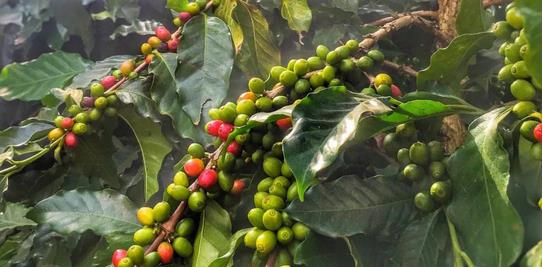
It was also Starbucks that taught local growers why picking fully red cherries matters.
When the FSC first arrived, nobody in the area had heard of Starbucks. The team consisted of three agronomists, and the first training session in Yunnan drew just 25 attendees. Pu'er's winding mountain roads made outreach brutal—some days the team could visit only one or two households. The hardships don't fit in a paragraph.
FSC executive director Tong Yalun told part of this story at the Roastery opening. For five years, he and his agronomists kept shipping sample lots to headquarters, each year waiting like a parent for an acceptance letter—hoping one sample would finally meet Starbucks' core coffee standards.
"My goal is simple: I want to receive good beans. And the farmers' goal is simple too: they want more income," he said.
The effort paid off. Yunnan coffee's achievements in recent years speak for themselves.
Starbucks Yunnan Coffee Timeline
2009
2009 marked the tenth anniversary of Starbucks' arrival in mainland China. To celebrate, the company created the Feng Wu Xiang Yun (Phoenix Dance Auspicious Clouds) blend. The original version included Latin American beans and carried a hint of bright acidity.
2014
In 2014 something quietly changed: Feng Wu Xiang Yun got new packaging, and new origin information—Latin America was gone. It had become a pure Asia-Pacific blend, and the flavor shifted too: the bright acidity faded while the smooth herbal notes grew more refined. Four years of improving Yunnan quality—more prominent flavor, more stable yields—had made it possible.
2016
In 2016, single-origin Yunnan was born! Reading this history today feels like a victory report—step-by-step wins, with all the hardship behind them easy to overlook.
2017
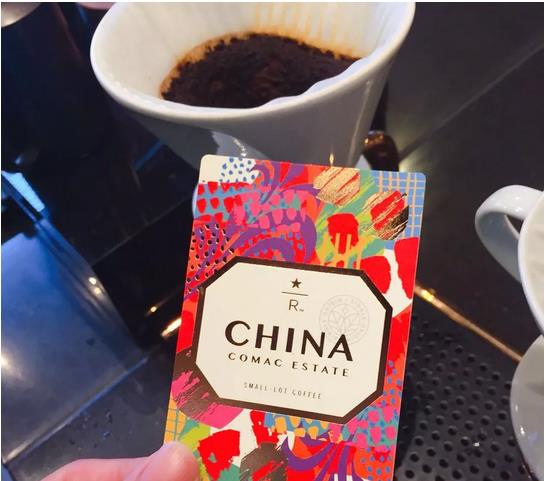
A Reserve coffee from China, roasted at the Starbucks Shanghai Roastery—fewer than 500 bags in total. Unlike earlier releases, these beans were small-batch yellow honey processed. Brewed with care, they offered rich berry and dark chocolate notes over a light floral aroma.
2018
Which brings us to Reserve China · Gaoya Manor.
This Reserve had already been sold at the Seattle Roastery in the United States, where it drew a tremendous response.
Gaoya Manor
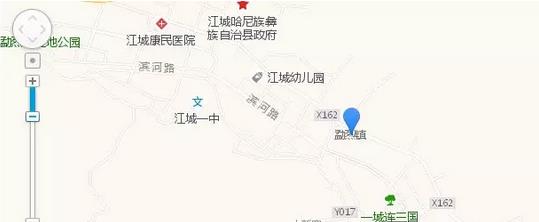
Gaoya Manor (Puer Gaoya Agricultural Development Co., Ltd.) is located in Jiangcheng County, Yunnan. This Reserve took five years of exploration, in close cooperation with the Starbucks Farmer Support Center.
Gaoya switched from its usual fully washed method to a semi-washed process similar to those used in Sumatra and Sulawesi, and dried the beans on African-style raised beds, keeping them off the ground for cleaner, more even drying.
Out of that came a new era for Yunnan coffee.
Coffee Bean Information
Origin: Asia-Pacific · China · Yunnan · Puer · Jiangcheng
Altitude: 1200m
Processing Method: Semi-washed
Acidity: Low Body: Medium
Description: Forest-like notes of fresh herbs, with a chocolate and malt-like aftertaste
Brewing Guide
1. Cupping: Ditting 6.5 setting
Notes: Soft acidity, herbal, mild spices, dark chocolate, maltose
2. Classic pour-over (hot): Ditting 5.5, 30g coffee, 420g water
Notes: Herbal, chocolate, caramel.
3. Six-cup Chemex (hot): Ditting 8.5, 21g coffee, 340g water (55g, 75g, 70g, 70g, 70g), plus a 2g top-up.
Notes: More noticeable acidity, rich herbal character, dark chocolate, maltose, and a long finish.
4. V60 (hot): Ditting 6, 20g coffee, 250g water (120+130), a steady fine stream
Notes: Herbal, spices, chocolate, caramel, smooth mouthfeel.
5. Kalita Wave (iced): Ditting 6, 30g coffee, 220g ice, 200g water, steady fine stream (a touch thicker than a toothpick)
Notes: Soft acidity, herbal, chocolate, with a lingering maltose finish.
FrontStreet Coffee Recommendation
Yunnan coffee has quietly become one of the most interesting origins on any bean list, and FrontStreet carries three very different ways to taste it. "Yunnan small-bean" is simply the local name for arabica—the variety whose fruit is the smallest of the three coffee species. The lineage traces back to 1904, when the French missionary Tian Deneng brought Typica seeds from Vietnam and planted Yunnan's first coffee tree in Zhugula Village, Binchuan County.
- FrontStreet Yunnan Small-Bean (Baoshan, washed): The ideal first taste of Yunnan. Washed and medium roasted to show gentle nut and chocolate sweetness with a light plum acidity and a touch of caramel—an honest expression of the region's terroir at a friendly price.
- FrontStreet 2013 Natural Typica: For clearer Yunnan character, step up to this lot from FrontStreet's own estate, planted in 2013 with Typica—one of the oldest and purest arabica varieties, and the same variety those first missionary trees carried. Natural processed from fully red cherries and roasted medium: dark berry and citrus tones, a whisper of fermented winey note, caramel sweetness, creamy finish, and a black-tea aftertaste.
- FrontStreet Black Cocoa Blend: Yunnan flavor in espresso form. This barista-favorite blend pairs Yunnan small-bean with Brazil Cerrado: Brazil supplies mixed-nut aroma and balance while Yunnan brings chocolate and citrus. The resulting americano balances sweet, sour, and bitter with nut and brown-sugar notes; as a latte it turns silky with almond and cream. Very forgiving for beginners.
Important Notice :
FrontStreet Coffee is a long-established specialty coffee roaster in Guangzhou China, selling freshly roasted beans from its own farm in Yunnan as well as dozens of carefully selected single-origin beans from around the world for both pour-over and espresso. The products deliver consistently excellent quality and great value, with shipping within 24 hours. Guangzhou's FrontStreet Coffee shop is recommended by many coffee lovers, and the beans are now available online at the Tmall 。
FrontStreet Coffee has moved to a new address:
FrontStreet Coffee Address: 315,Donghua East Road,GuangZhou
Tel:020 38364473
 Scan and follow the En Gafei WeChat official account. Please indicate that the reprint comes from "En Gafei".