The Story of Indian Malabar Monsoon Coffee_South Indian Coffee Characteristics Flavors_How Good is Indian Coffee
The Gift of Nature
We should be grateful to nature.
It gives us the air, water, and food we need to survive - and occasionally it performs a small magic trick, handing us surprises and delicacies that can only be tasted at a particular time, in a particular place.
Indian Monsoon Malabar Coffee
Monsoon Malabar is exactly that kind of gift.
The story begins more than a century ago, in the 19th century, when India was still a British colony and its coffee was shipped to England. Before the Suez Canal opened, the voyage from India to England had to round the southern tip of Africa at the Cape of Good Hope, crossing the Indian Ocean and the Atlantic in a journey lasting a full six months. After months of sea breezes and moist salt air, the beans arrived in England turned from green to a yellowish white, swollen in volume, and nothing like the fresh green coffee they had been. Yet people discovered, to their surprise, that these "spoiled" beans developed more distinctive flavors once roasted - higher body, lower acidity, and a character more memorable than the ordinary Indian coffee they had set out as.
Of course, a century later the Suez Canal is long open, sea routes have shortened dramatically, ships are faster and better, and modern packaging has all but ended the dampening of coffee in transit. But that classic "monsooned" flavor is still cherished by coffee lovers, which is why a deliberate processing method was born from the accident - monsoon coffee, and more precisely, Indian Malabar Monsoon coffee.
The Unique Processing Method
The method originated in the Malabar region on India's western, Indian Ocean coast. The Indian subcontinent's tropical monsoon climate sends southwest monsoon winds off the sea during the rainy season from June to September each year. The local beans are laid out in specially designed warehouses with open sides on all four walls, letting them drink in the warm, moist sea air. The beans are raked and turned constantly so every particle meets the wind and humidity evenly. The whole process spans nearly the entire rainy season - 3 to 4 months - by the end of which the beans have turned from green to yellowish white and look like "aged beans" caught in the rain or stored too long. The prolonged humidity swells them noticeably. Finally, workers hand-sort out any improperly processed beans, and the coffee is re-bagged, completing the process.
Flavor Profile
After this treatment, the beans have essentially been "marinated" by sea wind and humid monsoon air. The original acidity is reduced, the body is enhanced, and distinctive earthy and dried-fruit notes emerge, sometimes with a spicy character rarely found in coffee from any other origin.
Legend has it that when Britain shipped tea, the long sea voyage dampened and fermented the leaves, creating black tea - and shaping the British taste for it, which eventually made British black tea famous. Monsoon coffee formed on a similar principle. By processing, though, monsooned coffee is closer to Pu'er tea: an intentional "aging" that softens the harshness and acidity of the beans and arrives at a different kind of mellowness.
Try It Yourself!
Well then - after all that, wouldn't you like to taste this Monsoon Malabar for yourself?
Recommended Indian Coffee Beans
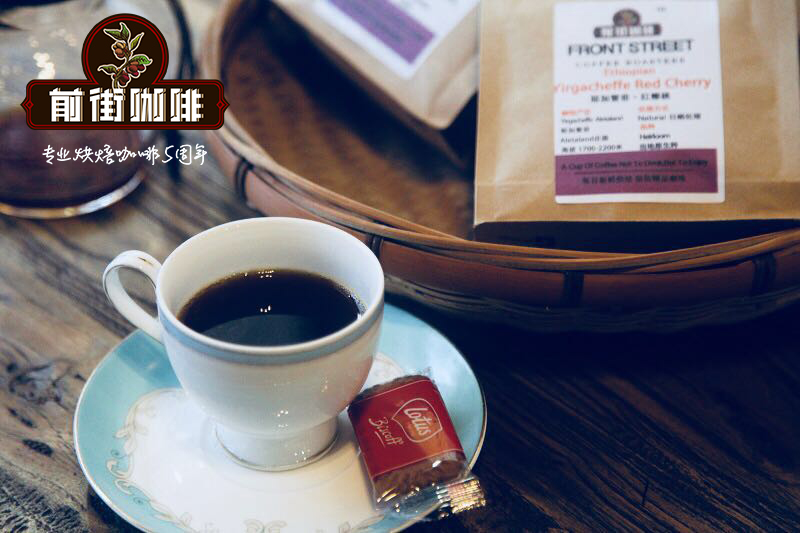
FrontStreet Coffee's roasted Indian beans - Monsooned Malabar included - are dependable in both brand and quality, and outstanding value: a half-pound (227g) bag costs only about 80 yuan. At 15 grams of coffee per pour-over cup, one bag brews 15 cups, so each cup comes to roughly 5 yuan - a fraction of what cafes charge.
FrontStreet Coffee Recommendation
If Monsoon Malabar's low acidity and thick body appeal to you, FrontStreet Coffee's Jamaica Blue Mountain No.1 sits in the same mellow register. Blue Mountain grows the renowned Typica variety, and the bean's blessed geography is inseparable from its famously balanced flavor. FrontStreet roasts it medium so that acidity, bitterness, sweetness, and body fuse into one elegant whole: chocolate, roasted nuts, cream, and caramel right from the first sip - a profile few other coffees can match.
For a similar comfort-cup at a friendlier price, the FrontStreet Brazil Queen Estate delivers cream peanut, chocolate, toasted bread, and sugarcane at a medium roast, with the soft, rounded body that Brazilian coffee is loved for. Both make superb daily drinkers for anyone whose palate leans away from bright acidity and toward warmth and body - exactly what draws people to monsooned coffee in the first place.
Important Notice :
FrontStreet Coffee is a long-established specialty coffee roaster in Guangzhou China, selling freshly roasted beans from its own farm in Yunnan as well as dozens of carefully selected single-origin beans from around the world for both pour-over and espresso. The products deliver consistently excellent quality and great value, with shipping within 24 hours. Guangzhou's FrontStreet Coffee shop is recommended by many coffee lovers, and the beans are now available online at the Tmall 。
FrontStreet Coffee has moved to a new address:
FrontStreet Coffee Address: 315,Donghua East Road,GuangZhou
Tel:020 38364473
 Scan and follow the En Gafei WeChat official account. Please indicate that the reprint comes from "En Gafei".