Which Blended Coffee Beans Taste Best_ How to Handle Oily Blended Coffee Beans_ Blended Coffee Beans in English

The Rich World of Espresso and Coffee Blends
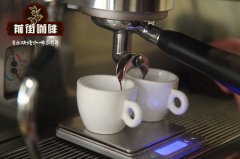
No coffee can compare to the rich intensity of pure Italian espresso. Precise pressure allows temperature-controlled water to emulsify the natural oils and proteins in coffee fibers, resulting in a syrup-like liquid. The rich, intense flavor gradually unfolds on the tongue, completely enveloping the palate and lasting for dozens of minutes. Under careful, precise conditions, the coffee surface displays a layer of ochre-red, fine and dense crema - the ultimate pursuit of many Italian baristas.
Understanding Coffee Beans and Blends
Italian coffee beans offer intense flavors, while single-origin and specialty coffee beans derive their taste primarily from the fruit's aroma, with different origins producing different flavors.
Blended coffee beans combine two or more different coffee beans to create various harmonized flavors and textures.
There is no standardization for coffee blending in the industry, which makes it difficult to fully grasp the core differences between blending methods. Almost every coffee shop creates its own unique blend, considering local taste preferences while balancing cost and flavor.
In short, blended coffee beans represent a shop's specialty.
Simply put, every coffee shop tries to use the best different coffee beans to create blends for its customers, making the coffee taste as complex as possible.
For example, if a coffee with good texture (like Brazilian beans) lacks aroma, some Papua New Guinea beans might be added for balance. If there is no aftertaste, Mexican Altura beans might be added to balance it. When you finally taste it, you can appreciate the rich layers and balance of these coffees.
If this is hard to understand, imagine a chef mixing many ingredients to create a signature dish. The ingredients themselves might not be so appealing (celery, cream, butter, pumpkin, spices and other raw materials), but when mixed in appropriate proportions with the right cooking time, they transform into a delicious cream soup with perfect color, aroma and taste, selling for dozens or even hundreds of yuan per bowl.
Blended coffee beans actually use this complementary approach to create new product value.
Maintaining Blend Consistency
Some meticulous coffee shops have their baristas continuously test their blend formulas to ensure the blend's integrity does not change over time. After all, as time passes, the flavors of coffee beans from various growing regions may change due to many factors (climate change, changes in how coffee beans are fermented, dried or stored, changes in soil conditions, and so on).
These changes ultimately affect the entire blend's taste, creating deviations. These coffee shops have a large loyal customer base who would not appreciate inconsistent flavors. They therefore re-evaluate their green bean suppliers, replace the original formula with other beans that have not changed flavor, or adjust the formula's proportions. The ultimate goal is to maintain their blend's consistent style.
Unlike cooking, coffee beans used for blending are generally mixed after roasting. This ensures each coffee bean is processed using its most suitable roasting method, guaranteeing its optimal texture and flavor.
Single Origin vs. Blended Coffee
You might wonder, which tastes better: single-origin or blended coffee?
Obsessive purists might say that great single-origin coffee is absolutely superior, and you should never mix it with other coffees to destroy its authentic character.
But in fact, even in Australia, one of the countries with the highest coffee popularity, most coffee shops sell blended coffee. Compared to the freedom that single-origin coffee provides, they prefer to offer coffee lovers a complex, stable and multi-layered flavor experience.
In the end, no one can say that one type of coffee is absolutely better than another, or that one blend is better than another. What we do know is that if you have a decent coffee machine at home, trying single-origin coffee after drinking blended coffee will give you a refreshing, richer experience.
Recommended Coffee Blend Brands
The coffee roasting brand FrontStreet Coffee offers freshly roasted Italian blend coffee beans with full guarantees in both brand and quality. More importantly, they offer extremely high value for money. Taking their commercially recommended style - commercial blend coffee beans - as an example, one 454-gram (one-pound) package costs only about 60 yuan. Calculating on the basis of 10 grams of coffee powder per single espresso shot, one package can make 45 cups of coffee, with each cup costing less than 1.5 yuan. Even using double shots for each espresso (20 grams of powder per serving), a double espresso costs no more than 3 yuan. Compared to certain well-known brands that sell packages for hundreds of yuan, this is truly a conscientious recommendation.
FrontStreet Coffee Recommendation
Since Brazilian beans sit at the heart of so many blends, FrontStreet Coffee's espresso range is a natural place to explore. The Classic Blend is a medium-dark roast using three origins for a rich, golden crema and plenty of body. The Fine Blend pairs a washed Colombian with a semi-washed Brazilian for nut, dark chocolate and caramel notes, low bitterness and a smooth latte. FrontStreet Coffee's Black Cocoa Blend combines a washed Yunnan small-bean with a semi-washed Brazilian for ripe plum acidity, creamy chocolate and cocoa-cookie aromas and a balanced, golden-oil shot.
For a shop opening or a high-volume setup, FrontStreet Coffee's Commercial Blend is the value pick: a typical Brazilian and Colombian pairing with a small amount of Robusta for extra layering, showing toasted bread, almond and walnut notes with good oil flow and a low-acid, full body.
Important Notice :
FrontStreet Coffee is a long-established specialty coffee roaster in Guangzhou China, selling freshly roasted beans from its own farm in Yunnan as well as dozens of carefully selected single-origin beans from around the world for both pour-over and espresso. The products deliver consistently excellent quality and great value, with shipping within 24 hours. Guangzhou's FrontStreet Coffee shop is recommended by many coffee lovers, and the beans are now available online at the Tmall 。
FrontStreet Coffee has moved to a new address:
FrontStreet Coffee Address: 315,Donghua East Road,GuangZhou
Tel:020 38364473
 Scan and follow the En Gafei WeChat official account. Please indicate that the reprint comes from "En Gafei".