Starbucks Yunnan Coffee Story: Yunnan Small Bean Coffee Cupping, Pour-Over Flavor Characteristics
In recent years Starbucks China has kept rolling out its Yunnan Reserve line, starting with its first Yunnan Reserve Blend, the Pu'er Baoshan Comprehensive Coffee Bean. That coffee stands for the collaboration between Starbucks China and Yunnan's farmers and for the charm of high-quality Yunnan coffee. Starbucks is far from alone; more and more coffee merchants are turning their attention to Yunnan.
FrontStreet Coffee is one of them. The company established its own coffee plantation in Baoshan, Yunnan, which has given it a clearer sense of how difficult the Yunnan coffee journey has been, and this article looks at that story in detail.
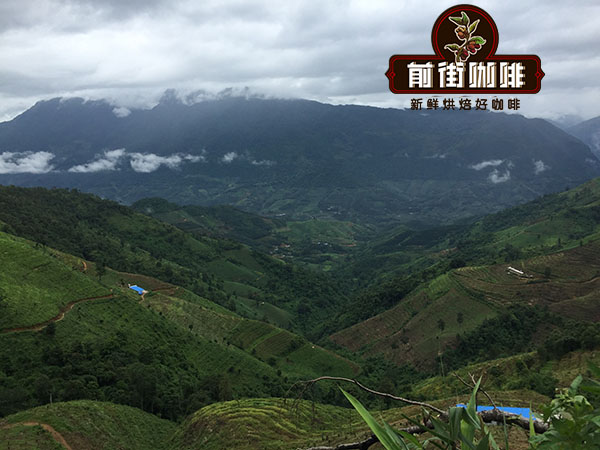
Yunnan's Geographic Advantage
Kenya, Brazil and Guatemala are the producing countries most people have heard of, and all of them sit in the equatorial band between the Tropics of Cancer and Capricorn known as the Coffee Belt. Yunnan falls inside that range as well, and so do Taiwan and Hainan, which is why all three produce coffee.
Yunnan, the Land of Colorful Clouds, is famous for its tea, but it is also a major coffee-growing region. Its coffee area covers 1.8 million acres. The 2015-2016 harvest has ended and preliminary figures put provincial production at 139,000 tons, with cultivation area and output accounting for 99% of China's coffee and 1% of global production. One Starbucks release, the Phoenix Dance Auspicious Cloud Coffee Bean, is made from high-quality Yunnan Arabica.
Yunnan's coffee history is usually traced to 1904, when a French Catholic missionary planted the first coffee tree at Zhukula village in Binchuan county for his own use. Cultivation then spread to Dehong, Baoshan, Lincang and Pu'er, with Baoshan and Pu'er becoming the best known.
How Yunnan Coffee Tastes
From being largely ignored a decade ago to its popularity today, Yunnan coffee reflects real progress. It cannot yet be compared with a top origin such as Colombia, but the quality of the beans has kept improving. FrontStreet Coffee offers several Baoshan lots, among them Huaguoshan Coffee Beans, Sun-dried Catimor, and Yunnan Small Bean Coffee.
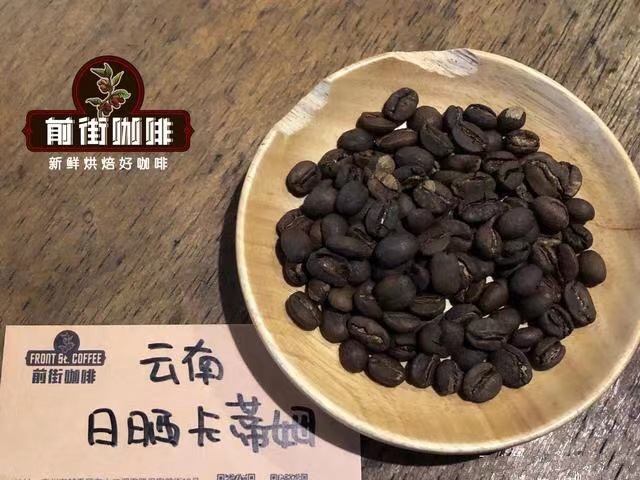
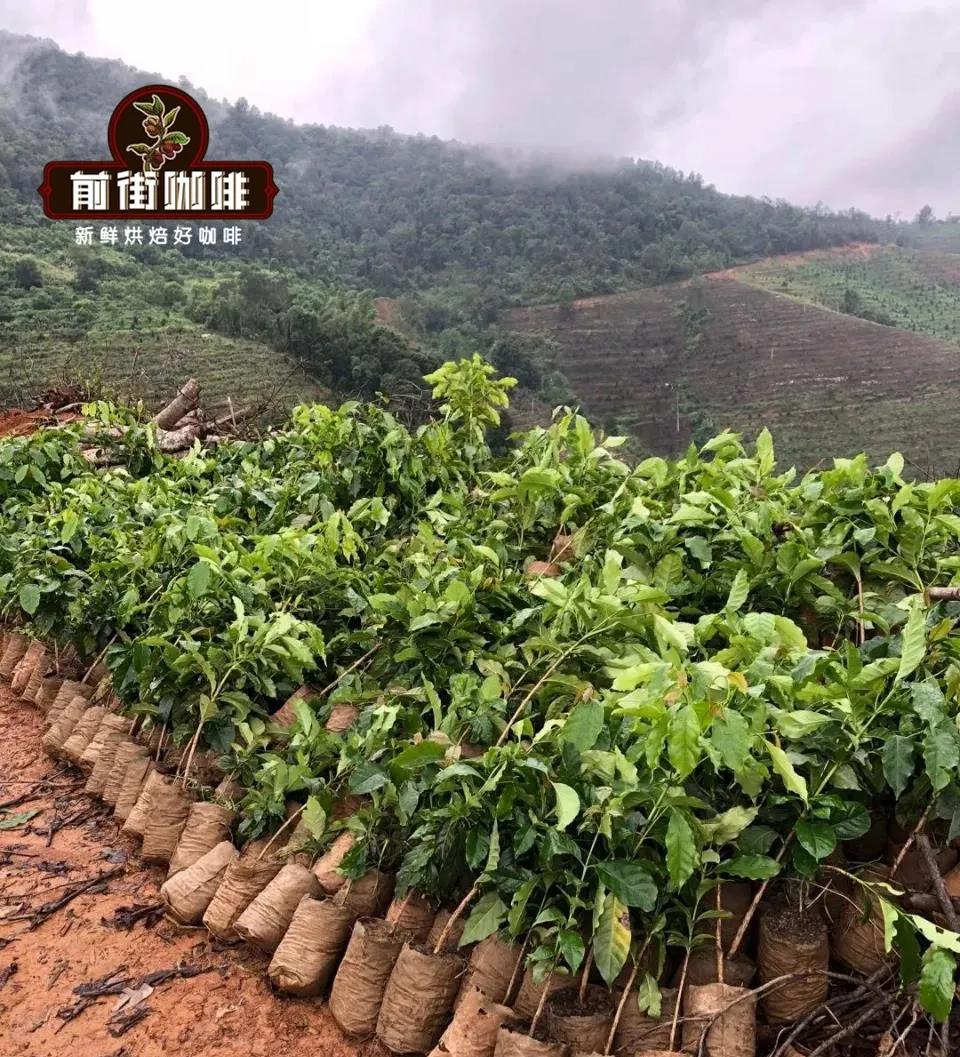
The Sun-dried Catimor and the Yunnan Small Bean are both Catimor, the most common variety in Yunnan. Huaguoshan is different, grown from the Typica variety. Yunnan did not originally plant Catimor at all; it began with Typica and Bourbon. Because Typica resists disease poorly and yields little, farmers who spent years on it could not recover their costs, and when Catimor proved both disease-resistant and high-yielding they switched over en masse. Some areas still grow Typica, and FrontStreet Coffee's own plantation is among them.
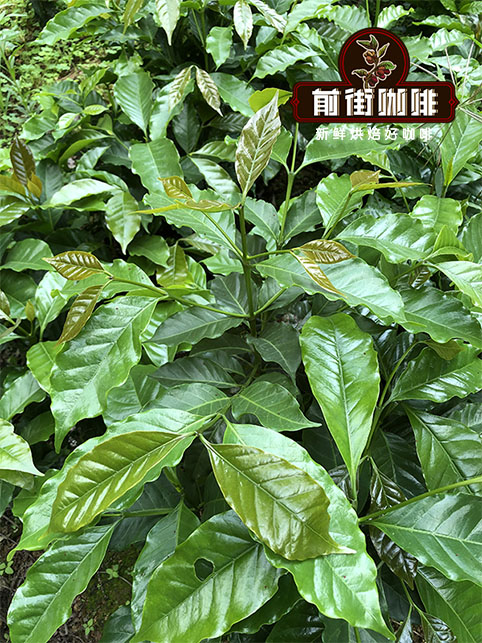
Growing Conditions
Yunnan coffee has gone global, and the film "Go Home" sent many drinkers looking for the legendary Pu'er coffee. Roughly 60% of Yunnan's crop comes from Pu'er, which is the small bean coffee people talk about. Yunnan small bean coffee is rich without bitterness, aromatic without harshness, with a distinctive character that carries a hint of fruit. The plants take 3-4 years to bear fruit.
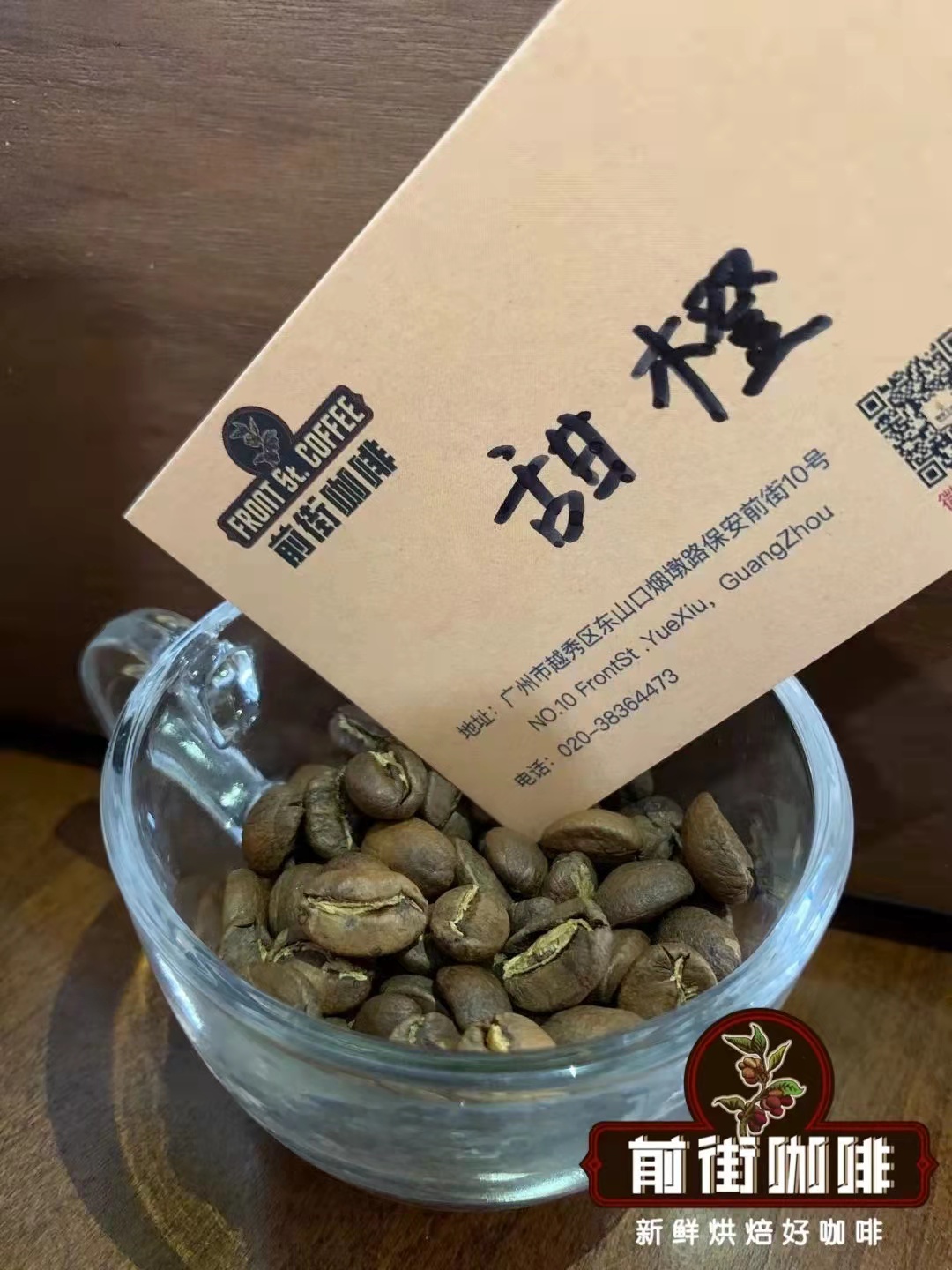
This coffee type is demanding. It needs warmth but does not tolerate direct sun, which is why so many plantations rely on shade trees. The shade trees at FrontStreet Coffee's Honduras Sweet Orange Estate coffee beans are sweet orange trees, and the estate takes its name from them.
Altitude matters as much as climate, and Yunnan's high ground suits coffee well. Its growing areas reach roughly 2,000 meters, where the day-night temperature difference is wide. Vigorous daytime photosynthesis builds sugars, and the cooler nights slow the metabolism and breakdown of those sugars, so plenty of them accumulate.
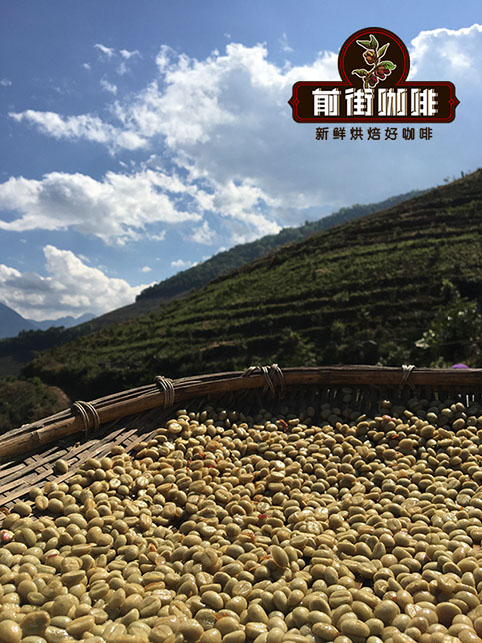
Coffee grown this way ends up very sweet, and the same is true of Yunnan's fruit, which is another reason to try it if you travel there. FrontStreet Coffee has cupped the Yunnan lots it carries. The "Distant Mountain Forest" profile comes across as quite balanced, its base notes of nuts and brown sugar.
Below are FrontStreet Coffee's cupping and brewing notes for two of these coffees.
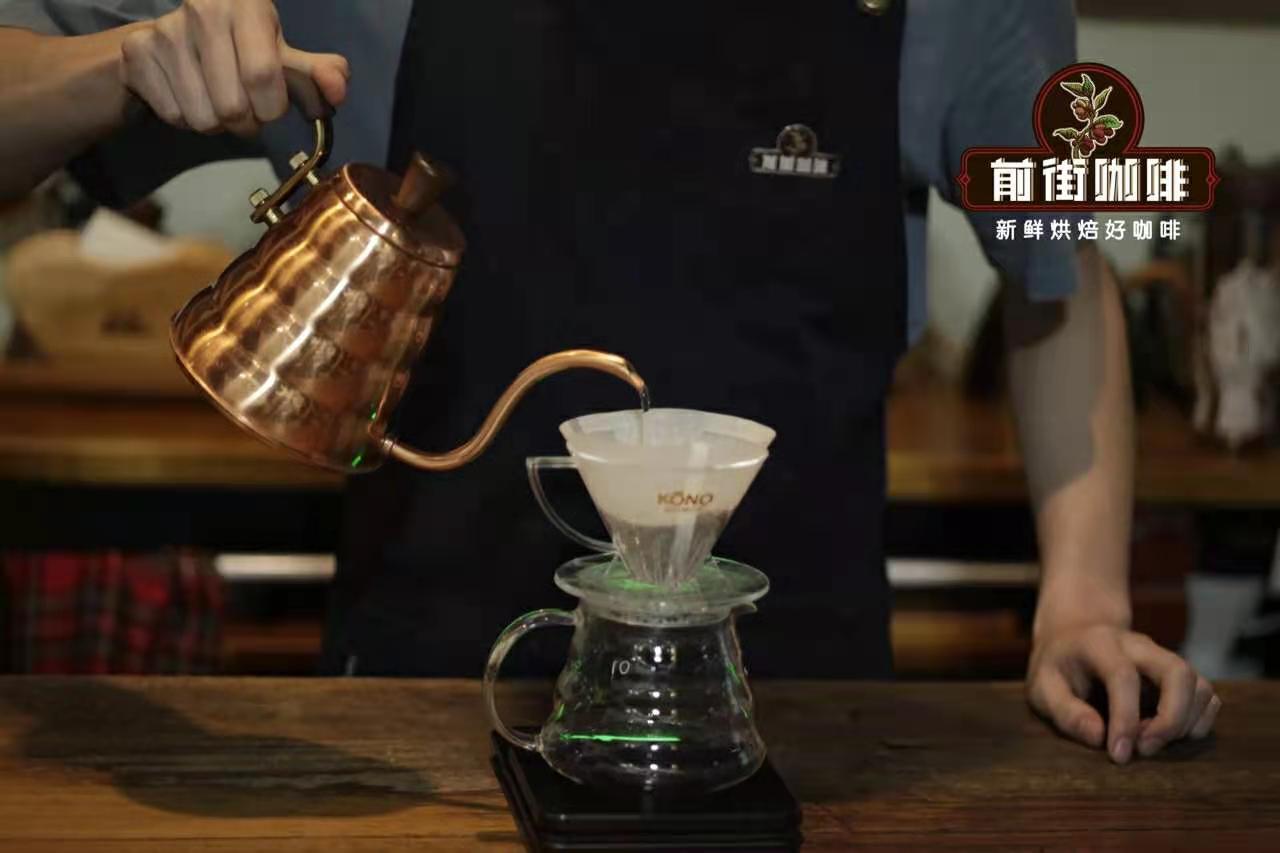
Cupping and Brewing Yunnan Coffee
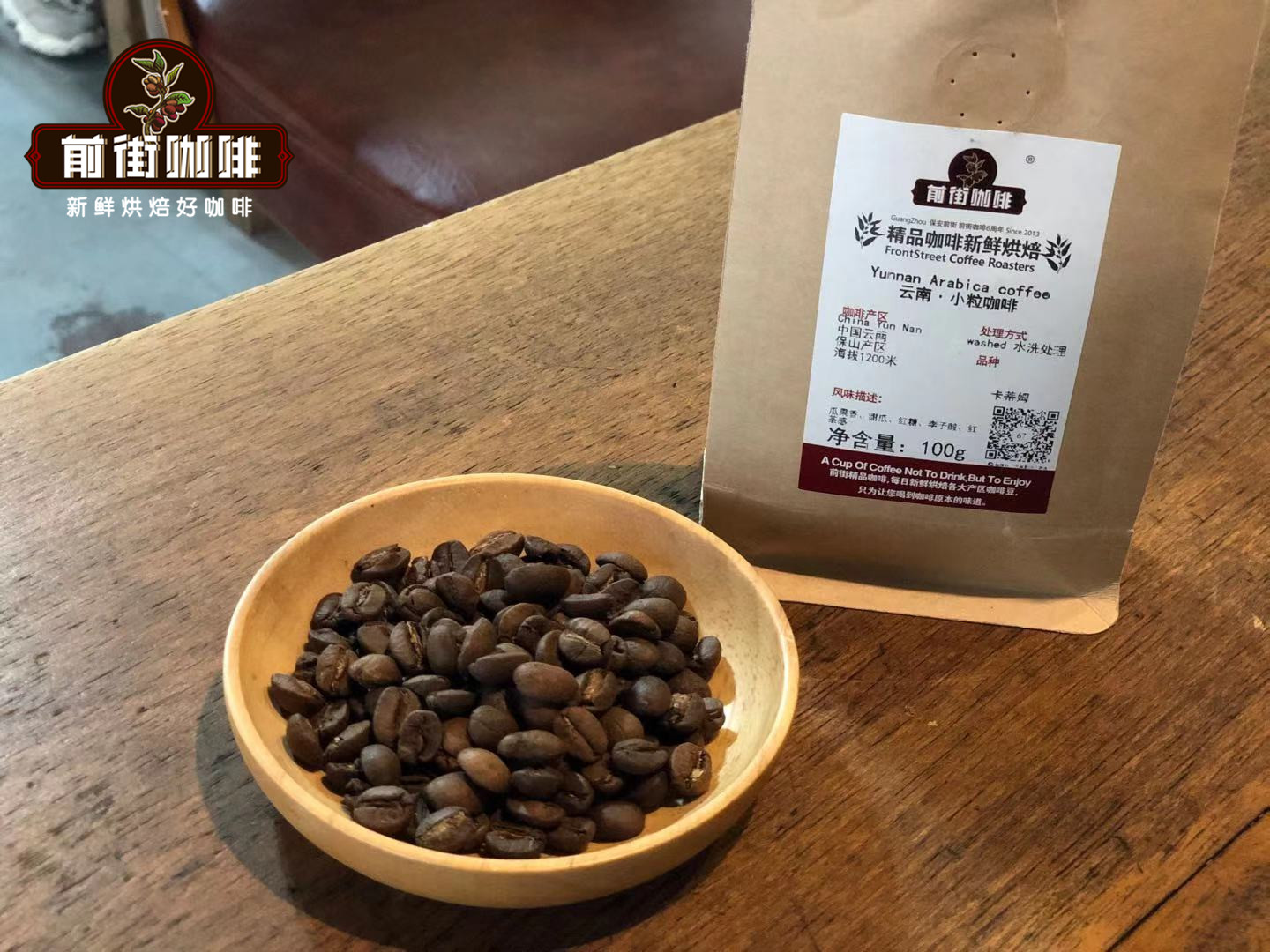
Before listing the Yunnan Small Bean Coffee Beans, FrontStreet Coffee ran cupping sessions. The barista used a standard 200ml cupping bowl with 11.3g of grounds and water at 94 degrees Celsius. Grinding the coffee first to check the dry aroma, FrontStreet Coffee's Yunnan small bean showed a nutty dry fragrance, but on tasting it opened up chocolate, nut and cream flavors with a prominent brown sugar sweetness. The overall mouthfeel was well balanced.

FrontStreet Coffee then brews the cupped beans to confirm their flavor, and recommends a V60 conical dripper. The V60's wide opening and spiral ribs let air escape more easily, improving extraction quality. The body may not be the richest, but the high concentration that draws out Yunnan's fruit acidity and clear aroma is its strength.
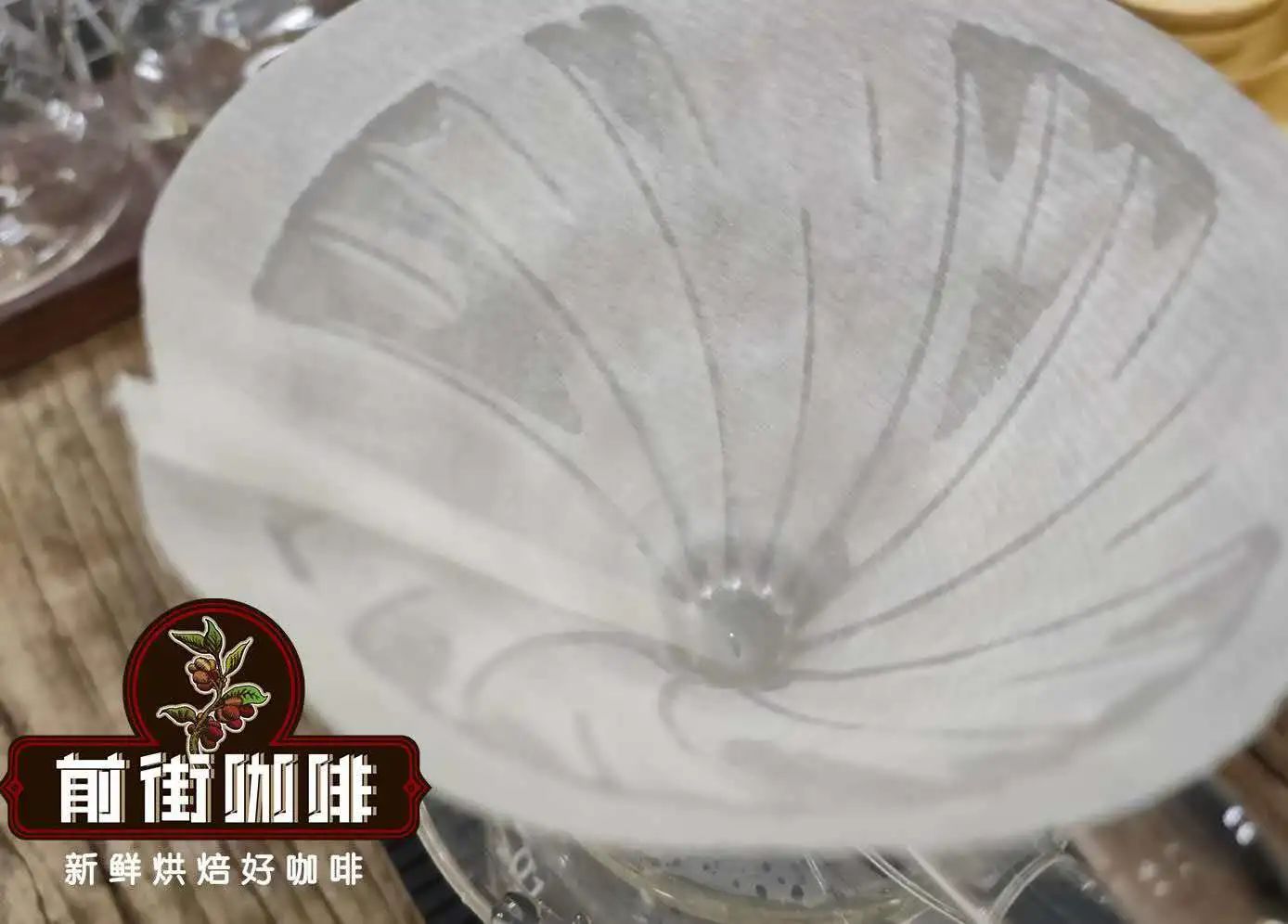
Filter cup: V60
Water temperature: 90-92°C
Coffee-to-water ratio: 1:15
Grind size: medium-fine, about the texture of fine sugar (VARIO 50 at a 57% pass-through rate on the China standard #20 sieve)
FrontStreet Coffee uses staged extraction, beginning with 30g of water for a 30-second bloom. When the water level falls and the coffee bed is about to show, continue pouring in circles to 225g, then stop. Wait for the level to drop and the bed to appear again, then remove the filter cup. Timing starts at the beginning of the bloom, and total extraction takes 2'05".
The brewed small bean coffee has a strong nutty aroma with herbal, chocolate and caramel notes, and the aftertaste carries a subtle fruit acidity.
FrontStreet Coffee Recommendation
Yunnan rewards anyone who wants a clean, approachable Chinese Arabica, and the FrontStreet Coffee line covers it from entry level upward. FrontStreet Yunnan Small Bean comes from Baoshan and is washed and medium-roasted, giving a soft nut-and-chocolate sweetness with a light plum acidity; it is the coffee that introduces many drinkers to Yunnan in the first place. A step further along is FrontStreet 2013 Sun-dried Typica, grown on FrontStreet's own estate from trees planted in 2013. Typica is one of the oldest and purest Arabica varieties, and here it is dried naturally in the traditional way, then medium-roasted for balance, so the cup shows dark berry notes with caramel sweetness, chocolate and a hint of dried apricot, finishing on black tea.
If you want Yunnan flavor in espresso form, FrontStreet Black Cocoa Blend pairs Yunnan small bean with Brazil Cerrado. Brazil supplies the mixed-nut aroma and the even, balanced body, while the Yunnan portion takes on the chocolate and citrus role, so an Americano lands in balance across sweet, acidic and bitter with a nut-and-brown-sugar undertone, and a latte turns silky with almond and cream.
For brewing, follow the same approach FrontStreet Coffee used at the cupping table. Keep the water at 90-92°C, hold the ratio at 1:15 and grind to a medium-fine setting, closer to fine sugar than to sand. Start with a 30g pour and let it bloom for 30 seconds, then pour in circles to 225g and stop, waiting for the bed to surface again before you pull the dripper. A total of about 2'05" keeps the nut, chocolate and brown sugar notes clean and lets the fruit acidity show in the aftertaste.
Important Notice :
FrontStreet Coffee is a long-established specialty coffee roaster in Guangzhou China, selling freshly roasted beans from its own farm in Yunnan as well as dozens of carefully selected single-origin beans from around the world for both pour-over and espresso. The products deliver consistently excellent quality and great value, with shipping within 24 hours. Guangzhou's FrontStreet Coffee shop is recommended by many coffee lovers, and the beans are now available online at the Tmall 。
FrontStreet Coffee has moved to a new address:
FrontStreet Coffee Address: 315,Donghua East Road,GuangZhou
Tel:020 38364473
 Scan and follow the En Gafei WeChat official account. Please indicate that the reprint comes from "En Gafei".