What are the Best Commercial Coffee Bean Brands? How to Choose Commercial Coffee Beans & Commercial Coffee Bean Brand Recommendations
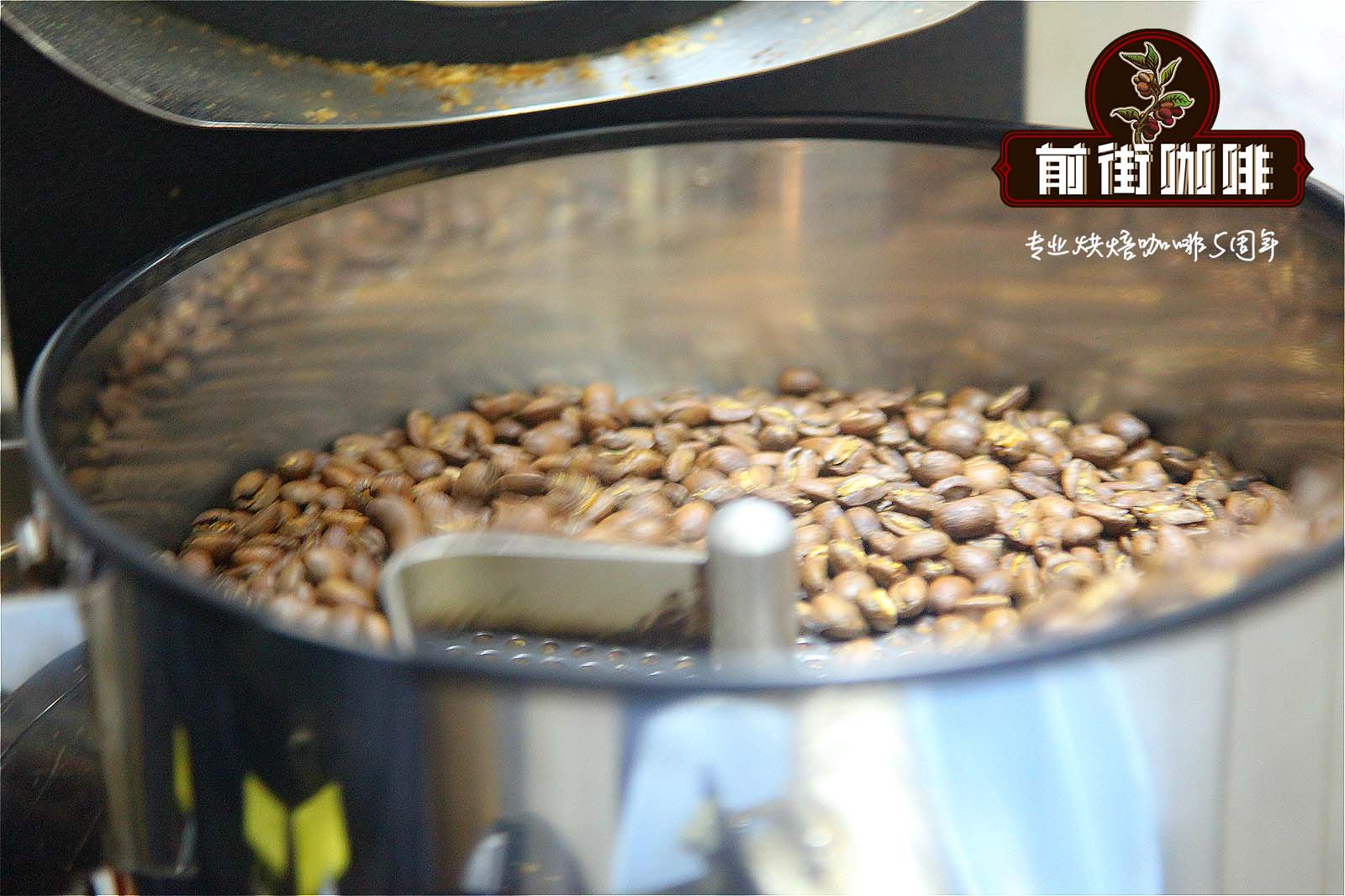
For professional coffee knowledge exchange and more information on coffee beans, follow Coffee Workshop for regular updates.
How to Choose Suitable Commercial Coffee Beans
A good cup of coffee has rich layers and distinct flavors. So how do you choose suitable commercial coffee beans? Technique matters quite a bit too.
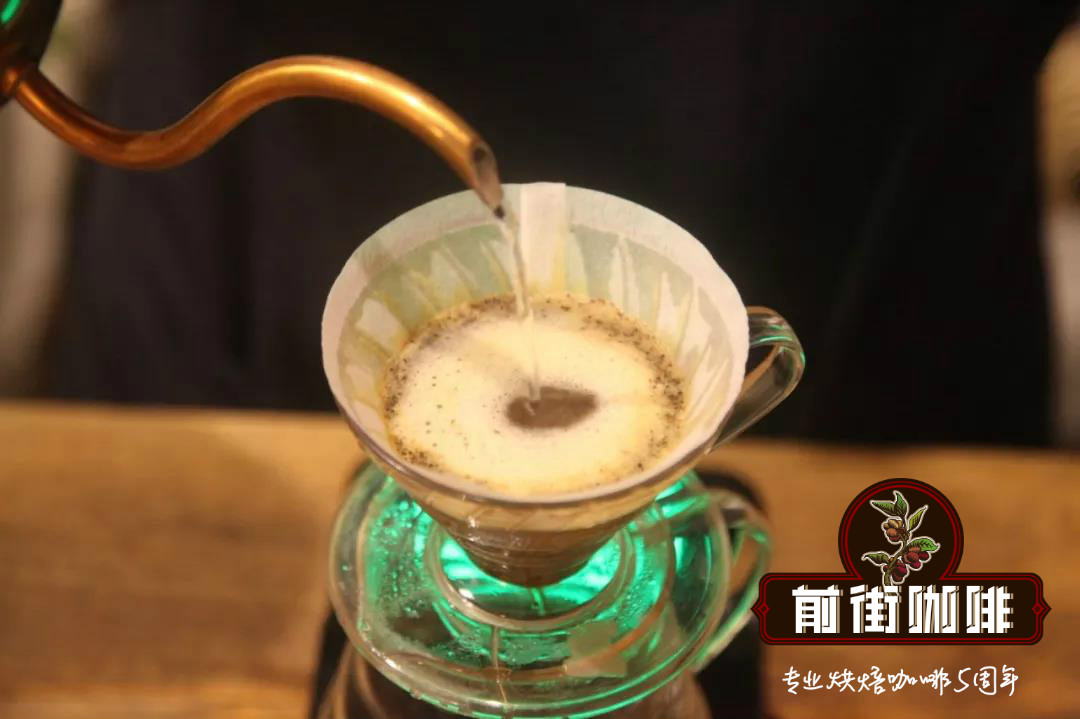
1. What Type of Coffee Equipment Do You Use?
You should tell the seller this so they can recommend beans suited to you. Sharing usage experiences with the seller can also lead to unexpected gains.
2. Understand the Flavors of Different Beans Before Buying
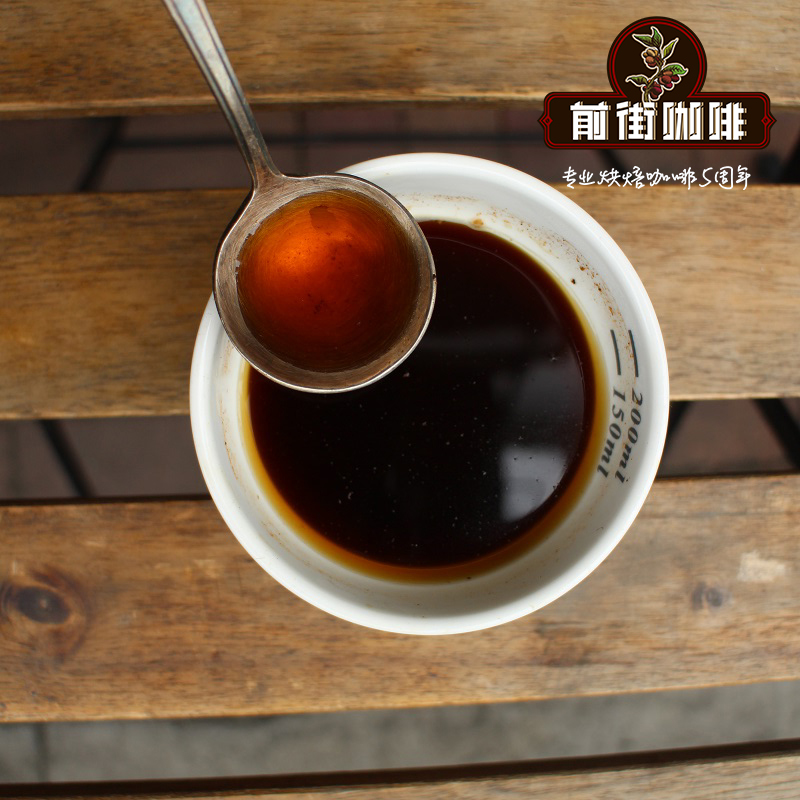
Although beans have obvious regional characteristics, a roaster may adjust during roasting according to their own understanding of coffee taste, producing wide variation even from the same coffee. Understanding bean flavors in advance can help you see why the same coffee bought from different places tastes different.
3. Your Preferred Coffee Taste
Tell the seller what flavors you like - more bitter and fragrant, for example, or a little more acidic. That way the seller can recommend the best coffee for your description.
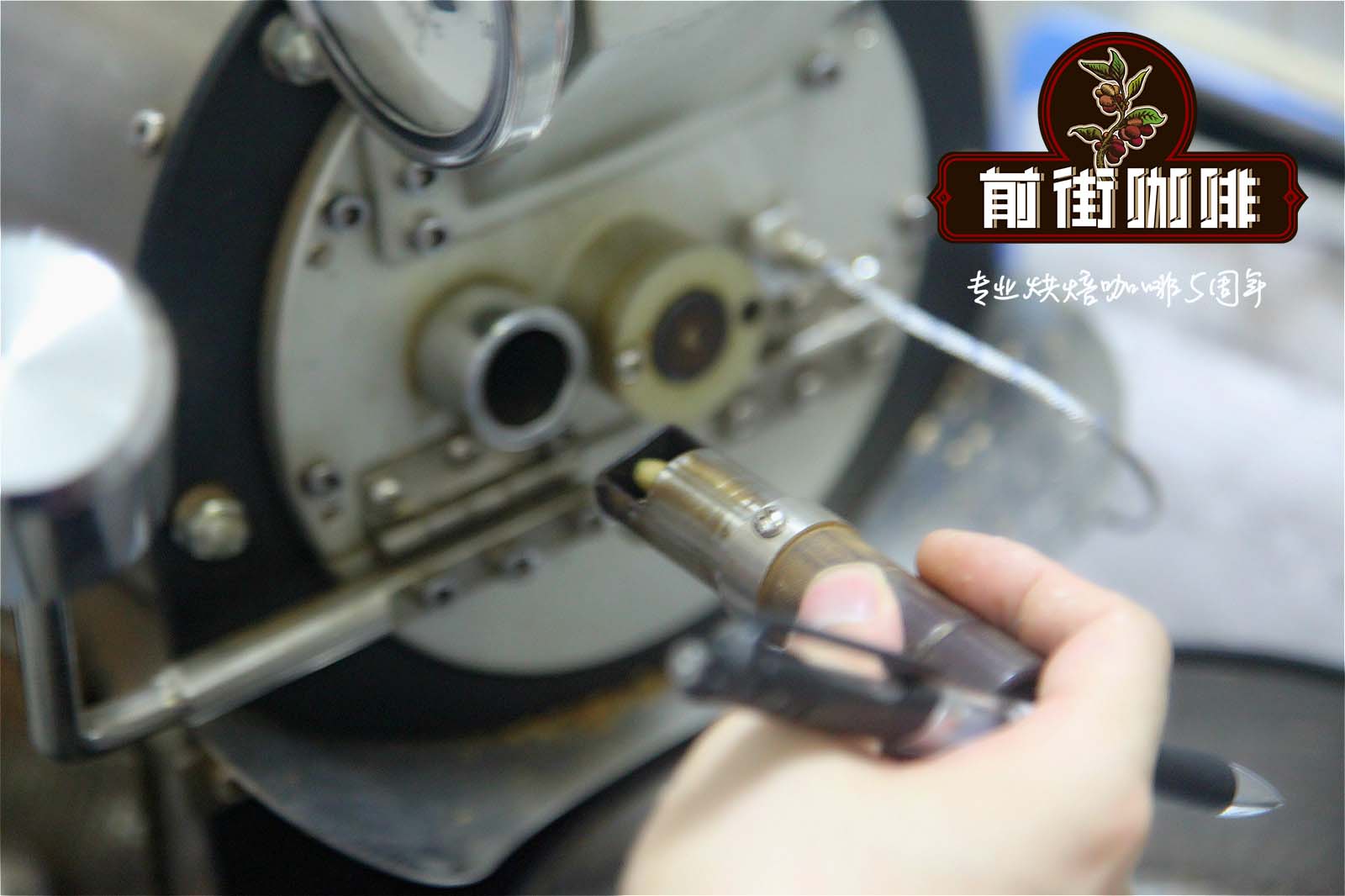
4. Learn to Ask About the Roasting Date
The quality of coffee does not depend on its price but on its freshness. Peanuts oxidize and break down to produce aflatoxin, a harmful substance. Coffee is worse, breaking down to produce many times more aflatoxin than peanuts. The indicator of coffee freshness is the roasting date. It is best to buy beans within two weeks of roasting, since different coffees and roast levels have different optimal drinking windows. Medium-dark roasts, with their heavier smoky and fiery flavors, are best after seven days of roasting and at their best two weeks later; light roasts can be drunk two to three days after roasting and reach their optimal flavor one week later, letting you taste how the beans change. Both are best finished within one month.
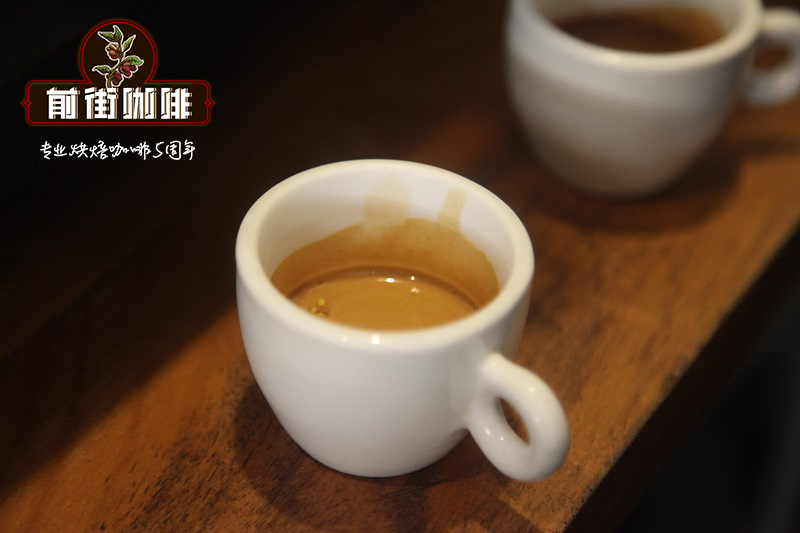
Many people say the coffee tastes great on site but poor when brewed at home. Several things affect the result: first, the particle uniformity of home grinders differs from commercial grinders, especially between manual and electric grinders - manual grinders cannot match the uniformity and fineness of electric ones; second, some coffee shops use water of better quality than home water; third is equipment - espresso machines at different price points have different pressure and stability, all of which affect the result, and for pour-over the material of the dripper and kettle, and so on, all have an impact.
5. Try to Buy Whole Coffee Beans
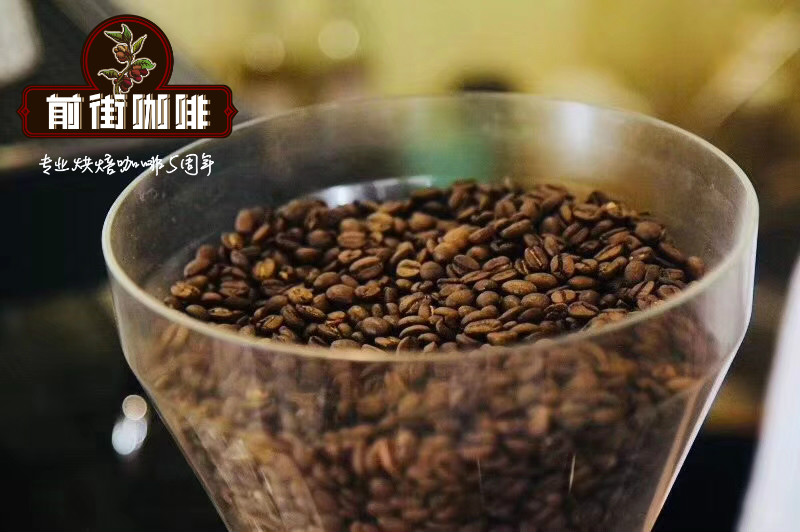
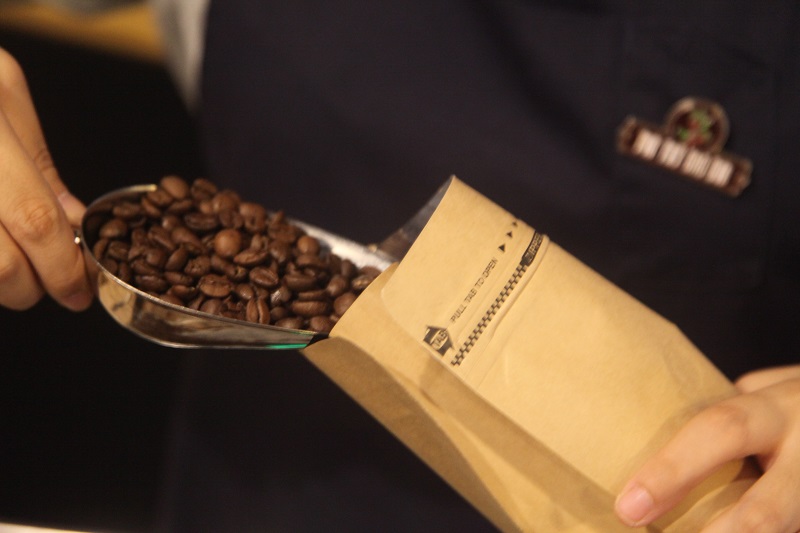
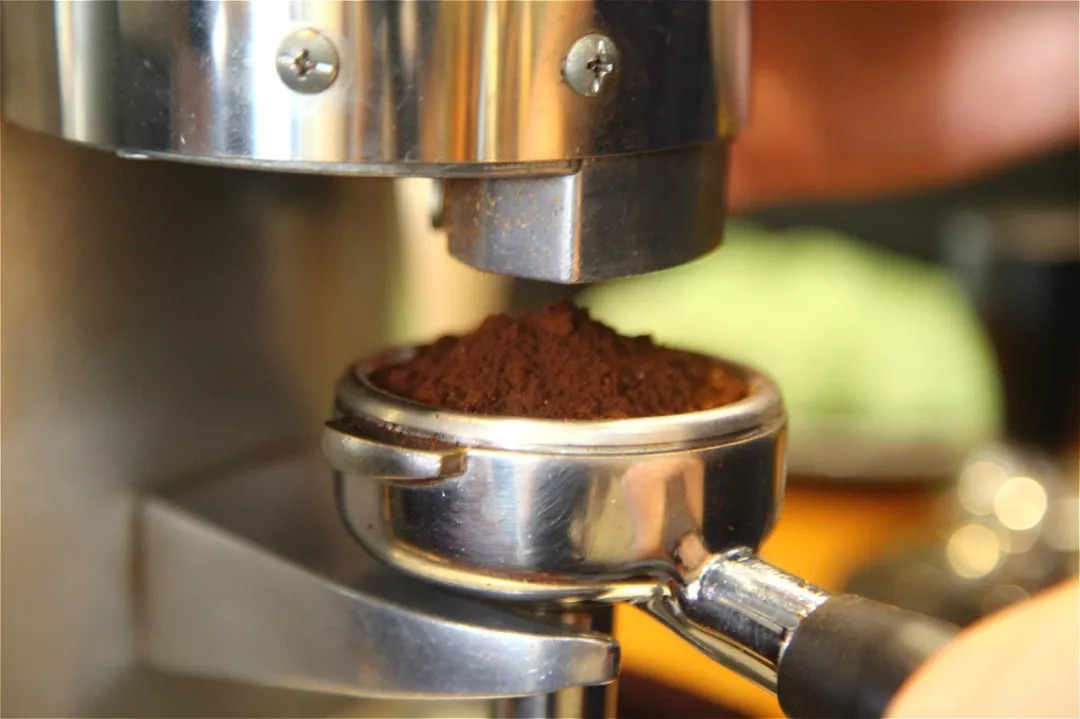
Basically, sellers provide free grinding, meaning they will grind whole beans into coffee powder for customers at no charge. If you want to enjoy the full aroma of a cup, it is best to buy whole beans.
Commercial Coffee Bean Brand Recommendations
FrontStreet Coffee's roasted single-origin and espresso commercial beans - Yirgacheffe, Kenya AA, Panama Butterfly, and more - offer full guarantees in both brand and quality and suit brewing with all kinds of equipment. Just as important, the value is exceptional: a half-pound (227g) package costs only about 80-90 yuan. At 15 grams per pour-over, one package makes 15 cups, so each single-origin cup costs only about 6 yuan. Against normal cafe prices of thirty to forty yuan per cup, that is extremely cost-effective.
Blended Coffee
Blended coffee, also called mixed coffee, is the combining of various single-origin beans to make the most of each one's strengths. Blended beans come from different origins to create a more balanced taste. If one bean is smooth but lacks aroma, for example, a more aromatic bean can be added, letting each coffee cover the other's weakness so they complement or reinforce each other and create a coffee with richer, new flavors. Sometimes the beans are blended first and then roasted, called raw blending; sometimes they are blended after roasting, called roasted blending.
Commercial Blend:
Colombia : Brazil : Robusta, ratio 3:6:1, raw blended.
Medium-dark roasted together.
Robusta beans have strong resistance to disease and pests and high yields. They are usually less acidic than Arabica and often carry a slight woody aroma. Their caffeine content is 2.2%, higher than Arabica's 1.2%, and their chlorogenic acid content is also higher, making them quite bitter. They are usually used in commercial beans and are cheaper than Arabica.
In terms of flavor from individual beans, commercial beans taste far inferior to specialty beans, which is why they are generally chosen for blending. Well blended, they can still produce coffee with excellent taste, suitable for lattes, cappuccinos, and other espresso drinks. Our commercial blend for espresso, because it contains Robusta, has richer crema and a classic taste with caramel sweetness, nutty and cocoa-like notes, and dark chocolate flavors, balanced sweet and sour with a slight bitterness and a long-lasting aftertaste.
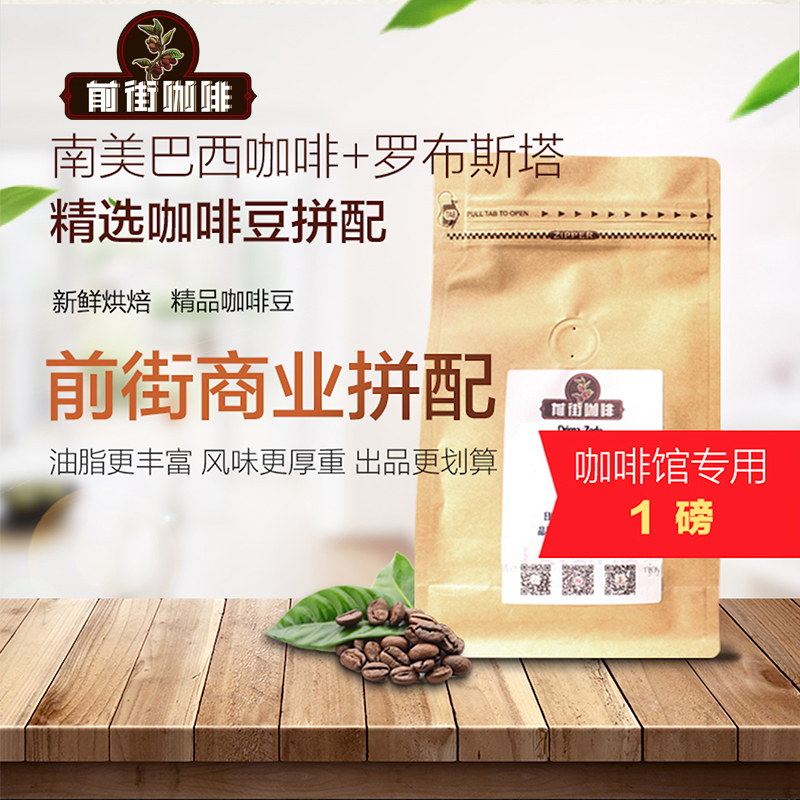
FrontStreet Coffee's commercial beans are available through its online shop along with its full single-origin range.
FrontStreet Coffee is a Guangzhou roastery with a small storefront but a wide variety of beans, where you can find both famous and lesser-known coffees, along with online shop service.
FrontStreet Coffee Recommendation
If you are weighing medium roasts for a balanced cup, FrontStreet has a range worth considering. A medium roast is the sweet spot for balance: the darker the roast, the more bitter and full-bodied the coffee; the lighter the roast, the more acidic and lighter it becomes. Among the medium-roast options, FrontStreet Brazil Queen's Estate is grown in Brazil, the world's largest coffee producer, and is a distinctive yellow Bourbon; medium roasted, it shows creamy peanut, chocolate, baked bread, and sugarcane aromas and sweetness, working in a pour-over, a moka pot, or an espresso machine.
For a sweeter, fruit-forward medium roast, FrontStreet Strawberry Candy is the first choice. It is a Geisha blend of honey-processed Costa Rican coffee and washed Panamanian Geisha, medium roasted to bring out both orange-blossom honey and a rounded sweetness, suitable for cold brew, pour-over, and espresso.
For a balanced, gentle daily cup at a fair price, FrontStreet Yunnan 2013 Sun-Dried Typica carries authentic Yunnan small-bean character, medium roasted for soft nut, brown sugar, black tea, and dried apricot notes across pour-over, cold brew, and drip machines. And FrontStreet Jamaica Blue Mountain No. 1, a Typica from Jamaica, is medium roasted so its acidity, bitterness, sweetness, and body merge into an elegant whole, with immediate chocolate, roasted nut, cream, and caramel flavors.
Important Notice :
FrontStreet Coffee is a long-established specialty coffee roaster in Guangzhou China, selling freshly roasted beans from its own farm in Yunnan as well as dozens of carefully selected single-origin beans from around the world for both pour-over and espresso. The products deliver consistently excellent quality and great value, with shipping within 24 hours. Guangzhou's FrontStreet Coffee shop is recommended by many coffee lovers, and the beans are now available online at the Tmall 。
FrontStreet Coffee has moved to a new address:
FrontStreet Coffee Address: 315,Donghua East Road,GuangZhou
Tel:020 38364473
 Scan and follow the En Gafei WeChat official account. Please indicate that the reprint comes from "En Gafei".