Mandheling Pour Over: Flavor Differences Between Golden Mandheling, Lintong Mandheling, and Aged Mandheling Coffee Beans

Sumatra Coffee - FrontStreet Coffee's Mandheling
Altitude: 750-1500 meters
Processing Method: Wet-hulled
Flavor Description: Very rich flavor, mild acidity, aromatic, bitter, and full-bodied, with a hint of sweetness and a chocolate aftertaste.
Indonesia's main coffee-producing islands are Sumatra, Java, and Sulawesi — and of them all, the "Mandheling" of Sumatra is the most famous.

Mandheling — also known simply as "Sumatra Coffee" — comes from two northern areas: around Lake Tawar (sold as Aceh coffee or Tawar Lake coffee) and the Lintong and Lake Toba regions (sold as Mandheling).
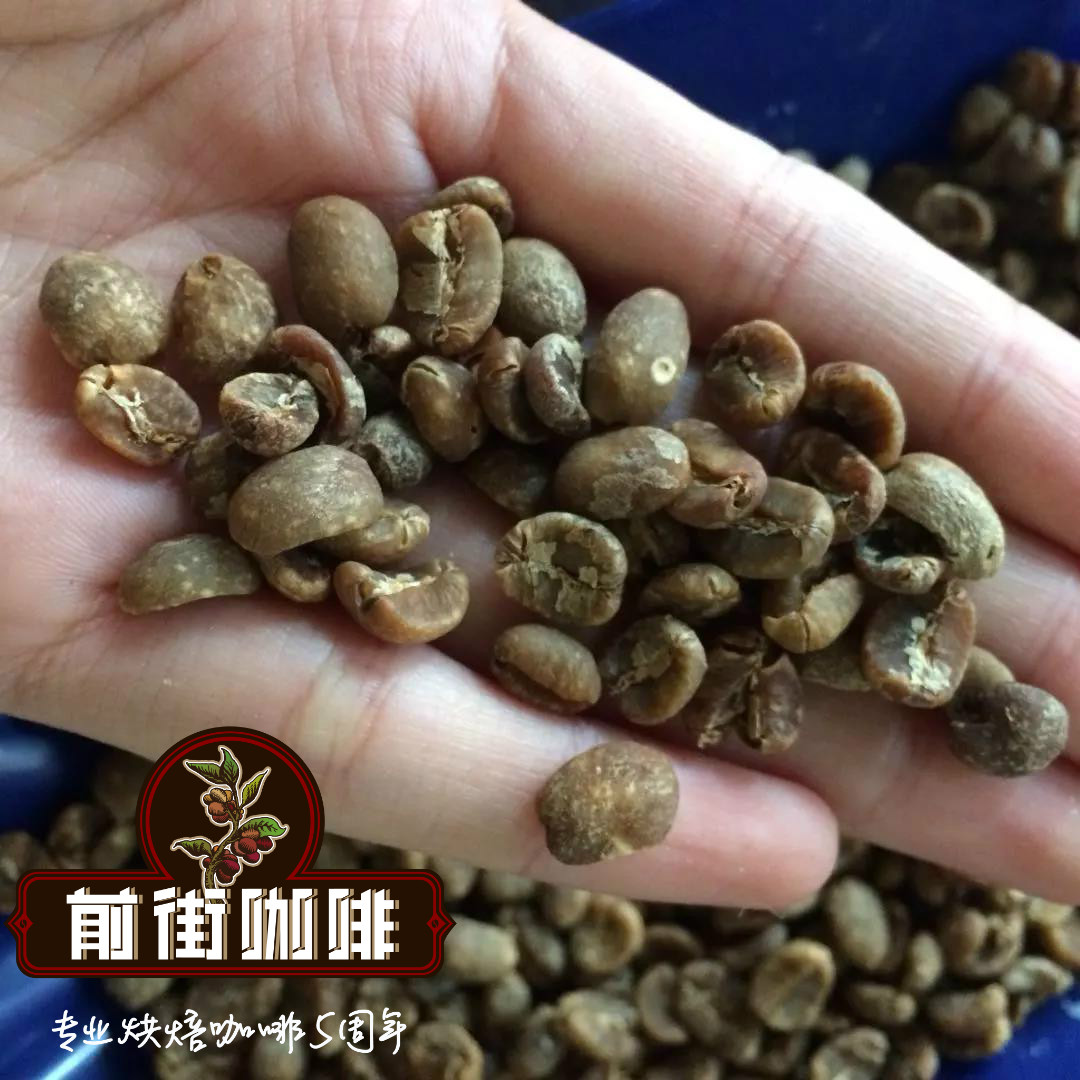
It is a bold coffee: heavy-bodied, vibrant, and lively, neither astringent nor sharply acidic, expressing itself through body and bitterness. By appearances, Mandheling beans may be the ugliest in the coffee world — but enthusiasts will tell you the uglier the Sumatra bean, the better, mellower, and smoother it tastes.
Grown in Sumatra, Indonesia, this coffee is intensely rich, aromatic, bitter-sweet, and full-bodied. Most drinkers take it as single origin, but it is also indispensable in blends: because the beans have virtually no acidity, they make an ideal base when a brew must hold heat for a long time or be served iced — no unpleasant astringency or sourness develops. Roasted beans are large; raw beans show brown to dark green, with a special caramel-like fragrance and a rich aromatic taste.
Sumatra Province
Sumatra's best coffee comes from two places: the Central Aceh region near Lake Tawar in the north, and the mountains surrounding Lake Toba in the south. With so many smallholder farmers, a unique semi-washed (wet-hulled) processing method, and iron-poor soil, the region's beans take on a distinctive bluish tint in the raw green stage.
*Mandheling:
The name refers to semi-dry or dry-processed beans from the Lintong mountain area (900-1200 meters above sea level) on the southwest shore of Lake Toba in north-central Sumatra, farmed mainly by the Batak people. The beans were once hailed as the fullest-formed coffee in the world. "Mandheling" is a trademark applied to Arabica coffee from North Sumatra, deriving from the Mandailing people of the Tapanuli region in northwest Sumatra. The coffee is unmistakably herbal, with woody, incense-like flavors.

*Lintong Growing Region:
Lintong Mandheling grows at 1200-1500 meters and is the most famous coffee of the Lake Toba region on North Sumatra. And a warning for anyone shopping for the golden stuff: not every golden-colored Mandheling is true Golden Mandheling.
Genuine Golden Mandheling comes from the Lintong region of northern Sumatra. Harvesting is limited to fully manual, single-cherry picking of ripe fruit to secure quality from the start. The cherries are processed by the semi-washed method, naturally sun-dried, then hulled and dried again, given two rounds of green-bean cleaning, and four rounds of hand-picking — a strictly selected, top-grade Mandheling in other words. The "PWN" mark on Golden Mandheling is the abbreviation of Indonesia's Pwani company, whose Golden Mandheling is a registered Indonesian brand.
The Difference Between Mandheling and Golden Mandheling:
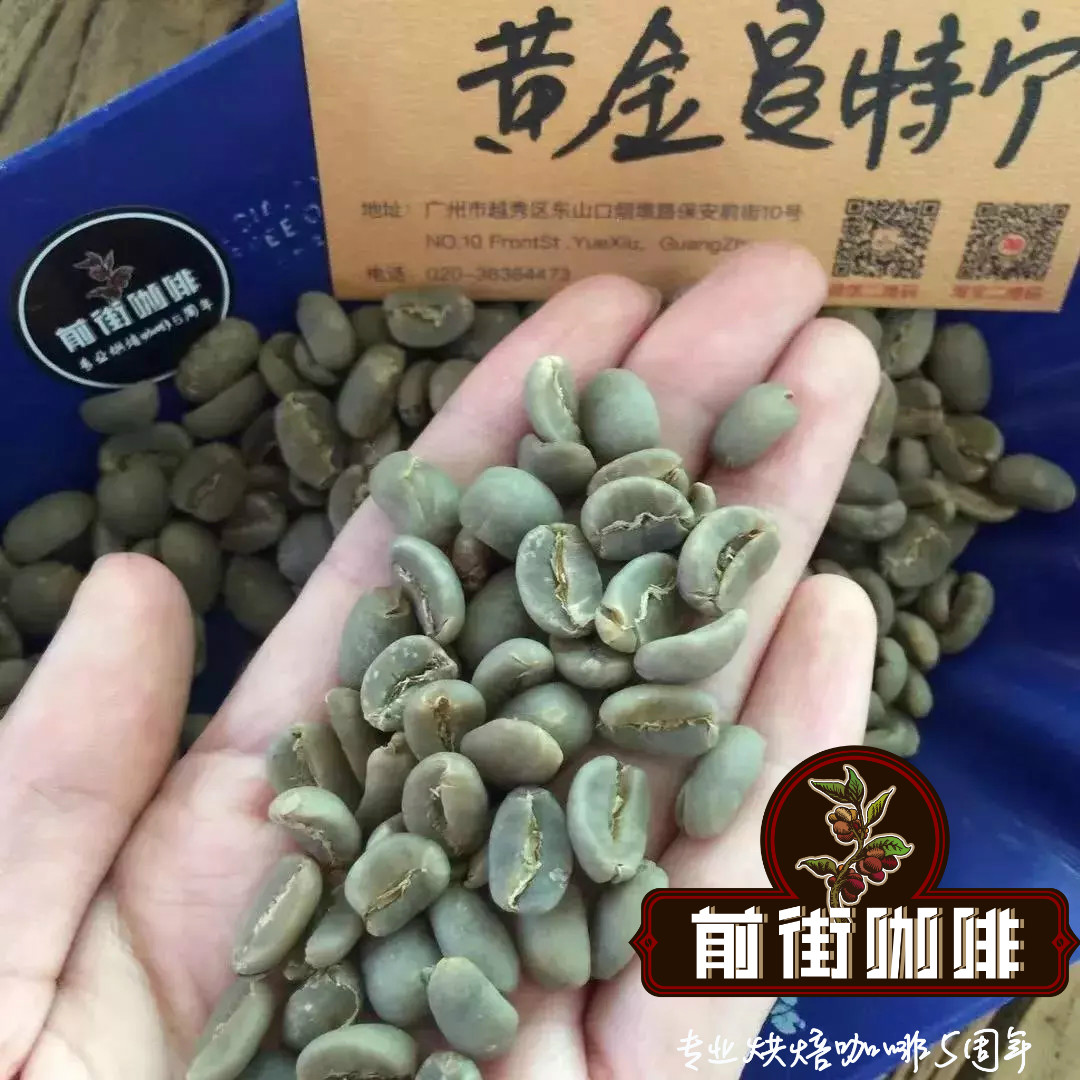
Coffee beginners often ask: what's the actual difference between Golden Mandheling and Mandheling G1? For a trained palate, tasting the two side by side makes the contrast obvious — the Golden's sweetness and cleanliness, body, and wild spice notes all edge out the G1, which is one reason it costs much more.
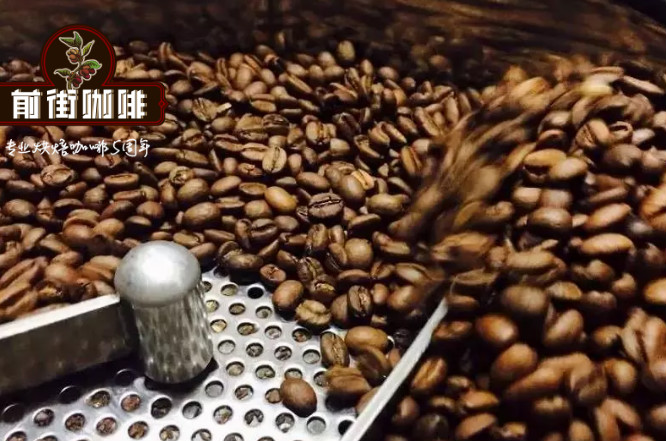
Sorting Mandheling bean by bean is, I think, absolutely necessary. Its defect rate is high, and its looks make things worse — sometimes good beans look like defects. Every time I sort Mandheling I pull out a handful of "defective" beans, then look back and decide they can't really be called defective at all; they're just astonishingly unattractive. Roasted, though, Mandheling is a caterpillar turned butterfly — the roasted beans swell full and genuinely pleasing to the eye.
Golden Mandheling runs a defect rate of just 2% and is beautiful.

What kind of bean is Aged Golden Mandheling?
Aged coffee has deep roots in Indonesia. In the era before fast shipping, transporting coffee out of Indonesia took considerable time, and the moisture-rich fresh beans slowly dried en route — with sea air working on them, developing a most peculiar flavor. Modern shipping collapsed transport times, so that flavor now has to be made deliberately: aged beans are a specially processed product.
Aging is a craft of constant vigilance. Warehouse humidity and temperature must meet set standards, and the beans must be turned periodically to prevent moisture differences between top and bottom — or mold, which would ruin the lot entirely. Aging isn't about losing flavor; it's about creating another one — a pleasant one.
FrontStreet Coffee Recommends AeroPress Brewing Method:
1. Water Temperature: 85°C
2. Grind Size: Fuji grinder setting 3.5
3. Roast Level: Medium-dark roast
4. Steeping Time: 2 stages — first 20 seconds, second 50 seconds

Specific Technique: Set up for an inverted AeroPress press. Use 20g of coffee at a water-to-coffee ratio of 1:17. Pour 83°C hot water up to 100g, stir 3-5 times to wet all the grounds, and let it sit 20 seconds; add the remaining hot water up to 240g, let it sit 40 seconds, stir for 5 seconds, then cap and press at 1 minute 50 seconds. Total time: 2 minutes 5 seconds.
Flavor: Rich, complex, prominent spice notes, fresh woody fragrance
FrontStreet Coffee Recommendation
Wet-hulling is what binds all three of these beans together — Golden, Lintong, and Aged — and it was born of Sumatra's impossible climate. Indonesia's humidity sits between 70-90% year-round, storms are frequent, and rainfall can exceed 2000mm, so the African approach of sun-drying cherries for 2-3 weeks was never workable, and full washed processing costs more water and labor than smallholders could shoulder. Instead, farmers pulp the cherries and give them a quick wash, then — while the beans are still half-dry — strip the parchment off mechanically, exposing the green bean directly to the air to accelerate drying. The trade-off is that the exposed beans absorb airborne fungi and microbes, spawning Mandheling's one-of-a-kind wild flavor: heavy, earthy, herbal, intense. To taste that classic profile, FrontStreet Coffee's Lin Dong Mandheling and PWN Golden Mandheling — from the Lintong and Aceh regions respectively, both roasted medium-dark — present dark chocolate and caramel alongside Mandheling's untamed herbal character. The PWN Golden is the pinnacle: PWN buys only top-grade green coffee, and its beans pass one machine sort plus hand sorting to a low defect rate, yielding plump, uniform, luminous beans that after medium-dark roasting show abundant roast aromas and a black coffee of clean sweetness and full, velvety body — ideal for anyone who avoids acidic coffee. Brew it as FrontStreet does: 87-88°C water, 15 grams of coffee, 1:15 ratio, coarse-sugar grind, three-stage pouring — 30ml to bloom and degas, 100ml to lift the bed and draw out the golden crema, then a gentle 95ml center pour to raise sweetness — for a thick-bodied cup of caramel sweetness with chocolate and nuts.
Important Notice :
FrontStreet Coffee is a long-established specialty coffee roaster in Guangzhou China, selling freshly roasted beans from its own farm in Yunnan as well as dozens of carefully selected single-origin beans from around the world for both pour-over and espresso. The products deliver consistently excellent quality and great value, with shipping within 24 hours. Guangzhou's FrontStreet Coffee shop is recommended by many coffee lovers, and the beans are now available online at the Tmall 。
FrontStreet Coffee has moved to a new address:
FrontStreet Coffee Address: 315,Donghua East Road,GuangZhou
Tel:020 38364473
 Scan and follow the En Gafei WeChat official account. Please indicate that the reprint comes from "En Gafei".