How to Brew Kenyan Coffee Beans for the Best Taste? Unique Flavor Characteristics of Kenyan Coffee Growing Regions
Exploring the Excellence of Kenyan Coffee
FrontStreet Coffee has previously spent considerable time introducing Ethiopian coffee, its regions, its varieties, its stories. If you have followed along, Ethiopia should feel familiar by now. But Ethiopia is not the only African country producing exceptional coffee. Today, FrontStreet Coffee heads south to Kenya, whose AA coffee beans are recognized as some of the finest in the world. Let's start with the history and geography.
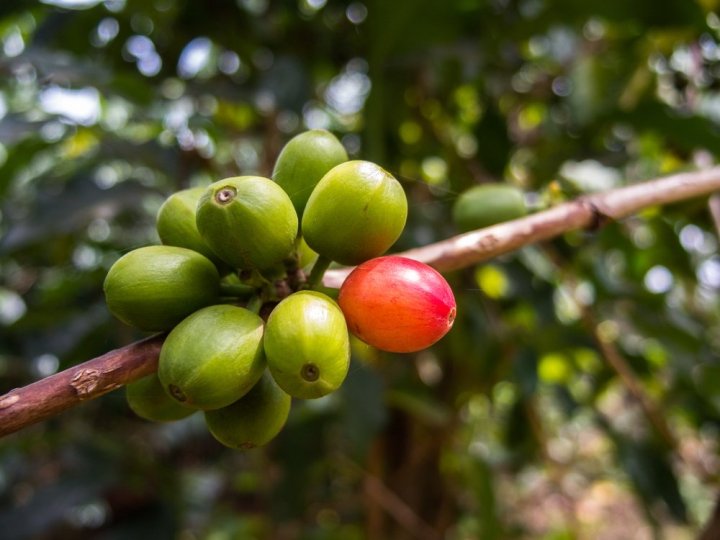
History and Geography of Kenyan Coffee
Kenya's coffee development began significantly later than Ethiopia's. Coffee first entered Kenya in the 19th century as an Ethiopian-style coffee beverage imported via South Yemen. It was not until the early 20th century, however, that Bourbon coffee trees were introduced by the St. Austin Mission, and commercial coffee production truly began around that time. Since then, Kenya has grown into the world's 21st largest coffee-producing nation: the industry turns out over 51 million kilograms of coffee annually and employs more than 6 million people.
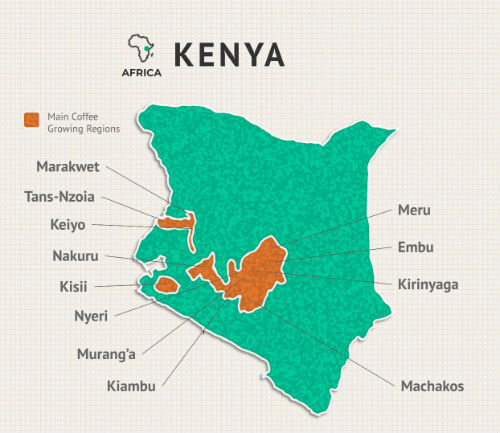
Most Kenyan coffee is grown in the highlands between Mount Kenya in the north and the city of Nairobi in the southwest. The region's fertile volcanic soil is exceptionally well suited to coffee, and high altitude, a warm climate, and abundant rainfall complete the ideal growing conditions.
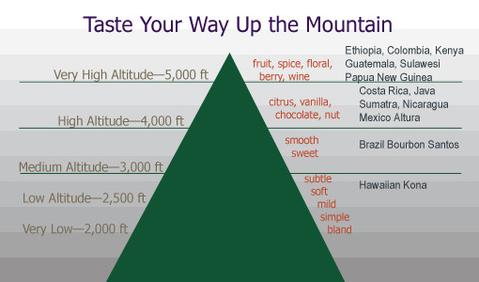
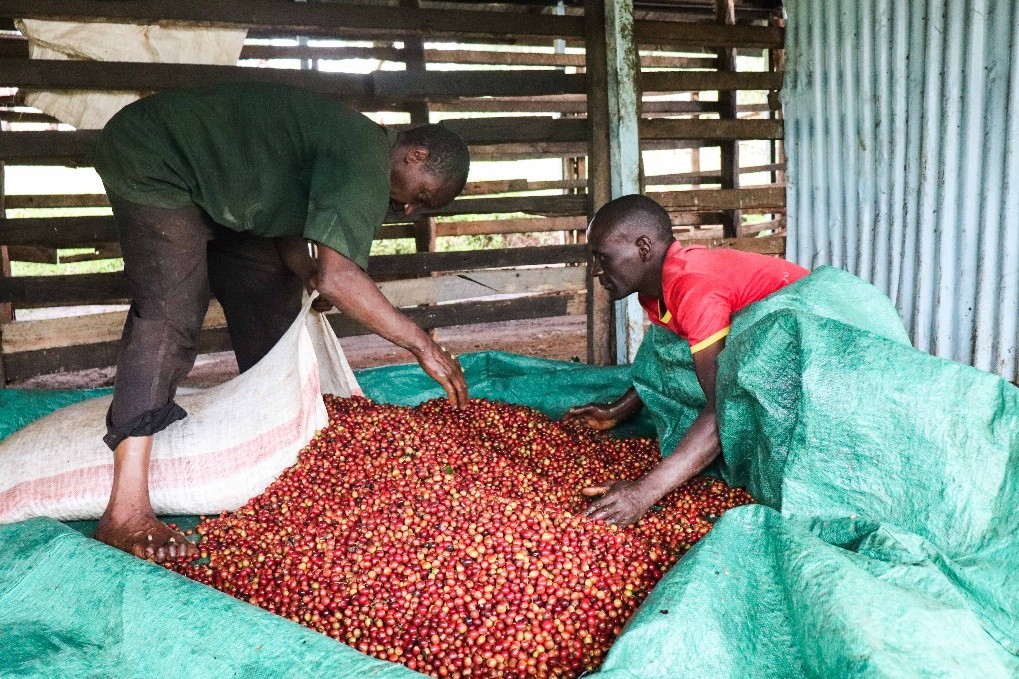
Kenyan coffee typically grows at altitudes between 1,500-2,100 meters and yields two harvests per year. To ensure that only ripe cherries are picked, workers must patrol the fields roughly seven times. The cultivation model resembles Ethiopia's: Kenyan coffee is grown by small-scale farmers who, after harvesting, deliver fresh cherries to cooperative washing stations. The stations wash and dry the coffee and pass it on in "parchment" state, beans still covered by the endocarp, to the cooperatives. Parchment coffee is the final state before hulling. All the coffee is collected together, and growers are paid an average price based on actual quality. This trading system generally works well, proving fair to both growers and consumers.
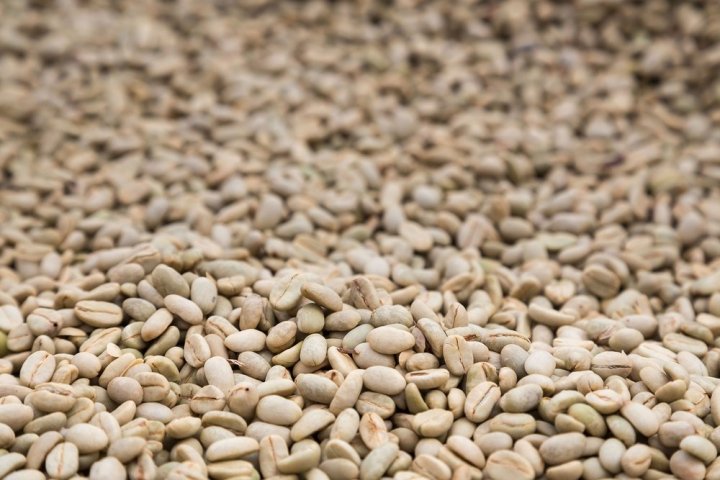
Quality Standards and Auction System
Kenya is a model country for producing excellent coffee. Its high-altitude Arabica washed beans rank among the world's finest. Most beans are uniformly graded and inspected by the Kenya Coffee Board before being sold at auction. The Board maintains strict standards for coffee research, development, and quality management; through its outstanding auction system, bean prices are lifted in a way that supports poorer farmers, while continuing agricultural education steadily improves cultivation techniques, which in turn produces superior coffee. Bags marked [AA] signal the top-quality grade. Kenyan coffee quality and price are directly proportional and very stable. High-quality Kenyan coffee with blackberry fruit aroma is rare; such beans come either from excellent estates established by foreign companies in Kenya or from superior estates acquired by Kenyan companies, and they are prime targets for coffee merchants worldwide.
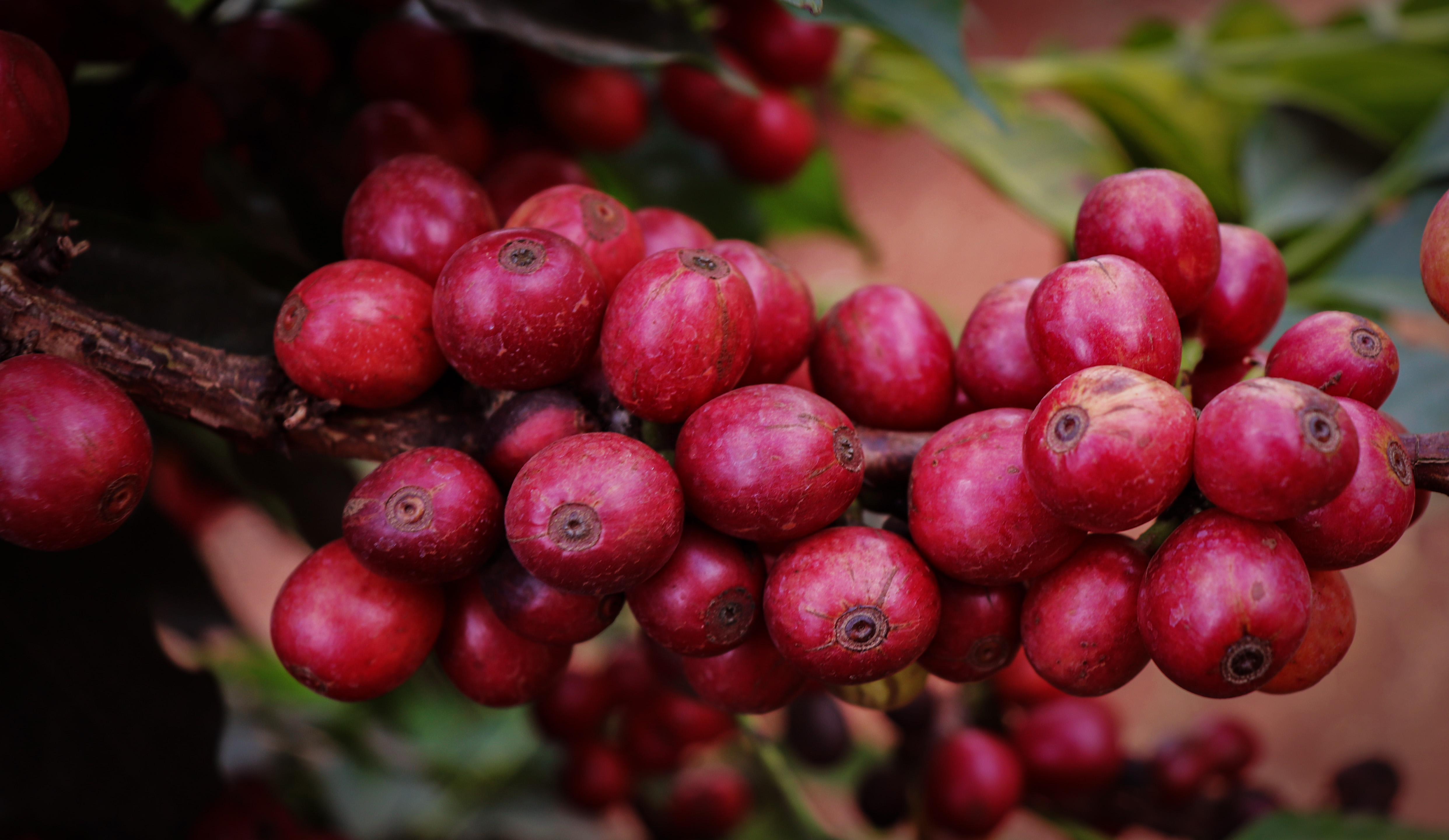
FrontStreet Coffee believes another reason for Kenyan coffee's exceptional quality lies in how seriously the Kenyan government takes the industry. In Kenya, cutting down or destroying coffee trees is illegal. Kenyan coffee buyers are world-class premium purchasers, and no other country matches Kenya's continuous cultivation, production, and sale of coffee. All beans are first acquired by the Coffee Board of Kenya (CBK), where they are inspected and graded, then sold at weekly auctions with no further grading during bidding. The CBK acts only as an agent: it collects coffee samples and distributes them to buyers to help them judge price and quality. The Nairobi auctions serve private exporters, with the CBK paying growers prices below market value. The best grade is Peaberry (PB), followed by AA++, AA+, AA, AB, and so on in descending order. Premium Kenyan coffee has a bright luster, a delicious taste, and a slight wine-like aroma.
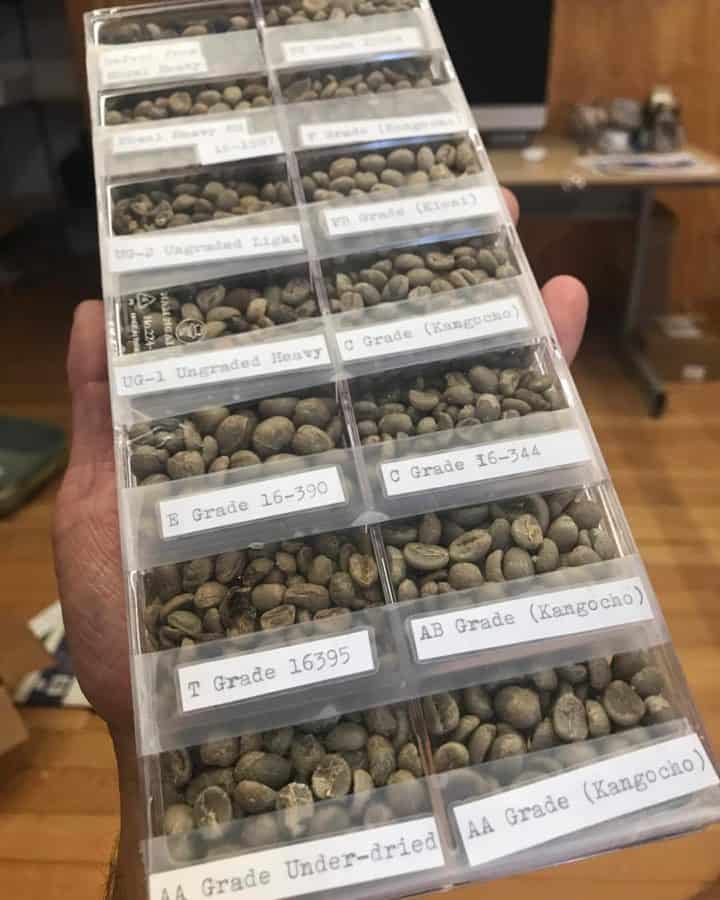
Auctions are also organized to meet blenders' needs. These typically handle smaller quantities, 3-6 tons per lot, with samples bearing grower identification available for tasting. After the auction, exporters package the coffee according to the flavors, qualities, and quantities each blender requires, which gives blenders great flexibility. Quality-conscious Germans and Scandinavians have long been steady buyers of Kenyan coffee.
Flavor Profile and Processing
Rare, exceptional coffee, famous for its rich aroma and balanced acidity.
FrontStreet Coffee believes that if you enjoy bright, lively coffee, Kenyan beans should not be missed. Kenyan coffee delivers everything FrontStreet Coffee looks for in a great cup: a wonderful, satisfying aroma, balanced and pleasant acidity, uniform beans, and excellent fruit flavors. This harmony owes much to Kenya's phosphate-rich soil, and to the country's most famous K72 washed process. The legendary K72 method pulps and ferments the cherries, rinses them after 24 hours of fermentation, then soaks the rinsed cherries in fresh water for another 24 hours before rinsing again. Repeated three times, it amounts to 72 hours of fermentation, giving Kenyan washed coffee its exceptionally bright flavor. FrontStreet Coffee generally roasts Kenyan coffee light to preserve its unique fruit character, and since the roast is not deep, it is a natural fit for acidity lovers.
Brewing Demonstration
Next, FrontStreet Coffee brews a Kenyan coffee bean end to end. The green bean information for this coffee is as follows:
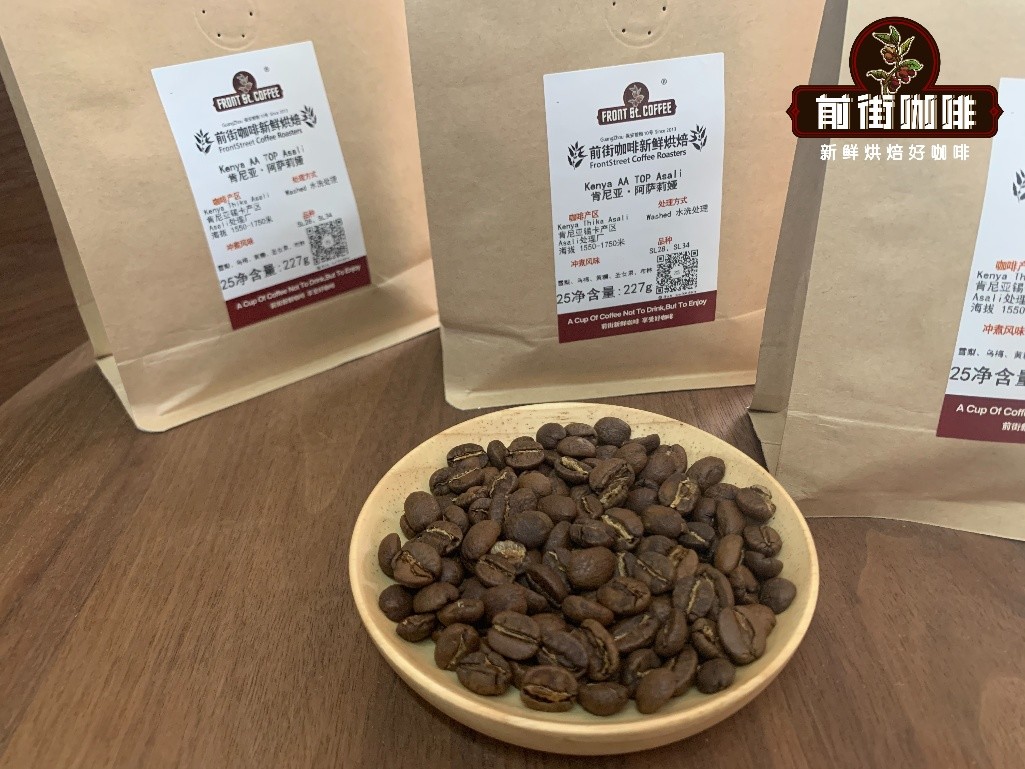
Kenya Asalia AA TOP Refined Washed 72 Hours
- Country: Kenya
- Region: Thika
- Processing Station: Asali Honey Processing Station
- Altitude: 1,550-1,750 meters
- Soil: Volcanic soil
- Grade: AA TOP
- Varieties: SL28, SL34
- Processing Method: 72-hour washed processing
FrontStreet Coffee's recommended Kenyan coffee brewing parameters:
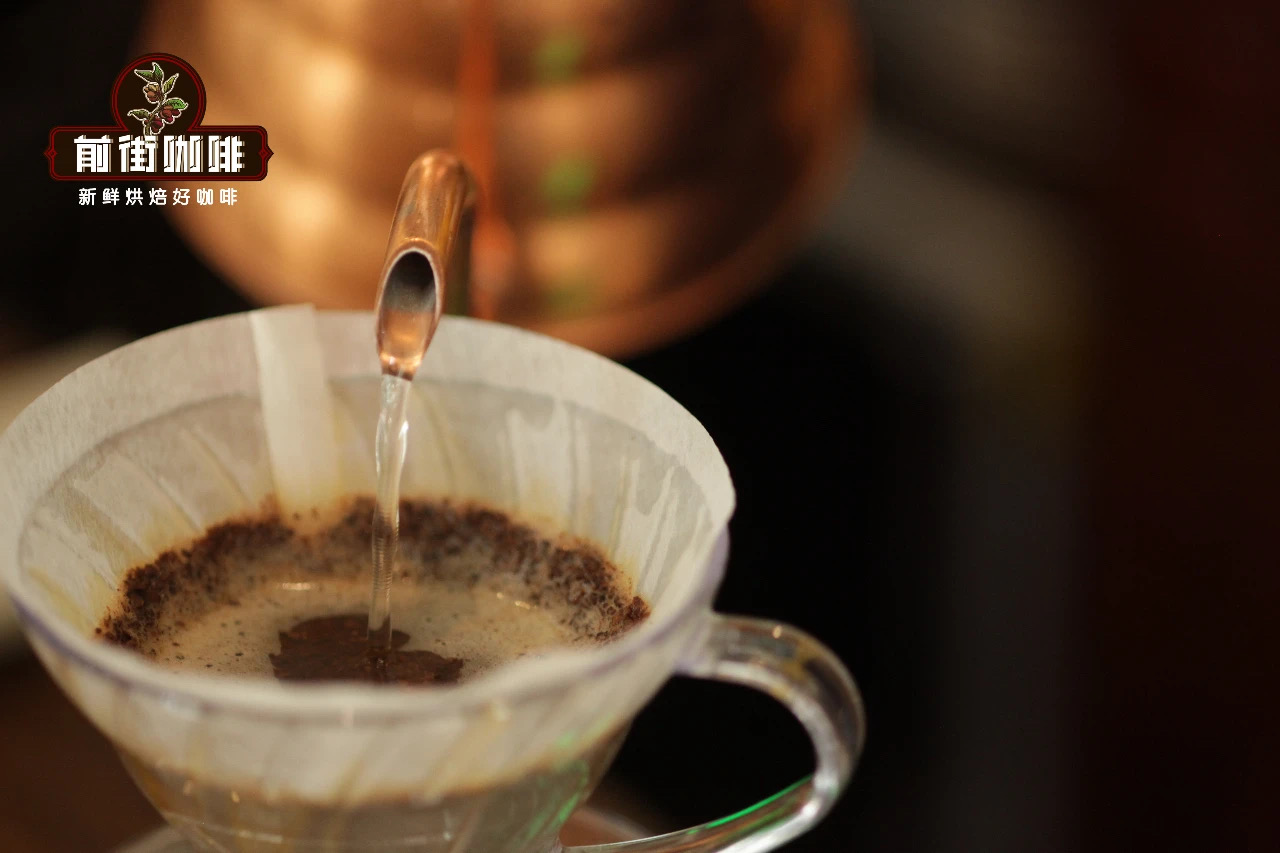
- V60 dripper
- Water temperature: 91°C
- Water-to-coffee ratio: 1:15
- Coffee amount: 15g
- Grind size: (80% pass-through rate on a #20 standard sieve)
How to brew Kenyan coffee: bloom with 30g of water for 30 seconds. Using a small water flow, pour in circles up to 125g, then stop and let it drain. When the water level drops and is about to expose the coffee bed, continue pouring to 225g and stop. Once the level drops again and the bed is about to be exposed, remove the dripper. (Timing starts from the bloom.) Extraction time: 2'00".
Kenyan coffee flavor characteristics: FrontStreet Coffee finds the acidity very lively. On entry there is a heavy caramel note; as the cup cools, a unique dark plum flavor emerges, with acidity leaning toward lemon. The aftertaste carries a cherry-tomato sweetness, and the profile overall is clean.
FrontStreet Coffee Recommendation
If Kenya's brightness wins you over, FrontStreet Coffee's washed Yirgacheffe is the ideal next step on the same flavor journey. Grown around the misty, spring-like town of Yirgacheffe in southern Ethiopia, it shows clear jasmine floral notes and bright citrus acidity, light, elegant, and tea-like, often likened to a clean, refreshing lemon tea. For a fruitier natural-process option, FrontStreet's Yirgacheffe Red Cherry Project lot delivers peach, cocoa, honey, and lemon, while the natural Huakui from Hambella, Guji, dried 21 days on raised beds, offers light fermented wine aroma, florals, citrus, and mango with a thick body and long finish. Brewed with the same V60 approach used above, these Ethiopias highlight exactly the front-end acidity that Kenyan coffee lovers chase.
Important Notice :
FrontStreet Coffee is a long-established specialty coffee roaster in Guangzhou China, selling freshly roasted beans from its own farm in Yunnan as well as dozens of carefully selected single-origin beans from around the world for both pour-over and espresso. The products deliver consistently excellent quality and great value, with shipping within 24 hours. Guangzhou's FrontStreet Coffee shop is recommended by many coffee lovers, and the beans are now available online at the Tmall 。
FrontStreet Coffee has moved to a new address:
FrontStreet Coffee Address: 315,Donghua East Road,GuangZhou
Tel:020 38364473
 Scan and follow the En Gafei WeChat official account. Please indicate that the reprint comes from "En Gafei".