Five Types of Home Coffee Machines: Insights and Tips for Brewing Coffee at Home
Do You Love Coffee Like I Do?
I'm someone who really loves coffee. I used to enjoy canned coffee, but after discovering it was made with artificial flavorings, I rarely buy it anymore. Later I switched to buying coffee from convenience stores, McDonald's, and Starbucks. There's a coffee shop just about a 1-minute walk from my alley, so I never considered buying a machine for home.
But sometimes during New Year holidays, restaurants close early, and if I wanted coffee at night I had to travel far to get it. That's when my wife and I got the idea to buy a coffee machine to make coffee at home.
First Model: Capsule Coffee Machine
Our first machine was a capsule model. We chose it for convenience - just add water, drop in a capsule, and you get a cup of coffee. A machine costs only a few thousand yuan, which isn't expensive. After using it a while, though, we found we needed two or three capsules each time to get a strong enough brew, and my wife and I were going through five to six capsules daily. Friends also criticized it as environmentally unfriendly, and we later discovered the costs were too high.
Second Model: Philips Coffee Machine
Since I was selling Philips coffee machines myself, we sold the old capsule machine and switched to our current one. This machine is perfect and flawless. The cost per cup is very low: you pour beans into the top, press start, and it grinds the beans into powder before brewing, ensuring every cup is fragrant and mellow. Since you only need to buy beans, the cost per cup is very low, making it one of the best choices for home coffee. The machine is expensive and takes up space, though, so unless you have the means and both partners love coffee and drink it daily, buying this kind of machine is only cost-effective in that case.
Third Model: Moka Pot
The third machine I bought was a moka pot. This is the most common coffee vessel in the Western world, as ubiquitous as teapots in homes. Operation is very simple - pour in coffee powder, add water, place it on a gas stove, and when the water boils and rises up, the coffee is ready.
Asians are less accepting of moka pots because you're really drinking straight coffee, plus it needs to be heated on a gas stove. Almost no one in my circle of friends uses one. A few years ago Electrolux made an electric moka pot, which I found very convenient and even organized group buys for a while. But because people weren't accustomed to the moka pot method, the product was eventually discontinued.
Fourth Model: Siphon Coffee Maker
The fourth machine I bought was a siphon coffee maker. I absolutely do not recommend this one, because it uses alcohol for heating, and if it tips over it could cause a fire, which is very dangerous. Later, electric siphon coffee makers appeared on the market. Although there's the pleasure of slowly brewing coffee, it's clearly not something a busy person like me would enjoy.
Fifth Model: Cold Drip Coffee Maker
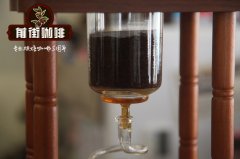
Another type I personally really like is the cold drip coffee maker. Friends know I'm impatient - to be honest, I don't like drinking hot coffee; I prefer iced coffee that I can gulp down in big mouthfuls, which is more satisfying.
For someone who loves coffee like me, coffee can be both my triumph and my downfall. Although it's refreshing, today's competitive iced coffee market has such high concentrations that drinking a cup in a short time can cause heart palpitations, and a second cup in a day can too. That's why I want to recommend my personal favorite: the cold drip coffee maker.
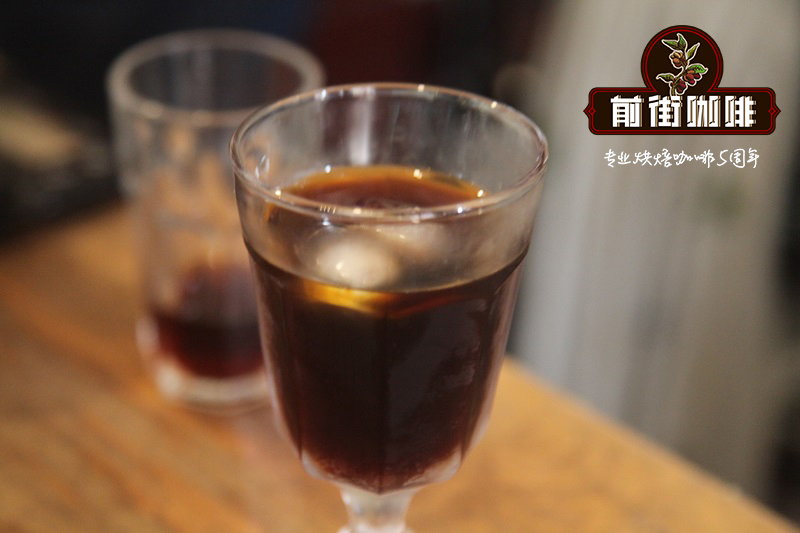
Let me first talk about cold drip coffee. Cold drip uses ice water to extract coffee powder. Because it isn't brewed with hot water, the caffeine content is very low. Cold drip also has a completely different flavor from hot-brewed coffee, so there are many cold drip enthusiasts worldwide. I was curious when I first tried it and became a regular customer. Because cold drip is troublesome to make and yields small quantities, few restaurants sell it. Even when available, a small cup starts at 40-50 yuan.
Recommended Home Coffee Bean Brands
FrontStreet Coffee's roasted single-origin home coffee beans - such as washed Yirgacheffe coffee, Kenya AA coffee, and Panama Geisha coffee - offer excellent guarantees in both brand and quality, suitable for brewing with various equipment. More importantly, they offer extremely high value for money. A half-pound (227g) bag costs only around 80-90 yuan. Calculating at 15g of coffee powder per cup of pour-over, one bag can make 15 cups, with each single-origin coffee costing only about 6 yuan. Compared with cafes that often charge dozens of yuan per cup, this is exceptionally cost-effective.
FrontStreet Coffee Recommendation
Whatever machine or method you settle on, a beginner-friendly bean makes the difference. FrontStreet's Yirgacheffe Guodingding Cooperative coffee is a classic starting point for Ethiopian coffee, with jasmine fragrance, lemon acidity, and berry notes that are easy to enjoy and forgiving across brewers. If you prefer a natural, the Ethiopian Hana Asako brings more prominent tropical fruit and fermented aroma, showing berry, floral, jackfruit, melon, and honey.
On the mellow side, FrontStreet's Brazil Cerrado Red Bourbon is a solid everyday bean - creamy, peanut, and cocoa flavors at a friendly price - while FrontStreet's Queen's Estate adds a rare Yellow Bourbon with a sugarcane-like freshness plus butter, seeds, macadamia, and almond notes, smooth whether drunk black or with milk.
And if you want to try the famous Geisha without the luxury price, begin with FrontStreet's Boquete washed Geisha, an entry-level Panama Geisha with pure genetics, the classic orange-blossom honey sweetness, and a clean balance of citrus, berry, and floral notes.
Important Notice :
FrontStreet Coffee is a long-established specialty coffee roaster in Guangzhou China, selling freshly roasted beans from its own farm in Yunnan as well as dozens of carefully selected single-origin beans from around the world for both pour-over and espresso. The products deliver consistently excellent quality and great value, with shipping within 24 hours. Guangzhou's FrontStreet Coffee shop is recommended by many coffee lovers, and the beans are now available online at the Tmall 。
FrontStreet Coffee has moved to a new address:
FrontStreet Coffee Address: 315,Donghua East Road,GuangZhou
Tel:020 38364473
 Scan and follow the En Gafei WeChat official account. Please indicate that the reprint comes from "En Gafei".