What variety is Caturra coffee bean? Introduction to pour-over flavor characteristics of Caturra coffee beans
Caturra is a natural mutation of the Bourbon variety. It was discovered between 1915 and 1918 on a plantation in the state of Minas Gerais, Brazil. A group of genes in the Bourbon plants there mutated, causing the plants to grow smaller (similar to dwarfism). This new variety, appearing in a new biological form, was called "Caturra" by the locals in Guaraní, meaning "small." It is sometimes also referred to as "Nanico."
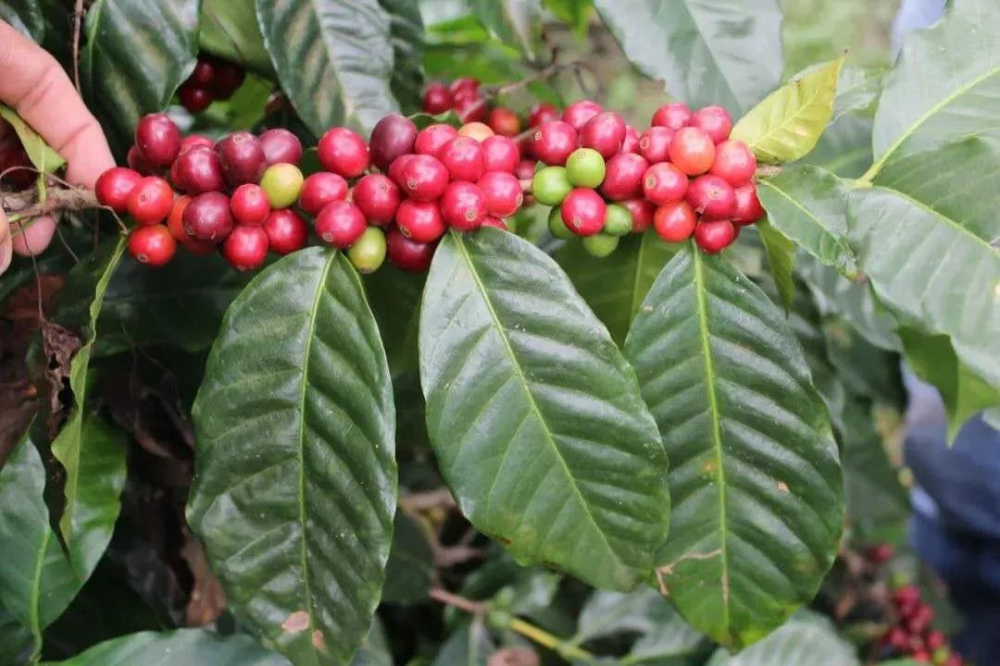 The São Paulo State Agronomic Institute (IAC) in Campinas, Brazil, began selection work in 1937. The selection process for Caturra was called mass selection: choosing a group of individuals based on superior performance, accumulating the seeds from those plants to form a new generation, and then repeating the process. Interestingly, the variety was never officially released in Brazil, yet it has already become very common in Central America.
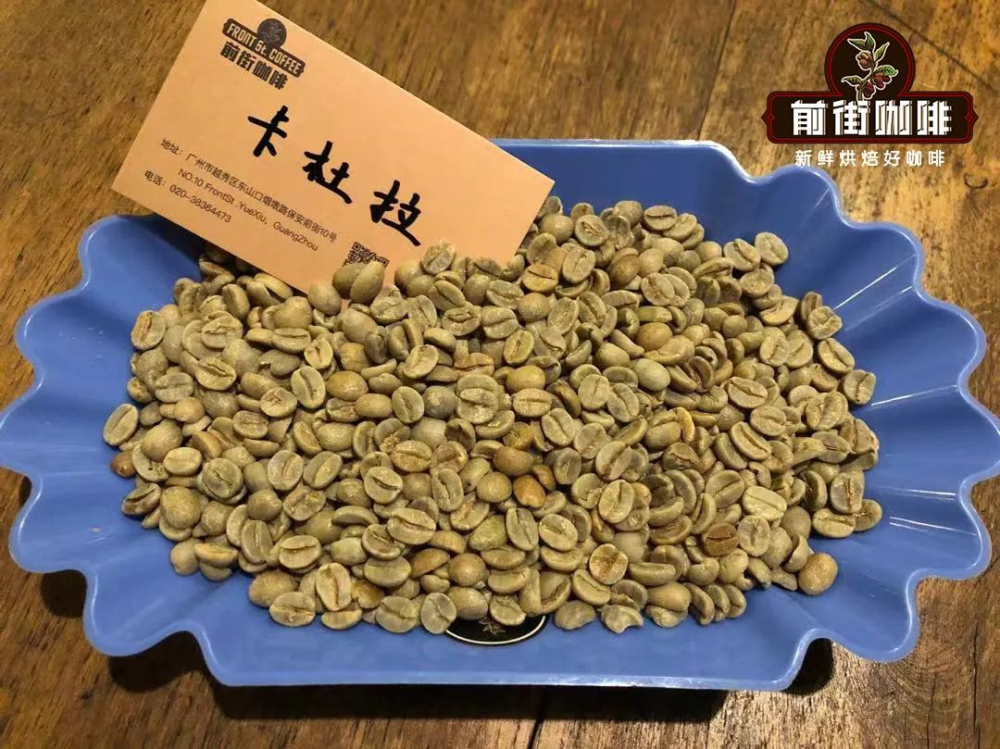
Advantages of Caturra
Caturra has a compact size, which allows plants to be set more densely; its secondary branches are closely spaced, enabling it to produce more fruit in the same space. This greatly increases yield per unit area. And because of its compact size, harvesting is more convenient too.
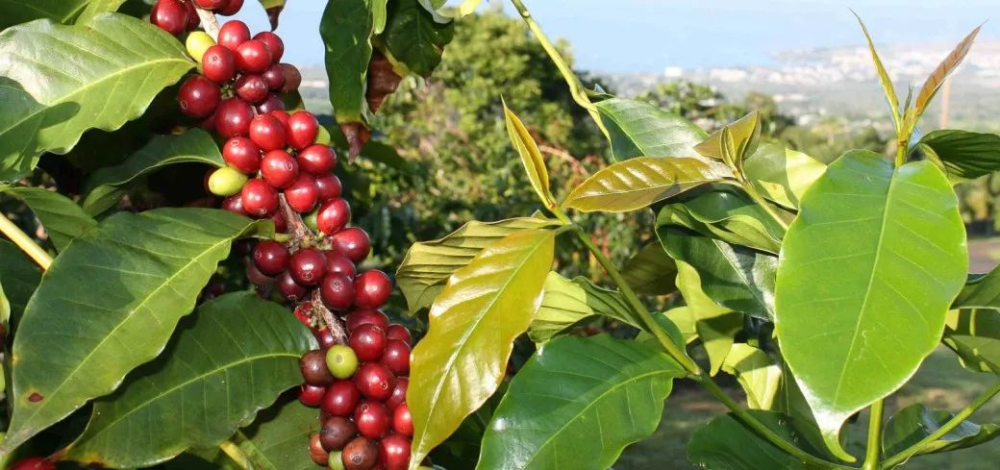
Its most important advantage is that, unlike ancient varieties such as Typica and Bourbon, it does not require shade trees and thrives in direct sunlight — which is why varieties like Caturra are also called "Sun Coffee." Caturra suits regions between 700m and 1,700m in altitude, with stronger environmental adaptability than Bourbon. The higher the altitude, the better its flavor quality. Like Bourbon, it has the problem of biennial production cycles with fluctuating yields. It possesses both high-quality acidity and aroma, with an overall bright character and good sweetness.

From its discovery to its screening and research at IAC, Caturra was introduced to Guatemala in the 1940s, but it was not widely adopted commercially for the next 30 years. It spread from Guatemala to Costa Rica, Honduras, and Panama. Today it is one of the most important economic coffees in Central America, and in some ways it is often used as a "benchmark" for testing new varieties. In Colombia, Caturra accounted for almost half of national production until 2008, when a government-funded program encouraged the renovation of more than 3 billion coffee trees with the rust-resistant Castillo variety (which has Caturra lineage), and its share of cultivation began to decline.
Among FrontStreet Coffee's extensive coffee list, varieties such as FrontStreet Coffee's Guatemala Flor, FrontStreet Coffee's Honduras Lychee Orchid, FrontStreet Coffee's Colombia Rose Valley, and FrontStreet Coffee's Panama Flower Butterfly all contain the Caturra variety.
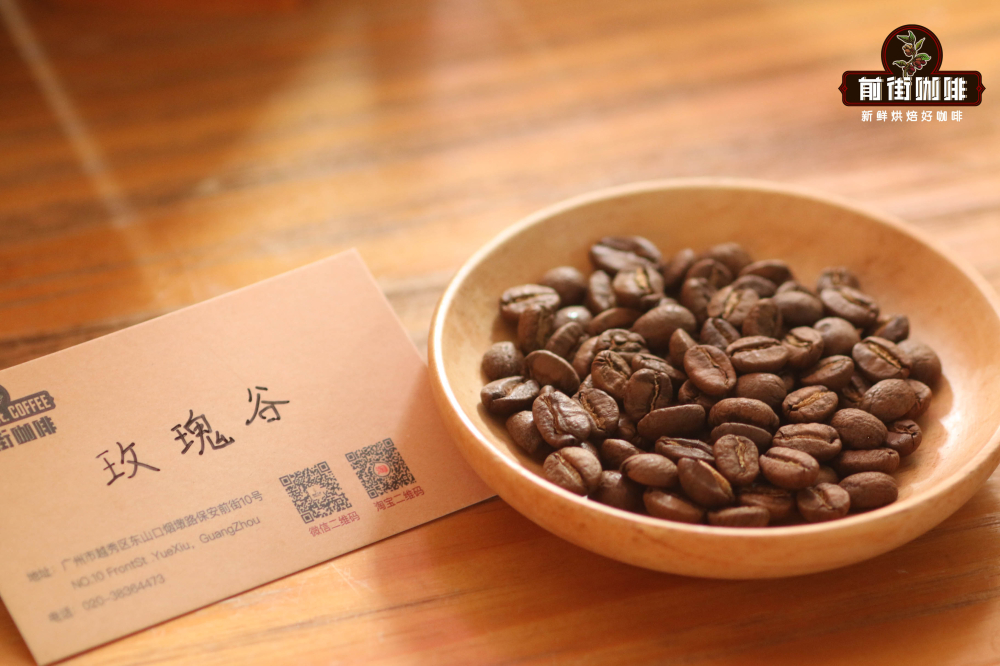
FrontStreet Coffee: Colombia Rose Valley Coffee Beans
- Region: Santander region
- Estate: Big Tree Estate
- Processing: Anaerobic enzyme wash
- Altitude: 1,700m
- Variety: Caturra
- Brewing flavors: Rose, peach, chocolate liqueur, cream, cranberry
If you're tasting Caturra for the first time, FrontStreet Coffee recommends this FrontStreet Coffee Colombia Huila daily drinker bean, which uses washed processing. It has both soft acidity and an appropriate body and aftertaste. FrontStreet Coffee aims to present classic Colombian nutty notes while retaining some acidity, so we chose a medium-dark roast.
FrontStreet Coffee Brewing Recommendations
Brewing parameters: 15g of coffee, V60 dripper, 1:15 coffee-to-water ratio, 90°C water temperature, segmented extraction
First pour: 30g of water for a 30-second bloom (timing starts when the bloom water is poured)
Second pour: small water flow to 125g
Third pour: slightly larger water flow to 225g, total time 2 minutes.
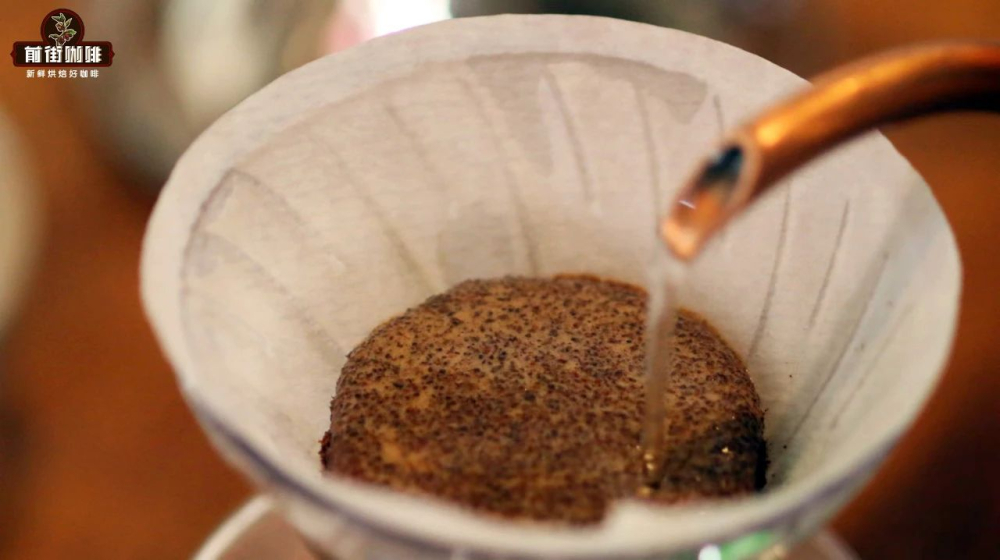
This blooming method releases the gases generated during roasting, allowing for slow degassing and letting the coffee "bloom."
Different chemical substances are extracted at different stages: first you get fruit acids, then sweetness, and finally bitterness. (It's worth noting that not all acids are the fruity, satisfying kind — chlorogenic acids, for example, produce astringency, dryness, and bitterness.) Using this standard brewing method reduces the variables in the process, making brewing more consistent and flavors more balanced.
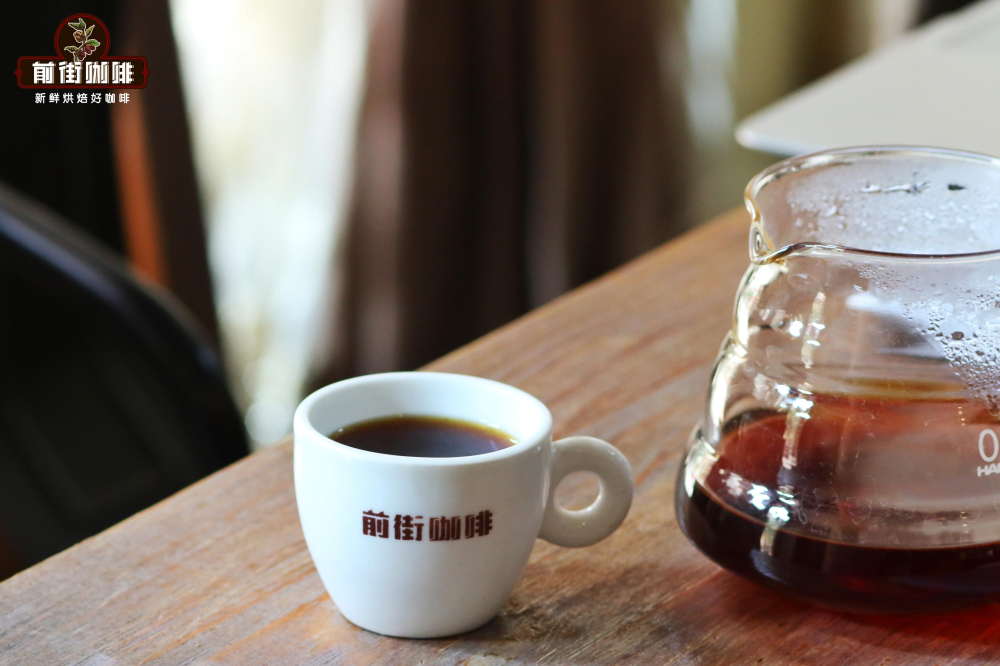
This FrontStreet Coffee Colombia Huila washed Caturra has distinct chocolate, nut, and caramel roasted aromas on entry. It is smooth and sweet, with moderate body, a clean taste, and a pleasant soft acidity that emerges as the coffee cools.
FrontStreet Coffee Recommendation
Caturra may have been discovered in Brazil, so it's fitting that FrontStreet Coffee's Brazilian beans are a natural place to explore its family. Our FrontStreet Brazil Cerrado Red Bourbon is a classic Brazilian single origin from the well-known Cerrado region, renowned for high-quality beans; roasted medium, it gives rich aromas of creamy peanut, toasted bread, caramel, and hazelnut, with a rounded, low-acid body and a slight bitter note, and it works in a pour-over as well as a moka pot, espresso SOE, siphon, or French press. Our FrontStreet Brazil Queen Estate coffee, from Mogiana near South Minas, grows at higher elevation on fertile red volcanic soil; its rare Yellow Bourbon variety — a natural mutation of Red Bourbon with a cleaner fruit character — shows a sugarcane freshness found in few other regions, plus fruit and chocolate notes. Because Brazil's low-acid, balanced cup and approachable price make it a favorite base for espresso, you'll also find Brazilian beans across FrontStreet Coffee's espresso range: the crema-rich FrontStreet Classic Blend, the nutty FrontStreet Specialty Blend, the well-balanced FrontStreet Black Cocoa Blend, and the café-oriented FrontStreet Commercial Blend. In each, the Brazilian component contributes chocolate and creamy aromatics, a gentle sweet-sour-bitter balance, and dependable extraction.
Important Notice :
FrontStreet Coffee is a long-established specialty coffee roaster in Guangzhou China, selling freshly roasted beans from its own farm in Yunnan as well as dozens of carefully selected single-origin beans from around the world for both pour-over and espresso. The products deliver consistently excellent quality and great value, with shipping within 24 hours. Guangzhou's FrontStreet Coffee shop is recommended by many coffee lovers, and the beans are now available online at the Tmall 。
FrontStreet Coffee has moved to a new address:
FrontStreet Coffee Address: 315,Donghua East Road,GuangZhou
Tel:020 38364473
 Scan and follow the En Gafei WeChat official account. Please indicate that the reprint comes from "En Gafei".