What Does Low Caffeine Mean? How Much Caffeine is in Costa/Starbucks Decaf Coffee
What is Decaffeinated Coffee?
The caffeine content in coffee varies with the bean variety, steeping time, grind size, brewing method, and temperature. It is also related to extraction time. That is why coffee brewed by the drip method contains more caffeine than espresso made with high-pressure methods.
For example, a medium-sized cup of drip-brewed coffee contains three times more caffeine than a medium-sized Starbucks cappuccino, while a medium-sized Americano falls somewhere in between. So there is no reason to avoid rich espresso out of caffeine concern; if you really want to avoid caffeine, it is better to buy decaffeinated coffee.
Methods for Removing Caffeine
Decaffeinated coffee refers to beans that have undergone special processing before roasting to remove 96% to 98% of the caffeine. The removal processes cause physical and chemical changes in the beans, somewhat affecting their original flavor.
There are currently three common decaffeination methods: dichloromethane solvent extraction, the Swiss Water Process, and carbon dioxide extraction.
1. Solvent Extraction Method
This can be divided into direct and indirect extraction. Both require pre-treatment softening, where the beans are heated with high-temperature, high-pressure steam to expand the bean surface and increase contact area with the liquid. The beans are then placed in dichloromethane (CH3Cl) solvent, directly contacting the coffee to extract caffeine; this is the direct extraction method. Many coffee connoisseurs believe that decaf produced this way has better flavor, because dichloromethane adsorbs and dissolves only caffeine without removing other components that affect flavor.
The indirect extraction method softens the beans, then places them in warm water where caffeine and other components dissolve out, creating a solution that becomes almost a coffee essence. This solution is transferred to another container where dichloromethane is added to extract the caffeine; after heating, the caffeine evaporates with the extraction solution. Finally, the caffeine-free essence is returned to the previously extracted beans to reabsorb the lost components. Connoisseurs generally believe indirect extraction loses more coffee flavor and is less ideal than direct extraction.
2. Swiss Water Process
The beans are first placed in warm water, allowing caffeine and other components to dissolve. Activated carbon is then used to extract caffeine from the essence solution, after which the caffeine-free essence is returned to the original beans to reabsorb lost components. The Swiss Water Process emphasizes using no chemical solvents to extract caffeine, making it a choice for health-conscious consumers. The drawback is that while activated carbon is an excellent water purifier, it also absorbs other components from the essence, resulting in a greater loss of coffee flavor. Decaf processed this way is also expensive, and even beans processed with chemical solvents may be priced higher once "water process" appears on the package.
3. Carbon Dioxide Extraction Method
Roasting coffee beans produces large amounts of carbon dioxide. When pressurized, this carbon dioxide becomes liquid. By passing this liquid through steam-treated coffee beans, caffeine can be removed without affecting other substances in the beans. After depressurization, the liquid turns back into gas and evaporates without leaving traces, making it an excellent caffeine solvent that doesn't extract substances other than caffeine. This method prevents damage to the beans without changing their color or form, and belongs to the direct processing methods. It does require a special environment of 200 to 300 times atmospheric pressure, demanding massive equipment investment, so decaf processed this way is still rare on the market.
Starbucks' Decaffeinated Coffee
Starbucks uses two methods to remove caffeine:
1. Direct Contact Method
Raw coffee beans are soaked in warm water to soften them, then a chemical agent, methylene chloride, is added. This chemical has a very low melting point and is completely destroyed at 40 degrees, while typical brewing temperature is around 93°C, so Starbucks' decaf beans do not contain methylene chloride.
After it is added, caffeine is released from the beans, a method that effectively preserves flavor. The extracted caffeine can also be sold to pharmaceutical companies to make painkillers or to beverage companies to make caffeinated drinks. Starbucks' decaf beans have 99% of the caffeine removed.
2. Swiss Water Process
This method soaks raw coffee beans in warm water, allowing caffeine to diffuse into the water, then separates the water from the beans. At this point the flavor and caffeine from the beans have transferred to the water, which is called flavor-charged water. The flavor-charged water is then filtered through activated carbon to remove caffeine, and the filtered water is used to soak the beans again so the coffee flavors return, reducing flavor loss.
The caffeine content in coffee varies by variety, and during roasting, the deeper the roast, the lower the caffeine content.
But here is the problem: most decaf coffees on the market, if processed this way, would end up tasting of little but charcoal or ashtray. So decaf coffee is often sent to pharmaceutical factories for caffeine washing after the green beans are harvested. Because some medications require added caffeine, pharmaceutical factories use coffee as a caffeine source. After the factories wash out the caffeine (using chemical methods, not regular water washing), and after drying and roasting, the beans become the decaf coffee in your hands.
In fact, decaf coffee is produced mainly for patients who cannot consume caffeine. Some people think drinking decaf is healthier, so they choose it exclusively; in reality, these coffees are the least healthy. Moreover, after pharmaceutical factory washing, bean flavor typically remains at only about 60% of unprocessed beans of the same variety and origin, with flavor already damaged by the washing process.
FrontStreet Coffee's Suggested Decaffeinated Coffee Brewing Parameters
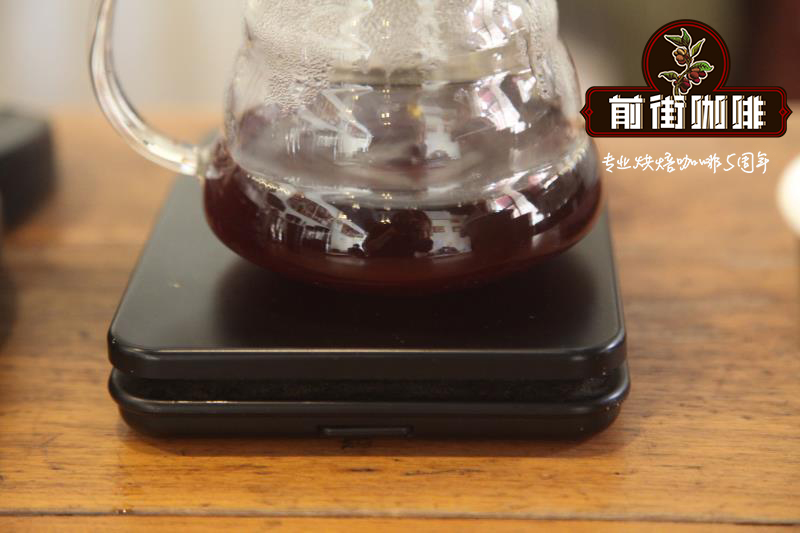
V60/90°C/1:15/time two minutes
FrontStreet Coffee Recommendation
If you drink decaf but still want a full-flavored espresso, the bean matters as much as the process. FrontStreet Coffee's espresso-oriented blends are built to deliver body and sweetness even in milk drinks and long coffees. The Classic Blend is designed specifically for espresso and moka pot brewing and stands out for its rich crema; even a beginner with a basic home machine can pull a dense, fine crema from it. It follows the traditional mamba-style recipe, with a warm, mellow body that suits newcomers and experienced drinkers alike.
If cost and approachability are the priority, FrontStreet's Black Cocoa Blend uses 100% Arabica and offers a generous crema and a full body at a friendly price. For a fruitier milk coffee, the Strawberry Candy espresso blend brings berry, rose, raisin, and fruit-candy aromas, while the Grana Geisha SOE is natural-processed and medium roasted, developing berry, orange, and persimmon notes that turn into a creamy candy sweetness alongside milk.
A reliable starting recipe mirrors FrontStreet's cappuccino standard: dose 20 g, extract at a 1:2 coffee-to-liquid ratio over about 30 seconds, and pull 40 ml of espresso, in a 32-second variant where a longer time is used. Whatever the decaffeination method, brewing with a stable recipe keeps the cup balanced.
Important Notice :
FrontStreet Coffee is a long-established specialty coffee roaster in Guangzhou China, selling freshly roasted beans from its own farm in Yunnan as well as dozens of carefully selected single-origin beans from around the world for both pour-over and espresso. The products deliver consistently excellent quality and great value, with shipping within 24 hours. Guangzhou's FrontStreet Coffee shop is recommended by many coffee lovers, and the beans are now available online at the Tmall 。
FrontStreet Coffee has moved to a new address:
FrontStreet Coffee Address: 315,Donghua East Road,GuangZhou
Tel:020 38364473
 Scan and follow the En Gafei WeChat official account. Please indicate that the reprint comes from "En Gafei".