Is High Acidity in Coffee Beans Good or Bad_Brands of Acidic Coffee Beans Recommended_What are the Types of Coffee Acidity
Understanding Coffee Acidity: A Comprehensive Guide
In traditional thinking, coffee is often bitter and unpleasant, and if it is also sour it is treated like spoiled medicine. FrontStreet Coffee is here to tell you that this is not the case. Coffee today is no longer what it used to be in our minds. With the growth of specialty coffee, the focus is now on the coffee's original flavor. Acidity in coffee is not necessarily bad, and while there are good and bad types of acidity, good acidity can be genuinely pleasant.
Beginners who have not tried single-origin coffee may wonder: how can coffee be sour? Is sour coffee expired or low quality? In fact, this acidity is not the same as that sourness. Coffee contains hundreds of acidic compounds, and today we will mainly introduce the types of acid that affect taste.
Where Does Coffee Acidity Come From?
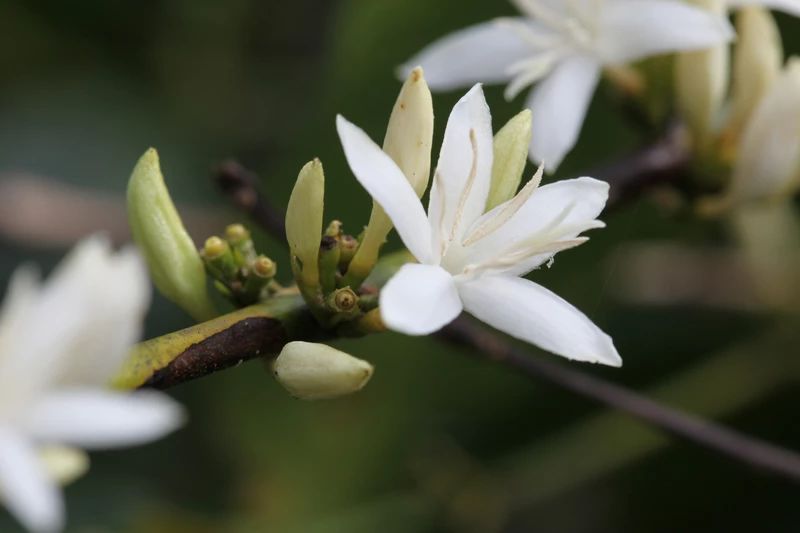
The strength of coffee's acidity is closely related to variety and roast level. Coffee becomes acidic because the beans fully absorb fruit acids from the pulp during growth and processing. Raw coffee beans taste like fruit, and different terroirs affect the growth and flavor of that fruit. Differences in soil type, climate, water, altitude, and other factors give beans from different origins their distinctive flavors.
Citric Acid
Citric acid is an important organic acid. The citric acid in coffee is one of the products of the coffee tree's respiration, and the amount of it can be used to judge whether raw beans are fresh. As coffee cherries mature, citric acid content decreases and converts into more sugars. During roasting, citric acid peaks in light roasts and continuously breaks down in later stages of roasting.
Malic Acid
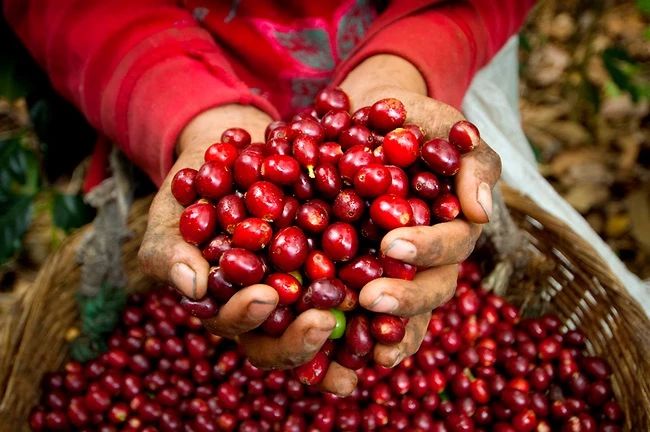
Malic acid exists in apples, hawthorns, grapes, and other fruits. Its concentration in raw beans is lower than citric acid, and after roasting it drops to only 0.1%-0.4% of the raw bean weight. Malic acid is generally classified as a fragrant acid.
Tartaric Acid
Tartaric acid exists in many plants, such as grapes and tamarind, and is one of the main organic acids in wine. It is also one of the sources of astringency in coffee.
Acetic Acid
Acetic acid, also known as ethanoic acid or glacial acetic acid, is an organic acid, a typical fatty acid, and the source of sourness and irritating odor in food. In coffee it comes mainly from the fermentation step in post-processing, which is why washed coffee generally has a higher acetic acid content than natural processed coffee. During roasting, the pressure in the roaster helps significantly increase acetic acid content and helps retain volatile acids, improving coffee quality. Small amounts of acetic acid give coffee a fermented aroma, but too much makes coffee taste vinegary and bitter.
Chlorogenic Acid
Chlorogenic acid is a type of acid commonly found in all raw coffee beans, accounting for 6%-8% of the net weight of coffee, and coffee is the plant species with the highest chlorogenic acid content in the world. Chlorogenic acid is an important source of coffee's sourness and bitterness and has a mild neurostimulatory effect in humans. It is one of the main acidic substances in coffee and has two isomers: monocaffeoyl acid, which is broken down during roasting, and dicaffeoyl acid, which is not, and which makes coffee bitter and metallic. During roasting, chlorogenic acid is broken down into quinic acid and caffeic acid, both of which enhance the astringency and mouthfeel of coffee.
Phosphoric Acid
Phosphoric acid is an inorganic acid found in high concentrations in Kenyan coffee, giving Kenyan coffee its uniqueness and excellent acidity. It accounts for only about 1% of the total coffee substances and comes mainly from the hydrolysis of phytic acid in the soil. During roasting, phosphoric acid content actually increases as the roast level deepens. Phosphoric acid increases the brightness and sweetness of coffee.
Coffee contains many types of acid, and these are the most important ones.
Recommended Acidic Coffee Bean Brands
Acidic Coffee Recommendations
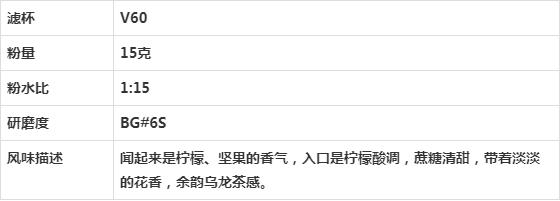
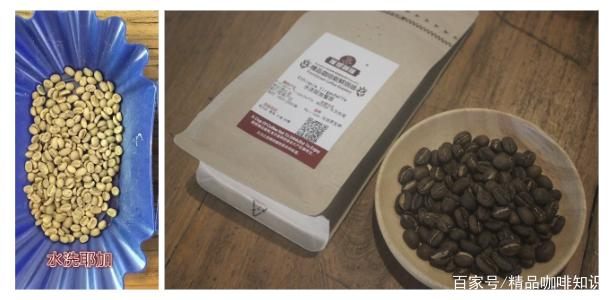
FrontStreet Coffee Washed Yirgacheffe
Country: Ethiopia
Region: Yirgacheffe
Altitude: 1800-2000 meters
Processing: Washed
Roast: Light roast
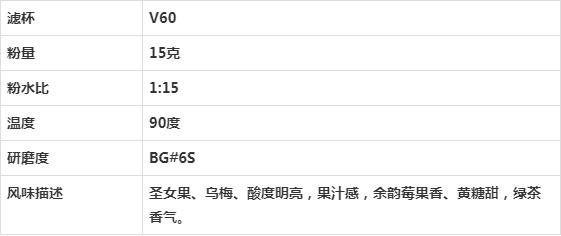
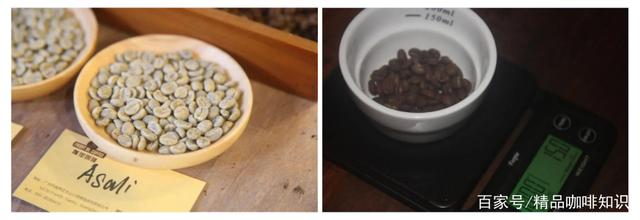
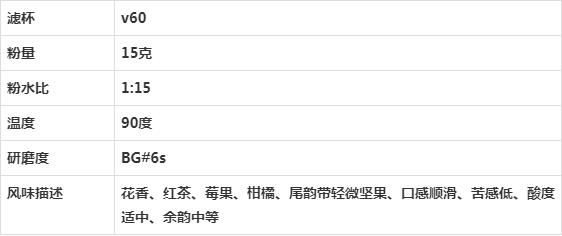
FrontStreet Coffee Kenya Assalia
Region: Thika, Kenya
Processing Station: Asali Honey Processing Station
Altitude: 1500-1750 meters
Variety: SL28-SL34
Processing: Kenya 72-hour processing method
Roast Level: Light roast
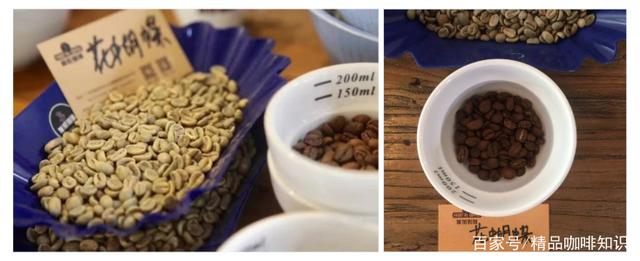
FrontStreet Coffee Panama Mariposa
Region: Boquete
Altitude: 1600 meters
Varieties: Geisha, Caturra, Catuai
Roast: Light roast
These are the coffee beans recommended today. If you like them, go and try them.
FrontStreet Coffee Recommendation
If you like the brightness described above but want it rounded off with sweetness, FrontStreet Coffee's Strawberry Candy is a good match. It is a Geisha blend that pairs a Costa Rica honey-processed coffee with a washed Panama Geisha, so the cup keeps plenty of floral and fruit character alongside a mild, honeyed sweetness. Medium roasted, it shows orange-blossom honey and a rounded body, and it works for cold brew, pour-over, and espresso.
For a softer, gentler acidity, FrontStreet Coffee's Brazil Queen Manor is a Yellow Bourbon from Brazil, the world's largest coffee producer. Medium roasted, it brings creamy peanut, chocolate, toast, and sugarcane notes with a soft fruit acidity rather than a sharp one, and it brews easily as a pour-over, in a moka pot, or as espresso. For a darker, chocolate-forward option that still holds a little acidity, FrontStreet Coffee's Jamaica Blue Mountain No. 1 balances acidity, sweetness, and bitterness with nuts, dark chocolate, and creamy caramel.
Important Notice :
FrontStreet Coffee is a long-established specialty coffee roaster in Guangzhou China, selling freshly roasted beans from its own farm in Yunnan as well as dozens of carefully selected single-origin beans from around the world for both pour-over and espresso. The products deliver consistently excellent quality and great value, with shipping within 24 hours. Guangzhou's FrontStreet Coffee shop is recommended by many coffee lovers, and the beans are now available online at the Tmall 。
FrontStreet Coffee has moved to a new address:
FrontStreet Coffee Address: 315,Donghua East Road,GuangZhou
Tel:020 38364473
 Scan and follow the En Gafei WeChat official account. Please indicate that the reprint comes from "En Gafei".