What Flavors Does Wet-Hulled Coffee Have? What Are the Characteristics of Indonesian Wet-Hulled Coffee Beans? What is Wet Hulling?
What Is Coffee Processing?
What we call coffee beans are actually seeds; the fruit of the coffee plant is the coffee cherry. So coffee beans are not really beans — then what are they?
Each cherry contains two coffee beans, and only about 5% of cherries contain just one. When that happens, the resulting single bean is called a peaberry.
What Surrounds the Coffee Bean?
Exocarp (outer skin)
Pulp
Pectin
Parchment / hull
Silver skin
To get at the precious bean inside, all of these outer layers have to be removed.
In short, stripping those layers away is what we call processing.
The Wet-Hulled Method
In Indonesia, climate conditions mean the wet-hulled method is used for most cherries.
The vast majority of coffee trees in Sumatra are grown by smallholders. After harvesting, they first remove the skin and pulp at home. Once that is done, the beans go into plastic buckets or small fermentation tanks for a short overnight fermentation, after which the pectin is removed and the moisture content is brought down to roughly 30-40%.
In that state the parchment coffee is sold by the smallholders to exporters' processing plants, so the beans travel to the plant still moist. That journey can take up to a day. Which means that under these conditions the beans continue to ferment and develop their unique flavor profile.
Once they reach the sun-drying plant, that fermentation has to be stopped quickly by removing moisture fast. The hulling machine is therefore used to strip the parchment layer by force, exposing the green beans inside so they can lose moisture quickly on the drying floor.
In plain terms, the beans are hulled while they still hold a high moisture content of 30-40%, halfway through drying, and then dried further — which solves the problem of an excessively long drying time. The whole process can be finished in about four days.
Sumatra's wet-hulled method is characterized by deep, woody notes, earthy and medicinal flavors, and relatively low fruit acidity.
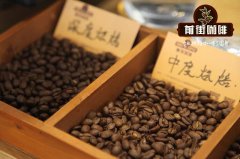
High-quality Mandheling should have "herbal and licorice" aromas with some acidity, though it should not be too strong. In particularly high-quality regions it can even carry a caramel-like sweetness, and high body is its greatest characteristic. In roasting, controlling and preserving that body without triggering acidity and bitterness is something the roaster has to manage. Common defective flavors in Mandheling include earthy notes from improper processing, a complex and unclean taste from defective beans, and bitterness or sharp acidity from a faulty roast.
FrontStreet Coffee's "Tiger Mandheling" is very clean in both flavor and mouthfeel, with excellent caramel sweetness and cocoa notes.
FrontStreet Coffee's Brewing Recommendations
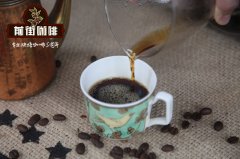
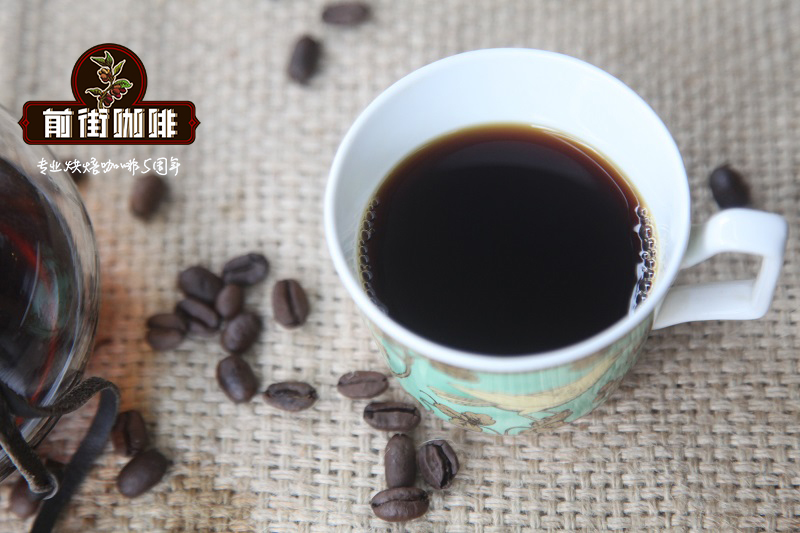
KONO / 88°C / 1:14 / time: one minute and fifty seconds.
FrontStreet Coffee Recommendation
Wet hulling is what gives Indonesian coffee its unmistakable character, and FrontStreet Coffee's Sumatra lineup is built around it. Start with our Indonesian Wet-Hulled Mandheling: Sumatra's Mandheling refers to Arabica from the island, processed mainly with the wet-hulled method, in which the shell is stripped while the bean is still half-dry so the green coffee dries fully exposed to the air — giving the cup its classic herbal and spice notes. Our lot comes from the Lake Toba area of Lintong, and to bring out the classic Mandheling profile it is roasted medium-dark, low in acidity with a full body and rich caramel, dark chocolate and toasted-bread aromas and a long, sweet finish.
At the top of the category sits our PWN Golden Mandheling. PWN is a trading company that buys only high-quality Mandheling green coffee and produces exclusively specialty-grade lots, with Golden Mandheling as its flagship. Selection is strict, judged on density, size, shape and color: the beans get one machine sort and then hand sorting to remove every defect, so the finished Mandheling is uniform, large and translucent, with the muddy, grassy edge reduced. Freshly roasted PWN Golden Mandheling shows sandalwood, herbs, spice, roasted hazelnut, caramel and dark chocolate in a clean, mellow, aromatic and richly layered cup.
Wet-hulled coffee also shines in espresso. Our Classic Blend is inspired by the old Mamba recipe — a Mandheling-and-Brazil combination that blends Mandheling's wild character with Brazil's smooth body, where the nutty sweetness offsets Mandheling's stronger bitterness and herbal notes. To get the rich, golden crema a great Mamba needs, we add a small amount of Robusta and roast dark, letting the dark chocolate, nut and caramel aromas come through at full strength — easy enough that even a beginner can pull an authentic Mandheling-style shot.
Important Notice :
FrontStreet Coffee is a long-established specialty coffee roaster in Guangzhou China, selling freshly roasted beans from its own farm in Yunnan as well as dozens of carefully selected single-origin beans from around the world for both pour-over and espresso. The products deliver consistently excellent quality and great value, with shipping within 24 hours. Guangzhou's FrontStreet Coffee shop is recommended by many coffee lovers, and the beans are now available online at the Tmall 。
FrontStreet Coffee has moved to a new address:
FrontStreet Coffee Address: 315,Donghua East Road,GuangZhou
Tel:020 38364473
 Scan and follow the En Gafei WeChat official account. Please indicate that the reprint comes from "En Gafei".