10 Things You Must Know About Coffee Bean Crema & Recommendations for High-Crema Coffee Beans
10 Things You Should Know About Crema
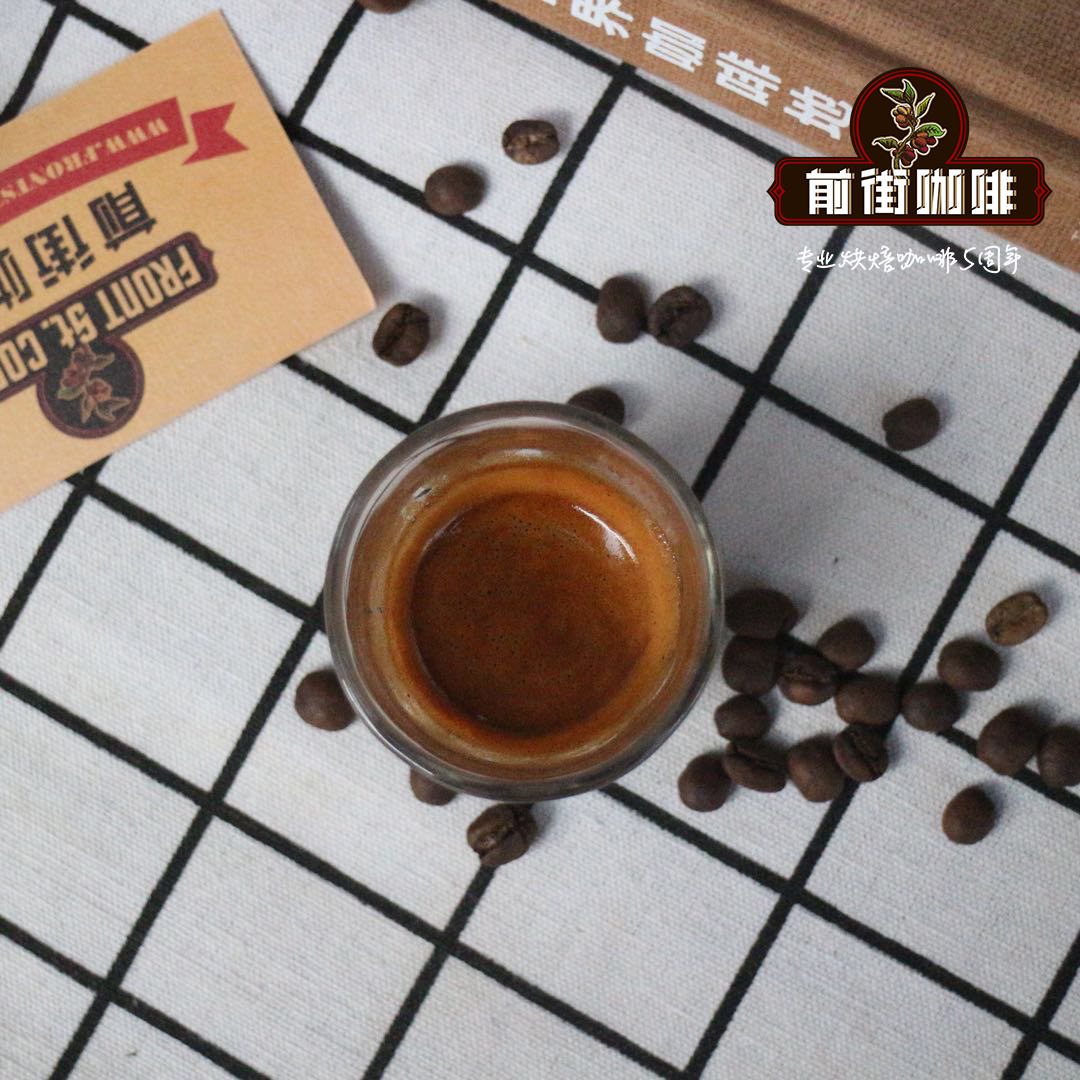
1. What is crema?
The oily layer that sits on top of an espresso pulled on an espresso machine (the topmost layer in Figure 1).
2. What is the principle behind crema?
Simply put, in the high-pressure, high-temperature extraction environment, carbon dioxide inside the beans is forced into the coffee oils, forming crema (as shown in Figure 2, where the crema envelops carbon dioxide).
That, however, is the simplified version. Here is how Scientific American puts it more precisely:
A film formed by surfactants surrounds tiny carbon dioxide and water vapor bubbles. Crema also contains emulsified oils, which carry the main aromatic components.
3. Can I make crema at home?
Only an espresso machine can produce a reasonably full crema. Other equipment, pour-over, siphon, French press, and similar home gear, cannot produce crema at all.
A few devices with pressure, such as moka pots and the AeroPress, can produce small amounts of foam, but measured against espresso-machine crema, it is markedly thinner.
4. Does crema greatly affect the quality of espresso?
A moderate crema is certainly one of the benchmarks of good espresso. First, crema traps aromatic gases and therefore shapes the complexity of the aroma. Second, crema delivers a thick, rich mouthfeel, arguably the signature texture of espresso.
5. Does espresso with lots of crema necessarily taste good?
Crema will appear whenever an espresso machine is operated correctly, but stale or poor beans can also produce crema, so its presence alone is no guarantee of good taste. Do not be superstitious about crema.
What is more, extraction time heavily influences the final cup. Running the shot two seconds too long can completely ruin it. Chasing maximum crema can easily tip the shot into muddled, bitter flavors, so excessive crema does not mean a better espresso.
6. Must crema be reddish-brown? Do other colors indicate a bad shot?
Some people believe that any crema color other than reddish-brown signals poor preparation. That belief comes from traditional espresso beans, which were typically dark roast or darker and therefore produced a darker crema.
Today, however, many coffee shops use espresso beans across a range of roast levels; medium and even light roasts are common. It is perfectly normal for crema to appear a lighter golden yellow, it does not mean the espresso is bad or badly made.
7. Do only very fresh beans produce lots of crema?
With traditionally super-dark-roasted espresso beans, degassing is enormous, so crema production weakens after about 10 days of storage.
With the medium-dark roast levels favored by many shops today, espresso beans can still produce plenty of crema even after 20-30 days, and the extraction may even taste better.
8. Is crema the source of aroma? Should moka pots and AeroPress chase crema?
Crema does preserve complex aromas, but that is under espresso-machine pressure.
Because moka pots and the AeroPress lack sufficient pressure, the crema they produce is thin and fragile. Even when it appears, it dissipates quickly, while the aroma still escapes into the air, so crema's value there is relatively small. Worse, if you adjust your dose or grind size just to chase crema, you may well end up with an overly bitter or unbalanced cup, putting the cart before the horse. Trust your tongue over the foam.
9. Is crema related to latte art?
Crema is an absolutely necessary condition for latte art, especially complex patterns, which demand structurally complete, thick crema. But remember the point above: more crema does not mean better taste.
Delicious crema paired with beautiful latte art is the mark of a true expert. Choosing beans purely for their crema while ignoring taste, or over-extracting to force extra crema and ending up with bitter flavors, is not a good trade.
10. Does long-lasting crema indicate better coffee quality?
Crema is essentially a layer of coffee-oil bubbles, which naturally dissipate very easily, forcing it to linger serves little purpose. As long as it has not vanished within the few minutes between serving and your first two sips, that counts as normal service.
In any case, espresso is meant to be drunk quickly: the small volume loses temperature fast, and the aromatic gases fade quickly too. Drink it promptly.
FrontStreet Coffee Recommendation
FrontStreet Coffee, a roasting brand based at Dongshankou in Yuexiu District, Guangzhou, roasts its espresso blends fresh, with crema output that stands up well for specialty shots and latte art alike.
For crema above all, the FrontStreet Classic Blend is the one to beat: a traditional Mamba-style (Mandheling plus Brazil) blend designed specifically for espresso machines and moka pots. Even a beginner on a non-professional home machine can pull a dense, silky crema with it, the same crema that carries lattes, cappuccinos, and Dirty drinks. The cup is full-bodied and rounded, approachable for seasoned drinkers and newcomers alike.
For a single-origin option, the PWN Indonesian Golden Mandheling is a natural choice: dark roasted, very low acidity, with a long, thick body layered with herbal and dark chocolate aromas and a faint earthy note, ideal for drinkers who want depth without sourness. Brazil Fazenda Rainha is another excellent low-acid pick, balanced and smooth with pronounced nut, cocoa, and caramel sweetness, equally at home in pour-over, espresso, or a moka pot. And if you prefer something fruitier, the Colombia Sidra, the competition-winning variety grown at 1,650-1,800 meters, is a double anaerobic natural, medium-light roast that brings jasmine and citrus dry aroma with passion fruit, blueberry, grape, and apricot., though note that brighter, fruit-forward roasts naturally produce a thinner crema than dark blends.
Important Notice :
FrontStreet Coffee is a long-established specialty coffee roaster in Guangzhou China, selling freshly roasted beans from its own farm in Yunnan as well as dozens of carefully selected single-origin beans from around the world for both pour-over and espresso. The products deliver consistently excellent quality and great value, with shipping within 24 hours. Guangzhou's FrontStreet Coffee shop is recommended by many coffee lovers, and the beans are now available online at the Tmall 。
FrontStreet Coffee has moved to a new address:
FrontStreet Coffee Address: 315,Donghua East Road,GuangZhou
Tel:020 38364473
 Scan and follow the En Gafei WeChat official account. Please indicate that the reprint comes from "En Gafei".