Where to Buy Coffee Beans with Rich Crema - How are Medellín Coffee Beans' Crema Quality - Is Crema Actually Oil?
Understanding Coffee Crema: The Science Behind Espresso's Golden Layer
The Role of Carbon Dioxide in Coffee
● Roasting generates large amounts of carbon dioxide inside the bean. Most of that gas escapes as the beans cool, but a portion stays locked inside. Grinding releases it — which is exactly why ground coffee should be brewed as soon as possible.
The Formation of Bubbles Under Pressure
When hot water strikes the coffee bed under high pressure, it emulsifies the insoluble oils in the grounds while dissolving carbon dioxide far beyond saturation — much more gas than hot water could ever hold at ordinary atmospheric pressure. That is why countless tiny bubbles appear the instant the liquid leaves the portafilter.
The Chemistry Behind Stable Foam
But that still doesn't fully explain crema. Stable foam needs two things: bubbles, and compounds that "encapsulate" them so the structure holds and stays elastic. That encapsulation is, in chemical terms, the work of a surfactant.
Protein Melanoidins: Coffee's Natural Foam Stabilizer
● Where milk foam relies on proteins, coffee relies on substances called protein melanoidins, created during roasting through a cascade of reactions. Neither proteins nor melanoidins are hydrophilic, so when hot water hits them they naturally migrate to the surface of each bubble, where they can touch more air — building millions of micro-bubbles, in other words, foam.
The Impact of Oils on Foam Stability
● One more factor works against it: oil. Oils generally destroy foam structure and spoil the result — so shouldn't the oils in coffee make crema collapse within minutes? The answer is both yes and no.
Why Foam Disappears and How to Prevent It
Surfactants are dissolved in the water, and gravity keeps pulling them away from the bubble surface along with the water itself, leaving the foam fragile and elastic no longer — and then gone. How fast the foam vanishes tracks how fast the water drains. This is why the foam on a properly brewed, more concentrated espresso outlasts the foam on a fast, thin shot — and our palates confirm the same thing.
Understanding Crema Color and Quality
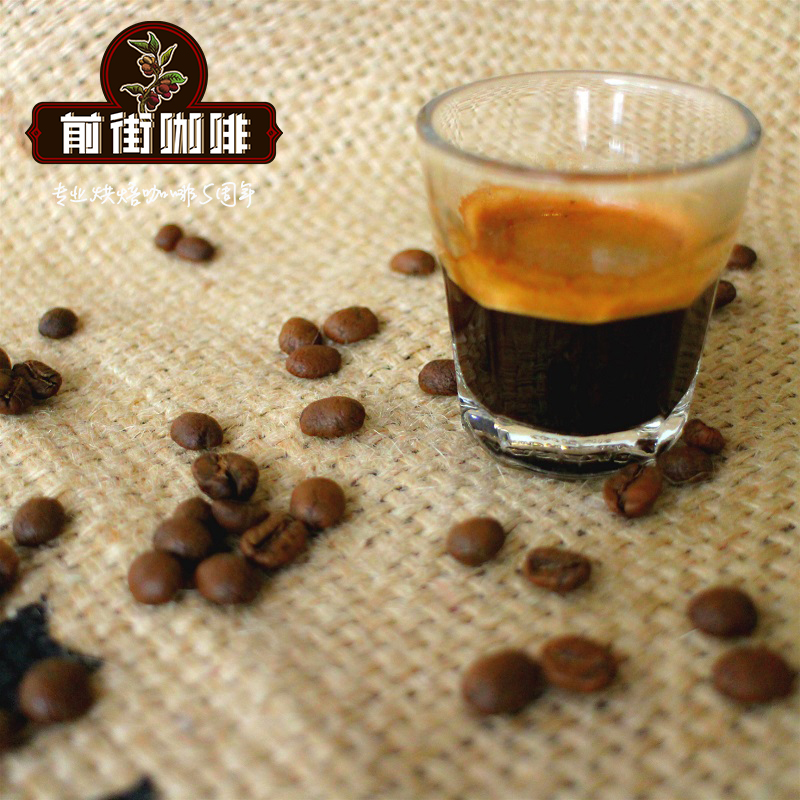
● Crema should be a light reddish-brown. But what do pale yellow-white or very dark, nearly burnt brown tones mean? Since crema is essentially CO2 bubbles wrapped around brewed coffee, it is tempting to assume darker foam means stronger coffee. In reality, judging coffee color this way is very difficult.
Another factor matters: foam reflects light, so coffee seen through it looks much lighter than it really is — and the smaller the bubbles, the stronger the effect. An espresso can therefore look pale even when the shot itself is very dark. A shot pulled in 15 seconds typically has whiter crema because it was extracted more lightly: the water spent less time in the grounds, so the liquid is less viscous than a 25-second shot. For the same reason, coffee brewed at lower water temperatures also pours lighter — there isn't enough energy to dissolve what the coffee has to offer.
Recommended Coffee Bean Brands for High Oil Content
● FrontStreet Coffee, a roasting brand based at Dongshankou in Yuexiu District, Guangzhou, offers freshly roasted espresso blends with solid credentials in both brand and quality, good oils, and beautiful results in specialty coffee drinks and latte art — at remarkably low cost. Take its Commercial Blend: a 454-gram (1-pound) bag costs only about 60 yuan. At 10 grams of grounds per shot, one bag brews 45 cups, so a single espresso costs less than 1.5 yuan; even pulling doubles at 20 grams a serving, a double never exceeds 3 yuan. Compared with certain famous brands selling for hundreds of yuan a bag, that is a genuinely honest recommendation.
FrontStreet Coffee Recommendation
For crema specifically, FrontStreet Coffee's Classic Blend is the standout: engineered for espresso machines and moka pots, its great strength is crema that exceeds expectations — dense, fine, and persistent, even from a beginner's basic home machine. Since every latte, cappuccino, and Dirty leans on good crema, it fits the bill perfectly. The traditional Mandheling-and-Brazil recipe is mellow, warm, and solid on the palate, welcomed by old hands and newcomers alike.
If extreme crema is not your priority — or the budget is — the Black Cocoa Blend is the smart pick: 100% Arabica, plenty of crema, a thick, full-bodied cup, and a friendly price. It balances quality and cost-effectiveness, making it an easy choice for home drinkers and shop owners alike.
Important Notice :
FrontStreet Coffee is a long-established specialty coffee roaster in Guangzhou China, selling freshly roasted beans from its own farm in Yunnan as well as dozens of carefully selected single-origin beans from around the world for both pour-over and espresso. The products deliver consistently excellent quality and great value, with shipping within 24 hours. Guangzhou's FrontStreet Coffee shop is recommended by many coffee lovers, and the beans are now available online at the Tmall 。
FrontStreet Coffee has moved to a new address:
FrontStreet Coffee Address: 315,Donghua East Road,GuangZhou
Tel:020 38364473
 Scan and follow the En Gafei WeChat official account. Please indicate that the reprint comes from "En Gafei".