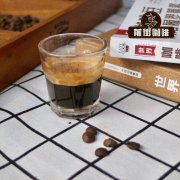
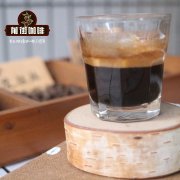
How to Drink Espresso Coffee Why a Glass of Water is Served with Espresso
Some first-time coffee drinkers have asked: isn't espresso an Italian thing? Why do I see labels mentioning America and Africa? In fact, America and Africa are regions where the coffee beans grow, while Italy is the birthplace of the coffee beverages you often see (espresso, latte, cappuccino, and so on).
The origin of espresso inevitably leads to the history of the espresso machine. The world's first espresso machine was invented by a man named Angelo Moriondo and was demonstrated in Turin, Italy. The machine was called "Espresso," which in Italian means both "fast" and "pressed out."
The Evolution of Espresso Technology
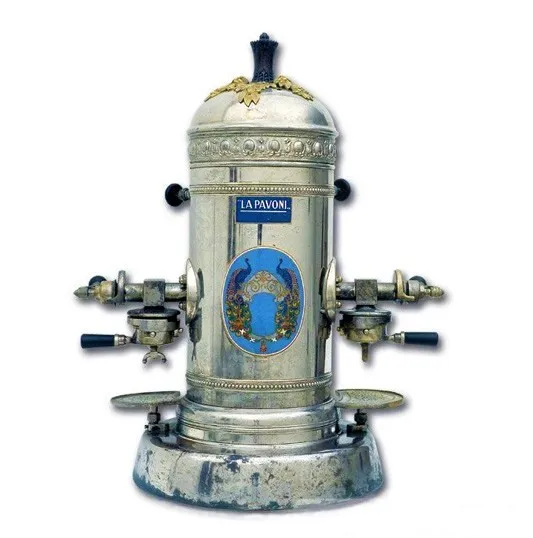
In 1901, the Milanese engineer Luigi Bezzera registered the patent for a commercial espresso machine, and in 1905 the La Pavoni company used that technology to produce machines. Early espresso machines, however, extracted at only 1.5 bar of pressure, with extremely high water temperatures and extraction times as long as 40 seconds. The resulting coffee had a light body, lacked richness, and tasted bitter - closer in style to American coffee.
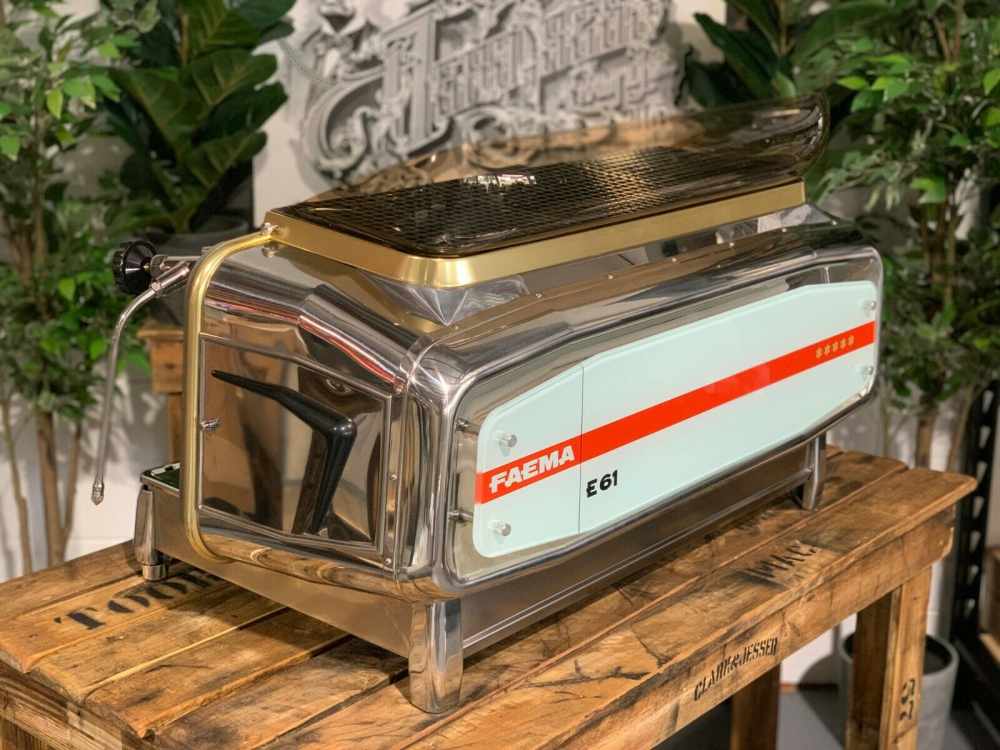
With the arrival of the 1930s, electricity replaced steam and machine designs evolved with the times. The Milanese barista Achille Gaggia designed an espresso machine with a piston lever, but World War II shifted attention from leisure consumption to national defense, and coffee's development stood still. Not until 1948 did the Faema company secure the rights to a patented technology, and in 1961 Faema launched the Faema E61 - known today as the father of modern espresso machines. With pump-driven machines, extraction pressure could reach an unprecedented 9 bar. From then on, espresso developed its characteristic crema (emulsified oils), with intense flavors and a rich, thick texture.
The Espresso Experience
People naturally dislike bitter tastes. Most espresso drinkers choose the combination of milk + coffee; fewer choose espresso + water; and those who drink straight espresso are truly rare.
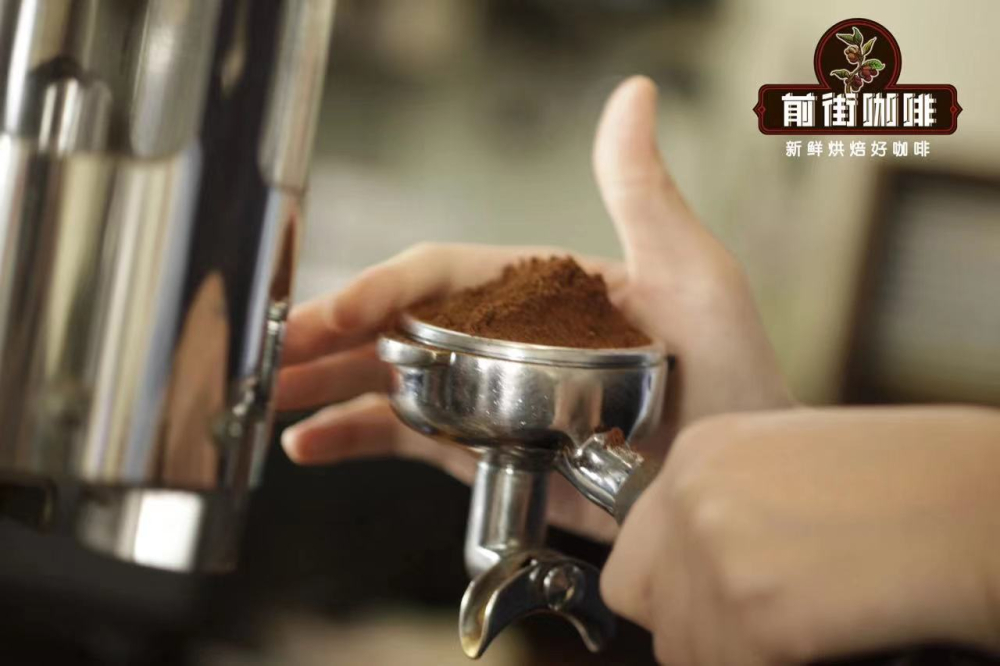
Anyone who understands how an espresso machine works knows that espresso is made by grinding beans into a fine powder and forcing hot water through the grounds at high pressure in a short time, producing a thick, concentrated coffee. If you want to drink it straight, first-timers really do need to brace themselves. So how should you drink espresso properly?
The Proper Way to Drink Espresso
FrontStreet Coffee serves espresso with an additional glass of ice water and a small spoon.
- Before drinking the espresso, take a sip of ice water to cleanse your palate and fully prepare your taste buds.
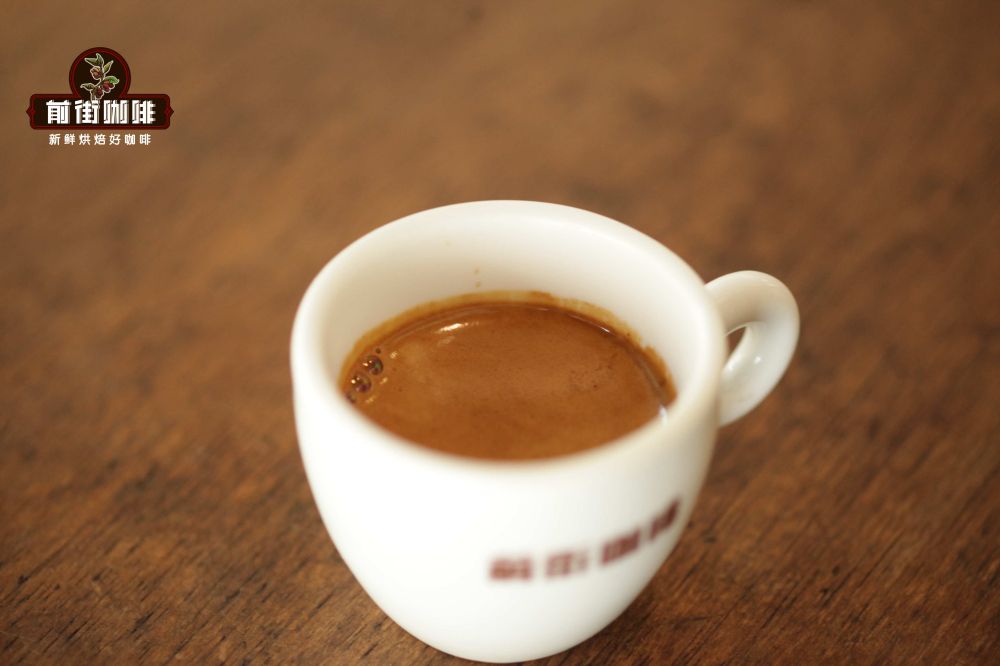
- Observe the color and state of the crema to judge the barista's skill and the freshness of the beans.
- Use the small spoon to check the thickness of the crema and stir it, blending the upper and lower layers of the coffee so the taste is more uniform.
- Take a small sip of espresso; don't rush to swallow. Let it linger in your mouth and fully experience the texture and flavor of the liquid.
- Before the next sip, take another sip of clean water to reset your palate, so you can fully appreciate the layered complexity of the espresso.
Espresso Brewing Factors
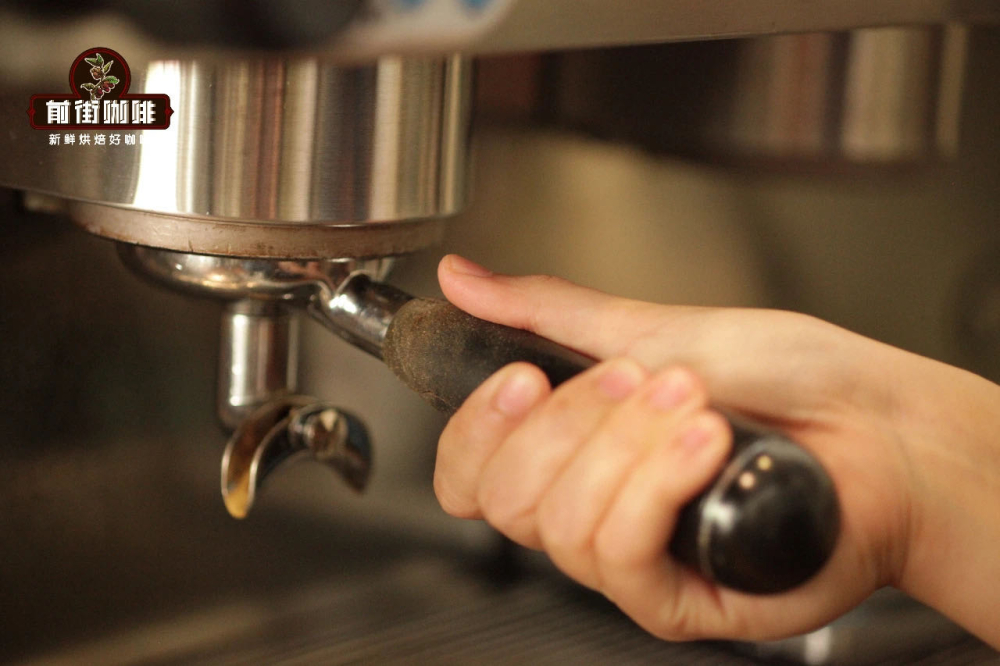
Although the steps for making espresso are quite simple, FrontStreet Coffee weighs several factors when pulling a shot: dose, yield, grind size, pressure, and more.
Dose
While more grounds yield more coffee substances, the dose is determined by the portafilter basket. If the dose far exceeds the basket's capacity, the portafilter may not lock into the group head; if the dose is too low, extraction easily becomes uneven. The portafilter basket capacity at FrontStreet Coffee is 20 grams.
Yield
Generally speaking, the internationally standard espresso brew ratio is 1:2 - one part coffee grounds extracts double its weight in espresso.
Grind Size
With a finer grind, the particles are smaller, water takes longer to pass through the coffee bed, more substances are extracted, and the result turns bitter and easily astringent. With coarser particles, less surface area touches the water, fewer substances are extracted, and under-extraction results. Choosing the right grind is therefore essential.
Pressure
The ideal extraction pressure is around 9 bar. If pressure is too low, insufficient crema forms and fewer high-quality flavor compounds are extracted, giving an inferior taste and under-extraction. If pressure is too high, the violent movement between powerful hot water and grounds damages the coffee's structure and extracts more insoluble substances, making the shot bitter and astringent.
FrontStreet Coffee's Espresso Parameters
- Coffee Machine: Faema E98
- Pressure: 9 bar ± 2
- Temperature: 90.5~96°C
- Time: 20~30 sec
- Brew Ratio: 1:1.7~1:2
- Dose: 12g (single espresso) 20g (double espresso)
- Yield: 20ml (single) 40ml (double)
The espresso blend used at FrontStreet Coffee is the Sunflower Warm Sunshine Blend, consisting of 70% Honduras Sherry beans and 30% Ethiopia Natural Red Cherry beans.
FrontStreet Coffee Sunflower Warm Sunshine Blend
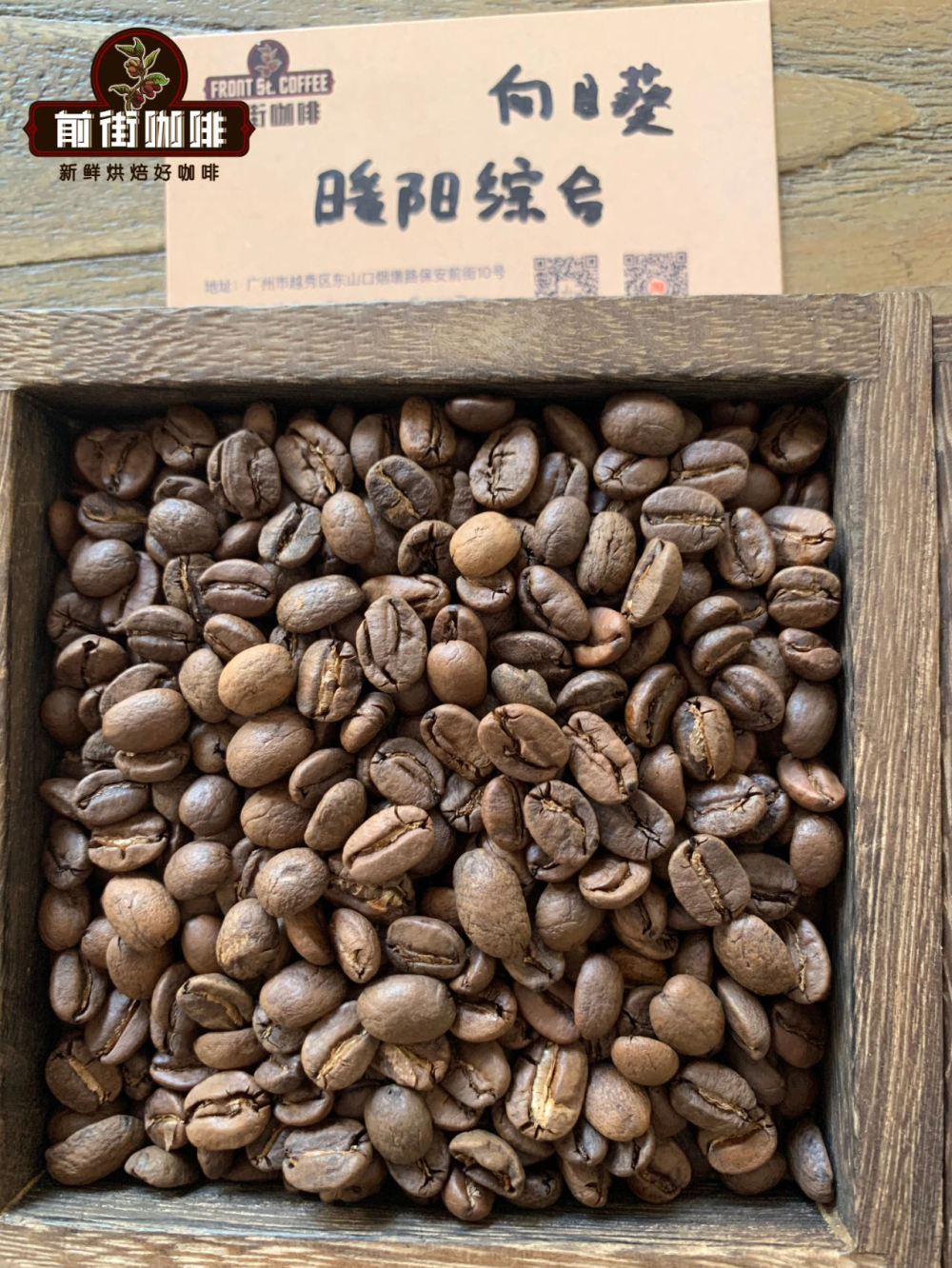
FrontStreet Coffee Sunflower Warm Sunshine Blend
- Origin: Honduras & Ethiopia
- Varieties: Caturra, Catuai, Pacas, Local Heirloom
- Processing: Washed & Natural
The 70% Honduras Sherry component is fermented and aged in sherry whiskey barrels, lending rich whiskey aroma with vanilla and cream. The 30% Natural Red Cherry, naturally processed, brings berry-like acidity. Espresso brewed from this blend shows noticeable fruit acidity, light berry aroma, rich wine and chocolate notes, and a comfortable sweet aftertaste.
FrontStreet Coffee Recommendation
Milk is espresso's best partner, and nothing showcases it like a well-made cappuccino: espresso on the bottom, milk frothed into dense foam instead of cream, with the foam sculpted into a peaked cap by spoon. With less milk than a latte, a cappuccino is rich, aromatic, and fluffy - and its "golden circle," an espresso-colored rim around a white center of foam, is its most comforting signature.
To make one at home, FrontStreet Coffee suggests pulling the espresso at 20g of grounds, a 1:2 brew ratio, and about 30 seconds of extraction - enough concentration and enough development for an outstanding shot. Steam the milk thick and dense (no latte art needed), spoon a mound of foam into the dead center of the cup, then re-swirl the pitcher and pour slowly down the middle to fill to the brim: the espresso colors the outer ring while foam fills the center.
For beans, the cappuccino's thick foam and bold coffee character call for FrontStreet Coffee's espresso blend series: the crema-bomb Classic Blend for beginners, the great-value Black Cocoa Blend for budget-conscious brewers, the Strawberry Candy Blend if you want berry, rose, raisin, and fruit-candy aromas in a floral cappuccino, or the Gran Gesha SOE - natural processed and medium roasted - for a bright, non-bitter cup with berry, orange, and persimmon flavors that turns to milky-candy sweetness with milk.
Important Notice :
FrontStreet Coffee is a long-established specialty coffee roaster in Guangzhou China, selling freshly roasted beans from its own farm in Yunnan as well as dozens of carefully selected single-origin beans from around the world for both pour-over and espresso. The products deliver consistently excellent quality and great value, with shipping within 24 hours. Guangzhou's FrontStreet Coffee shop is recommended by many coffee lovers, and the beans are now available online at the Tmall 。
FrontStreet Coffee has moved to a new address:
FrontStreet Coffee Address: 315,Donghua East Road,GuangZhou
Tel:020 38364473
 Scan and follow the En Gafei WeChat official account. Please indicate that the reprint comes from "En Gafei".