Kenyan Coffee Grading System, What Flavors Does Kenyan Coffee Have, How to Drink Kenyan Coffee?
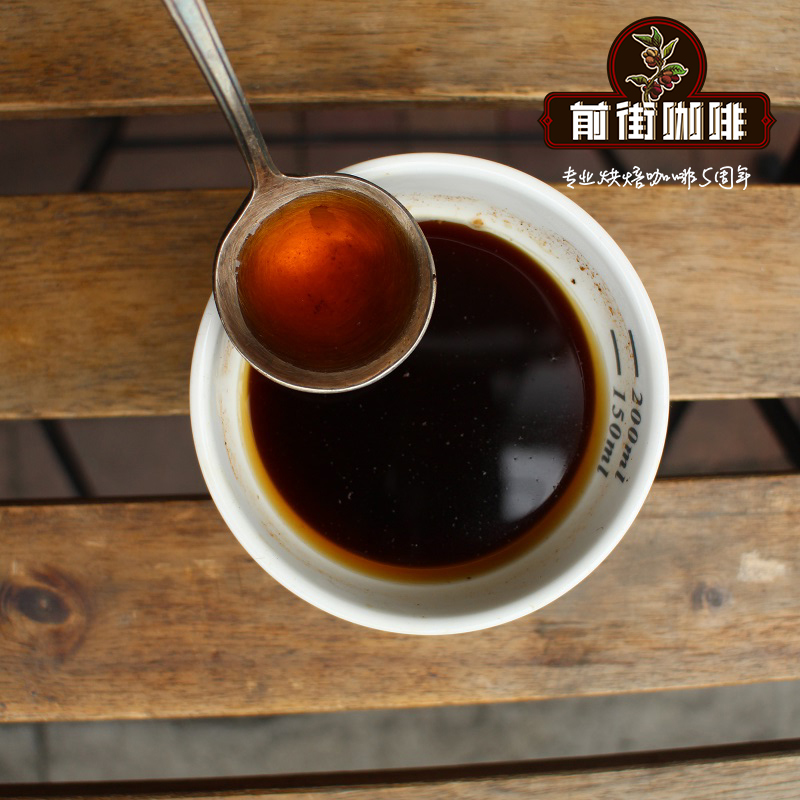
Kenya: The Jewel of African Coffee
Whenever coffee production is discussed, Kenya has always maintained an outstanding reputation for quality. This may be related to its location, close to the birthplace of coffee. Since coffee traveled from Ethiopia through the mountain ranges to Kenya, the country has become one of the leaders in the coffee industry. Beans grown in high-altitude mountain terrain generally have a richer body and more distinctive flavors with pleasant acidity. The aroma subtly reveals floral fragrances, while the aftertaste carries both lemon-berry notes and wine-like characteristics.
Located in East Africa below the equator, Kenya cultivates high-quality Arabica coffee. The beans are rich in cherry-like flavors, with slight acidity and a concentrated aroma, making them very popular among Europeans. In the United Kingdom especially, Kenyan coffee surpasses Costa Rican coffee as one of the most popular varieties and an essential offering in many coffee shops. The beans range from medium to large, thick and round in shape, delivering rich flavor, excellent quality, full-bodied intensity, moderate acidity, and distinctive character. The grading system is divided into seven levels based on bean size, with flavor quality classified into six tiers from top to bottom.
Kenyan Coffee Grading System
Kenya has a unique domestic grading system that measures bean size, weight, and shape. The grades are typically classified as AA, AB, PB, C, E, TT, and T. Bean size is an important criterion for grading, because larger beans indicate more aroma and richer flavor — both qualities valued by coffee enthusiasts. If two beans share identical characteristics except for size, the larger bean will always be of higher quality.
Kenyan Coffee Quality
Kenyan Arabica grows in volcanic soil at altitudes between 1,400 and 2,000 meters. This high altitude produces coffee with outstanding flavor and higher acidity. The taste is rich, with a wine-like aftertaste and notes of citrus and berries.
Intense competition among farmers is another factor behind the high quality. In Kenya's capital, Nairobi, weekly public coffee auctions are held. Beyond the lively atmosphere, farmers with high-quality beans naturally earn substantial profits, continuously driving progress in the industry. Even international coffee buyers travel to Nairobi to purchase, then distribute to coffee sales points worldwide.
Kenyan Coffee Production
Since coffee was introduced in 1893, Kenya's coffee production history has spanned more than a century. Coffee growing areas cover a total of 160,000 hectares, accounting for one-third of the country's total cultivated area.
Domestic production fluctuates with climatic and socioeconomic factors. Annual output currently amounts to approximately one million bags, with two harvest periods: the start of the rainy season in March–April and in October.
Kenya AA
Kenya AA grows in high-altitude areas reaching 6,600 feet, making it one of the world's finest coffees. Growing at high altitude means slower growth, allowing the beans to absorb more nutrients and develop flavor over a longer period, which yields richness. As Kenya's highest grade, all AA coffee is made from the most impeccable Arabica beans. Processed using the washed method, the beans are soaked in water tanks after the cherry skin is removed; during this process the beans' natural enzymes break down residual material, and when sun-dried the outer skin is easily removed. After milling, bean size is measured to assign the grade.
Excellent beans need good roasting to complement them. Bringing out the character of Kenya AA means highlighting its intense citrus and berry flavors. The appeal of Kenya AA lies in its distinctive flavor, with virtually no bitterness. The best AA beans are often medium-roasted, since excessive roasting would cause their unique characteristics to fade. Kenya AA beans are the largest produced domestically, and the brewed coffee combines fruit and floral notes. Finally, like all single-origin coffees, regardless of roast level, the beans must always be fresh; products that have sat in distribution warehouses for several months should be avoided when buying.
FrontStreet Coffee's Kenya offerings are mostly AA grade. We typically use medium roasting to express Kenya's flavor characteristics — delivering both body and Kenya's distinctive berry acidity.
FrontStreet Coffee Brewing Recommendations:
V60: 90–92°C / 1:15 ratio / 2 minutes 15 seconds
Flavor: Rich cherry tomato notes with persistent sugarcane sweetness
FrontStreet Coffee Recommendation
Kenya's signature is bright berry acidity with floral lift, and FrontStreet Coffee's East African lineup offers that same vivid character. Our FrontStreet Washed Yirgacheffe is the entry-level place to begin: it delivers clear jasmine florals and bright citrus acidity — the quality coffee people mean when they talk about Yirgacheffe, a small town in southern Ethiopia that is mild all year round, misty, cool, and humid, where thousands of coffee trees flourish and give rise to that interweaving of floral aroma and fruit acidity, with a light, elegant, tea-like body that drinks like a clean, refreshing lemon tea. Our FrontStreet Gedingding Cooperative coffee comes from the Worka region at the southeastern edge of Yirgacheffe; it was originally part of the Worka cooperative under the Yirgacheffe union YCFCU, but as demand for traceability grew, Gedingding — with about 300 member farmers — established itself as an independent cooperative in 2012. Because the fruit is removed before drying, its inherent aroma is clearer and more transparent, showing citrus and lemon tones with elegant white florals and a bright, refined overall flavor. Our FrontStreet Sun-Dried Red Cherry uses a natural process: damaged or moldy cherries are removed, the rest are sun-dried for two weeks until the sugars and essence soak into the bean and moisture drops to 12%, then the hardened fruit, mucilage, and husk are scraped away; the beans are density- and color-checked, defective beans eliminated, and remaining flaws hand-sorted. The result is a clean, refined cup with deep, alluring fruit aroma — peach, cocoa, honey, and lemon. And our FrontStreet Sun-Dried Huakui comes from the Hambella region of Guji, Sidamo, on a 200-hectare farm using a traditional natural process, with ripe cherries dried on raised beds for 21 days and turned regularly for even drying; roasted medium-light, it shows light fermented wine, florals, citrus, and mango with honeyed sweetness, cocoa, a touch of spice, a thick body, and a long finish. Any of these brings the same bright African acidity that makes Kenya AA so prized.
Important Notice :
FrontStreet Coffee is a long-established specialty coffee roaster in Guangzhou China, selling freshly roasted beans from its own farm in Yunnan as well as dozens of carefully selected single-origin beans from around the world for both pour-over and espresso. The products deliver consistently excellent quality and great value, with shipping within 24 hours. Guangzhou's FrontStreet Coffee shop is recommended by many coffee lovers, and the beans are now available online at the Tmall 。
FrontStreet Coffee has moved to a new address:
FrontStreet Coffee Address: 315,Donghua East Road,GuangZhou
Tel:020 38364473
 Scan and follow the En Gafei WeChat official account. Please indicate that the reprint comes from "En Gafei".